
The majestic state of Colorado, renowned for its breathtaking Rocky Mountain landscapes, vibrant outdoor recreation, and charming mountain towns, can also be a region susceptible to wildfires. As summer months approach and dry conditions prevail, understanding the current wildfire situation becomes crucial for travelers, residents, and anyone planning to visit this stunning part of the United States. This article aims to provide a comprehensive overview of where wildfires might be occurring in Colorado, how to stay informed, and what precautions to take, ensuring a safe and enjoyable experience.
Understanding Colorado’s Wildfire Landscape
Colorado’s diverse topography, from arid eastern plains to dense western forests, creates a complex wildfire environment. Factors such as drought, high temperatures, wind, and lightning strikes all contribute to the risk of ignition and the spread of fires. Understanding these contributing factors helps in appreciating the dynamic nature of wildfire activity within the state.

Factors Influencing Wildfire Activity in Colorado
Several key elements converge to influence when and where wildfires are most likely to occur in Colorado. The state’s semi-arid climate means that extended periods of low precipitation can lead to dry vegetation, creating a perfect tinderbox. The Rocky Mountains themselves play a significant role, with higher elevations experiencing different weather patterns and fuel types compared to the lower plains.
- Drought Conditions: Prolonged periods without significant rainfall are a primary driver of wildfire risk. When soil moisture is low, vegetation dries out, becoming more flammable. Colorado has experienced significant droughts in recent years, exacerbating wildfire potential.
- Temperature and Wind: High temperatures dry out vegetation and increase the rate of evaporation. Strong, gusty winds can quickly spread embers, leading to rapid fire growth and making containment difficult. These conditions are often prevalent during the summer and early fall.
- Fuel Load: The amount of dry, combustible material—such as dead trees, grasses, and underbrush—significantly impacts fire behavior. Forest management practices, insect infestations (like the mountain pine beetle), and past fire suppression efforts can all influence fuel loads.
- Ignition Sources: Wildfires can be started by both natural and human causes. Lightning is a natural ignition source, particularly common in mountainous regions during thunderstorms. Human-caused ignitions, however, are responsible for a substantial percentage of wildfires and can include unattended campfires, discarded cigarettes, faulty equipment, and arson.
Seasonal Patterns and High-Risk Areas
While wildfires can occur at any time of year, Colorado’s wildfire season typically runs from late spring through early fall, peaking in the summer months. However, early season fires can occur if snowpack melts early and dry conditions set in.
Certain areas within Colorado are historically more prone to wildfires due to their vegetation types, topography, and proximity to human populations. These often include:
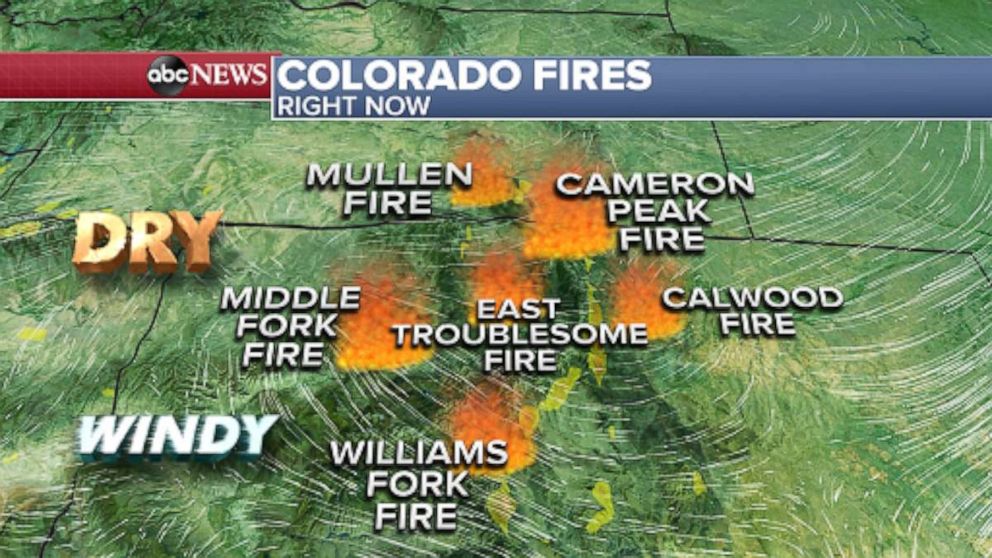
- Southern Colorado: Regions like La Plata County and areas near the San Juan Mountains have frequently seen large and destructive fires. The dry, rugged terrain combined with dense forests creates challenging fire conditions.
- Central Mountains: Areas surrounding popular destinations such as Aspen, Vail, and Breckenridge can be at risk, especially in years with significant drought. These communities are often nestled within or adjacent to large forested areas.
- Front Range Foothills: The transition zone between the plains and the mountains, including areas west of Denver and Colorado Springs, is densely populated and can experience rapid fire spread due to dry grasses and strong winds.
Staying Informed: Real-Time Wildfire Updates
For anyone planning a trip to Colorado, or those already there, staying informed about current wildfire activity is paramount. Reliable sources of information can help travelers adjust their plans, avoid affected areas, and ensure their safety.
Essential Resources for Wildfire Information

Multiple agencies and platforms provide real-time updates on wildfires in Colorado. It is advisable to consult these resources regularly, especially during wildfire season.
- InciWeb: This is the primary interagency all-risk incident information management system in the United States. InciWeb provides detailed information on large wildfires, including maps, incident updates, closures, and restrictions. You can find information specific to Colorado fires on their website.
- Colorado Division of Fire Prevention and Control (DFPC): The DFPC is a crucial state-level resource. They often have interactive maps showing active wildfires, fire restrictions, and air quality advisories. Their website is a primary source for official state information.
- National Interagency Fire Center (NIFC): While broader than just Colorado, the NIFC provides national wildfire statistics and outlooks that can indicate trends affecting Colorado.
- Local Fire Departments and Sheriff’s Offices: For the most immediate and localized information, especially regarding evacuations or specific road closures, checking the websites or social media of local fire departments and county sheriff’s offices in the areas you plan to visit is highly recommended.
- Air Quality Monitors: Wildfires significantly impact air quality. Websites and apps that track air quality, such as AirNow.gov, can provide real-time data on particulate matter and ozone levels, which are crucial indicators of wildfire smoke presence.
Interpreting Fire Maps and Advisories
When reviewing wildfire maps, pay attention to the following:
- Fire Perimeter: This line typically indicates the current known boundary of the fire. Fires are dynamic, so this is a snapshot in time.
- Containment Percentage: This shows how much of the fire’s perimeter is secured and prevented from spreading.
- Active Fire Areas: Often depicted with heat signatures, these areas indicate where the fire is currently burning intensely.
- Evacuation Orders and Warnings: These are critical for safety. Evacuation orders mean you must leave immediately, while warnings suggest preparing to leave.
- Fire Restrictions: These can range from bans on campfires to full closures of certain recreational areas. Adhering to these restrictions is vital for preventing new ignitions.
Planning Your Colorado Adventure Safely
The allure of Colorado lies in its diverse attractions, from the bustling city of Denver to the natural wonders of Rocky Mountain National Park and the historic charm of towns like Telluride. When wildfire activity is present, proactive planning is essential to ensure a memorable and safe trip.
Pre-Trip Preparations and Flexibility
Before embarking on your Colorado adventure, take the following steps:
- Check Current Conditions: Visit the resources mentioned above days before your trip and again just before you depart.
- Review Travel Itineraries: If your planned destinations are experiencing significant wildfire activity, consider alternative plans. Many areas of Colorado may remain unaffected, offering fantastic travel opportunities.
- Pack Accordingly: If traveling to areas with potential smoke, consider packing N95 masks for better respiratory protection.
- Understand Accommodation Policies: If you have booked accommodation, such as at the Broadmoor or a charming cabin rental in the mountains, familiarize yourself with their cancellation and rebooking policies in case of unavoidable travel disruptions.
During Your Trip: Staying Vigilant and Responsible
Once you are in Colorado, maintain vigilance:
- Monitor Local News and Alerts: Pay attention to local news outlets and any emergency alert systems in the area you are visiting.
- Respect Fire Restrictions: This is non-negotiable. Violating fire bans can lead to hefty fines and, more importantly, contribute to new ignitions.
- Practice Fire Safety: If you are camping or enjoying outdoor activities, be extremely mindful of fire safety. Ensure campfires are completely extinguished and never leave them unattended. Dispose of cigarettes properly.
- Be Prepared for Smoke: Wildfire smoke can travel hundreds of miles. If smoke is present, reduce strenuous outdoor activity and stay indoors as much as possible. Close windows and doors, and use air purifiers if available.
- Have an Evacuation Plan: In areas with active wildfires, always have a plan for how you would evacuate if necessary. Know your routes out and have essential items packed.
By staying informed, being prepared, and acting responsibly, travelers can still experience the unparalleled beauty and adventure that Colorado has to offer, even amidst the challenges of wildfire season. The goal is to enjoy the state’s incredible natural landmarks and vibrant tourism offerings while prioritizing safety and respecting the environment.
LifeOutOfTheBox is a participant in the Amazon Services LLC Associates Program, an affiliate advertising program designed to provide a means for sites to earn advertising fees by advertising and linking to Amazon.com. Amazon, the Amazon logo, AmazonSupply, and the AmazonSupply logo are trademarks of Amazon.com, Inc. or its affiliates. As an Amazon Associate we earn affiliate commissions from qualifying purchases.