
Nestled high in the Rocky Mountains of Colorado, Vail is a world-renowned destination synonymous with luxury, breathtaking natural beauty, and unparalleled outdoor adventure. Its picturesque charm and sophisticated atmosphere draw millions of visitors each year, eager to experience its alpine allure. But for those who haven’t yet had the pleasure of experiencing this jewel of the American West, a fundamental question arises: Where is Vail, Colorado located? This article aims to answer that question thoroughly, exploring its geographical positioning, its accessibility, and the surrounding landscape that makes it such a captivating place to visit.
The Heart of the Rockies: Geographical Positioning
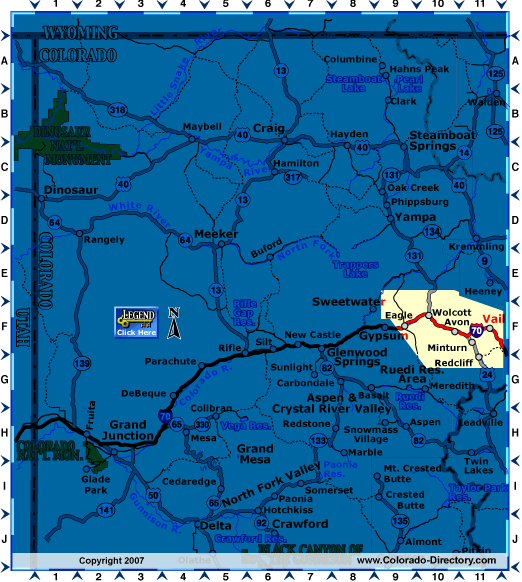
Vail, Colorado, is situated in the heart of the Eagle County, in the western part of the state. Its precise location places it within the Gore Range of the Rocky Mountains, a majestic mountain chain known for its rugged peaks, pristine forests, and abundant wildlife. More specifically, Vail lies at the base of Vail Mountain, one of the largest and most iconic ski resorts in North America. The town itself is spread out along Interstate 70 (I-70), a major transcontinental highway that provides crucial access to the region.
Altitude and Climate
The town of Vail sits at an elevation of approximately 8,150 feet (2,484 meters) above sea level. This high-altitude setting contributes significantly to its characteristic mountain climate. Winters are typically cold and snowy, making Vail a premier destination for winter sports enthusiasts. The average annual snowfall is substantial, creating ideal conditions for skiing and snowboarding. Summers, conversely, are generally mild and pleasant, with warm days and cool nights, perfect for hiking, biking, and exploring the vibrant alpine meadows. The thinner air at this altitude can be a factor for visitors, and acclimatization is often recommended. The crisp mountain air and dramatic seasonal shifts are integral to the Vail experience, shaping both its natural environment and the activities available to its visitors.
Accessibility: Reaching Vail, Colorado
Understanding the location of Vail also involves knowing how to get there. Its position in the Rocky Mountains might suggest remoteness, but its strategic placement along I-70 makes it surprisingly accessible, especially for travelers coming from major metropolitan areas in Colorado and beyond.
By Air
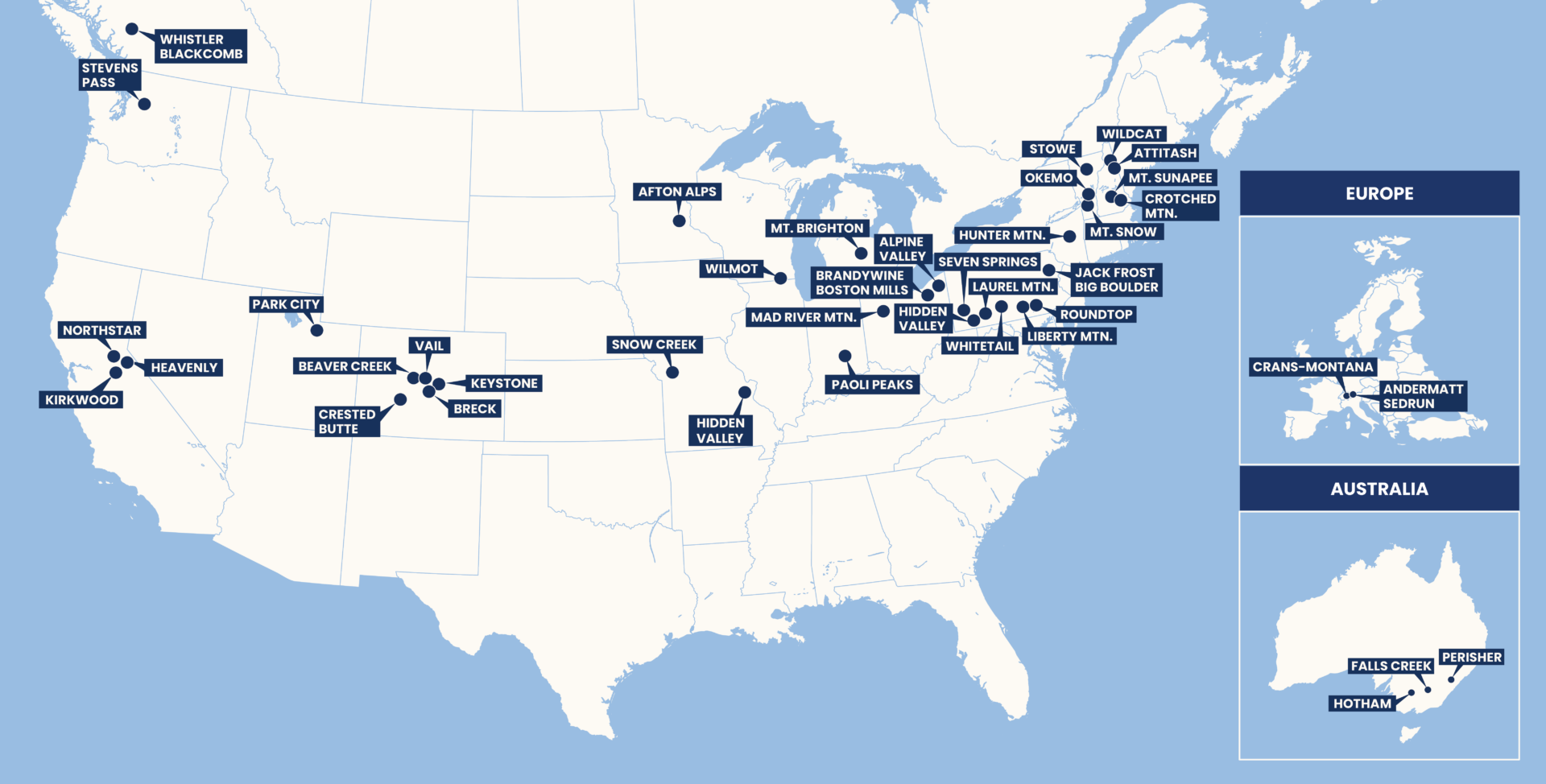
The closest major airport to Vail is Eagle County Regional Airport (EGE), located just a short drive (approximately 30-40 minutes) west of the town. EGE receives direct flights from several major cities, particularly during the peak winter season, offering a convenient gateway for international and domestic travelers. For those seeking more flight options or potentially lower fares, Denver International Airport (DEN) is another viable, albeit further, option. DEN is about a 2-2.5 hour drive east of Vail via I-70. Many visitors opt to rent a car at either airport or arrange for shuttle services and private transfers to complete their journey to Vail. The scenic drive through the Colorado Rockies is an experience in itself, offering stunning vistas of the mountain landscape.
By Road
For those traveling by car, Interstate 70 (I-70) is the primary artery connecting Vail to the rest of the United States. From the east, visitors typically drive from cities like Denver, passing through the awe-inspiring Eisenhower Tunnel and the dramatic beauty of Glenwood Canyon. From the west, access is also readily available via I-70. The highway is well-maintained, though travelers should always be prepared for winter driving conditions, which can include snow and ice. The journey itself is a significant part of the Vail adventure, offering a gradual immersion into the grandeur of the Rocky Mountains. The ease of access via I-70 has been instrumental in Vail‘s development as a premier tourist destination.
The Surrounding Landscape: A Natural Playground
Vail, Colorado, is not just a town; it is a gateway to an immense natural playground. Its location within the Rocky Mountains provides an extraordinary backdrop for a wide array of outdoor activities and natural attractions. The natural beauty surrounding Vail is a primary draw for visitors, offering both serene landscapes and exhilarating adventures.
Vail Mountain and Beyond
Dominating the skyline is Vail Mountain, a colossal ski resort that is the heart of the town’s winter appeal. It boasts vast terrain for skiers and snowboarders of all levels, from gentle beginner slopes to challenging expert runs and legendary backcountry access. Beyond the ski slopes, the mountain transforms in the summer into a paradise for hikers and mountain bikers. Numerous trails crisscross the mountain, offering panoramic views of the surrounding peaks and valleys.
Adjacent to Vail Mountain are other significant natural landmarks. The Gore Range offers a more rugged and remote hiking and backpacking experience, with pristine alpine lakes and dramatic granite peaks. Further afield, but easily accessible for day trips, are areas like the Holy Cross Wilderness, offering unparalleled opportunities for exploration. The Colorado River also flows nearby, providing opportunities for whitewater rafting and fishing in the warmer months. The sheer abundance of natural beauty and recreational opportunities stems directly from Vail‘s prime location within this magnificent mountain ecosystem.
Local Environment and Wildlife
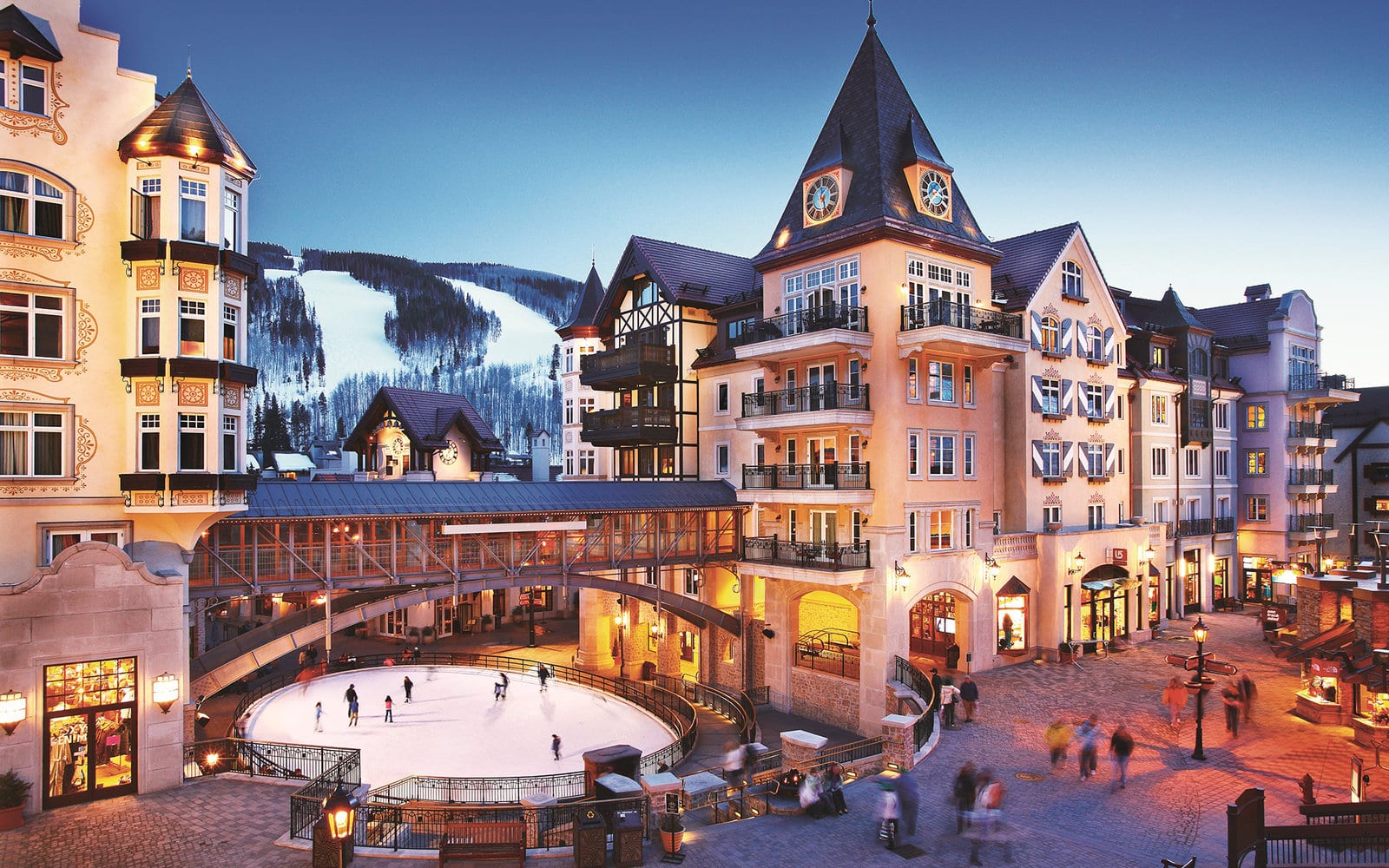
The ecosystem around Vail is rich and diverse. Ponderosa pines, aspen groves, and subalpine firs blanket the lower slopes, giving way to alpine tundra at higher elevations. This environment supports a variety of wildlife, including elk, mule deer, bighorn sheep, and numerous bird species. Visitors are often encouraged to observe wildlife from a safe distance, respecting their natural habitat. The commitment to preserving this natural environment is evident throughout Vail, from its town planning to its emphasis on sustainable tourism practices. The clean air, pristine waters, and abundant wildlife are not just amenities; they are fundamental to the identity and appeal of Vail, Colorado.
In essence, Vail, Colorado is strategically positioned within a landscape of exceptional natural grandeur. Its location in the Eagle County, nestled in the Gore Range of the Rocky Mountains, at the foot of Vail Mountain, and accessible via I-70, makes it a coveted destination. Whether one arrives by air into Eagle County Regional Airport or Denver International Airport, or by car along the scenic I-70, the journey itself heralds the magnificent mountain experience that awaits. The surrounding natural wonders, from the ski slopes of Vail Mountain to the wilder expanses of the Gore Range and beyond, solidify Vail‘s reputation as a premier destination for adventure, relaxation, and immersion in the unparalleled beauty of the Colorado Rockies.
LifeOutOfTheBox is a participant in the Amazon Services LLC Associates Program, an affiliate advertising program designed to provide a means for sites to earn advertising fees by advertising and linking to Amazon.com. Amazon, the Amazon logo, AmazonSupply, and the AmazonSupply logo are trademarks of Amazon.com, Inc. or its affiliates. As an Amazon Associate we earn affiliate commissions from qualifying purchases.