
Colorado, a state renowned for its breathtaking landscapes, vibrant culture, and a spirit of exploration, offers a diverse array of experiences. While many are drawn to the majestic Rocky Mountains for skiing and hiking, or the artistic allure of Denver, the Centennial State also holds a unique appeal for those seeking to explore the world of fungi. Whether you’re a culinary enthusiast, an amateur mycologist, or simply curious about the diverse edible and medicinal offerings of the natural world, Colorado presents a fascinating landscape for discovering and purchasing mushrooms. This guide aims to illuminate the various avenues available for acquiring high-quality mushrooms within the state, catering to different interests and needs.
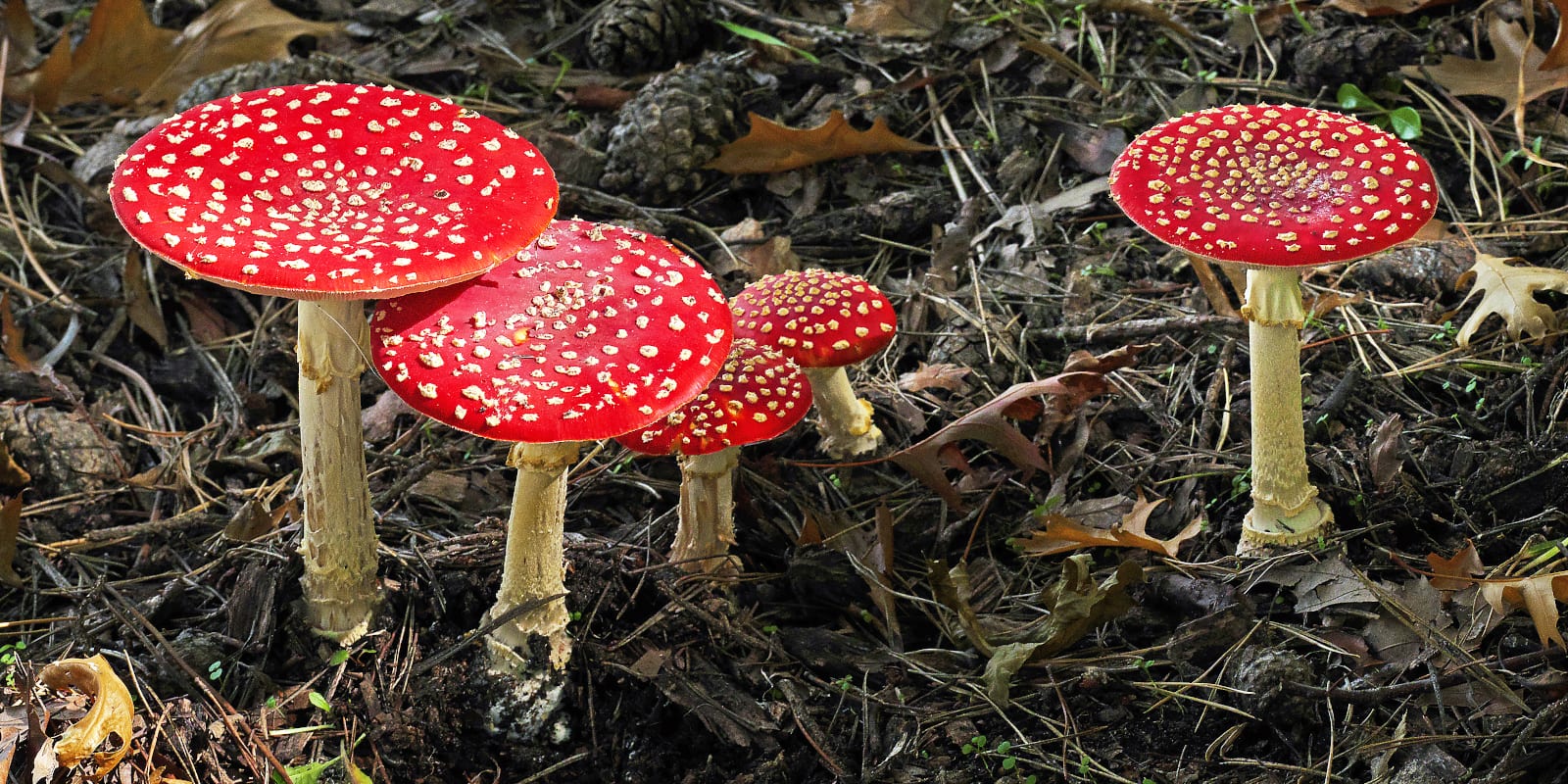
Exploring Colorado’s Fungal Bounty
Colorado is blessed with an environment that supports a surprising variety of mushroom species, both wild and cultivated. The state’s varied altitudes, from the semi-arid plains to the alpine regions, create distinct ecosystems, each potentially yielding different fungal treasures. Understanding these nuances is key to appreciating the local mushroom scene.
Wild Foraging: The Thrill of the Hunt
For the adventurous and knowledgeable, wild mushroom foraging in Colorado can be an incredibly rewarding pursuit. However, it’s a practice that demands respect, caution, and a deep understanding of mycology. The state boasts several areas conducive to finding edible wild mushrooms, particularly during the wetter seasons.
Key Considerations for Wild Foraging:
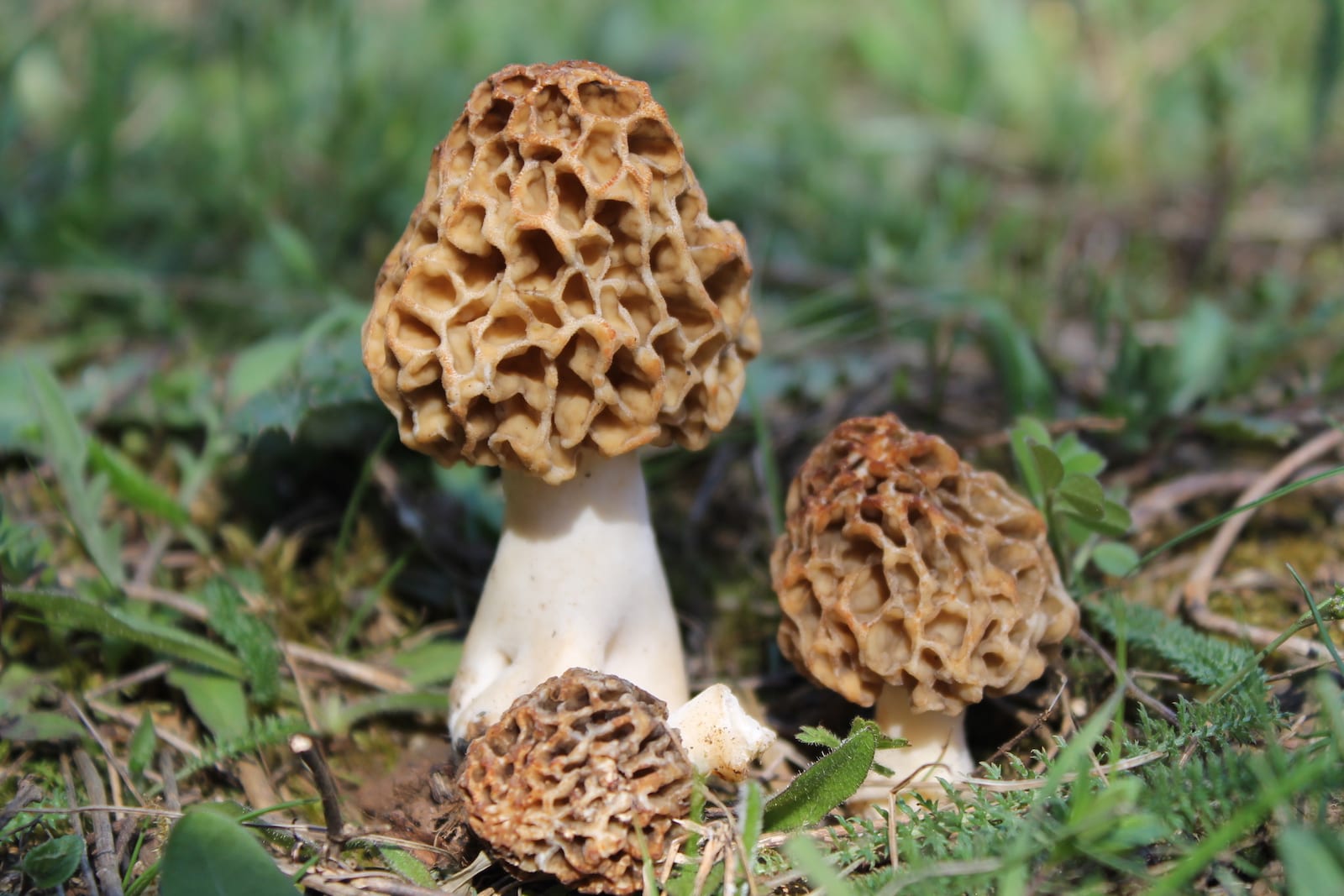
- Seasonality: The prime foraging seasons typically run from late spring through fall, with specific windows dependent on rainfall and temperature. Morels, for instance, often appear in the spring, while various boletes and chanterelles can be found later in the summer and autumn.
- Habitat: Different mushroom species thrive in specific environments. For example, morels might be found near cottonwood trees or in disturbed areas, while porcini mushrooms often associate with conifer forests.
- Identification is Paramount: This cannot be stressed enough. Misidentification of wild mushrooms can lead to severe illness or even death. It is absolutely crucial to learn to identify edible species with 100% certainty. Never consume a mushroom unless you are absolutely sure of its identification.
- Local Regulations: Be aware of any regulations regarding mushroom foraging on public lands. Some areas may have restrictions or require permits.
- Sustainable Harvesting: Always practice sustainable harvesting. Take only what you need, leave plenty behind for reproduction and for wildlife, and avoid damaging the mycelial network.
Where to Learn About Wild Mushrooms:
For those interested in embarking on the journey of wild mushroom foraging, education is the first and most vital step. Colorado offers resources for learning about local fungi.
- Mycological Societies: Organizations like the Denver Mycological Society are invaluable resources. They often host foraged mushroom displays, identification workshops, and guided forays led by experienced mycologists. These are excellent opportunities to learn from experts and connect with a community of mushroom enthusiasts.
- Field Guides: Investing in a comprehensive field guide specific to Rocky Mountain fungi is essential. Look for guides that detail the characteristics, habitat, and look-alikes of various species found in Colorado.
- Workshops and Classes: Keep an eye out for workshops offered by local nature centers, botanical gardens, or agricultural extensions. These can provide hands-on learning experiences.
Important Note: While wild foraging can be a source of mushrooms, for many, especially beginners, it’s more about the learning experience than a primary source of supply. For consistent access to edible and safe mushrooms, other methods are generally recommended.
Cultivated Mushrooms: Consistency and Variety
For a reliable and diverse supply of mushrooms, cultivated options are the way to go. Colorado has a growing number of farms and suppliers dedicated to growing a wide array of delicious and nutritious fungi. These sources offer a predictable supply of familiar favorites and exciting gourmet varieties.
Local Mushroom Farms and Producers:
Several dedicated farms across Colorado are cultivating mushrooms for both wholesale and retail markets. These operations often prioritize quality, freshness, and sustainable growing practices.
- Farm-to-Table Operations: Many of these farms partner with local restaurants, farmers’ markets, and directly with consumers. Purchasing from them ensures you are getting the freshest possible product, often harvested just days before you buy it.
- Variety: Beyond the common button mushrooms, expect to find a delightful range of gourmet varieties such as shiitake, oyster (including pearl, pink, and blue oyster), lion’s mane, maitake (hen of the woods), and king oyster mushrooms. Some may also specialize in more exotic or medicinal varieties.
- Online Presence: Many local farms have websites where you can learn about their growing practices, view their product offerings, and find out where to purchase their mushrooms. This might include direct online ordering, delivery options, or pick-up locations.
Farmers’ Markets: A Direct Connection
Colorado‘s vibrant farmers’ market scene is an excellent place to connect directly with local mushroom cultivators. From bustling urban markets in Denver and Boulder to smaller community gatherings in towns like Aspen or Fort Collins, you’ll often find dedicated mushroom vendors.
- Freshness: Mushrooms sold at farmers’ markets are typically harvested very recently, ensuring peak freshness and flavor.
- Expert Advice: Vendors at these markets are often the growers themselves and can provide valuable insights into the best ways to prepare and cook their mushrooms, as well as information about their cultivation methods.
- Seasonal Offerings: While cultivated mushrooms are available year-round, farmers’ markets may showcase seasonal specialties or limited runs of unique varieties.
Specialty Food Stores and Grocers
Beyond dedicated farms and farmers’ markets, you’ll find a good selection of mushrooms at various retail establishments throughout Colorado.
- Whole Foods Market and Natural Grocers: These national chains, with numerous locations across Colorado, are known for their commitment to offering high-quality produce, including a wide selection of cultivated mushrooms. You can typically find standard varieties like cremini, button, and portobello, as well as a rotating selection of gourmet and organic mushrooms.
- Local Co-ops and Independent Grocers: Many local cooperatives and independent grocery stores across Colorado prioritize sourcing from local producers. Checking the produce section of these stores can often lead to discovering locally grown mushrooms.
- Gourmet and Specialty Shops: In larger cities and tourist destinations, you might find specialty food stores that focus on artisanal products. These establishments may carry a more curated selection of exotic and high-end mushrooms, sometimes including specialty dried or powdered varieties.
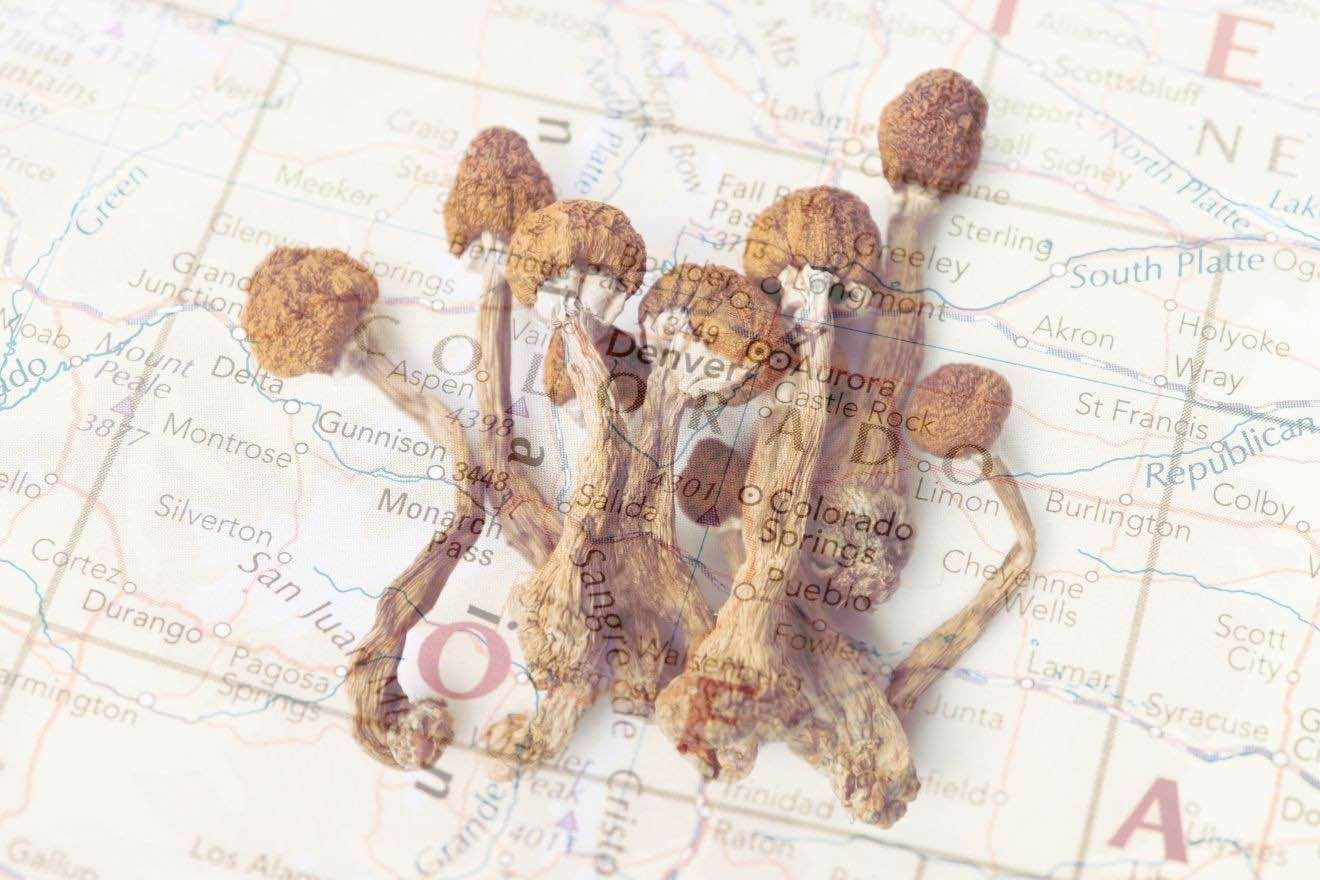
Beyond the Kitchen: Medicinal and Psychedelic Mushrooms
The conversation around mushrooms in Colorado can extend beyond culinary uses to include their medicinal and, in some contexts, psychedelic properties. It’s important to approach these topics with awareness of legalities and safety.
Medicinal Mushrooms: Wellness Through Fungi
Medicinal mushrooms have been used for centuries in traditional medicine, particularly in Asian cultures, for their purported health benefits. These fungi are often consumed in dried, powdered, or extract form.
- Common Medicinal Varieties: Popular choices include Reishi, Lion’s Mane, Turkey Tail, Chaga, and Cordyceps. These are valued for their potential immune-boosting, cognitive-enhancing, and adaptogenic properties.
- Sources for Medicinal Mushrooms:
- Health Food Stores and Wellness Centers: Many health-focused retailers in Colorado will carry a selection of medicinal mushroom supplements, tinctures, and powders.
- Online Retailers: Numerous online companies specialize in medicinal mushroom products, often shipping directly to Colorado. When purchasing online, look for reputable brands that provide third-party lab testing to ensure purity and potency.
- Local Herbalists and Supplement Shops: Some local practitioners and stores focused on natural health may offer medicinal mushroom products.
Legal Disclaimer: While medicinal mushrooms are legal to possess and consume in their non-psychoactive forms, it’s always advisable to consult with a healthcare professional before incorporating them into your wellness routine, especially if you have pre-existing health conditions or are taking medications.
Psychedelic Mushrooms: Navigating Legalities and Access
In recent years, there has been growing interest and conversation surrounding the therapeutic potential of psychedelic mushrooms, particularly those containing psilocybin. Colorado has seen significant developments in this area.
- Denver’s Decriminalization: In 2019, Denver became the first city in the United States to decriminalize the personal use and possession of psilocybin mushrooms. This means that local law enforcement’s focus is on lower priorities for these substances.
- State-Level Decriminalization and Regulation: In November 2022, Colorado voters approved Proposition 122, which decriminalized the personal use and possession of psilocybin and psilocin for adults aged 21 and older. It also established a framework for regulated therapeutic access to psilocybin services, which is expected to be implemented in phases, with therapeutic centers likely to open in late 2024 or 2025.
- Accessing Psilocybin in Colorado:
- Personal Cultivation: Under current decriminalization laws, adults 21 and over can legally grow psilocybin mushrooms for personal use and share them with other adults.
- Therapeutic Centers: Once licensed therapeutic centers are operational, individuals will be able to access psilocybin-assisted therapy in supervised settings. This will be a regulated and guided experience.
- Illicit Markets: Outside of the legal framework, the market for psilocybin mushrooms remains underground, carrying inherent risks.
Crucial Considerations for Psychedelic Mushrooms:
- Safety and Set/Setting: If choosing to explore psilocybin, prioritizing safety, mental preparedness (set), and environment (setting) is paramount.
- Information and Resources: For those interested in learning more about psilocybin therapy or harm reduction, reputable organizations and educational resources are available online.
- Legal Landscape: The legal framework surrounding psilocybin is evolving. It’s essential to stay informed about the latest laws and regulations in Colorado.
Planning Your Mushroom Acquisition in Colorado
Whether you’re looking for gourmet ingredients to elevate your next meal, supplements to support your well-being, or seeking to understand the evolving landscape of psychedelic mushrooms, Colorado offers a range of options.
Culinary Mushroom Purchases: From Farmers’ Markets to Online Orders
For the home chef or food enthusiast, acquiring fresh, high-quality culinary mushrooms is straightforward.
- Farmers’ Markets: This is often the best route for peak freshness and supporting local agriculture. Visit your local market and look for mushroom vendors.
- Specialty Grocers & Co-ops: These stores offer a convenient way to purchase a variety of cultivated mushrooms, often with a focus on local sourcing.
- Direct from Farms: Explore the websites of Colorado-based mushroom farms. Many offer direct-to-consumer sales, either through online ordering with delivery or designated pick-up points. This is an excellent way to get exceptionally fresh mushrooms.
- Online Marketplaces: While not as common for extremely perishable fresh mushrooms, some online platforms might connect consumers with specialized Colorado growers, especially for more niche or dried varieties.
Medicinal Mushroom Purchases: Wellness Focus
For medicinal mushroom products, the emphasis shifts towards quality of extraction and reputable sourcing.
- Health Food Stores: A reliable source for packaged tinctures, powders, and capsules.
- Online Retailers: A vast selection is available online. Prioritize companies that provide transparent sourcing information and third-party testing.
- Local Wellness Practitioners: Consult with local herbalists or naturopaths who may carry or recommend specific medicinal mushroom products.
Navigating Psychedelic Mushroom Access
Given the recent legal changes in Colorado, accessing psilocybin mushrooms has a distinct pathway for adults.
- Personal Cultivation: For individuals over 21, growing mushrooms at home is now legal. Resources for learning cultivation techniques can be found online and through educational communities.
- Sharing: Adults can legally share psilocybin mushrooms with other adults.
- Regulated Therapeutic Access: As of late 2024/2025, licensed service centers will offer psilocybin-assisted therapy. This will be the safest and most guided way to experience psilocybin for therapeutic purposes.
Final Thoughts:
Colorado is a state that embraces innovation and natural exploration. From its towering peaks to its diverse ecosystems, it offers unique opportunities for discovery. When it comes to mushrooms, this applies whether you’re seeking them for their culinary delights, their health benefits, or their therapeutic potential. By understanding the available avenues, prioritizing safety and legality, and engaging with local resources, you can confidently and responsibly explore the fascinating world of mushrooms in the Centennial State.
LifeOutOfTheBox is a participant in the Amazon Services LLC Associates Program, an affiliate advertising program designed to provide a means for sites to earn advertising fees by advertising and linking to Amazon.com. Amazon, the Amazon logo, AmazonSupply, and the AmazonSupply logo are trademarks of Amazon.com, Inc. or its affiliates. As an Amazon Associate we earn affiliate commissions from qualifying purchases.