
Absolutely! Alaska stands as one of the world’s premier destinations for witnessing the ethereal dance of the Northern Lights, also known as the Aurora Borealis. This vast, wild, and incredibly scenic state, with its expansive dark skies and high latitude, offers unparalleled opportunities to experience this celestial phenomenon. For any traveler dreaming of seeing the sky ablaze with vibrant hues, Alaska isn’t just a possibility; it’s a certainty, provided you plan your trip strategically.
As a top-tier travel destination, Alaska combines the thrilling quest for the aurora with a wealth of unique experiences, from rugged wilderness adventures to cozy, luxurious stays. Whether you’re an avid photographer, a nature enthusiast, or simply seeking a once-in-a-lifetime spectacle, Alaska delivers. This guide delves into everything you need to know about chasing the Aurora Borealis in the Last Frontier, covering optimal viewing times, prime locations, essential planning tips, and fantastic accommodation options to enhance your unforgettable journey.
The Science Behind the Aurora Borealis and Optimal Viewing Conditions
The Aurora Borealis is a natural light display in the Earth’s sky, predominantly seen in high-latitude regions. It’s caused by disturbances in the magnetosphere caused by solar wind. These disturbances are sometimes strong enough to alter the trajectories of charged particles (electrons and protons) in both solar wind and the magnetospheric plasma. These particles, primarily electrons, precipitate into the upper atmosphere (thermosphere/exosphere). Upon impact with atmospheric gases, such as oxygen and nitrogen, they excite the atoms and molecules, causing them to emit light. The color of the light depends on the type of gas atoms and the altitude at which the collision occurs. Green, the most common auroral color, is produced by oxygen molecules at lower altitudes, while red is from oxygen at higher altitudes. Nitrogen produces blue or purple auroras.
Understanding this science is key to increasing your chances of a spectacular sighting. While the phenomenon is constant, several factors influence its visibility from the ground.
When is the Best Time to See the Aurora Borealis in Alaska?
To maximize your chances of witnessing the aurora, three primary conditions must align: darkness, clear skies, and strong solar activity.
- Darkness: The aurora is visible only against a truly dark sky. This means avoiding the summer months in Alaska, where extended daylight hours (the “Land of the Midnight Sun”) make viewing impossible. The optimal window for aurora hunting typically runs from late August to late April. Within this period, the darkest months are September through March, offering the longest nights for potential viewing.
- Clear Skies: Clouds are the aurora hunter’s nemesis, completely obscuring the display. While weather in Alaska can be unpredictable, winter generally brings clearer, colder skies to interior regions. Checking weather forecasts and aurora forecasts (which predict solar activity) daily is crucial for planning your nightly excursions. Websites and apps dedicated to aurora forecasting (e.g., University of Alaska Fairbanks Geophysical Institute, Space Weather Prediction Center) provide valuable Kp-index readings, indicating the strength of geomagnetic activity. A Kp-index of 3 or higher generally suggests good visibility at Alaska’s latitudes.
- Solar Activity: While you can’t control the sun, understanding its cycle helps. The sun operates on an 11-year cycle of activity, reaching a solar maximum approximately every 11 years. During solar maximums, solar flares and coronal mass ejections (CMEs) are more frequent, leading to stronger and more frequent aurora displays. The current solar cycle is predicted to peak around 2024-2025, suggesting excellent viewing opportunities in the immediate future.
For an optimal experience, consider traveling between late September and early October or February and March. These shoulder seasons often balance good aurora visibility with slightly milder temperatures and less extreme winter conditions than the heart of January.
Prime Locations for Aurora Viewing in Alaska
While Alaska’s vastness means many spots offer potential sightings, some locations stand out due to their latitude, remoteness, and infrastructure catering to aurora chasers. These destinations are chosen for their consistent dark skies, minimal light pollution, and accessibility.
Fairbanks – The Aurora Capital of Alaska
Without a doubt, Fairbanks is recognized globally as the best place in Alaska and one of the top spots worldwide for aurora viewing. Located just a few degrees south of the Arctic Circle, Fairbanks lies directly beneath the “auroral oval,” a band around the magnetic pole where aurora activity is most concentrated. This strategic position, combined with its relatively dry climate (leading to clearer skies) and well-developed tourism infrastructure, makes it an ideal base.
In Fairbanks, you have an excellent chance of seeing the aurora on at least 80% of clear nights during the peak season. The city offers a range of aurora-specific tours and experiences. You can join guided bus tours that take you away from city lights, seek out remote cabins or lodges, or even relax at a dedicated aurora viewing facility with warm shelters and hot drinks. Many hotels in Fairbanks also offer “aurora wake-up calls,” notifying guests when the lights appear.
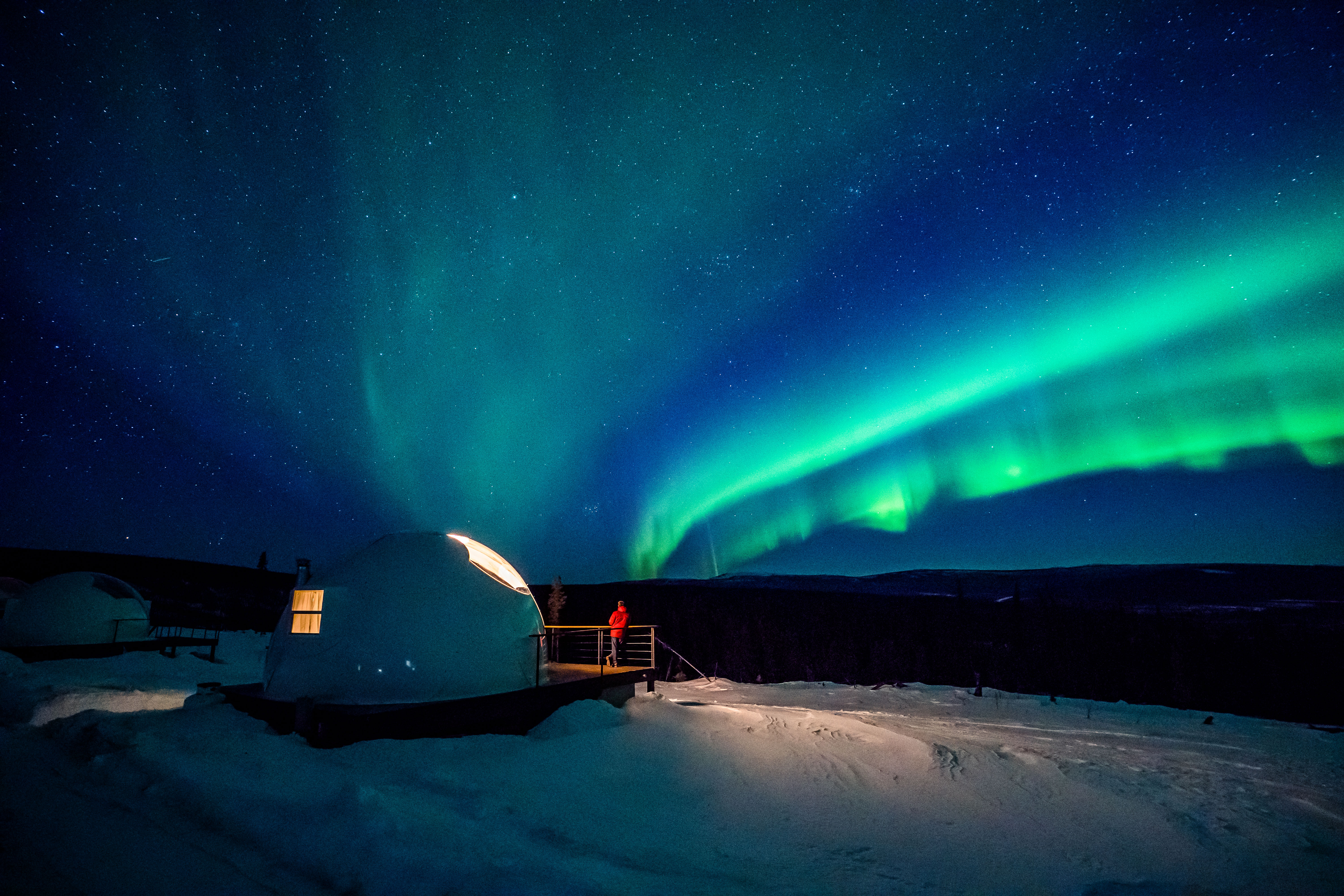
One of the most popular destinations near Fairbanks is Chena Hot Springs Resort, about an hour’s drive east. Here, you can soak in mineral-rich hot springs under the stars, with the potential of seeing the aurora overhead—a truly magical experience. The resort also offers an Aurora Ice Museum and various winter activities. Another unique option is Borealis Basecamp, offering transparent “igloos” for aurora viewing directly from your warm bed, providing an immersive and luxurious experience.
Beyond Fairbanks: Other Stellar Spots
While Fairbanks is king, other Alaskan locations offer distinct aurora viewing experiences:
- Anchorage: As Alaska’s largest city, Anchorage has significant light pollution, making aurora viewing directly from downtown challenging. However, by driving just 30 minutes to an hour outside the city, to places like Glen Alps at the foot of the Chugach Mountains or along the Seward Highway towards Girdwood, you can find darker skies. It’s not as consistent as Fairbanks, but a strong Kp-index can still yield impressive shows.
- Denali National Park: During the winter months, when the park road is largely closed to vehicle traffic, Denali National Park offers incredibly dark skies. While lodging options are limited in winter, the sheer remoteness and pristine wilderness make it a breathtaking backdrop for the aurora. You’d typically need to stay in nearby Healy or Cantwell and drive into the park for viewing.
- Coldfoot: Located north of the Arctic Circle along the infamous Dalton Highway, Coldfoot offers an extreme, adventurous aurora experience. It’s truly remote, with minimal light pollution and a high probability of sightings due to its far northern latitude. Accommodation is basic at Coldfoot Camp, but the reward is an untamed Arctic aurora chase.
- Utqiagvik (formerly Barrow): The northernmost city in the United States, Utqiagvik, experiences polar night for several weeks in winter, offering endless darkness for aurora viewing. However, reaching it is a challenge (flights only), and facilities are limited. This is for the most intrepid travelers seeking an authentic Arctic experience.
- Talkeetna: A charming, quirky town offering stunning views of Denali on clear days. While not as far north as Fairbanks, its relatively dark skies away from major cities make it a good option, especially if combining aurora viewing with flightseeing tours of the mountains.
- Girdwood: Home to Alyeska Resort, a popular ski destination, Girdwood is an hour south of Anchorage. While Alyeska itself has some light, venturing slightly out of town can provide good viewing opportunities, particularly after a day of skiing or snowboarding.
Planning Your Alaskan Aurora Adventure
A successful aurora trip to Alaska requires careful planning, especially regarding accommodation, gear, and tour choices. The goal is to maximize your comfort and chances of seeing the lights while enjoying all that winter Alaska has to offer.
Choosing the Right Accommodation
Your choice of accommodation can significantly impact your aurora hunting experience. Options range from traditional hotels to specialized aurora lodges designed for optimal viewing.
- Hotels in Cities: In cities like Fairbanks or Anchorage, you’ll find a range of hotels, from budget-friendly to luxury. Many in Fairbanks cater specifically to aurora tourists, offering amenities like wake-up calls. These are convenient for accessing restaurants and other city attractions but require driving out of town for the best viewing.
- Aurora Lodges and Resorts: For a more dedicated experience, consider aurora lodges or resorts located away from city lights. Chena Hot Springs Resort is a prime example, offering on-site viewing. Borealis Basecamp offers unique dome accommodations with clear ceilings for direct aurora viewing. These options often provide guided tours, warm shelters, and other services geared towards aurora watchers. They typically offer packages that include meals and activities.
- Cabins and Vacation Rentals: For those seeking privacy and a more self-sufficient experience, renting a cabin or vacation home outside of town can be ideal. Sites like North Pole (a small town near Fairbanks) offer charming options, giving you the flexibility to watch the lights from your porch or backyard.
When booking, especially during peak aurora season (September-March), secure your accommodation well in advance, as popular spots fill up quickly.
Essential Gear and Tips for Viewing
Preparing for Alaskan winter conditions and aurora photography is vital.
- Warm Clothing: Temperatures can plummet well below freezing. Layering is key: thermal base layers, fleece mid-layers, and a waterproof/windproof outer shell. Don’t forget insulated boots, wool socks, hats, gloves (mittens are warmer), and hand/foot warmers. You’ll be standing outdoors for extended periods.
- Photography Equipment: A DSLR or mirrorless camera with manual settings, a wide-angle lens (f/2.8 or faster), a sturdy tripod, and extra batteries (cold drains batteries quickly) are essential for capturing the aurora. Learn basic night photography settings before you go (e.g., high ISO, long exposure).
- Patience and Persistence: The aurora is elusive. It might appear for a few minutes, disappear, and reappear hours later. Be prepared for late nights and potentially multiple nights of waiting. The longer you stay, the higher your chances.
- Aurora Forecasts: Regularly check aurora forecasts (Kp-index) and local weather conditions. A high Kp-index and clear skies are your best indicators.
- Dark Adaptation: Avoid looking at bright lights, including your phone screen, when out aurora hunting. Use a headlamp with a red-light setting to preserve your night vision.
- Hot Drinks: A thermos of coffee, tea, or hot chocolate can be a lifesaver during long, cold nights of waiting.
Guided Tours and Experiences
Joining a guided tour can significantly enhance your aurora experience, especially for first-timers.
- Bus Tours: Many operators in Fairbanks offer comfortable bus tours to remote viewing locations. These often include heated shelters, hot beverages, and experienced guides who can share local lore and photography tips.
- Dog Sledding and Snowmobiling Tours: Combine aurora viewing with an iconic Alaskan winter activity. Imagine gliding through a snow-covered landscape on a dog sled or snowmobile, stopping to watch the lights dance overhead.
- Flightseeing Tours: For a truly unique perspective, some companies offer flightseeing tours that take you above the clouds for a guaranteed unobstructed view of the aurora. These are often pricier but offer an unforgettable experience.
- Ice Fishing and Other Winter Activities: Some tours combine aurora viewing with daytime activities like ice fishing, snowshoeing, or even visiting Santa’s house in North Pole.
What Else to Do While in Alaska (Beyond the Lights)
While the Northern Lights are undoubtedly the main draw, Alaska in winter offers a rich tapestry of activities, ensuring your trip is fulfilling even when the aurora is shy. Incorporating other experiences into your itinerary transforms your aurora hunt into a comprehensive Alaskan adventure, embracing local culture, unique landscapes, and exciting lifestyle choices.
Daytime Activities in Winter
Don’t let the short winter daylight hours deter you; Alaska comes alive with unique charm and activities when blanketed in snow.
- Winter Sports: Hit the slopes at world-class ski resorts like Alyeska Resort in Girdwood, offering stunning views and excellent powder. Cross-country skiing and snowshoeing trails are abundant throughout the state, from city parks to vast wilderness areas. Snowmobiling (or “snowmachining” as locals call it) is another thrilling way to explore the frozen landscape.
- Dog Sledding: Experience the official state sport of Alaska by taking a dog sled ride. Many kennels offer tours, from short introductory runs to multi-day wilderness expeditions, providing insight into this integral part of Alaskan heritage.
- Ice Sculpting and Winter Festivals: If you visit in late winter or early spring, you might catch a spectacular ice sculpting competition, such as the World Ice Art Championships in Fairbanks. These events showcase incredible artistry and create a magical atmosphere.
- Hot Springs: A soak in natural hot springs, like those at Chena Hot Springs Resort, is the perfect way to warm up after a chilly day and relax while awaiting the aurora.
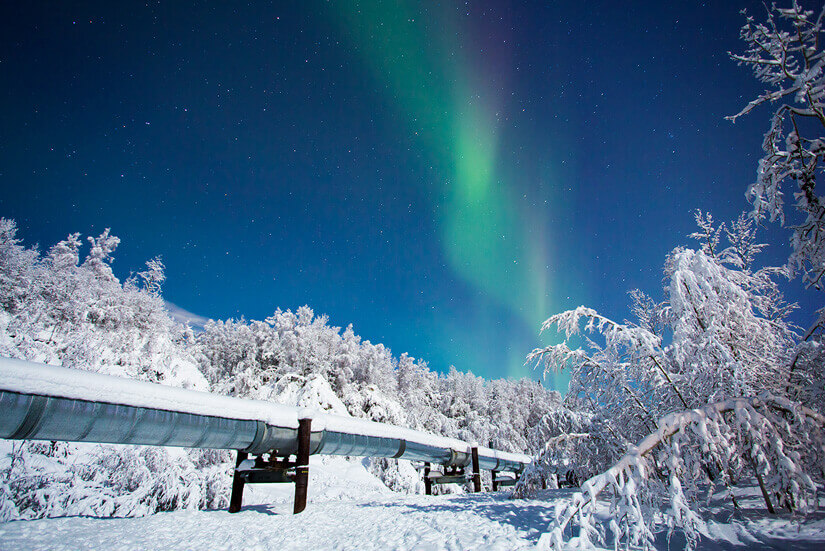
- Cultural and Educational Experiences: Explore local history and indigenous cultures. In Fairbanks, the University of Alaska Museum of the North offers fascinating exhibits on Alaskan natural history, art, and diverse cultures. Learn about the Dalton Highway and the Alaska Pipeline at interpretive centers along the George Parks Highway or near Fairbanks.
- Wildlife Viewing: Winter offers unique opportunities to spot Alaskan wildlife against a snowy backdrop, including moose, caribou, and perhaps even wolves or lynx.
Experiencing Alaskan Hospitality and Cuisine
Alaska also boasts a distinctive culinary scene and a welcoming local culture.
- Local Food: Savor fresh Alaskan seafood, especially salmon, halibut, and king crab, which are available year-round in various preparations. Don’t miss out on local specialties like reindeer sausage, elk burgers, or warming sourdough pancakes. Many restaurants embrace the “farm-to-table” (or “trapper-to-table”) ethos.
- Breweries and Distilleries: Alaska’s craft beer and spirits scene is thriving. Warm up with a local brew or a unique spirit distilled from Alaskan ingredients.
- Cozy Cafes and Pubs: After a day of exploring or a night of aurora hunting, retreat to a cozy cafe or a lively local pub. These establishments often serve as community hubs, offering a chance to mingle with locals and hear captivating stories of Alaskan life.
- Unique Shopping: Find one-of-a-kind souvenirs, from Native Alaskan crafts and art to locally made gourmet foods.
Embracing these daytime activities and cultural experiences ensures that your trip to Alaska is rich and rewarding, whether the aurora decides to make a grand appearance or not. It’s a journey into a truly unique part of the world, where adventure and natural beauty converge.
Conclusion
Yes, you can absolutely see the Northern Lights in Alaska, and it promises to be one of the most magnificent spectacles of your life. With its prime location directly under the auroral oval, vast expanses of dark sky, and excellent infrastructure in places like Fairbanks, Alaska offers unparalleled opportunities for aurora viewing.
Planning your visit during the dark, clear months between late August and April, particularly from September through March, will significantly increase your chances. Choosing a base in or around Fairbanks or opting for a remote aurora lodge will position you perfectly for success. Remember to pack appropriate warm clothing, understand the basics of aurora photography, and arm yourself with patience.
Beyond the magical sky show, Alaska in winter is a wonderland of its own. From thrilling dog sled rides and invigorating winter sports to relaxing soaks in natural hot springs and immersive cultural experiences, there’s a wealth of adventure awaiting every traveler. Whether you’re seeking a luxurious resort stay, a rustic cabin retreat, or a guided tour that handles all the details, Alaska’s diverse accommodation and tourism options cater to every lifestyle and budget.
An Alaskan journey to witness the Aurora Borealis is more than just a trip; it’s an expedition into the heart of natural wonder and an unforgettable immersion into the beauty and resilience of the Last Frontier. Start planning your extraordinary Alaskan aurora adventure today, and prepare to be mesmerized by the lights of the North.
LifeOutOfTheBox is a participant in the Amazon Services LLC Associates Program, an affiliate advertising program designed to provide a means for sites to earn advertising fees by advertising and linking to Amazon.com. Amazon, the Amazon logo, AmazonSupply, and the AmazonSupply logo are trademarks of Amazon.com, Inc. or its affiliates. As an Amazon Associate we earn affiliate commissions from qualifying purchases.