
The majestic peaks of the Rocky Mountains, the vibrant arts scene of Denver, and the thrilling ski slopes of Aspen are just a few of the many reasons why Colorado captures the hearts of travelers and residents alike. Yet, beyond its breathtaking natural beauty and burgeoning urban centers, the state holds a unique moniker that speaks to its foundational history: The Centennial State. This seemingly simple nickname, The Centennial State, hints at a pivotal moment in Colorado’s past, a period of significant growth and a proud declaration of its existence on the national stage.
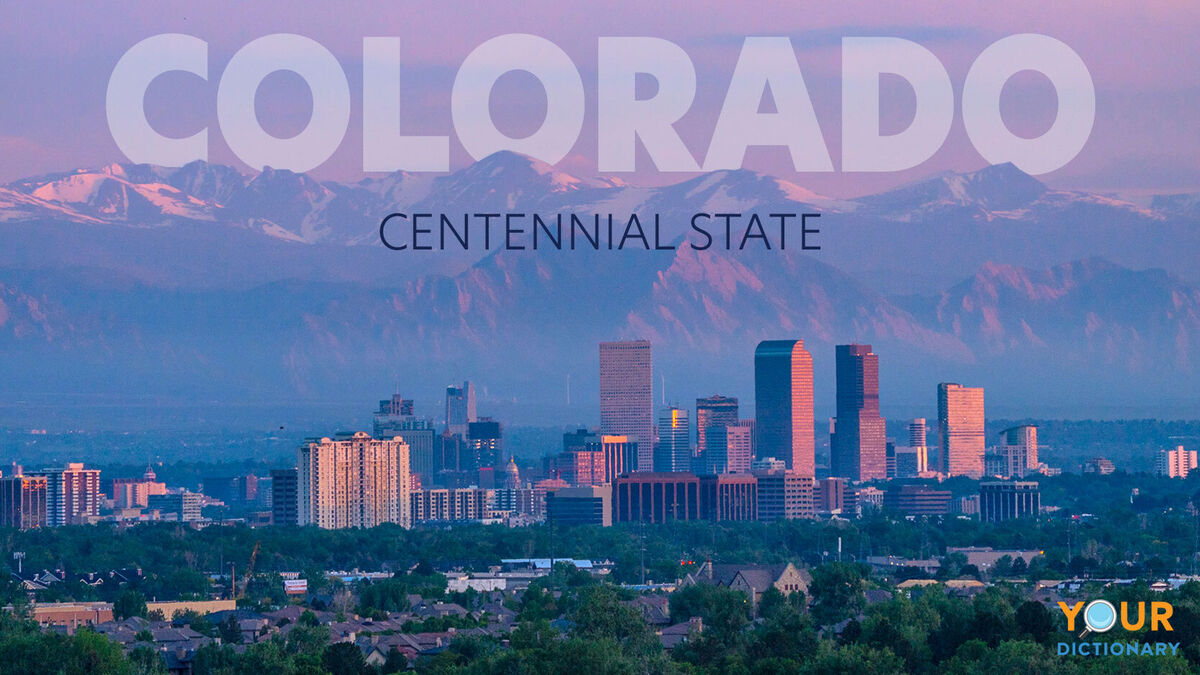
The story behind Colorado’s nickname is deeply intertwined with its admission to the Union. To understand why it’s called The Centennial State, we must journey back to a time of great national celebration and expansion. The nickname isn’t just a poetic descriptor; it’s a direct reference to a historical milestone that forever etched Colorado’s identity into the fabric of American history.
A Landmark Year: The Path to Statehood
The designation of Colorado as The Centennial State is directly linked to the nation’s centennial celebration. In 1876, the United States marked 100 years since the signing of the Declaration of Independence. It was in this very year, a year brimming with patriotic fervor and reflection on a century of nationhood, that Colorado officially became the 38th state.
The Road to the Union
The journey to statehood for Colorado was not an overnight affair. The region that would become Colorado was initially part of Mexican territory and later incorporated into American territories such as Kansas and Nebraska following the Mexican-American War and the Compromise of 1850. However, the discovery of gold in the Pike’s Peak region in 1858 ignited a massive influx of prospectors and settlers, leading to the establishment of numerous mining camps and settlements. This surge in population created a demand for a more organized government and representation.
The moniker “Pike’s Peak or Bust!” became a rallying cry for those seeking fortune in the goldfields, and it underscored the burgeoning desire for self-governance. Early attempts at territorial organization were met with political hurdles and varying degrees of success. The Territory of Colorado was officially established by an act of Congress on February 9, 1861, just weeks before the outbreak of the Civil War. This period was marked by considerable debate and political maneuvering concerning Colorado’s potential statehood.
Throughout the territorial period, leaders advocated for statehood, seeing it as the ultimate recognition of their growing community and economic significance. The Civil War and its aftermath, however, temporarily shifted the nation’s focus. Nevertheless, the push for statehood persisted, fueled by a desire for greater political power and a sense of distinct identity.
By the mid-1870s, Colorado had developed substantially. Its population had grown, its economy was diversifying beyond mining, and its political landscape was maturing. The timing for statehood became increasingly opportune, especially as the nation prepared for its momentous centennial. The desire to join the Union in such a symbolically significant year was palpable.
The Centennial Year: A State is Born
The year 1876 was a watershed moment for Colorado. After years of campaigning and legislative efforts, President Ulysses S. Grant signed the bill admitting Colorado as the 38th state on August 1, 1876. This date is deeply significant because it falls within the United States’ centennial year, the 100th anniversary of its independence.

Celebrating a Nation’s Milestone
The admission of Colorado in 1876 was not just a territorial transition; it was a national event celebrated alongside the country’s own century of existence. Colorado’s statehood became a tangible symbol of the nation’s continued growth and expansion, even as it celebrated its past. The nickname “The Centennial State” emerged organically from this confluence of events, a proud testament to being born into the American family during such a monumental year.
The state’s founders and citizens embraced the nickname, seeing it as a proud declaration of their state’s youth and its integration into the national narrative at a pivotal historical juncture. It served as a constant reminder of their state’s birth during a time of national reflection and renewal. This historical context is crucial to understanding the enduring appeal and significance of the nickname.
The centennial celebrations across America in 1876 were grand affairs, featuring parades, expositions, and patriotic gatherings. Colorado’s admission added a vibrant new chapter to these festivities, showcasing the westward expansion and the ongoing development of the nation. The nickname cemented this connection, making Colorado forever associated with this significant national milestone.
More Than Just a Nickname: What “The Centennial State” Represents
The nickname “The Centennial State” is more than just a historical anecdote; it encapsulates a spirit of progress, resilience, and a deep connection to American ideals. For those who live in or visit Colorado, understanding the origin of its nickname offers a deeper appreciation for its history and character.
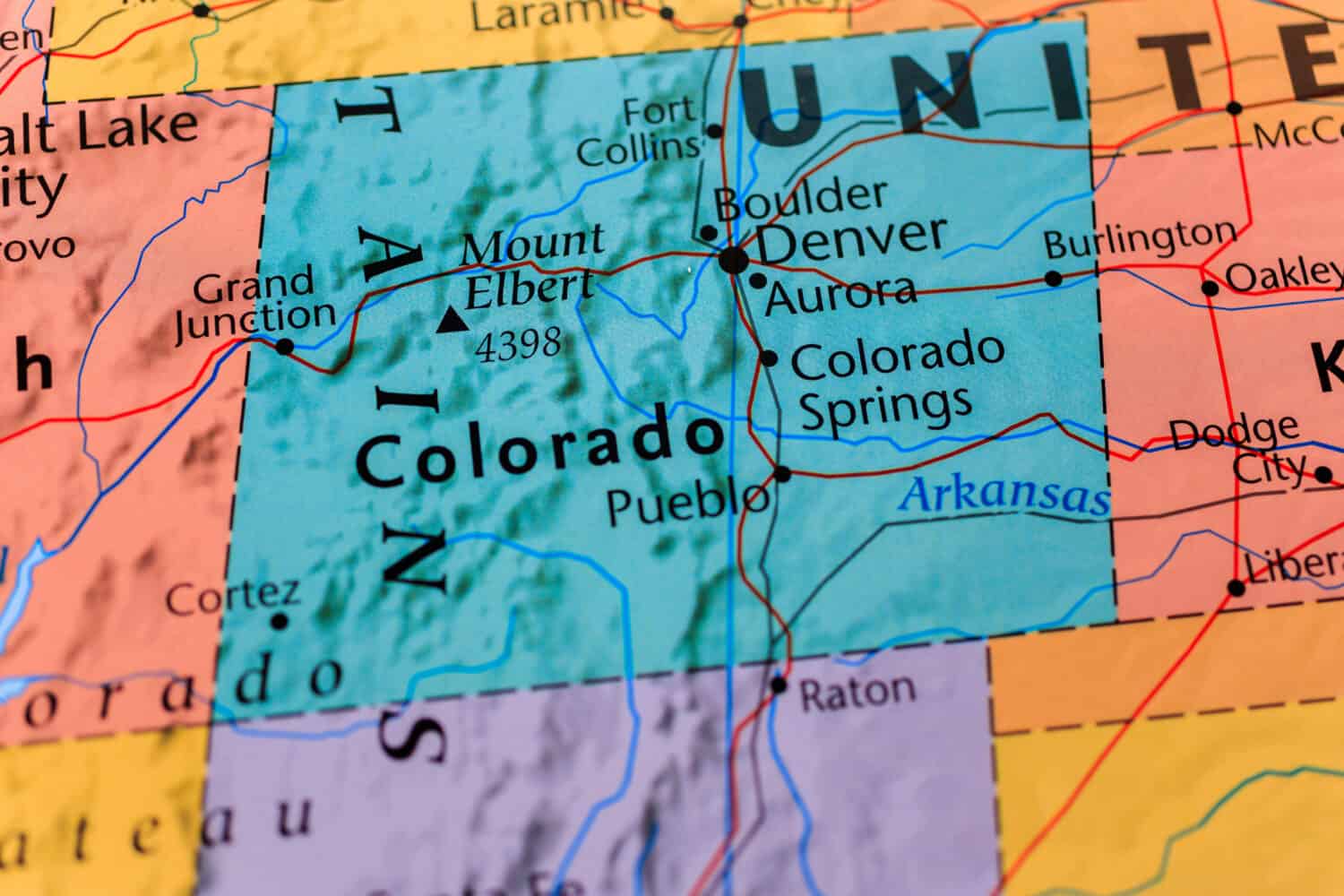
A Legacy of Exploration and Growth
The story of Colorado is one of continuous exploration and growth, mirroring the broader narrative of the United States. From the indigenous peoples who first inhabited these lands to the intrepid explorers, gold prospectors, and modern-day entrepreneurs, the state has always been a place of pioneering spirit. The nickname “The Centennial State” serves as a reminder of this enduring legacy, celebrating both its historical roots and its forward-looking aspirations.
The natural wonders of Colorado—from the iconic Rocky Mountains and the dramatic canyons of Black Canyon of the Gunnison National Park to the serene beauty of Rocky Mountain National Park—have drawn people for centuries. These landscapes not only define the state’s geography but also its character, fostering a love for adventure and the outdoors. Destinations like Garden of the Gods near Colorado Springs showcase the stunning geological formations that have captivated visitors for generations, a testament to the enduring allure of the state’s natural heritage.
The state’s cities, particularly Denver, have also experienced remarkable growth. Denver, the capital city, is a hub of culture, business, and innovation, offering a dynamic urban experience that contrasts with the rugged natural beauty of the surrounding state. From its thriving culinary scene and vibrant arts districts to its numerous museums and historical sites, Denver provides a rich tapestry of experiences for every traveler. Visitors can explore the Denver Art Museum, delve into history at the History Colorado Center, or enjoy the lively atmosphere of the Larimer Square historic district.
The tourism industry in Colorado thrives on this duality of natural splendor and urban vibrancy. Whether you’re seeking a luxurious resort experience in Aspen or a budget-friendly adventure exploring the scenic byways, Colorado offers diverse opportunities. Luxury travelers might opt for world-class accommodations like The Broadmoor in Colorado Springs, renowned for its impeccable service and stunning surroundings. Families can find endless entertainment exploring attractions like Denver Zoo or embarking on scenic drives through the mountains. The state’s commitment to preserving its natural resources, alongside its development of cultural attractions, ensures that Colorado remains a captivating destination.
The concept of “lifestyle” in Colorado is closely tied to its outdoor heritage and a sense of adventure. Whether it’s skiing in the winter months in resorts like Vail or Breckenridge, hiking in the summer, or simply enjoying the clean mountain air, an active and engaged lifestyle is a hallmark of the state. Business travelers often find themselves drawn to the state’s innovative spirit and its appeal as a place to live and work, enjoying the blend of professional opportunities and recreational pursuits. Long-term stays are increasingly popular as people discover the high quality of life that Colorado offers.
The historical landmarks scattered throughout Colorado further enhance its appeal. From the cliff dwellings of Mesa Verde National Park to the historic mining towns like Telluride and Cripple Creek, each site tells a story of the state’s past, its pioneers, and its enduring spirit. These landmarks, often nestled within breathtaking natural landscapes, offer a tangible connection to the history that led to Colorado earning its proud moniker, The Centennial State. The rich tapestry of history, nature, and culture makes Colorado a truly remarkable destination, deserving of its celebrated name.
LifeOutOfTheBox is a participant in the Amazon Services LLC Associates Program, an affiliate advertising program designed to provide a means for sites to earn advertising fees by advertising and linking to Amazon.com. Amazon, the Amazon logo, AmazonSupply, and the AmazonSupply logo are trademarks of Amazon.com, Inc. or its affiliates. As an Amazon Associate we earn affiliate commissions from qualifying purchases.