
The Interstate 25 (I-25) is a vital artery for Colorado, a lifeline connecting the bustling urban centers of Denver and Colorado Springs, and stretching further north to Cheyenne, Wyoming, and south to New Mexico. When this critical highway experiences closures, the impact is immediate and far-reaching, affecting daily commuters, long-haul truckers, and tourists eager to explore the state’s breathtaking landmarks and vibrant attractions. Understanding the reasons behind these closures is crucial for anyone planning a trip or navigating the state of Colorado.
While the exact reason for an I-25 closure can vary, they are typically the result of events that compromise the safety and integrity of the roadway. These can range from the mundane but disruptive to the dramatic and dangerous. For travelers, knowing what to expect and how to stay informed is paramount to minimizing inconvenience and ensuring a safe journey.
Understanding the Causes of I-25 Closures
The Colorado Department of Transportation (CDOT) is the primary agency responsible for maintaining and managing the state‘s roadways, including I-25. CDOT employs a proactive approach to road safety, but unforeseen circumstances can still lead to temporary or extended closures. These causes can be broadly categorized into weather-related incidents, accidents, construction, and special events.
Weather-Related Incidents: The Unpredictable Force
Colorado is renowned for its dramatic and diverse weather patterns. From the towering Rocky Mountains to the eastern plains, the state can experience extreme conditions that necessitate road closures.
Snow and Ice Storms
During the winter months, heavy snowfall and icy conditions are a recurring challenge for I-25. Blizzards can reduce visibility to near zero, making driving perilous. Accumulated snow and ice on the highway can lead to treacherous conditions, increasing the risk of accidents. CDOT crews work diligently to plow and de-ice the highway, but in severe storms, the volume of snow and the ongoing precipitation can overwhelm their efforts, forcing temporary closures for safety. These closures are often implemented segment by segment, focusing on the most affected areas. For example, the stretch of I-25 between Denver and Fort Collins, or the mountainous passes south of Colorado Springs, might be closed while crews work to clear the roads.
Severe Thunderstorms and Hail
While less common as a cause for extended closures, severe thunderstorms can also impact I-25. Flash floods, particularly in low-lying areas or near arroyos, can wash debris onto the highway or even inundate sections of it. Large hail can cause significant damage to vehicles and create hazardous driving conditions, especially if the hail accumulates on the road surface. High winds associated with these storms can also be a concern, particularly for high-profile vehicles.
Mudslides and Rockfalls
In mountainous regions, heavy rains can trigger mudslides and rockfalls that can block I-25. The Palmer Divide, a prominent geological feature between Denver and Colorado Springs, and the areas closer to the Front Range are particularly susceptible. These events can be sudden and dangerous, requiring immediate closure of the affected highway sections to allow for cleanup and assessment of the slope stability.
Accidents and Emergencies: The Human Element
Despite safety measures, accidents are an unfortunate reality of any highway. When they occur on I-25, especially in congested areas or at critical interchanges, they can cause significant traffic disruptions and necessitate closures.
Major Collisions
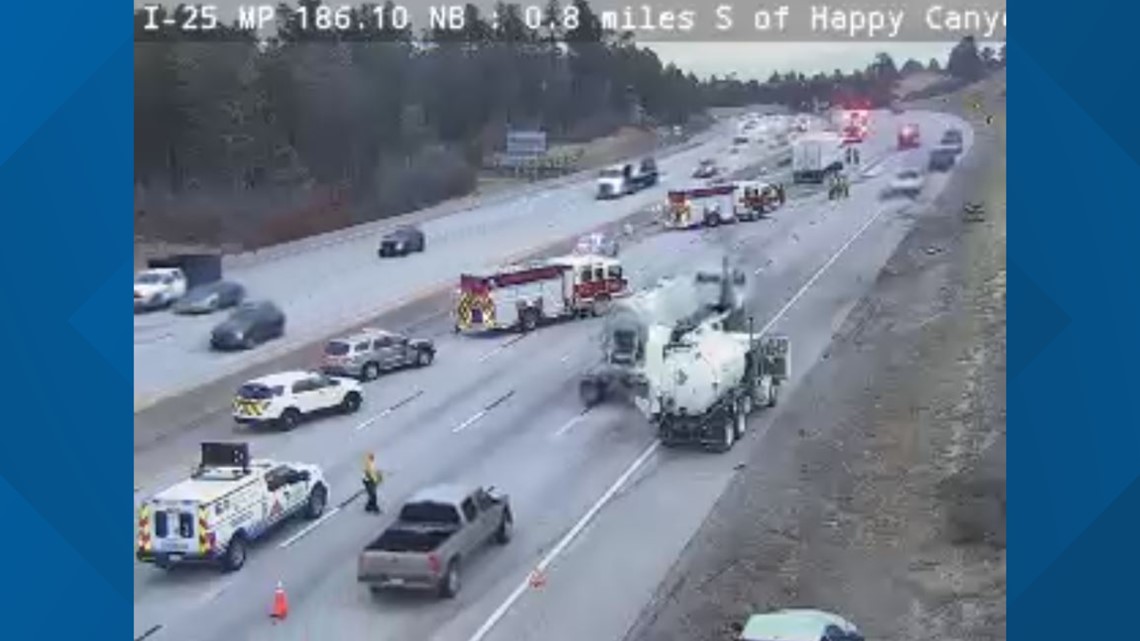
Multi-vehicle accidents, particularly those involving semi-trailer trucks, can lead to extensive damage to the roadway, hazardous materials spills, or lengthy cleanup operations. In such cases, I-25 may be closed for several hours, or even longer, to allow emergency responders to attend to the injured, clear the wreckage, and ensure the road is safe for travel. The complexity of the accident, the number of vehicles involved, and the type of cargo being transported are all factors that determine the duration of the closure. For instance, a chemical spill would require specialized hazmat teams and a more extensive cleanup process.
Vehicle Breakdowns and Disabled Vehicles
While individual vehicle breakdowns might only cause temporary lane closures, a significant number of disabled vehicles in a short span, or a breakdown that obstructs multiple lanes, can also contribute to traffic delays and, in extreme cases, necessitate a temporary closure to allow for safe removal. This is especially true during peak travel times or in areas with limited shoulders.
Emergency Response and Public Safety
Sometimes, I-25 may be closed to facilitate emergency response efforts for events not directly on the highway. This could include fires in nearby areas that pose a risk to the roadway, law enforcement operations, or evacuations that require clear access for emergency vehicles. The safety of the public and first responders is always the top priority.
Construction and Maintenance: Planned Disruptions
To maintain and improve the safety and efficiency of I-25, the Colorado Department of Transportation (CDOT) regularly undertakes construction and maintenance projects. While these are essential for the long-term health of the highway, they can cause significant disruptions.
Paving and Resurfacing Projects
Over time, the surface of I-25 wears down due to constant traffic and weather exposure. Paving and resurfacing projects are crucial for providing a smooth and safe driving experience. These projects often require lane closures or full highway closures during specific hours, especially for overnight work or when large sections of the road are being repaved. CDOT will typically provide advance notice for these planned closures, often through their website and local news outlets.
Bridge Repair and Replacement
I-25 features numerous bridges and overpasses that require regular inspection, repair, and occasional replacement. These complex projects can necessitate lane closures, detours, and sometimes even extended closures of specific sections to allow for construction crews to work safely and efficiently. For example, work on a major interchange like the one connecting I-25 and I-70 in Denver could lead to widespread traffic impacts.
New Construction and Expansion Projects
As Colorado‘s population grows, so does the demand on its infrastructure. CDOT undertakes expansion projects to add lanes, improve interchanges, and enhance overall traffic flow on I-25. These ambitious projects, such as the ongoing expansion efforts in the Denver metropolitan area or improvements around Castle Rock, can lead to long-term lane closures, detours, and traffic pattern changes that commuters must navigate.
Special Events and Public Gatherings
Occasionally, I-25 may be temporarily closed or have restricted access to accommodate special events or public gatherings.
Major Sporting Events or Festivals
While direct closures of I-25 for such events are rare, access to exits or on-ramps in the vicinity of major stadiums or event venues like Empower Field at Mile High in Denver might be temporarily impacted to manage crowd flow and ensure public safety. These closures are usually short-lived and well-advertised.

Public Demonstrations or Protests
In instances of large-scale public demonstrations or protests that impact the highway, law enforcement may implement temporary closures of I-25 to ensure public safety and maintain order. These closures are typically dynamic and responsive to the evolving situation.
Staying Informed and Planning Your Travel
Given the various reasons for I-25 closures, it is essential for travelers to stay informed and have a plan in place to mitigate potential disruptions.
Utilizing Official Resources
The Colorado Department of Transportation (CDOT) is the most reliable source of information regarding I-25 closures.
CDOT Website and Social Media
CDOT maintains an official website that provides real-time traffic information, including road closures, construction delays, and weather alerts. They are also active on social media platforms, where they post updates and advisories. Following CDOT on platforms like X (formerly Twitter) can provide immediate notifications about closures affecting I-25. Travelers can search for specific highways and cities to get tailored information.
Travel Apps and GPS Navigation
Many popular travel apps and GPS navigation systems integrate real-time traffic data, including reported closures. Apps like Google Maps, Waze, and others can alert drivers to unexpected road closures and suggest alternative routes. It is advisable to have one of these applications running when traveling on I-25, especially during periods of potential disruption.
Developing Contingency Plans
When traveling on I-25, it is wise to have contingency plans ready.
Alternative Routes and Detours
Familiarize yourself with potential alternative routes. Depending on the location of the closure, nearby state highways or county roads might serve as viable detours. For instance, if I-25 is closed between Denver and Colorado Springs, travelers might consider using US Highway 85 or State Highway 105 as alternative north-south routes. Always consult updated traffic information before choosing a detour, as these routes can also become congested.
Adjusting Travel Times
If you know a closure is in effect or likely to occur, consider adjusting your travel times. Traveling during off-peak hours can sometimes help avoid the worst of the congestion caused by closures. If a closure is expected to be prolonged, it may be prudent to postpone your trip or seek accommodation if traveling a significant distance.
Seeking Accommodation and Local Information
If you are traveling for leisure and find yourself unexpectedly stranded due to a closure, especially near popular tourist destinations or cities like Fort Collins or Pueblo, consider looking for accommodation. Many hotels and resorts are available in these areas. Local tourism boards or visitor centers can also be valuable resources for information on local activities and alternative ways to experience the region while I-25 is impassable. For those seeking a unique stay, exploring apartments or villas for longer durations might be an option, particularly if the closure impacts a business trip.
Experiencing Colorado Despite Road Closures
Even when I-25 is closed, the spirit of exploration and discovery in Colorado remains undimmed. The state offers a wealth of attractions and experiences that can be enjoyed even with altered travel plans.
Exploring Local Culture and Attractions
Colorado is rich in local culture, from the vibrant arts scene in Denver to the historic mining towns nestled in the mountains. If I-25 is closed, consider exploring these local attractions at a slower pace.
Museums and Historical Sites
Many museums and historical sites are accessible via local roads. For example, instead of directly traveling south on I-25, one could explore the Denver Art Museum or visit the Mesa Verde National Park (though this would require significant detours). The History Colorado Center in Denver offers insights into the state‘s past, which can be a fascinating way to spend time while waiting for road conditions to improve.
Culinary Experiences
Colorado‘s food scene is diverse and exciting. Instead of rushing to a destination, take the opportunity to sample local cuisine in the towns and cities you might be detoured through. From farm-to-table restaurants to breweries and distilleries, there are many culinary adventures to be had. Exploring the food offerings in Boulder or enjoying a meal in a charming mountain town can be a rewarding experience.
Embracing Nature and Outdoor Activities
Colorado is synonymous with the outdoors. When faced with a highway closure, consider embracing the nature that surrounds you.
Hiking and Scenic Drives
Many state parks and national forests are accessible via routes other than I-25. A scenic drive on a state highway can offer breathtaking views of the Colorado landscape. If you find yourself near the Rocky Mountains, even with road closures, shorter hikes or exploring local trails can provide a rejuvenating experience.

Winter Sports and Summer Adventures
Depending on the season, Colorado offers a range of outdoor activities. If I-25 is closed during winter, consider the many ski resorts and snowshoeing opportunities available throughout the state. During the summer, mountain biking, kayaking, or simply enjoying the natural beauty can be excellent alternatives. Many resorts offer packages and experiences that can be enjoyed even if your initial travel plans were disrupted.
In conclusion, while a closure of Interstate 25 can be a significant inconvenience, understanding the underlying causes—whether weather, accidents, construction, or special events—empowers travelers to prepare and adapt. By staying informed through official channels and developing flexible travel plans, you can navigate these challenges and continue to enjoy the diverse travel opportunities that Colorado has to offer, turning a potential setback into an unexpected adventure.
LifeOutOfTheBox is a participant in the Amazon Services LLC Associates Program, an affiliate advertising program designed to provide a means for sites to earn advertising fees by advertising and linking to Amazon.com. Amazon, the Amazon logo, AmazonSupply, and the AmazonSupply logo are trademarks of Amazon.com, Inc. or its affiliates. As an Amazon Associate we earn affiliate commissions from qualifying purchases.