
Navigating the intricacies of car registration in Connecticut can seem like a daunting task, but understanding the process and associated costs is crucial for any resident or newcomer. Whether you’ve just purchased a new vehicle, moved to the state, or are looking to renew your existing registration, knowing what to expect financially is paramount. This comprehensive guide will break down the factors influencing car registration fees in Connecticut, detailing the different components that contribute to the overall cost and offering insights into potential savings and important considerations.
The primary driver behind car registration costs in Connecticut is the vehicle’s weight. The Connecticut Department of Motor Vehicles (DMV) categorizes vehicles based on their gross weight, with heavier vehicles generally incurring higher registration fees. This weight-based system is a common practice across many states, aiming to reflect the potential impact a vehicle has on road infrastructure. Beyond weight, other factors can also play a role, though they are less common and typically apply to specific vehicle types or situations.

Understanding the Core Components of Connecticut Car Registration Fees
The cost of registering a vehicle in Connecticut isn’t a single, flat fee. Instead, it’s a combination of several charges, the most significant being the registration fee itself, which is directly tied to your vehicle’s weight. However, there are other mandatory fees and potential additions that contribute to the final amount you’ll pay at the Connecticut DMV.
Vehicle Weight and its Impact on Registration Fees
The weight of your vehicle is the most substantial factor determining your car registration cost in Connecticut. The Connecticut DMV utilizes a tiered system, where each weight class corresponds to a specific fee. Lighter vehicles, such as compact sedans and smaller SUVs, will fall into lower weight brackets and thus have lower registration fees. Conversely, heavier vehicles, like large trucks, heavy-duty SUVs, and vans, will be in higher weight brackets, resulting in more expensive registrations.
To determine your vehicle’s weight, you’ll typically refer to your vehicle’s owner’s manual or the manufacturer’s specifications. This information is usually listed on a sticker inside the driver’s side doorjamb or on the vehicle’s title. When you go to register your vehicle, the DMV will use this information to assign it to the correct weight class.
It’s important to note that the DMV may use the gross vehicle weight rating (GVWR), which is the maximum allowable loaded weight of a vehicle, or the actual empty weight, depending on the specific category. For most passenger vehicles, the empty weight is the primary determinant.
Additional Fees and Surcharges
While the weight-based registration fee is the largest component, Connecticut also imposes several other fees that add to the total cost. These can include:
- Plates Fee: A one-time fee for the issuance of license plates. This is typically a nominal amount.
- Holidays and Celebrations Surcharge: In Connecticut, a small surcharge might be applied to contribute to state-funded holidays and celebrations. This is generally a fixed amount per registration.
- DMV Administrative Fee: The DMV levies a standard administrative fee to cover the costs of processing registrations and maintaining their systems.
- Town/City Fee (Local Option): Some towns or cities in Connecticut may have an additional local fee that is collected as part of the registration process. This fee can vary depending on your municipality.
- Environmental Smog Check Fee: While not always a direct registration fee, Connecticut has an emissions testing program. If your vehicle requires an emissions test and you are renewing your registration, you may need to pay a fee associated with this service or show proof of compliance.
These additional fees, while individually small, can add up. It’s always wise to inquire about all applicable charges at the DMV to avoid any surprises.
Factors Influencing Registration Costs Beyond Weight
While vehicle weight is the primary determinant, a few other factors can influence the overall cost of car registration in Connecticut, though they are less common for standard passenger vehicles.
Vehicle Type and Classification
Certain types of vehicles may be subject to different registration fee structures. For instance:
- Commercial Vehicles: Trucks, vans, and other vehicles used for commercial purposes often have different fee schedules than personal vehicles. These fees are frequently based on a combination of weight and usage.
- Motorcycles: Motorcycles typically have their own distinct registration fee structure, which is usually lower than that for cars.
- Trailers: If you are registering a trailer, it will have its own set of fees, often based on its weight capacity.
Specialty Plates and Personalized Plates
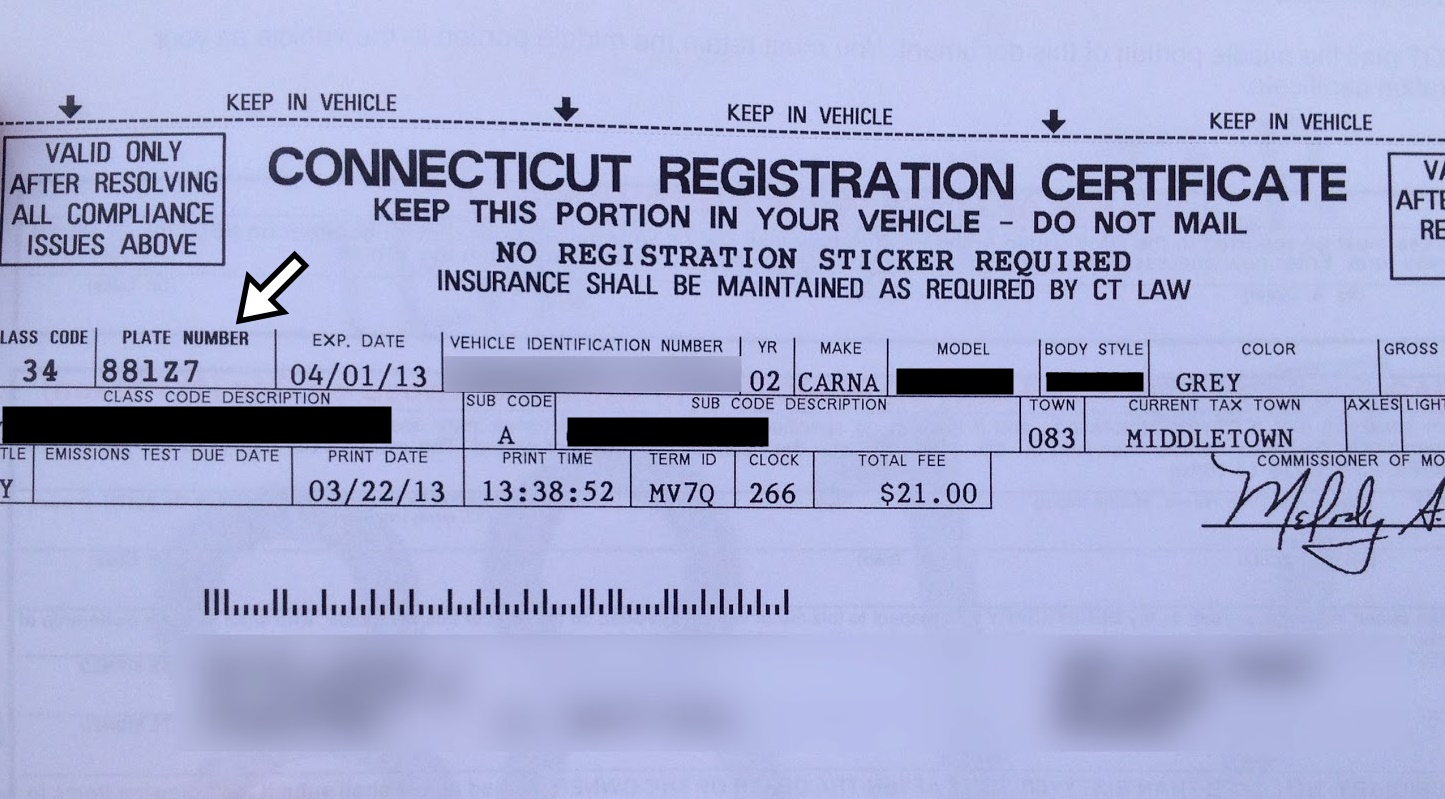
Connecticut offers a variety of specialty license plates, which often come with an additional annual fee on top of the standard registration cost. These plates can support various causes, organizations, or interests, such as collegiate plates, environmental plates, or plates for specific professions.
Similarly, personalized plates, where you choose your own letter and number combination, usually incur an extra fee for the customization. These fees contribute to the state’s revenue and allow drivers to express their individuality.
New vs. Used Vehicle Registration
The process and initial fees for registering a brand-new vehicle might differ slightly from registering a used vehicle, especially if the used vehicle is being registered for the first time in Connecticut. For new vehicles, you will typically need to present the manufacturer’s Certificate of Origin (MCO) and the bill of sale. For used vehicles, the previous owner’s title is essential. The core registration fees based on weight will remain the same, but there might be minor administrative differences.
Transferring Registration from Another State
If you’re moving to Connecticut with your vehicle, you’ll need to transfer your out-of-state registration to a Connecticut one. This process involves surrendering your old plates and title (or registration if the title is held by a lienholder) to the Connecticut DMV. You will then need to get a Connecticut title, new plates, and pay the standard Connecticut registration fees, which will be based on your vehicle’s weight. There might be an additional fee for the title transfer itself.
Practical Tips for Navigating Car Registration in Connecticut
Understanding the fee structure is only part of the equation. Efficiently completing your car registration in Connecticut can save you time and potential headaches.
Where to Register Your Vehicle
Car registration in Connecticut is handled by the Connecticut Department of Motor Vehicles (DMV). You can visit a local DMV branch to complete the process in person. It’s advisable to check the Connecticut DMV website for the nearest branch, their operating hours, and any specific requirements for your situation. Some services, like renewals, might be available online or by mail, which can be a convenient alternative.
Gathering Necessary Documentation
Before you head to the DMV, ensure you have all the required documents. This typically includes:
- Proof of Identity: A valid driver’s license or other acceptable form of identification.
- Proof of Residency: Documents like utility bills, lease agreements, or bank statements showing your Connecticut address.
- Vehicle Title: The original title of the vehicle, properly signed over to you, or a lien release if a lender holds the title.
- Bill of Sale: If you recently purchased the vehicle.
- Proof of Insurance: Connecticut requires all registered vehicles to have minimum liability insurance coverage. You’ll need to provide proof of this insurance.
- Emissions Test Certificate: If your vehicle is subject to emissions testing, you’ll need to present a valid certificate.
Estimating Your Registration Costs
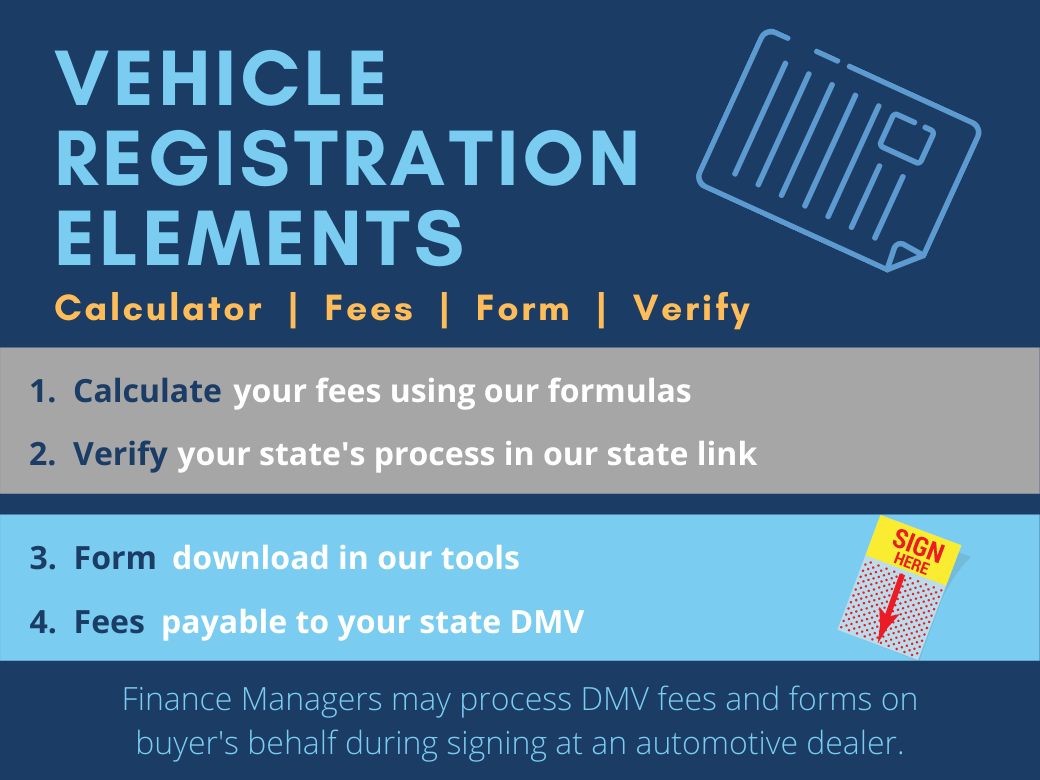
While the exact fees can only be precisely determined at the DMV, you can get a good estimate by knowing your vehicle’s weight. The Connecticut DMV website often provides fee schedules or a calculator that can help you estimate your costs based on weight. Remember to factor in all the additional fees mentioned earlier, such as plate fees, administrative fees, and any applicable local surcharges.
For a general idea, lighter passenger vehicles (under 3,000 lbs) might have registration fees starting in the range of $70-$100 annually, while heavier vehicles could easily exceed $200 or more. This is a rough estimate, and actual costs can vary.
When to Renew Your Registration
Connecticut vehicle registrations are typically valid for a period of two years. You will receive a renewal notice by mail before your registration expires. It’s crucial to renew your registration on time to avoid late fees and potential penalties, such as being ticketed for operating an unregistered vehicle. Renewing online or by mail is often the simplest method for subsequent renewals, provided there are no changes to your vehicle’s information.
By understanding these components and preparing in advance, registering your car in Connecticut can be a straightforward process, ensuring you comply with state laws and can legally drive your vehicle on the road. Whether you’re enjoying a scenic drive along the coast or visiting a charming New England town, a properly registered vehicle is your ticket to exploring all that Connecticut has to offer.
LifeOutOfTheBox is a participant in the Amazon Services LLC Associates Program, an affiliate advertising program designed to provide a means for sites to earn advertising fees by advertising and linking to Amazon.com. Amazon, the Amazon logo, AmazonSupply, and the AmazonSupply logo are trademarks of Amazon.com, Inc. or its affiliates. As an Amazon Associate we earn affiliate commissions from qualifying purchases.