
The question of whether a state qualifies as a “sanctuary state” often sparks debate, touching upon complex issues of immigration policy, law enforcement priorities, and the broader social fabric of a region. When we consider this question in the context of Connecticut, a state known for its charming New England character, rich history, and diverse attractions, the answer requires a nuanced exploration rather than a simple yes or no. While Connecticut has not officially designated itself as a “sanctuary state” in the same way some other jurisdictions have, its policies and practices reflect a commitment to certain principles that can be interpreted through that lens.
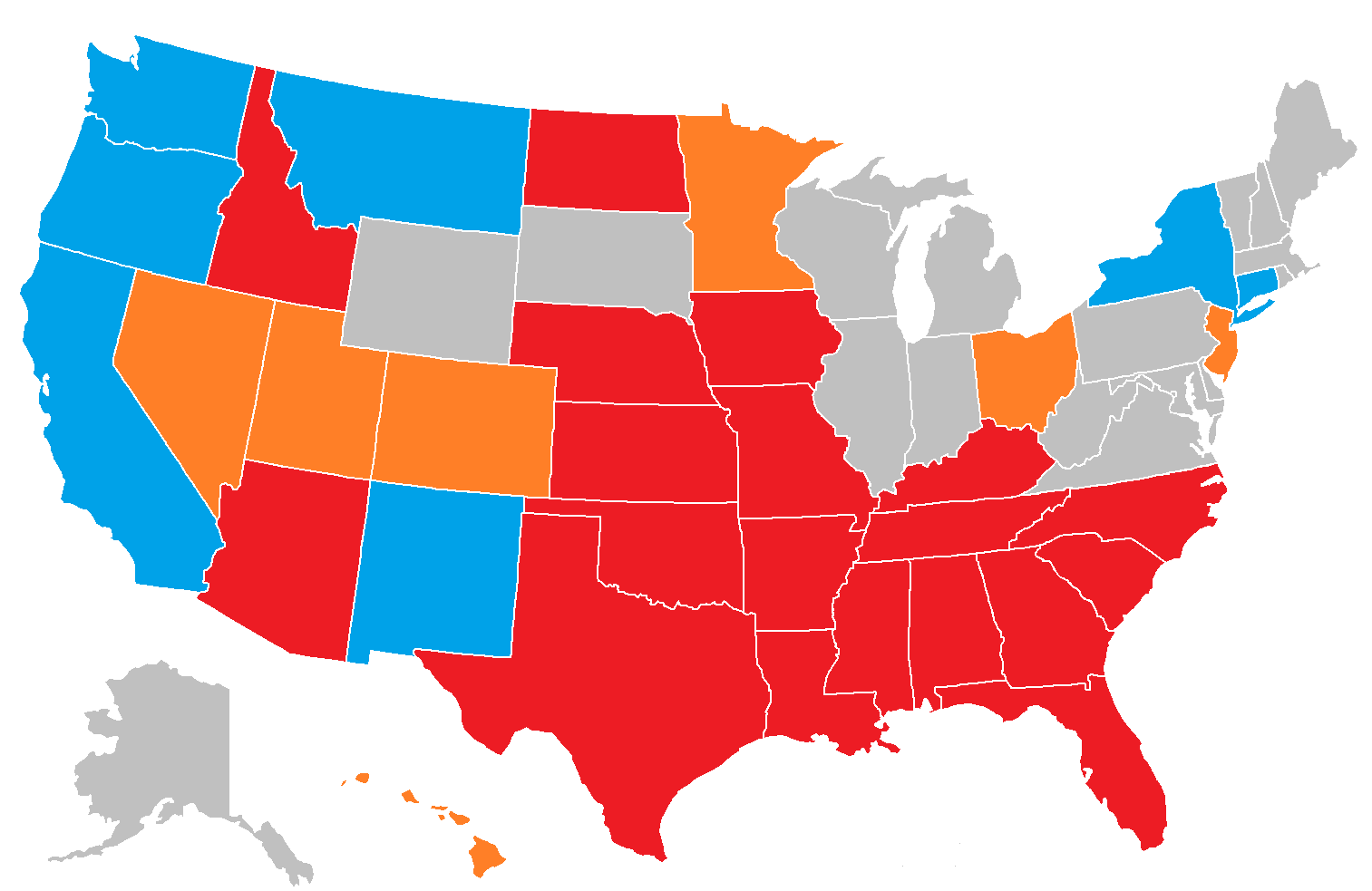
Understanding the concept of a sanctuary state is crucial. Typically, it refers to a jurisdiction that limits its cooperation with federal immigration enforcement agencies. This can manifest in various ways, such as prohibiting law enforcement from detaining individuals based solely on immigration warrants or refusing to share certain information with federal authorities. The intent behind such policies is often to foster trust between immigrant communities and local law enforcement, ensuring that individuals feel safe reporting crimes or seeking assistance without fear of deportation.
In Connecticut, the conversation around sanctuary policies has been ongoing and has evolved over time. While there isn’t a single piece of legislation that broadly declares the state a sanctuary, specific laws and policies have been enacted at both the state and local levels that align with the spirit of protecting immigrant communities. This approach prioritizes community safety and well-being, recognizing that effective policing relies on the cooperation of all residents, regardless of their immigration status.
Navigating Connecticut’s Immigration Policies: A Deeper Dive
To accurately assess Connecticut’s standing on sanctuary policies, it’s essential to examine the specific legal frameworks and executive actions that shape its approach to immigration enforcement and the rights of immigrant populations. This involves looking beyond broad labels and understanding the practical implications of state and local directives.
State-Level Directives and Protections
At the state level, Connecticut has implemented measures designed to shield its residents from certain immigration enforcement practices. One significant development was the passage of legislation that limits the ability of state and local law enforcement agencies to honor immigration detainer requests from federal agencies like Immigration and Customs Enforcement (ICE). These detainer requests, when issued by ICE, ask local jails to hold an individual for an additional period beyond their scheduled release, allowing ICE time to take them into custody for deportation proceedings.
The rationale behind restricting cooperation with these detainers is multifaceted. Proponents argue that it prevents individuals from being held in jail based solely on a civil immigration violation, without due process. It also aims to prevent situations where individuals who have completed their sentences for criminal offenses are then transferred to federal immigration custody, potentially separating families and creating undue hardship. By limiting this cooperation, Connecticut seeks to ensure that local law enforcement resources are focused on criminal matters rather than federal immigration enforcement.
Furthermore, Connecticut has also been a leader in advocating for the rights of its undocumented population. This includes efforts to ensure access to essential services and opportunities, such as driver’s licenses for all residents, regardless of immigration status. The introduction of the Connecticut State ID card has also been a significant step, providing a verifiable form of identification for individuals who may not otherwise have access to one. These initiatives are often framed as public safety measures, as they allow more residents to be identified and integrated into the community, fostering greater trust and participation.
Local Ordinances and Community Trust
Beyond state-level policies, many cities and towns within Connecticut have adopted their own ordinances and practices that reflect a sanctuary-like approach. These local measures often reinforce or expand upon the protections offered at the state level. For instance, some municipalities have policies that prohibit their police departments from inquiring about an individual’s immigration status or from sharing that information with federal immigration authorities, except under specific, legally mandated circumstances.
The underlying principle here is to build and maintain trust between immigrant communities and local law enforcement. When immigrant residents feel that their local police will not act as immigration agents, they are more likely to report crimes, cooperate with investigations, and seek assistance when they are victims of or witnesses to illegal activity. This can lead to safer communities for everyone. By fostering an environment where all residents feel protected and respected, these local policies aim to strengthen the social fabric and enhance public safety.
Examples of this can be seen in cities like New Haven, Hartford, and Bridgeport, where community leaders and law enforcement officials have expressed a commitment to protecting all residents. These cities often have established dialogues with immigrant communities to better understand their needs and concerns, and to ensure that local policies are implemented in a way that is both effective and humane. The focus on community policing and engagement is paramount in these areas, recognizing that trust is a cornerstone of effective public safety.

Connecticut as a Destination: Embracing Diversity and Inclusion
While the legal and policy aspects of Connecticut’s approach to immigration are significant, the question of whether it’s a “sanctuary state” also resonates within the broader context of travel, tourism, and lifestyle. A state that embraces inclusivity and offers a welcoming environment to all its residents and visitors naturally aligns with the spirit of sanctuary.
Experiencing Connecticut’s Welcoming Culture
Connecticut has long been a destination that draws visitors for its picturesque towns, historic landmarks, and vibrant cultural scene. From the coastal charm of Mystic to the intellectual hub of New Haven, the state offers a diverse range of experiences. The increasing recognition of the importance of diversity and inclusion has undoubtedly shaped the state’s appeal.
For travelers, understanding the cultural nuances of a destination can enhance their experience. Connecticut’s commitment to fostering a welcoming environment for all communities, including its immigrant populations, contributes to a more authentic and enriching travel experience. This inclusivity can translate into a more diverse culinary scene, a broader range of cultural festivals and events, and a greater general sense of hospitality. When a state actively works to ensure that all its residents feel safe and valued, this positive energy often extends to visitors.
When exploring Connecticut, whether you’re staying in a luxurious resort in the Litchfield Hills or a cozy apartment in Stamford, you’re likely to encounter a mosaic of cultures. This diversity is reflected in the local food offerings, the art galleries, and the community events that dot the calendar. This welcoming atmosphere makes Connecticut a more attractive destination for a wider range of travelers, including those who may be concerned about their reception in different parts of the country.
Accommodation and Lifestyle Choices
The website’s focus on accommodation and lifestyle also provides a lens through which to view Connecticut’s welcoming nature. When considering booking a stay, whether it’s a family trip to explore the Mark Twain House & Museum in Hartford, a business stay in Greenwich, or a leisurely exploration of coastal attractions, knowing that a state prioritizes inclusivity can be a significant factor.
Hotels, resorts, and other accommodation providers in Connecticut often cater to a diverse clientele. The services and amenities offered are designed to meet the needs of various travelers, reflecting a broader societal trend towards embracing diversity. This inclusive approach to hospitality ensures that visitors from all backgrounds can find comfortable and welcoming places to stay.
Furthermore, the lifestyle aspects of Connecticut – from its charming small towns to its bustling urban centers – offer a variety of living and visiting experiences. The state’s commitment to fostering an inclusive society contributes to a richer and more dynamic lifestyle for its residents and a more welcoming atmosphere for visitors. This means that whether you’re seeking a budget-friendly adventure or a luxurious retreat, you can expect to find a place that feels like home in Connecticut, regardless of your background.
Conclusion: A State Embracing Inclusivity
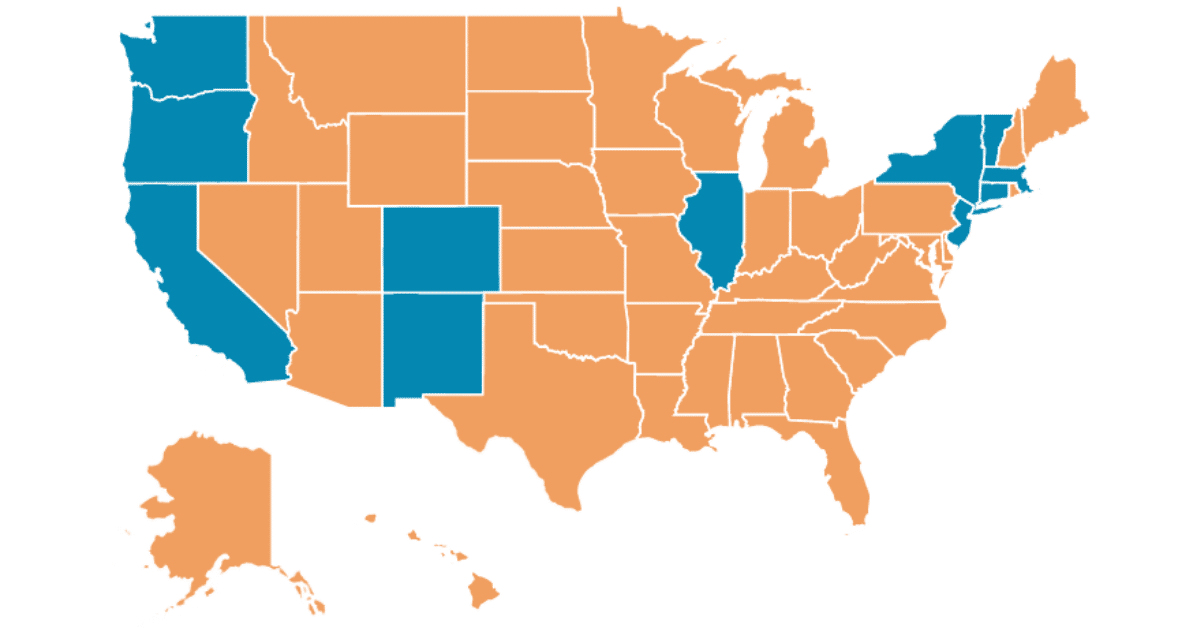
In conclusion, while Connecticut may not formally brand itself as a “sanctuary state” in every legal or political sense, its policies and its evolving societal ethos strongly suggest a commitment to inclusivity and the protection of its diverse population. Through state-level legislation that limits cooperation with certain federal immigration enforcement actions and local ordinances that foster community trust, Connecticut has taken significant steps to create an environment where all residents, including immigrants, can feel safer and more secure.
This approach extends beyond legal frameworks and influences the broader experience of living in, visiting, and traveling through the state. Connecticut’s rich cultural tapestry, its welcoming attitude towards diverse communities, and its focus on providing essential services to all residents contribute to a reputation of being a state that embraces inclusivity.
For travelers and those seeking new accommodations or lifestyle experiences, Connecticut offers a destination where diversity is not just tolerated but celebrated. The various attractions, from historic landmarks like the Mystic Seaport Museum to the natural beauty of its state parks, are enhanced by an underlying commitment to creating a welcoming environment for everyone. The choices in hotels, resorts, and apartments reflect this ethos, aiming to provide comfort and security to a broad spectrum of visitors.
Therefore, when considering the question “Is Connecticut A Sanctuary State?”, the answer leans towards a resounding affirmation of its inclusive policies and welcoming spirit. It is a state that prioritizes the well-being of all its inhabitants, fostering a sense of belonging and security that resonates with the core principles often associated with the term “sanctuary.” This commitment to inclusivity makes Connecticut not just a picturesque travel destination but also a place that strives to be a safe haven for all.
LifeOutOfTheBox is a participant in the Amazon Services LLC Associates Program, an affiliate advertising program designed to provide a means for sites to earn advertising fees by advertising and linking to Amazon.com. Amazon, the Amazon logo, AmazonSupply, and the AmazonSupply logo are trademarks of Amazon.com, Inc. or its affiliates. As an Amazon Associate we earn affiliate commissions from qualifying purchases.