
While the question of Connecticut’s minimum wage might seem like a strictly financial or legislative inquiry, its implications ripple outwards, touching various aspects of the travel and tourism industry. From influencing the cost of accommodations to impacting the viability of local businesses that offer unique experiences, understanding the minimum wage provides a valuable lens through which to view the economic landscape of the “Constitution State.” This exploration delves into the current minimum wage in Connecticut, its historical trajectory, and how these economic factors can shape your travel plans, from booking a luxurious resort to experiencing the authentic local culture.

Understanding Connecticut’s Minimum Wage: The Current Landscape
The minimum wage is the lowest remuneration that employers can legally pay their workers. In Connecticut, like in many other U.S. states, this figure is subject to change and is often adjusted to keep pace with inflation and the cost of living. As of January 1, 2024, Connecticut’s minimum wage stands at $15.69 per hour. This rate applies to most employees, although there are some exceptions, such as for certain tipped employees, who may have a lower base wage with the expectation that tips will bring their total earnings up to the standard minimum wage.
This hourly rate is a crucial benchmark for the state’s economy. For businesses operating within the tourism sector, such as hotels, restaurants, and tour operators, it directly impacts their labor costs. For travelers, while not a direct cost, it influences the pricing of goods and services. A higher minimum wage can translate to increased operational costs for businesses, which may then be reflected in higher prices for hotel stays, dining experiences, and souvenir purchases. Conversely, it can lead to a higher disposable income for residents, potentially boosting local spending on leisure activities and travel within the state.
Minimum Wage Adjustments: A Look at the Trends
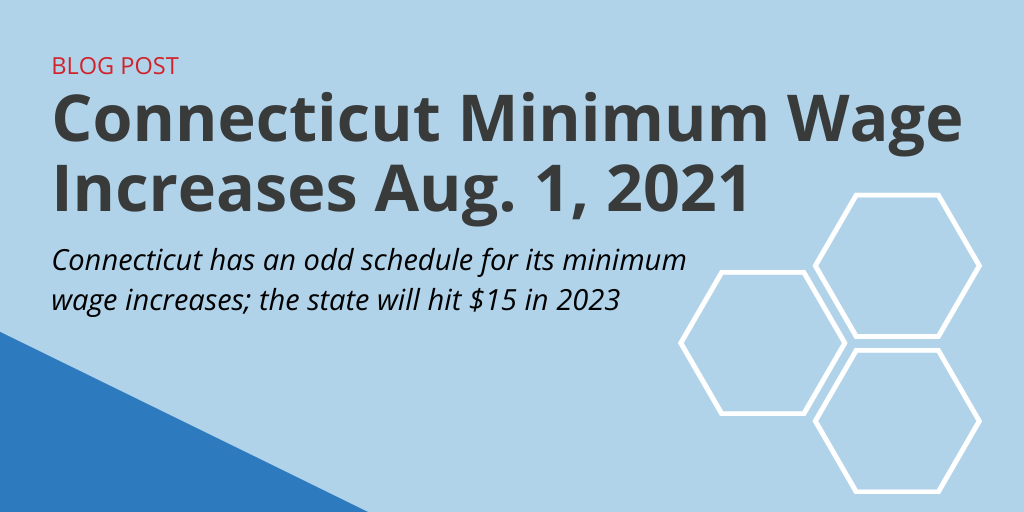
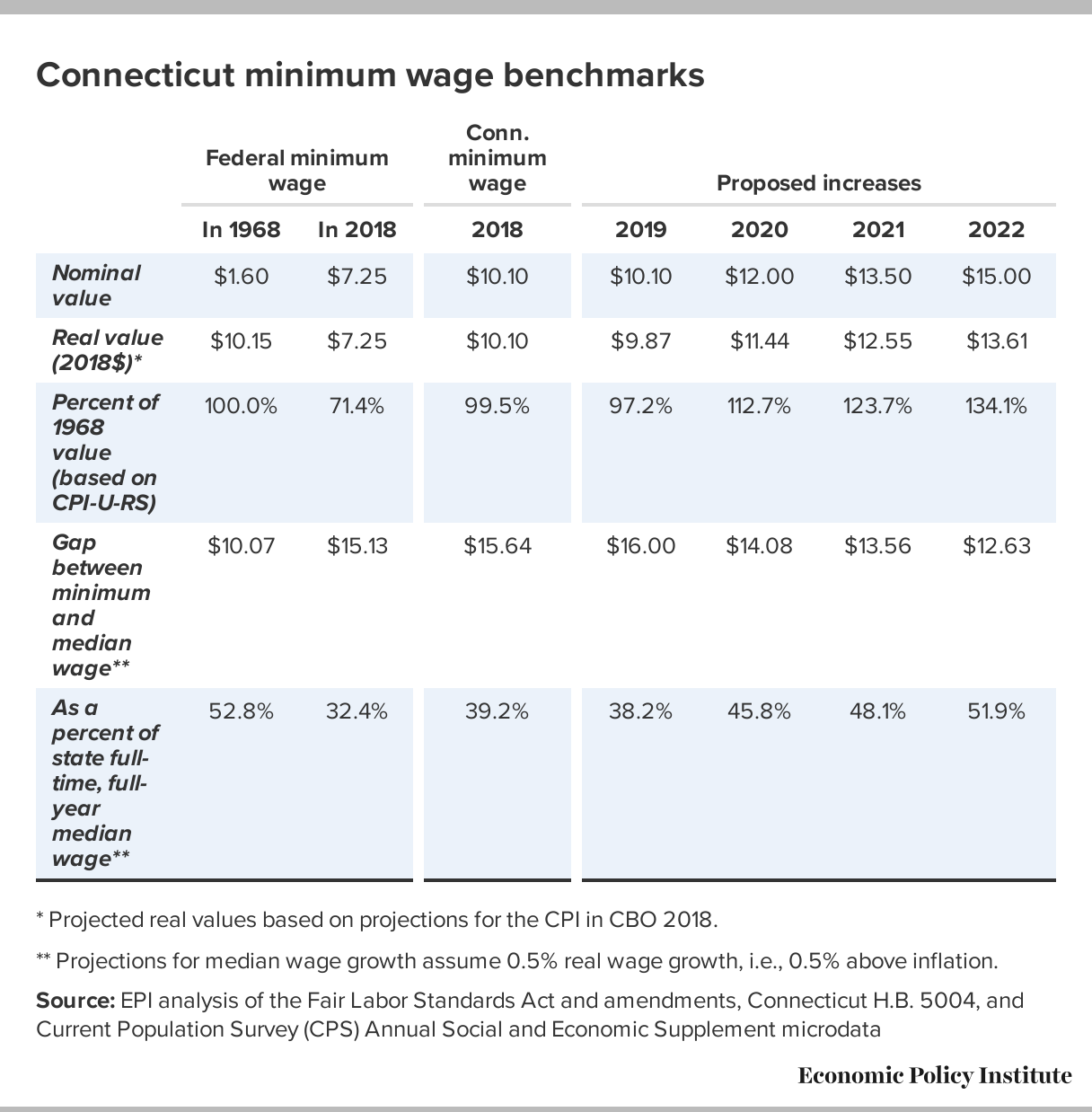
Connecticut has a history of proactively adjusting its minimum wage. The state has implemented scheduled increases in recent years, moving towards a higher wage floor. This approach is often driven by a desire to improve the standard of living for low-wage workers and to ensure that wages keep pace with economic realities. For instance, prior to reaching the current $15.69 per hour, the minimum wage saw a series of incremental rises. These phased increases allow businesses time to adjust their financial models and hiring practices, mitigating potential shocks to the economy.
The trend towards a higher minimum wage is not unique to Connecticut; it’s a national conversation with varying approaches across states. However, Connecticut’s consistent movement towards a more substantial minimum wage suggests a commitment to worker welfare. For travelers, this ongoing evolution of the minimum wage means that pricing for services and goods, especially in labor-intensive sectors like hospitality, might see gradual adjustments over time. It’s a factor that contributes to the overall cost of experiencing the state, whether you’re enjoying a leisurely brunch in a charming café in the Connecticut River Valley or staying at a luxury resort along the Long Island Sound.
The Impact of Minimum Wage on Travel and Tourism in Connecticut
The minimum wage in Connecticut, as in any region, has a tangible, albeit sometimes indirect, effect on the travel and tourism industry. This impact can be felt across various facets of your travel experience, from the affordability of your accommodation to the richness of your local encounters.
Accommodation Costs and Service Quality
When you’re planning a trip to Connecticut, whether you’re looking for a quaint bed and breakfast in Mystic or a sprawling resort near Hartford, the cost of your lodging is a significant consideration. Hotels and other accommodation providers are significant employers, and their labor costs are directly influenced by the state’s minimum wage. A higher minimum wage generally means higher operating expenses for these establishments.
To absorb these increased costs, businesses may adjust their pricing strategies. This could lead to slightly higher room rates for travelers. However, it’s not a simple one-to-one correlation. Hotel chains and independent establishments often employ a range of strategies to manage labor costs, including investing in technology, optimizing staffing levels, and focusing on service efficiency. Furthermore, a higher minimum wage can also lead to a more stable and motivated workforce, potentially enhancing the quality of service guests receive. Employees earning a fair wage are often more engaged and committed, contributing to a more positive guest experience at properties like the Omni New Haven Hotel or smaller, boutique inns scattered throughout the state.
Dining and Local Experiences
The culinary scene is a vital component of any travel experience, and Connecticut boasts a diverse array of dining options, from fine dining establishments to cozy diners and vibrant food trucks. The minimum wage significantly impacts the restaurant industry. A higher minimum wage can translate to increased labor costs for chefs, servers, bartenders, and kitchen staff. This may lead to higher menu prices. For example, enjoying fresh seafood on the coast or savoring farm-to-table cuisine in the Litchfield Hills might come with slightly higher price tags.
Beyond just the cost of a meal, the minimum wage also affects the affordability of a wide range of local tourism activities. Consider booking a guided tour through a historic site like Mystic Seaport Museum, participating in a hands-on workshop in a craft village, or attending a local festival. The individuals who staff these attractions and facilitate these experiences are subject to the state’s minimum wage laws. Therefore, the economic health of these businesses, and consequently the pricing and availability of their offerings, is intertwined with the minimum wage.
Impact on Budget Travel vs. Luxury Travel
The effect of the minimum wage can be perceived differently depending on your travel style. For budget travelers, a higher minimum wage in Connecticut might mean that everyday expenses, such as meals and local transport, could be marginally more expensive than in states with lower minimum wages. This could necessitate more careful budgeting or a greater reliance on activities that are free or low-cost, such as exploring state parks like Hammonasset Beach State Park or wandering through historic town centers.
On the other hand, for those who opt for luxury travel, the impact of the minimum wage is likely to be less pronounced. While luxury hotels and high-end restaurants also incur labor costs, their pricing structures are typically less sensitive to marginal increases in minimum wage. In fact, a strong economy, partly fueled by a fair wage for workers, can support a thriving luxury tourism sector. Travelers seeking opulent experiences at resorts like the Lake Waramaug Country Inn or indulging in gourmet meals might find that the overall quality and service are elevated, potentially due in part to a workforce that feels more valued. Ultimately, a healthy economy that supports both businesses and workers benefits all segments of the travel market.
Navigating Connecticut with the Minimum Wage in Mind
As you plan your adventures in Connecticut, understanding the state’s minimum wage provides valuable context for your spending and appreciation of the local economy. While the direct impact on your travel budget might be subtle, it’s a factor that shapes the overall cost and experience of visiting this diverse and historic state.
From the picturesque coastline to the rolling hills, Connecticut offers a wealth of attractions. Whether you’re drawn to the maritime history of Mystic, the intellectual hub of New Haven with its renowned universities and culinary delights, or the natural beauty of the Berkshire Mountains, your experiences are underpinned by the economic realities of the state. When you book a stay at a charming inn, savor a meal at a local restaurant, or engage with a tour guide sharing the history of landmarks like the Mark Twain House & Museum, you are indirectly interacting with the state’s minimum wage policies.
Considering the minimum wage can encourage travelers to seek out authentic local experiences that might offer better value or a deeper connection to the community. It can also prompt a greater appreciation for the service workers who contribute to making your trip memorable, understanding that their livelihoods are directly tied to these economic policies. By being aware of the minimum wage, you can better anticipate potential price variations and make informed decisions that align with your travel budget and preferences, ensuring a fulfilling and enjoyable visit to the Constitution State.
LifeOutOfTheBox is a participant in the Amazon Services LLC Associates Program, an affiliate advertising program designed to provide a means for sites to earn advertising fees by advertising and linking to Amazon.com. Amazon, the Amazon logo, AmazonSupply, and the AmazonSupply logo are trademarks of Amazon.com, Inc. or its affiliates. As an Amazon Associate we earn affiliate commissions from qualifying purchases.