
Navigating the financial aspects of any trip is crucial, and for those planning an adventure to the Nutmeg State, understanding Connecticut‘s sales tax is paramount. Whether you’re booking a luxurious stay at a resort in Mystic or indulging in the vibrant culinary scene of Hartford, knowing how sales tax impacts your expenses can help you budget more effectively and avoid any unwelcome surprises. This guide delves into the intricacies of Connecticut sales tax, offering clarity for travelers and locals alike, and providing insights relevant to various aspects of your travel and lifestyle experiences within the state.
Understanding the Core of Connecticut’s Sales Tax
At its heart, Connecticut‘s sales tax is a consumption tax levied on the retail sale of tangible personal property and specified services. This means that when you purchase most goods or utilize certain services within the state, a percentage of that price is collected by the seller and remitted to the state government. This revenue is a significant source of funding for public services, including education, infrastructure, and healthcare. For travelers, this translates to an additional cost on purchases ranging from souvenirs to hotel stays and even dining experiences.
The Standard Sales Tax Rate
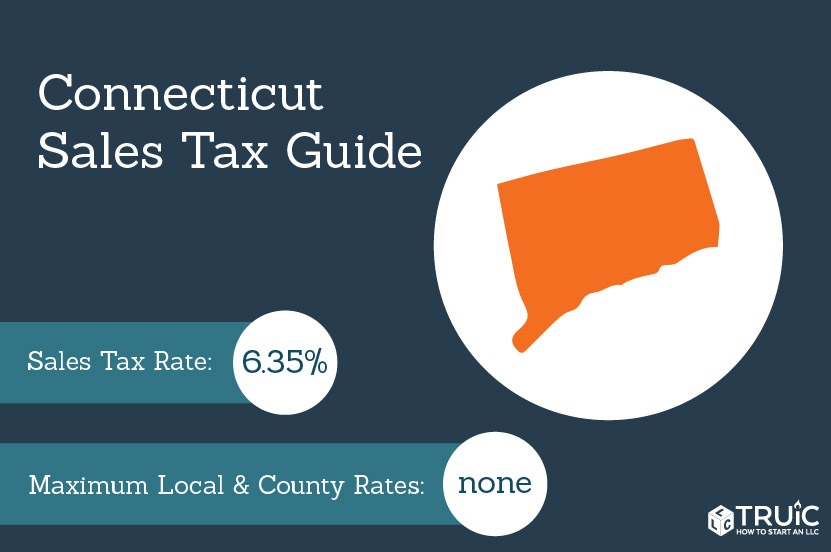
The standard sales tax rate in Connecticut is 6.35%. This rate applies to a broad spectrum of goods and services. It’s important for consumers to be aware that this is the baseline, and while it may seem straightforward, the application of this tax can have nuances depending on the specific item or service being purchased. For instance, while most clothing is taxed at the standard rate, certain essential items might be exempt. Likewise, the taxability of services can be more complex, with some being subject to the tax and others not. When planning your accommodation in cities like New Haven or Stamford, always factor in this 6.35% when calculating your total expenditure.
Exemptions and Special Considerations
While the 6.35% rate is widely applicable, Connecticut does offer exemptions for certain goods and services to alleviate tax burdens on necessities and to encourage specific economic activities. Understanding these exemptions is key to maximizing your spending power.
Taxable Goods and Services
The scope of taxable goods and services in Connecticut is extensive. This includes, but is not limited to, clothing (with some exceptions), electronics, furniture, vehicles, prepared food, and most personal services. For tourism-related activities, expect to see the sales tax applied to admission tickets for attractions, souvenirs, and rental equipment. If you’re exploring historical sites like the Mark Twain House & Museum or enjoying a scenic drive along the Mystic Seaport Museum, remember that purchases made during these excursions will likely include the sales tax.
Exemptions for Essential Items
Connecticut recognizes that certain items are essential for daily living and has therefore exempted them from sales tax. These typically include groceries (food items intended for home consumption, excluding prepared foods and certain beverages), prescription drugs, and some medical supplies. This distinction is crucial for those on a budget travel plan, as purchasing groceries for self-prepared meals can offer significant savings compared to dining out for every meal.
Exemptions for Services
The taxability of services in Connecticut is more varied. Generally, services that result in the sale of tangible personal property are taxable. For example, repair services on tangible personal property are usually taxed. However, many professional services, such as legal, accounting, and medical services, are exempt. For travelers, understanding the tax on services is important. For instance, while hotel stays are generally taxable, certain specialized services within a hotel might not be.
Special Cases: Motor Vehicles and Tourism
Motor vehicles purchased in Connecticut are subject to sales tax at the standard rate. This applies to both new and used vehicles. For those considering a road trip through Connecticut, this is an important financial consideration.
In the realm of tourism, specific exemptions can exist. For example, admission to certain non-profit educational institutions or cultural events might be exempt. However, these are often niche cases and it’s always best to verify the taxability of specific attractions or activities. For instance, tickets to world-renowned destinations like Mystic Aquarium will likely be subject to the sales tax.
Navigating Sales Tax on Accommodation and Dining

When planning your accommodation and dining experiences in Connecticut, understanding how sales tax applies is essential for budgeting. Whether you’re seeking a luxurious resort or a charming bed and breakfast, the tax implications can influence your overall trip cost. Similarly, your culinary adventures across the state will involve sales tax on prepared foods.
Sales Tax on Hotels and Accommodation
Hotels, motels, resorts, and other lodging establishments in Connecticut are subject to sales tax. This means that the advertised room rate typically does not include the 6.35% sales tax, which will be added to your final bill. This applies to a wide range of accommodation options, from high-end suites in Greenwich to more budget-friendly apartments available for long-term stay. When comparing prices for booking, reviews, and comparison sites, always remember to add the 6.35% to get the true cost.
Some specific types of accommodation might have different tax treatments, but for most typical tourist stays, the standard rate applies. For example, if you’re looking for a villa for a family trip, the rental cost will be subject to sales tax. Understanding this upfront allows for better financial planning, especially for extended stays where the cumulative tax can become significant.
Sales Tax on Food and Dining
The sales tax on food and dining in Connecticut can be a bit more nuanced. Prepared foods sold for immediate consumption are generally subject to sales tax. This includes meals purchased at restaurants, cafes, and even from food trucks. If you’re enjoying a fine dining experience in Hartford or grabbing a quick bite in New Haven, the 6.35% sales tax will be applied to your bill.
However, there’s an important distinction for groceries. Unprepared food items intended for consumption at home are typically exempt from sales tax. This means that the fresh produce, meats, and dairy products you buy at a supermarket like Big Y or ShopRite for preparing meals in your apartment or villa will not be taxed at the point of sale. This exemption is a significant benefit for those opting for budget travel or family trips that involve cooking some meals themselves.
The definition of “prepared food” can sometimes be a point of confusion. Generally, if the food is sold in a ready-to-eat state, it’s taxable. This includes items like sandwiches, salads, hot entrees, and even certain baked goods sold individually. Beverages like soda and coffee are also generally taxed.
Special Tax Considerations for Tourists and Businesses
Beyond the standard rates and common exemptions, Connecticut‘s sales tax landscape includes specific considerations that are particularly relevant to tourists and businesses operating within the state. Understanding these can help optimize spending and ensure compliance.
Tax-Free Weekends and Shopping Events
Connecticut, like some other states, occasionally offers tax-free shopping days or weekends. These events are typically aimed at encouraging consumer spending, especially on back-to-school shopping or during holiday seasons. During these designated periods, certain items, often clothing and footwear below a specific price threshold, are exempt from sales tax. While not a year-round benefit, staying informed about these potential events can lead to significant savings for those planning their shopping excursions in Connecticut. These can be a great opportunity to pick up souvenirs or essentials for your lifestyle needs.
Purchases by Non-Residents
Non-residents making purchases in Connecticut are generally subject to the same sales tax rules as residents. There is no blanket exemption for tourists on their purchases. However, for certain high-value items, particularly those that will be shipped out of state, there might be procedures or exemptions related to delivery and proof of export. It is always advisable for non-residents to inquire about potential procedures if making significant purchases.
Local Taxes and Tourism Districts
While the state sales tax is uniform at 6.35%, some areas in Connecticut may have additional local taxes or fees, particularly within designated tourism districts. These are less common for general sales tax but can sometimes apply to specific services or amenities within popular tourist areas. It’s always a good practice to be aware of the local tax structure when visiting specific towns or attractions, though for the most part, the 6.35% state sales tax is the primary tax to consider.
Business Implications and Compliance
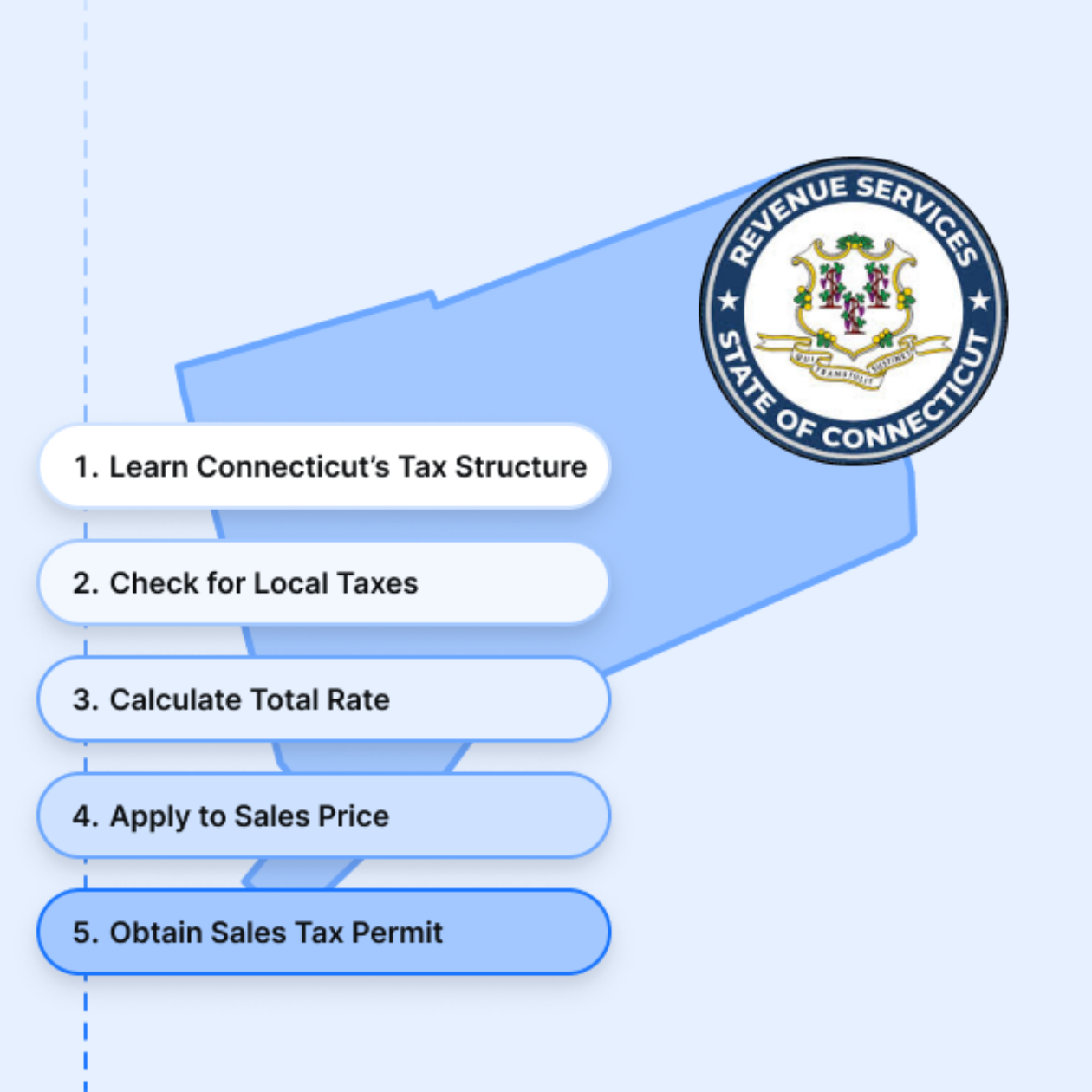
For businesses operating in Connecticut, understanding sales tax is not just about collecting it; it’s also about accurate record-keeping and timely remittance to the state. Businesses are responsible for registering with the Connecticut Department of Revenue Services, collecting the correct amount of tax on taxable sales, and filing regular sales tax returns. This includes businesses in the hotels, tourism, and accommodation sectors. Ensuring compliance is crucial to avoid penalties and interest charges. For businesses offering services related to luxury travel or business stays, a thorough understanding of tax regulations is vital for maintaining client trust and operational integrity.
In conclusion, while the 6.35% sales tax rate in Connecticut is the foundational piece of information, a deeper understanding of exemptions, specific product/service taxability, and potential special events will empower you to navigate your financial obligations effectively. Whether you are exploring the historic charm of Old Lyme, enjoying the coastal beauty of Westerly, or simply seeking a peaceful resort getaway, being informed about Connecticut‘s sales tax will contribute to a smoother and more enjoyable travel experience.
LifeOutOfTheBox is a participant in the Amazon Services LLC Associates Program, an affiliate advertising program designed to provide a means for sites to earn advertising fees by advertising and linking to Amazon.com. Amazon, the Amazon logo, AmazonSupply, and the AmazonSupply logo are trademarks of Amazon.com, Inc. or its affiliates. As an Amazon Associate we earn affiliate commissions from qualifying purchases.