
The allure of the United States is built upon a rich tapestry of history, woven from the threads of its constituent states, each with its unique story of formation and contribution. Among these, Connecticut, the “Constitution State,” holds a particularly significant place. Its journey to statehood is a compelling narrative of colonial ambition, revolutionary fervor, and the foundational principles that shaped the nascent nation. Understanding when Connecticut officially joined the union offers a vital glimpse into the very genesis of American democracy and the enduring spirit of its people.
The Colonial Roots and Early Charters
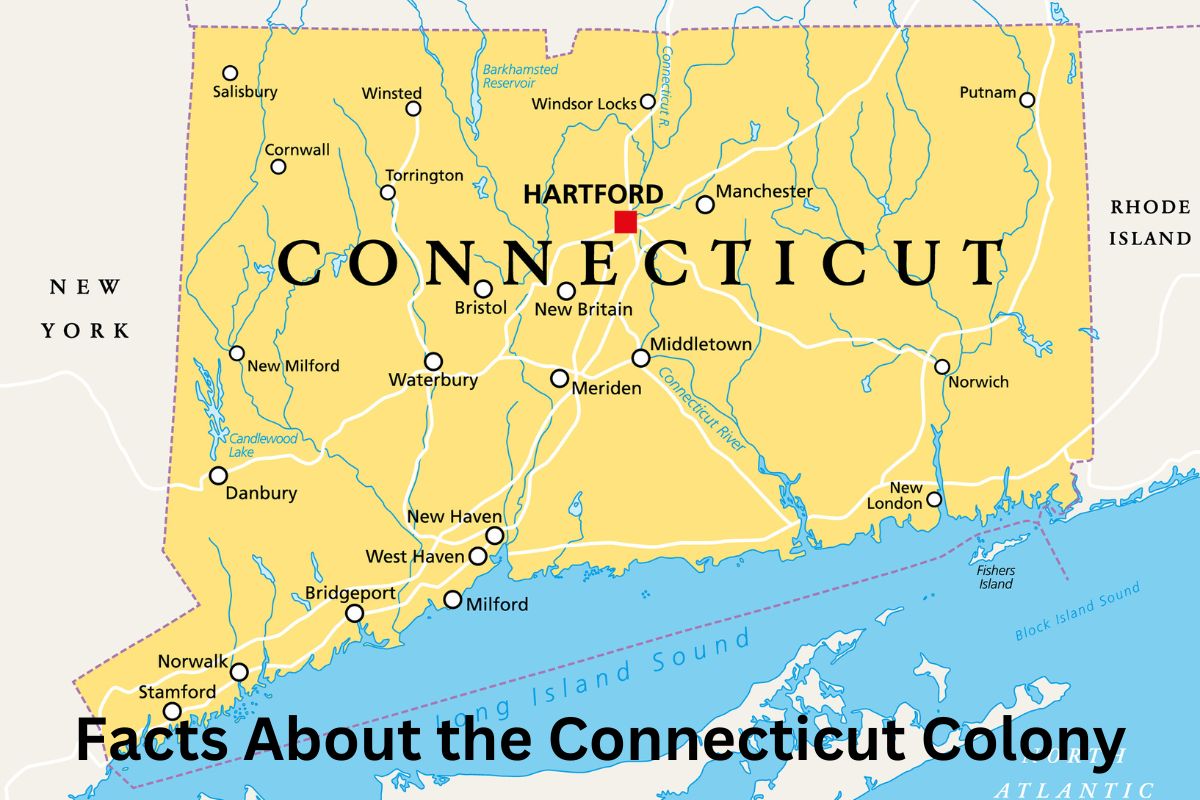
Before it was a state, Connecticut was a patchwork of distinct settlements, each with its own governance and aspirations. The earliest European inhabitants arrived in the 1630s, drawn by the fertile lands along the Connecticut River and the promise of a new life away from the constraints of the Massachusetts Bay Colony. Three principal towns emerged: Hartford, founded by colonists from Massachusetts, Wethersfield, and New Haven. These early settlements, while geographically close, operated with a degree of autonomy, laying the groundwork for a distinct Connecticut identity.

The burgeoning settlements soon recognized the need for a unified governance structure, especially in the face of potential threats from neighboring colonies and native tribes. This led to the creation of the Fundamental Orders of Connecticut in 1639. This groundbreaking document is often hailed as the first written constitution in the colonies, predating the U.S. Constitution by over a century. The Fundamental Orders established a representative government, outlining the powers of the governor, council, and assembly, and laying down principles of self-rule that would become a hallmark of Connecticut‘s political landscape. It was a bold step towards self-determination and a testament to the innovative spirit of its early settlers.
However, these early agreements were not an official declaration of statehood. They were internal compacts designed to organize and govern the colonial settlements. The overarching authority remained with the English Crown. As the colonies grew and the political landscape in Europe shifted, the need for more formal recognition and protection under British rule became apparent.
The Royal Charter of 1662
A pivotal moment in Connecticut‘s pre-statehood history arrived in 1662 with the granting of a Royal Charter by King Charles II of England. This charter was a remarkable achievement for Connecticut‘s agents, who, led by John Winthrop the Younger, successfully navigated the complexities of the English court. The charter confirmed the colony’s governance under the Fundamental Orders and, crucially, defined its territorial boundaries. It extended from the Atlantic Ocean west to the great South Sea (the Pacific Ocean), encompassing a vast expanse of land that would later be subject to numerous boundary disputes with other colonies.
The Royal Charter of 1662 was more than just a legal document; it was a symbol of Connecticut‘s established identity and a powerful affirmation of its right to self-governance within the British Empire. It provided a framework for expansion and development, allowing Connecticut to absorb the neighboring New Haven Colony in 1665. This consolidation further solidified the territory and administration, bringing it closer to the concept of a unified political entity. For decades, Connecticut operated as a self-governing colony under this charter, a period characterized by steady growth, economic development, and the deepening of its unique cultural and political traditions. This era of colonial administration under the charter is a vital precursor to its eventual entry into the union of states.
The Road to Revolution and Statehood
The mid-18th century brought significant political and social upheaval, culminating in the American Revolution. Connecticut played an integral role in this struggle for independence. Its citizens, deeply rooted in the principles of self-governance enshrined in their early charters, were among the most vocal proponents of resistance against British taxation and tyranny. The colony provided a substantial number of troops to the Continental Army and became a crucial supply depot for the war effort. The bravery and resilience displayed by the people of Connecticut during this period underscored their readiness for greater autonomy and self-determination.
As the war drew to a close and the nascent United States began to forge its own destiny, the need for a formal structure of governance among the newly independent colonies became paramount. The Articles of Confederation, the first attempt at a national government, proved to be too weak to effectively unite the thirteen states. This led to the calling of the Constitutional Convention in Philadelphia in 1787.
The U.S. Constitution and Ratification
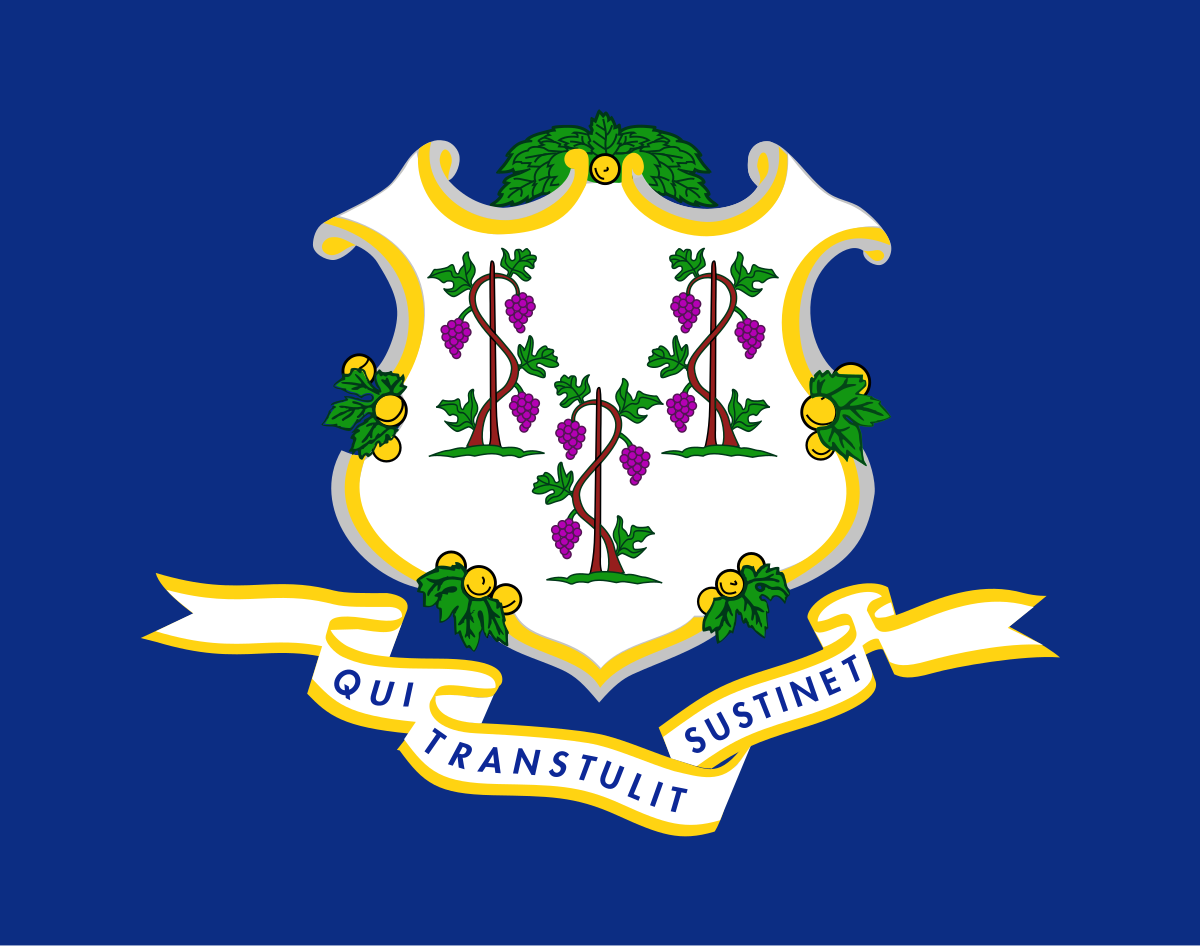
The delegates at the Constitutional Convention grappled with the fundamental question of how to balance the power of the federal government with the sovereignty of individual states. Connecticut‘s delegation, comprised of prominent figures like Roger Sherman, Oliver Ellsworth, and William Samuel Johnson, played a crucial role in shaping the framework of the new U.S. Constitution.
Roger Sherman, in particular, was instrumental in proposing the Great Compromise (also known as the Connecticut Compromise). This pivotal agreement resolved the contentious issue of representation in the federal legislature. It proposed a bicameral Congress: the Senate, with equal representation for each state, and the House of Representatives, with representation based on population. This compromise was vital for ensuring that both larger and smaller states would feel adequately represented and thus willing to ratify the new Constitution.
Following the Constitutional Convention, the proposed U.S. Constitution had to be ratified by each of the thirteen states. The process in Connecticut was remarkably swift and decisive. On January 9, 1788, Connecticut became the fifth state to ratify the U.S. Constitution, cementing its place as a founding member of the United States of America. This act marked the official transition from a self-governing colony to a sovereign state within the newly formed republic. The date of ratification, January 9, 1788, is therefore the definitive answer to when Connecticut officially became a state. This was not a declaration of independence in the same way as the Declaration of Independence itself, but rather the formal acceptance of the governing framework that would define the nation.
Experiencing Connecticut: From History to Modern Charm
Having established its place in the nation’s history, Connecticut has evolved into a state that beautifully blends its rich heritage with modern attractions and a vibrant lifestyle. For travelers and residents alike, exploring Connecticut offers a diverse range of experiences, from delving into its historical landmarks to enjoying its picturesque natural beauty and cosmopolitan urban centers.
Landmarks and Historical Sites
The legacy of Connecticut‘s colonial past and its role in the American Revolution is palpable across the state. Visitors can step back in time at the Mark Twain House & Museum in Hartford, where the renowned author lived and wrote some of his most famous works. The Old New-Gate Prison & Copper Mine in East Granby offers a chilling glimpse into colonial justice and industry, serving as the country’s first state prison. For those interested in maritime history, the Mystic Seaport Museum in Mystic provides an immersive experience of 19th-century seafaring life, complete with historic vessels and costumed interpreters. The U.S.S. Nautilus Memorial in Groton honors the world’s first nuclear-powered submarine, a testament to Connecticut‘s ongoing contributions to innovation. These sites, along with numerous historic town greens and colonial-era homes, invite a deep appreciation for the state’s foundational role.
Travel and Tourism Today
Beyond its historical significance, Connecticut offers a wealth of contemporary attractions. The vibrant city of Hartford boasts world-class cultural institutions like the Wadsworth Atheneum Museum of Art, the oldest continuously operating public art museum in the United States. For a taste of the finer things, a visit to the charming coastal towns of Mystic or Old Lyme is a must. Mystic is not only home to the famous Mystic Aquarium and the Mystic Pizza (immortalized in the film), but also offers boutique shopping and delightful dining experiences. The picturesque town of Greenwich, with its upscale boutiques and waterfront mansions, embodies the state’s sophisticated lifestyle.
For nature enthusiasts, Connecticut‘s landscapes provide ample opportunities for outdoor recreation. The Appalachian Trail meanders through the western part of the state, offering challenging hikes and breathtaking vistas. State parks like Hammonasset Beach State Park and Silver Sands State Park provide beautiful coastal access for relaxation and water activities. The Litchfield Hills in the northwestern corner of the state are renowned for their rolling hills, charming villages, and vibrant autumn foliage, making it a popular destination for scenic drives and seasonal getaways.
Accommodation and Lifestyle
Connecticut caters to a wide range of travel styles and accommodation preferences. From luxurious resorts nestled in the countryside to charming bed and breakfasts in historic towns, and modern hotels in its bustling cities, there is an option for every budget and taste. The state’s commitment to preserving its heritage is reflected in many of its lodging options, some of which are housed in beautifully restored historic buildings. For longer stays or those seeking a more private experience, apartments and villas are also readily available, particularly in urban centers and along the coast.
The lifestyle in Connecticut is a compelling mix of New England tradition and modern sophistication. It’s a state where one can easily enjoy the quiet charm of a rural village in the morning and experience the vibrant energy of a city’s cultural scene in the afternoon. Whether one is seeking a peaceful retreat, an adventure-filled vacation, or a taste of refined living, Connecticut offers a rich and rewarding experience, firmly rooted in its history as a foundational state of the United States. Its journey from colonial settlements to a pivotal player in the nation’s formation, and its subsequent evolution into a diverse and appealing destination, solidifies its enduring significance.
LifeOutOfTheBox is a participant in the Amazon Services LLC Associates Program, an affiliate advertising program designed to provide a means for sites to earn advertising fees by advertising and linking to Amazon.com. Amazon, the Amazon logo, AmazonSupply, and the AmazonSupply logo are trademarks of Amazon.com, Inc. or its affiliates. As an Amazon Associate we earn affiliate commissions from qualifying purchases.