
The Dakota Territory, a vast and historically significant region in the northwestern United States, represents a crucial chapter in the nation’s westward expansion. Its story is intertwined with exploration, settlement, the establishment of governance, and ultimately, the birth of two modern states: North Dakota and South Dakota. Understanding the Dakota Territory offers a unique lens through which to view the development of the American West, encompassing themes of travel, landmarks, history, and the very lifestyle that shaped this frontier. While not a current destination in the traditional sense, its legacy permeates the landscape and the cultural fabric of the region, offering a rich tapestry for those interested in American history and tourism.
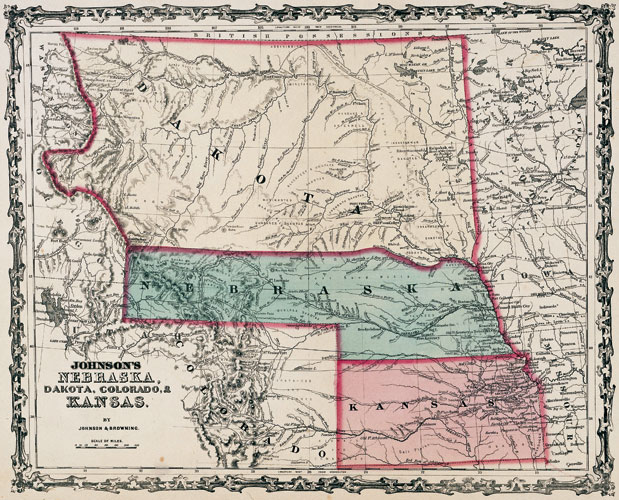
The genesis of the Dakota Territory can be traced back to the mid-19th century, a period of intense national growth and exploration. Following the Louisiana Purchase in 1803, much of the land that would eventually become Dakota Territory was part of the uncharted wilderness of the American West. Early expeditions, such as those led by Lewis and Clark, began to map these territories, sparking curiosity and an eventual desire for settlement. The organic act that officially established the Dakota Territory was signed into law by President James Buchanan on March 2, 1861. This act carved out a massive expanse of land from the northern portion of the former Nebraska Territory, encompassing an area roughly equivalent to modern-day North Dakota, South Dakota, Montana, and Wyoming. This vastness underscores the ambition and scale of American territorial expansion during this era.
The Genesis of a Territory: From Uncharted Lands to Governance
The initial years of the Dakota Territory were characterized by sparsity of population and the challenges of establishing a functioning government in a remote and largely undeveloped region. The capital was initially established in Yankton, a strategic location along the Missouri River. The territorial government faced numerous hurdles, including communication difficulties, the vast distances involved, and the presence of Native American tribes who had long inhabited these lands.
Early Exploration and Settlement Patterns
Before formal territorial organization, the land was primarily traversed by explorers, fur traders, and Mormon pioneers on their westward journeys. The Missouri River served as a vital artery for transportation and communication, with steamboats playing a critical role in bringing supplies and settlers to the region. As the 19th century progressed, the promise of fertile land, coupled with government policies like the Homestead Act of 1862, incentivized settlers to brave the frontier. These settlers came from diverse backgrounds, including Scandinavians, Germans, and other European immigrants, as well as Americans from the eastern states, all seeking opportunity and a new beginning.
The establishment of military forts, such as Fort Randall, Fort Sully, and Fort Abraham Lincoln, was crucial for providing protection and supporting the influx of settlers. These forts also became centers of activity, fostering the growth of small settlements and towns around them. The allure of mining, particularly after gold was discovered in the Black Hills in 1874, also spurred significant migratory waves into the territory, leading to the rapid establishment of boomtowns like Deadwood. This period of rapid settlement and resource exploitation, however, also brought increased conflict with Native American tribes, leading to significant and often tragic events in the region’s history. The Battle of Little Bighorn, fought in the Montana Territory but significantly impacting the Dakota Territory due to the displacement and reorganization of tribes, stands as a stark reminder of these conflicts.
From Territory to States: The Road to Division
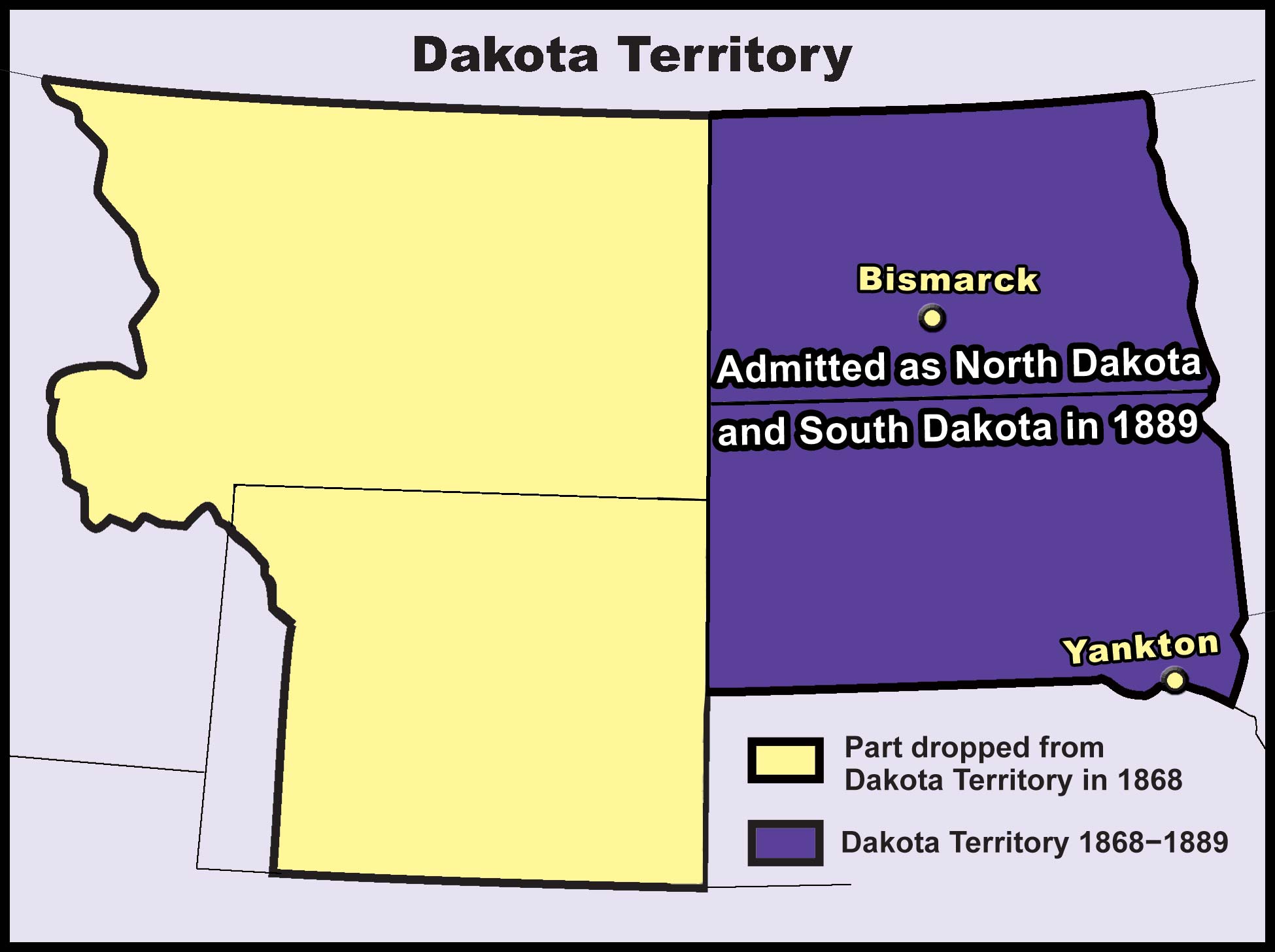
The vastness of the Dakota Territory presented significant administrative challenges. Governing such a sprawling region from a single capital proved increasingly difficult as the population grew and diversified. This logistical hurdle, combined with regional differences and aspirations, eventually led to the movement for statehood and the eventual division of the territory.
The Drive for Statehood and Dual Identity
By the late 1870s and early 1880s, the population within the Dakota Territory had grown substantially, particularly in the northern and southern halves. Debates about statehood intensified, with differing opinions on whether to form a single, large state or to divide the territory into two. Proponents of division argued that a smaller state would be more manageable, better represented, and more responsive to the needs of its citizens. Conversely, some believed a single state would have greater political influence and economic power.
Ultimately, the division of the Dakota Territory became inevitable. Political considerations, including representation in the U.S. Congress and the influence of powerful political factions, played a significant role. President Benjamin Harrison signed the proclamation admitting both North Dakota and South Dakota as states on November 2, 1889, just a few hours apart. This dual admission marked the end of the Dakota Territory as a political entity but solidified its enduring legacy in the formation of two distinct, yet historically connected, American states. The specific order of their admission was a matter of political maneuvering, with North Dakota technically being admitted first, followed swiftly by South Dakota. This pivotal event transformed the territorial landscape, ushering in a new era of governance and regional identity.
The Enduring Legacy: Landmarks, Culture, and Experiences
While the Dakota Territory no longer exists as a political entity, its influence is palpable throughout North Dakota and South Dakota. The historical landmarks and natural attractions that dot these states are direct descendants of the territorial era, offering profound insights into the region’s past. For travelers and history enthusiasts, exploring these sites provides a tangible connection to the pioneers, the Native American heritage, and the dramatic transformations that shaped the American West.

Exploring the Historical Footprints
Visitors interested in the history of the Dakota Territory can immerse themselves in its past by exploring various significant sites. In South Dakota, the Mount Rushmore National Memorial, a colossal sculpture carved into the Black Hills, stands as a testament to the nation’s presidents, some of whom played roles in westward expansion. Nearby, the Crazy Horse Memorial honors the spirit of the Lakota leader Crazy Horse and the rich heritage of Native American culture. The historic town of Deadwood, with its preserved 19th-century buildings and Wild West atmosphere, offers a glimpse into the mining boom era. Custer State Park provides opportunities to experience the rugged natural beauty of the Black Hills, a landscape that captivated early explorers and settlers.
In North Dakota, the Theodore Roosevelt National Park preserves the badlands landscape that deeply influenced President Theodore Roosevelt, shaping his conservationist ethos. His former ranch, the Maltese Cross Cabin, is preserved within the park. The Knife River Indian Villages National Historic Site offers a profound look into the lives of the Hidatsa and Mandan tribes, who were settled agricultural communities long before European arrival and interacted extensively with early explorers like Lewis and Clark. The historic Fort Mandan, a replica of the winter encampment of the Lewis and Clark Expedition, provides further insight into their journey. The state capital, Bismarck, and its historic State Capitol building, stand as administrative descendants of the territorial capital.
The lifestyle of the Dakota Territory was one of resilience, self-reliance, and community building. This spirit continues to be reflected in the local cultures of North Dakota and South Dakota. From the agricultural traditions that still define much of the rural landscape to the vibrant cultural festivals celebrating the region’s diverse heritage, the echoes of the territorial era are ever-present. Whether you are seeking adventure in the vast prairies, exploring historical landmarks, or immersing yourself in the local tourism offerings, the legacy of the Dakota Territory offers an enriching and unforgettable experience. The exploration of its history is not just an academic pursuit but an invitation to understand the foundations of these two distinctive American states and the enduring spirit of the frontier.
LifeOutOfTheBox is a participant in the Amazon Services LLC Associates Program, an affiliate advertising program designed to provide a means for sites to earn advertising fees by advertising and linking to Amazon.com. Amazon, the Amazon logo, AmazonSupply, and the AmazonSupply logo are trademarks of Amazon.com, Inc. or its affiliates. As an Amazon Associate we earn affiliate commissions from qualifying purchases.