
Alaska, often referred to as “The Last Frontier,” is a land of unparalleled natural beauty, immense wilderness, and a lifestyle shaped by its unique geography and climate. For travelers planning a visit, or simply for those curious about life in such a remote and majestic place, a fundamental question often arises: how many people call Alaska home? The answer provides fascinating insights into the state’s culture, economy, and the very essence of its appeal as a travel destination.
Despite being the largest state in the United States by land area, encompassing over 663,000 square miles, Alaska remains one of the least densely populated regions on Earth. Its vast landscapes, from the icy shores of the Arctic Ocean to the temperate rainforests bordering the Pacific Ocean, are home to a relatively small, yet resilient and diverse population. This sparsity of human settlement is a defining characteristic, influencing everything from the availability of accommodation to the preservation of its pristine natural landmarks.
Alaska’s Population Revealed: A Look at the Last Frontier’s Inhabitants
As of the most recent estimates, the population of Alaska hovers around 733,000 to 737,000 residents. To put this into perspective, this means that while Alaska is more than twice the size of Texas, it has a population roughly equivalent to a mid-sized American city. This makes it the third least populous state in the United States, ahead only of Vermont and Wyoming. The population density is remarkably low, averaging just over one person per square mile, allowing for immense stretches of undeveloped wilderness that captivate adventurers and nature enthusiasts from around the globe.
This small population base has a profound impact on the state’s infrastructure and the visitor experience. Unlike more crowded destinations, Alaska offers a sense of solitude and untouched beauty that is increasingly rare. For travelers, this means a unique opportunity to immerse themselves in nature, whether exploring national parks like Denali National Park or cruising through the stunning fjords of Glacier Bay National Park. The accommodation options, from cozy lodges in remote areas to hotels in its few major cities, often emphasize integration with the natural environment, offering views of mountains, glaciers, or wildlife.

The relatively small number of permanent residents also contributes to the preservation of Alaska’s local culture. While modern influences are present, the spirit of frontier living, self-reliance, and strong community ties remains palpable. This is reflected in the local cuisine, which often features fresh seafood, wild game, and foraged berries, and in the unique array of activities available, from dog sledding and ice fishing to experiencing the vibrant arts scene in cities like Anchorage or Fairbanks.
Growth and Demographic Trends
Historically, Alaska’s population has seen periods of significant growth, largely driven by economic booms such as the Klondike Gold Rush and the construction of the Trans-Alaska Pipeline System. However, in recent years, the state has experienced a period of population stagnation or even slight decline, primarily due to economic factors and migration trends. The cost of living in Alaska can be higher than the national average, particularly for essentials like food and housing, which can be a deterrent for some.
Despite this, Alaska continues to attract individuals seeking adventure, career opportunities in resource industries, or simply a different way of life. The transient nature of some industries, like seasonal tourism and fishing, also contributes to fluctuations in the population count throughout the year, with a noticeable influx of temporary workers during the peak summer travel season. For those considering long-term stays, the availability of specialized job roles and the unique community spirit are often key attractions.
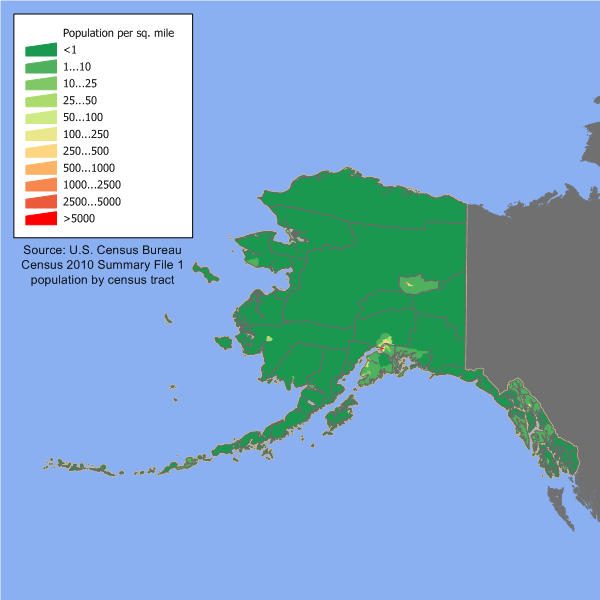
Demographics and Distribution: Where Alaskans Call Home
Given its vastness, Alaska’s population is not evenly distributed. The majority of residents are concentrated in a few key urban centers, particularly along the south-central coast and in the interior, leaving enormous tracts of wilderness uninhabited. Understanding this distribution is crucial for any traveler planning their itinerary, as it dictates where most services, accommodations, and infrastructure are located.
Major Urban Centers
The largest city in Alaska by far is Anchorage, located in the south-central region. Home to over 280,000 people, it accounts for nearly 40% of the state’s total population. Anchorage serves as the primary economic hub, transportation gateway, and cultural center of Alaska. Here, travelers will find the widest range of hotels, from luxury resorts to budget-friendly apartments, alongside diverse dining options, museums, and a vibrant nightlife. Its proximity to natural attractions like Chugach State Park and the waters of Cook Inlet makes it an ideal base for both urban exploration and outdoor adventures.
Other significant cities include:
- Fairbanks: Located in the interior, Fairbanks is the second-largest city, with a population of around 32,000. Known as the “Golden Heart City,” it’s a prime destination for viewing the Northern Lights and serves as a gateway to the Arctic. Accommodation here ranges from charming bed and breakfasts to full-service hotels, catering to both tourists and business travelers.
- Juneau: The state capital, Juneau, is unique as it’s only accessible by air or sea, with no road connection to the rest of Alaska or the lower 48 states. Its population is approximately 32,000. Nestled amidst towering mountains and the Gastineau Channel, Juneau is a popular cruise ship destination, offering access to the Mendenhall Glacier and a rich gold mining history. Hotels and local accommodations are abundant, often with stunning waterfront or mountain views.
- Wasilla and Palmer: These two rapidly growing cities in the Matanuska-Susitna Valley, north of Anchorage, serve as bedroom communities for the larger city and agricultural centers. They offer a more rural lifestyle with easy access to outdoor recreation.
- Kenai and Soldotna: Located on the Kenai Peninsula, these towns are popular for fishing and outdoor activities, especially along the Kenai River.
- Kodiak, Sitka, and Ketchikan: These coastal towns, particularly in Southeast Alaska, are known for their fishing industries, unique local cultures, and as popular stops for cruise lines, offering a distinct blend of tourism and authentic Alaskan living.

Rural and Indigenous Populations
Beyond the major cities, large areas of Alaska are sparsely populated, often by small, remote communities, many of which are predominantly indigenous. These communities, often accessible only by small aircraft or boat, are the heartland of Alaska’s diverse Alaska Native cultures. Groups such as the Yup’ik and Inupiaq in the Arctic and Bering Sea regions, the Athabascan people of the interior, and the Tlingit, Haida, and Tsimshian of Southeast Alaska, maintain strong ties to their ancestral lands and traditions. Alaska Natives constitute a significant portion of the state’s total population, making up about 15-20%.
Traveling to these remote areas offers a deeply authentic cultural experience, though accommodation and tourism infrastructure are generally more rustic and require careful planning. Homestays or small, locally-run guesthouses often provide the primary lodging, emphasizing immersion in local life. This type of travel is a testament to the diverse lifestyles found within Alaska, from modern urban living to traditional subsistence practices.
A Historical Perspective: The Shaping of Alaska’s Human Landscape
The current population distribution and demographic makeup of Alaska are deeply rooted in its rich and complex history. Understanding this past helps to contextualize the present and offers insights into the resilience and adaptability of its residents.
Early Inhabitants and Russian Influence
For thousands of years before European contact, Alaska was home to diverse Alaska Native peoples. These groups adapted to various environments, from the coastal Aleut and Tlingit to the inland Athabascan and Yup’ik, developing unique cultures, languages, and subsistence practices. Their deep connection to the land continues to be a defining feature of Alaskan identity.
The first European presence in Alaska began in the 18th century with Russian explorers and fur traders. The Russian Empire established small settlements, primarily for the fur trade, and the capital of Russian America was Sitka. While the Russian population was never large, their influence left a lasting mark, particularly in the Russian Orthodox Church, which still has a strong presence in some communities.
The Alaska Purchase and Gold Rushes
In 1867, the United States purchased Alaska from Russia for $7.2 million, an event known as the Alaska Purchase. Initially, American interest and settlement were slow. However, the late 19th and early 20th centuries saw a dramatic shift with the discovery of gold. The Klondike Gold Rush in the late 1890s, followed by other gold strikes in places like Nome and Fairbanks, brought thousands of prospectors and entrepreneurs to Alaska. This influx led to the establishment of new towns and significantly boosted the non-indigenous population. These boom-and-bust cycles have profoundly shaped the state’s demographic landscape and entrepreneurial spirit.
Mid-20th Century Development and Statehood
The mid-20th century saw further population growth, fueled by military expansion during World War II and the Cold War, which saw strategic bases established across the territory. The push for statehood, achieved in 1959, also brought increased federal investment and infrastructure development, attracting more people. The discovery of vast oil reserves at Prudhoe Bay in the late 1960s and the subsequent construction of the Trans-Alaska Pipeline System in the 1970s triggered another massive population boom, drawing skilled workers and their families from across the United States. This period cemented the importance of resource industries to Alaska’s economy and demography.
The 1971 passage of the Alaska Native Claims Settlement Act (ANCSA) was another pivotal moment, transferring millions of acres of land and substantial financial resources to Alaska Native Corporations. This act empowered Alaska Native groups, promoting economic development and cultural preservation within their communities, influencing local demographics and economic structures.
Life and Livelihood: The Impact of Population on Alaskan Lifestyle and Tourism
The low population density of Alaska profoundly influences the daily lives of its residents and the experiences of its visitors. It shapes everything from the type of lifestyle one can lead to the nature of tourism infrastructure.
Lifestyle and Community
Life in Alaska is often characterized by a strong sense of community, self-reliance, and a deep connection to the outdoors. With fewer people spread across such a vast area, communities often foster close-knit relationships. This is particularly true in smaller towns and remote villages, where neighbors rely on each other for support, especially during the harsh winter months. The lifestyle is appealing to those who cherish peace, quiet, and direct access to nature. Many Alaskans embrace outdoor activities as a core part of their lives, from fishing and hunting to hiking and skiing, often in their own backyards.
Economically, the small population means a smaller local market, but also specialized industries. The economy is heavily reliant on natural resources (oil and gas, fishing, mining) and tourism. This creates a job market with unique opportunities but also some volatility. For new residents, adaptability and an appreciation for the unique challenges and rewards of Alaskan life are essential. The education system is supported by institutions like the University of Alaska Anchorage and the University of Alaska Fairbanks, which cater to the state’s specific needs and research interests.
Tourism and Accommodation
For tourists, Alaska’s sparse population is a major draw. It means vast, unspoiled wilderness, abundant wildlife viewing opportunities, and the chance to experience nature on an epic scale without the crowds often found in other popular destinations. The tourism industry in Alaska is robust and well-developed, designed to cater to a range of travel styles, from luxury cruises exploring the Inside Passage to rugged backcountry adventures.
Accommodation options reflect this diversity. In major cities like Anchorage and Fairbanks, visitors can find a variety of hotels, suites, and resorts offering modern amenities and services. However, in more remote areas, the lodging often transforms into charming lodges, rustic cabins, or wilderness camps, specifically designed to integrate with the natural surroundings. Many of these offer unique experiences, such as glacier-front hotels, aurora-viewing lodges, or fishing resorts. The focus is often on immersive experiences, with many accommodations offering guided tours, equipment rentals, and locally sourced food.
Booking accommodation in Alaska, especially during the peak summer season, requires advance planning due to the limited number of options outside of the main population centers. Comparison and reviews become particularly important when selecting a hotel or lodge that aligns with a traveler’s desired experience, whether it’s a family trip focused on wildlife or a luxury travel escape into solitude. The low population ensures that many attractions, from the majesty of Mount Denali to the pristine waters of the Gulf of Alaska and the Bering Sea, remain largely untouched and offer unparalleled natural beauty.
Looking Ahead: Projections and the Future of Alaska’s Population
The future population trajectory of Alaska is a subject of ongoing discussion and planning. While the state has faced challenges in recent years with out-migration, efforts are continually being made to promote economic diversification and retain residents.
Projections suggest a continued slow growth or stabilization of the population in the coming decades, heavily influenced by global energy markets, climate change impacts, and state policies aimed at attracting and retaining talent. The unique appeal of Alaska – its unparalleled natural environment, abundant resources, and distinct lifestyle – will likely continue to draw certain individuals and families.
For the tourism sector, a stable or growing population could mean continued investment in infrastructure and services, enhancing the visitor experience. Conversely, maintaining a low population density is key to preserving the wilderness appeal that makes Alaska such a desirable destination. Balancing development with conservation remains a central challenge and opportunity for the state.
In conclusion, the answer to “How many people live in Alaska?” is far more than just a number. It defines the character of the state, its landscapes, its economy, and the very fabric of life on “The Last Frontier.” For anyone considering a visit or a deeper exploration of this incredible place, understanding its population provides a vital lens through which to appreciate its unique charm and enduring allure.
LifeOutOfTheBox is a participant in the Amazon Services LLC Associates Program, an affiliate advertising program designed to provide a means for sites to earn advertising fees by advertising and linking to Amazon.com. Amazon, the Amazon logo, AmazonSupply, and the AmazonSupply logo are trademarks of Amazon.com, Inc. or its affiliates. As an Amazon Associate we earn affiliate commissions from qualifying purchases.