
The idea of a state paying its residents to live within its borders sounds like a fantasy to many, a concept reserved for utopian novels or experimental economic models. Yet, for years, the rumor has persisted, captivating the imaginations of adventurers, budget travelers, and those simply seeking a radical change of scenery: Does Alaska truly pay you to live there? The short answer is yes, in a way, through its unique Permanent Fund Dividend (PFD). However, delving deeper into this intriguing question reveals a complex interplay of financial incentives, the rugged realities of the Alaskan lifestyle, and the unparalleled beauty that draws individuals to the Last Frontier. This isn’t merely about receiving a check; it’s about understanding a unique social contract and the trade-offs involved in embracing life in one of the world’s most breathtaking yet challenging environments.
The Allure of the Last Frontier: Understanding Alaska’s Financial Incentives
Alaska stands apart from the other 49 U.S. states not just for its majestic landscapes and abundant wildlife, but also for its distinctive approach to wealth distribution. The state’s vast natural resources, particularly oil, have been a source of immense prosperity, leading to the creation of a program designed to share this wealth directly with its citizens.
The Permanent Fund Dividend (PFD): Alaska’s Unique Benefit
At the heart of the “Alaska pays you to live there” narrative is the Permanent Fund Dividend (PFD). Established in 1976 through an amendment to the Alaska Constitution, the Alaska Permanent Fund was created to save a portion of the state’s oil revenues for future generations. Rather than spending all of the non-renewable resource income immediately, a percentage is invested, and the earnings from these investments are used to pay a dividend to eligible Alaskan residents each year.
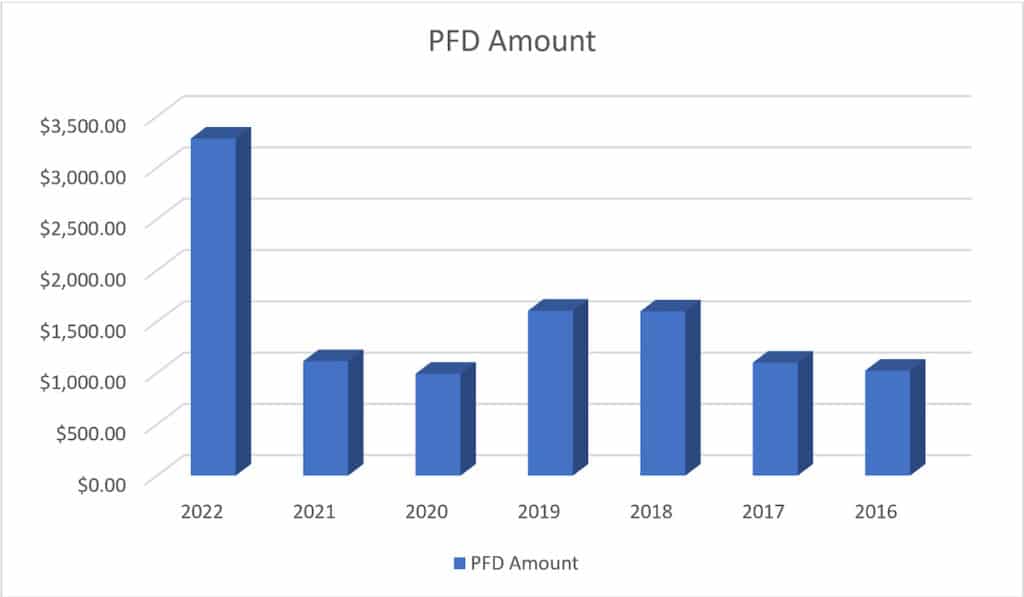
The concept is deceptively simple: every qualifying Alaskan receives an annual payment, a direct share of the state’s investment earnings. This isn’t a salary or a welfare program in the traditional sense; it’s a citizen’s share of the state’s collective wealth, designed to ensure that all Alaskans benefit from the oil resources, even after the oil wells run dry. The amount of the PFD varies each year, determined by a complex formula that considers the fund’s five-year average performance and legislative decisions. Historically, dividend amounts have ranged significantly. For instance, in 2008, residents received a record-high $2,069, coupled with an additional $1,200 energy rebate. More recently, in 2022, the dividend was $3,284 (including an energy relief payment), while in 2023, it was $1,312. These figures highlight the variability, underscoring that while a substantial sum, it shouldn’t be relied upon as a fixed income.
To be eligible for the PFD, an individual must have been an Alaska resident for a full calendar year prior to applying and intend to remain an Alaska resident indefinitely. There are also specific rules regarding absences from the state; generally, an applicant cannot be absent for more than 180 days in the qualifying year, with some exceptions for military service, college students, or medical treatments. The application window typically opens in January and closes in March, with payments distributed later in the year.
Beyond the PFD: Other Potential Financial Advantages
While the PFD is the most direct and widely recognized financial benefit, Alaska offers other fiscal advantages that can sweeten the deal for residents:
- No State Income Tax: Alaska is one of a handful of U.S. states that does not levy a state income tax. This means more of your hard-earned wages stay in your pocket, which can be a significant benefit, especially for those in higher income brackets.
- No State Sales Tax: Another attractive feature is the absence of a statewide sales tax. This generally makes many consumer goods and services cheaper than in states with high sales taxes. However, it’s important to note that some local municipalities in Alaska do impose their own sales taxes, particularly in popular tourist destinations like Juneau and Ketchikan. These local taxes typically range from 2% to 7.5%, so it’s wise to check local ordinances if you’re considering a move to a specific area.
- Property Tax Exemptions: Some Alaskan boroughs and cities offer property tax exemptions, particularly for seniors or veterans, which can help reduce the cost of homeownership.
- High-Paying Job Opportunities: Certain sectors in Alaska, especially those tied to its natural resources like oil and gas, commercial fishing, and mining, can offer competitive wages, often higher than the national average for comparable positions. The tourism industry also provides seasonal work opportunities, though these tend to be lower paid. While not a direct payment, the potential for earning a substantial income, combined with the lack of state income tax, can significantly improve one’s financial standing.
These financial incentives certainly make a compelling argument for moving to Alaska. However, to fully understand the picture, it’s crucial to weigh these benefits against the unique challenges and costs associated with living in the Last Frontier.
The Alaskan Lifestyle: Costs, Challenges, and Unrivaled Experiences
Moving to Alaska is not simply about collecting a dividend or enjoying tax benefits; it’s about embracing a distinct way of life that comes with its own set of challenges and rewards. The allure of untouched wilderness, vibrant wildlife, and tight-knit communities is powerful, but it’s essential to understand the practicalities of daily living in such a remote and rugged environment.
The Real Cost of Living in Alaska
Despite the financial incentives, the cost of living in Alaska is notably higher than the national average, often offsetting a significant portion of the PFD and tax savings. This elevated cost stems primarily from the state’s remoteness and the logistics of transporting goods.
- High Cost of Goods: Nearly everything, from groceries to consumer electronics, must be shipped long distances, either by sea or air, especially to more remote areas. This “bush tax” can inflate prices considerably. A gallon of milk or a loaf of bread might cost significantly more in Anchorage than in the lower 48 states, and even more in rural villages.
- Housing Costs: Housing costs vary widely across the state. Major urban centers like Anchorage and Juneau often see housing prices comparable to or even higher than some mid-sized cities in the contiguous U.S.. Rental properties can also be expensive, especially for quality accommodations or in areas with limited supply. However, more rural areas might offer more affordable housing, albeit with fewer amenities and services. From apartments and townhouses to single-family homes, the market dictates pricing, and demand often outstrips supply in popular areas.
- Utilities: Heating is a major concern in Alaska, particularly during the long, cold winters. Many homes rely on heating oil, which can be expensive, especially when global oil prices fluctuate. Electricity rates can also be higher due to less interconnected power grids. Internet and cell service, while improving, can still be spotty or expensive in more remote locations, impacting connectivity for both work and leisure.
- Transportation: Alaska’s vast distances make vehicle ownership almost a necessity for most residents, particularly outside of compact cities. Fuel costs are often higher than the national average. For travel between major population centers or to remote communities not accessible by road, flying is often the only option, and airfares within Alaska can be substantial. For those considering a move, understanding these logistical challenges is key.
- Healthcare: Access to specialized medical care can be limited outside of Anchorage and Fairbanks, often requiring travel and additional expenses for treatment. Health insurance premiums can also be higher in the state.
While the PFD and tax benefits certainly provide a financial cushion, it’s crucial to approach the move with a realistic understanding that these benefits are often absorbed by the higher cost of living. Living in Alaska is a lifestyle choice, not purely a financial one.
Embracing the Alaskan Way of Life
Beyond the numbers, life in Alaska offers experiences unlike anywhere else, shaping a unique lifestyle that attracts a certain type of individual.
- Outdoor Paradise: For nature lovers and outdoor enthusiasts, Alaska is a dream come true. With millions of acres of national parks, forests, and wilderness areas like Denali National Park and Kenai Fjords National Park, opportunities for hiking, fishing, hunting, skiing, kayaking, and wildlife viewing are limitless. Imagine spotting a grizzly bear from your kayak, watching whales breach in a fjord, or witnessing the mesmerizing dance of the Northern Lights from your doorstep. These experiences are fundamental to the Alaskan lifestyle and often cited as the primary reason people choose to stay.
- Unique Culture: Alaska’s culture is a rich tapestry woven from indigenous traditions, pioneer spirit, and a strong sense of community born from shared challenges. There’s a self-reliance and resilience among Alaskans, coupled with a willingness to help neighbors. Local festivals, art scenes, and culinary experiences often reflect this unique blend, offering a deep dive into the state’s heritage. The food scene, while sometimes expensive, offers unique delights like fresh salmon, halibut, and reindeer sausage, particularly in local restaurants.
- Seasonal Challenges: Adapting to Alaska’s extreme seasonal variations is perhaps the biggest lifestyle adjustment. Summers bring endless daylight, with the sun often staying above the horizon for 20 hours or more, fueling a vibrant season of outdoor activities. Winters, however, bring short, dark days, with minimal sunlight, especially in the interior and northern regions. This can impact mood and daily routines. Preparing for winter involves more than just a warm coat; it often means winterizing homes, preparing vehicles, and embracing activities like snowshoeing, ice fishing, or aurora hunting.
- Job Market: The job market can be seasonal, with booms in tourism, fishing, and construction during the summer months. Other sectors like healthcare, education, and government offer more stable, year-round employment. Those considering a move should research specific industries and job availability in their chosen field and preferred region.
Living in Alaska is an adventure, a commitment to a life intertwined with nature’s grandeur and challenges. It requires adaptability, resourcefulness, and a genuine appreciation for the outdoors.
Making the Move: Practical Considerations for Aspiring Alaskans
For those captivated by the idea of calling Alaska home, the practical steps involved in making the move are crucial. Understanding residency requirements, regional differences, and the logistics of relocation will pave the way for a smoother transition.
Residency Requirements and the Application Process
The gateway to receiving the Permanent Fund Dividend and fully integrating into Alaskan society is establishing legal residency. The rules are strict and designed to prevent temporary residents from claiming the dividend.
- Physical Presence and Intent: To qualify for the PFD, you must declare your intent to remain an Alaska resident indefinitely. This means taking steps to demonstrate your commitment to the state, such as obtaining an Alaska driver’s license or state ID, registering to vote, working in the state, and generally severing ties with your previous state of residence. You must also be physically present in Alaska for the entire calendar year preceding the application, with limited exceptions for certain types of absences (e.g., up to 180 days for personal travel, or longer for military service, college, or medical care).
- Application Process: The application for the PFD is typically open from January 1st to March 31st each year. It’s an online process, requiring detailed information about your residency, absences, and intent. It’s essential to keep meticulous records of your travel dates and any documentation that supports your claim of residency. The Alaska Department of Revenue, Permanent Fund Dividend Division oversees this process and provides comprehensive guides and FAQs.
Establishing residency goes beyond the PFD application; it’s about integrating into the community and adapting to the Alaskan way of life.
Finding Your Place: Major Cities and Regional Differences
Alaska is immense, and its regions offer vastly different lifestyles, climates, and opportunities. Deciding where to settle is a significant consideration.
- Anchorage: The Urban Hub: As Alaska’s largest city, Anchorage offers the most urban amenities, diverse job opportunities, and a relatively milder climate due to its coastal location. It serves as the primary economic engine and transportation hub, making it a popular choice for newcomers seeking a balance between wilderness access and city conveniences. Here, you’ll find hotels, resorts, and a range of accommodation options, along with diverse dining and cultural attractions.
- Fairbanks: Gateway to the Interior: Located in the heart of Alaska’s interior, Fairbanks is known for its extreme temperature swings, dry climate, and some of the best Northern Lights viewing opportunities. It’s a center for research, military operations, and a robust winter sports scene. The cost of living here can be slightly lower than Anchorage, but heating costs are significantly higher.
- Juneau: The Capital City: The state capital is unique in that it’s only accessible by air or sea. Nestled in the Tongass National Forest, Juneau is characterized by its lush rainforest climate, abundant rain, and strong tourism and government sectors. Housing can be scarce and expensive, reflecting its island-like isolation. This city offers unique travel experiences and is rich in local culture and history, a true destination for tourism.
- Southeast Alaska (e.g., Ketchikan, Sitka): The Panhandle: This region is defined by its stunning fjords, islands, and temperate rainforests. Communities here are often smaller, relying heavily on fishing, tourism, and forestry. The lifestyle is more remote, with strong community ties and a focus on marine activities. Accommodation here often involves charming local inns or boutique hotels for visitors, but long-term stays can require careful planning.
- Rural Villages: Beyond the major cities, hundreds of small, often predominantly Native Alaskan villages dot the landscape. Life here is often subsistence-based, incredibly remote, and presents unique challenges regarding infrastructure, services, and connectivity. These areas offer the most authentic Alaskan experience but are suitable only for those truly prepared for an off-grid lifestyle.
Each region offers distinct attractions and experiences, from historical landmarks to natural wonders, influencing everything from the job market to the types of outdoor activities available. Prospective residents should research thoroughly and ideally visit different areas before committing to a move.
Planning Your Long-Term Stay: Accommodation and Infrastructure
Securing long-term accommodation and understanding local infrastructure are vital steps for anyone planning a move.
- Housing Market: The housing market in Alaska can be competitive, especially in sought-after areas of Anchorage and Juneau. Renting is often the first step for newcomers, offering flexibility before committing to a purchase. It’s advisable to secure housing before arriving, especially during peak seasons, as options can be limited. For extended stays, looking beyond traditional hotels to apartments or even villas can offer a more authentic experience and potentially better value.
- Community and Isolation: Life in Alaska can involve periods of isolation, particularly in winter or in rural settings. Building strong community ties is essential for well-being and practical support. Many communities thrive on a neighborly spirit, where mutual assistance is common.
- Infrastructure: While cities have modern infrastructure, infrastructure in remote areas can be basic. This includes everything from roads and internet access to healthcare facilities and schools. Understanding these limitations is important for setting realistic expectations and planning for essentials. Travel guides often highlight amenities available in different areas, which can be useful for long-term planning.
In conclusion, while Alaska does indeed “pay you to live there” through its Permanent Fund Dividend and offers significant tax advantages, this financial incentive is just one piece of a much larger and more complex puzzle. The allure of the Last Frontier is multifaceted, drawing individuals with the promise of unparalleled natural beauty, adventure, and a unique way of life.
However, aspiring Alaskans must realistically weigh these benefits against the high cost of living, the logistical challenges of remoteness, and the demands of adapting to extreme seasonal changes. The PFD helps offset some expenses, but it is not a solution to all financial pressures. Ultimately, choosing to live in Alaska is a profound lifestyle decision, a commitment to a rugged, self-reliant existence deeply connected to nature. For those who embrace its challenges and savor its extraordinary rewards, the dividend is simply a bonus to an already rich and fulfilling life experience. It’s a journey into a land where adventure and community thrive, offering an unforgettable and truly unique place to call home.
LifeOutOfTheBox is a participant in the Amazon Services LLC Associates Program, an affiliate advertising program designed to provide a means for sites to earn advertising fees by advertising and linking to Amazon.com. Amazon, the Amazon logo, AmazonSupply, and the AmazonSupply logo are trademarks of Amazon.com, Inc. or its affiliates. As an Amazon Associate we earn affiliate commissions from qualifying purchases.