
The allure of a glitzy casino, the thrill of the spin, the chance to hit the jackpot – for many travelers, these elements are an integral part of a memorable vacation. When planning a trip to the Sunshine State, the question often arises: are casinos legal in Florida? This isn’t a simple yes or no answer, as the legal landscape surrounding gambling in Florida is nuanced, shaped by a complex history of legislation, tribal sovereignty, and voter initiatives. For those seeking an element of chance alongside their Florida adventures, understanding these intricacies is crucial.
Florida has long been a popular destination, drawing millions of visitors each year with its pristine beaches, vibrant theme parks, and diverse cultural attractions. From the bustling energy of Miami to the historic charm of St. Augustine, the state offers a wide array of experiences. Many of these experiences are enhanced by the presence of various forms of gambling, but the definition of “casino” and the legality of its operations can be a point of confusion.
This article aims to demystify the legal status of casinos in Florida, exploring the different types of gambling establishments, the regulations that govern them, and what travelers can expect when looking for a casino experience in the state. We will delve into the nuances that differentiate a full-scale casino resort from other forms of gambling, helping you plan your Florida vacation with confidence, whether your focus is on leisurely travel, exploring landmarks, or enjoying the local lifestyle.
Navigating the Complexities of Florida’s Gambling Laws
The legality of casinos in Florida is not a monolithic concept. Instead, it’s a patchwork of regulations that have evolved over decades. The primary distinction lies between casinos operated by federally recognized Native American tribes and those operated by non-tribal entities. This difference stems from federal laws, such as the Indian Gaming Regulatory Act (IGRA), which grants tribes the right to operate gaming facilities on their sovereign lands, often with fewer restrictions than what might apply to other businesses.
Tribal Casinos: A Significant Presence
Florida is home to several federally recognized Native American tribes, most notably the Seminole Tribe of Florida and the Miccosukee Tribe of Indians of Florida. These tribes operate several large, Las Vegas-style casino resorts across the state, offering a wide range of gaming options. These establishments are the closest Florida gets to traditional casinos found in other gambling meccas.
- Seminole Hard Rock Hotel & Casino Hollywood: This sprawling complex, located near Fort Lauderdale, is one of the most prominent tribal casinos in the state. It boasts a massive gaming floor with thousands of slot machines, electronic table games, and live dealer poker rooms. Beyond the gaming, it offers a luxurious hotel, world-class dining, a vibrant nightlife, and live entertainment, making it a comprehensive destination for luxury travel. The iconic guitar-shaped hotel is a landmark in itself.
- Seminole Casino Brighton: Situated in Okeechobee, this casino offers a more relaxed atmosphere but still provides a wide array of gaming opportunities, including slot machines and electronic table games. It’s a good option for those looking for a more intimate gambling experience while still enjoying the amenities of a casino resort.
- Seminole Casino Coconut Creek: Located in Coconut Creek, this venue features a wide selection of slot machines, table games, and a popular poker room. It also offers dining and entertainment options, contributing to the diverse tourism landscape of South Florida.
- Miccosukee Resort & Gaming: Operated by the **Miccosukee Tribe of Indians of *Florida*, this facility near the *Everglades* offers a significant gaming experience with slot machines, bingo, and simulcast betting. While not as sprawling as some of the Seminole properties, it remains a popular choice for those in the Miami-Dade area seeking gambling entertainment.
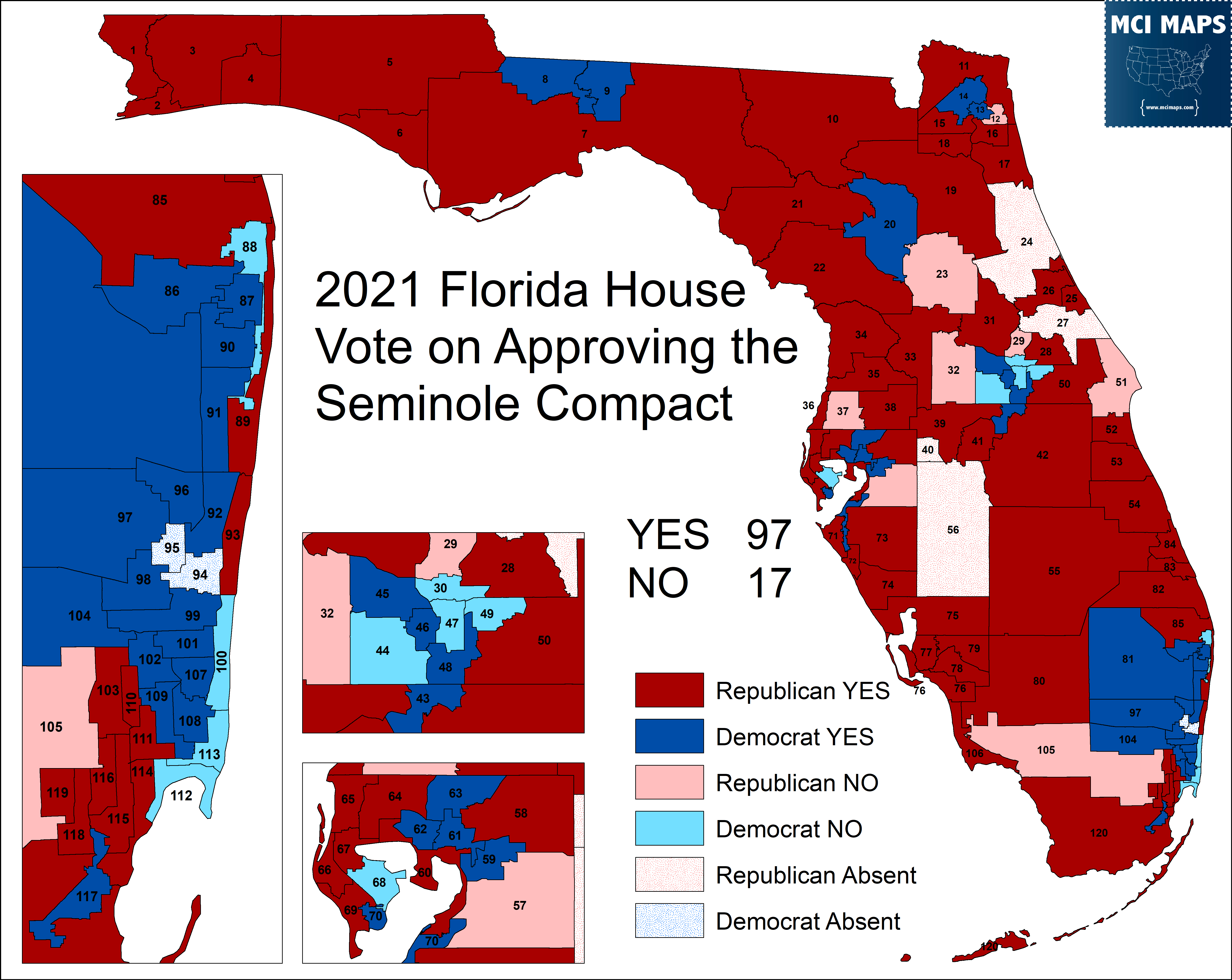
These tribal casinos operate under compacts negotiated with the state of Florida, which dictate the types of games allowed. In recent years, these compacts have been a source of legal and political debate, particularly concerning the expansion of gaming options. The Seminole Tribe, for instance, has had the exclusive right to offer banked card games like blackjack, although the legal status of this has been subject to ongoing challenges.
Other Forms of Gambling and “Casino-Style” Venues
Beyond the tribal operations, Florida has a more complex and often restricted approach to non-tribal gambling. While traditional, Vegas-style casinos operated by private companies are generally not permitted outside of tribal lands, the state does allow other forms of gambling that may offer a “casino-like” experience.
- Horse Racing and Jai-Alai Frontons: Florida has a history of pari-mutuel wagering on live horse racing and jai-alai. Many of these facilities, often referred to as “racinos,” have introduced slot machines and electronic gaming to supplement their traditional offerings. While these may not have the same breadth of table games as tribal casinos, they provide a significant gaming floor and are a popular form of entertainment for many. Examples include Gulfstream Park and The Silks Poker Room at Tampa Bay Downs.
- Card Rooms: Dedicated card rooms are legal in Florida and are a very popular form of gambling. These establishments primarily focus on poker and other card games, operating under specific regulations. While they don’t offer slot machines or roulette, they provide a vibrant atmosphere for card players and are a significant part of the tourism industry for those interested in competitive gaming.
- Bingo Halls: Charitable bingo is legal and widespread throughout Florida. While these are typically for charitable fundraising and have betting limits, they represent another form of legalized gambling.
It’s important to distinguish these from the large-scale casino resorts. The limitations on non-tribal casinos are a result of Florida’s gaming laws, which have historically been conservative regarding the expansion of gambling outside of tribal lands or specific pari-mutuel operations. Voter initiatives and legislative sessions frequently grapple with proposals to expand gambling, leading to a dynamic and sometimes confusing legal environment.
Understanding the Regulations and Restrictions
The legality of gambling in Florida is heavily influenced by state law and federal regulations, particularly concerning tribal gaming. The Florida Gaming Control Commission plays a role in overseeing authorized forms of gambling within the state.
Federal Influence: The Indian Gaming Regulatory Act (IGRA)
The Indian Gaming Regulatory Act (IGRA), enacted by the U.S. Congress in 1988, is a cornerstone of tribal gaming in America. IGRA establishes a framework for regulating gaming on Indian lands. Under this act, tribes can operate three classes of gaming:
- Class I: Social games for prizes of minimal value and traditional tribal ceremonies.
- Class II: Bingo, pull-tabs, and other games that are similar to bingo, as long as they are permitted by state law.
- Class III: All other forms of gaming, including casino-style games like slot machines, blackjack, and roulette. Class III gaming requires a tribal-state compact.
The ability of Florida tribes to offer Class III gaming, such as slot machines and banked card games, is contingent upon a negotiated compact with the state. These compacts can be complex and are subject to negotiation and sometimes legal challenges, impacting the types of games available at tribal casinos.
State Laws and Voter Initiatives
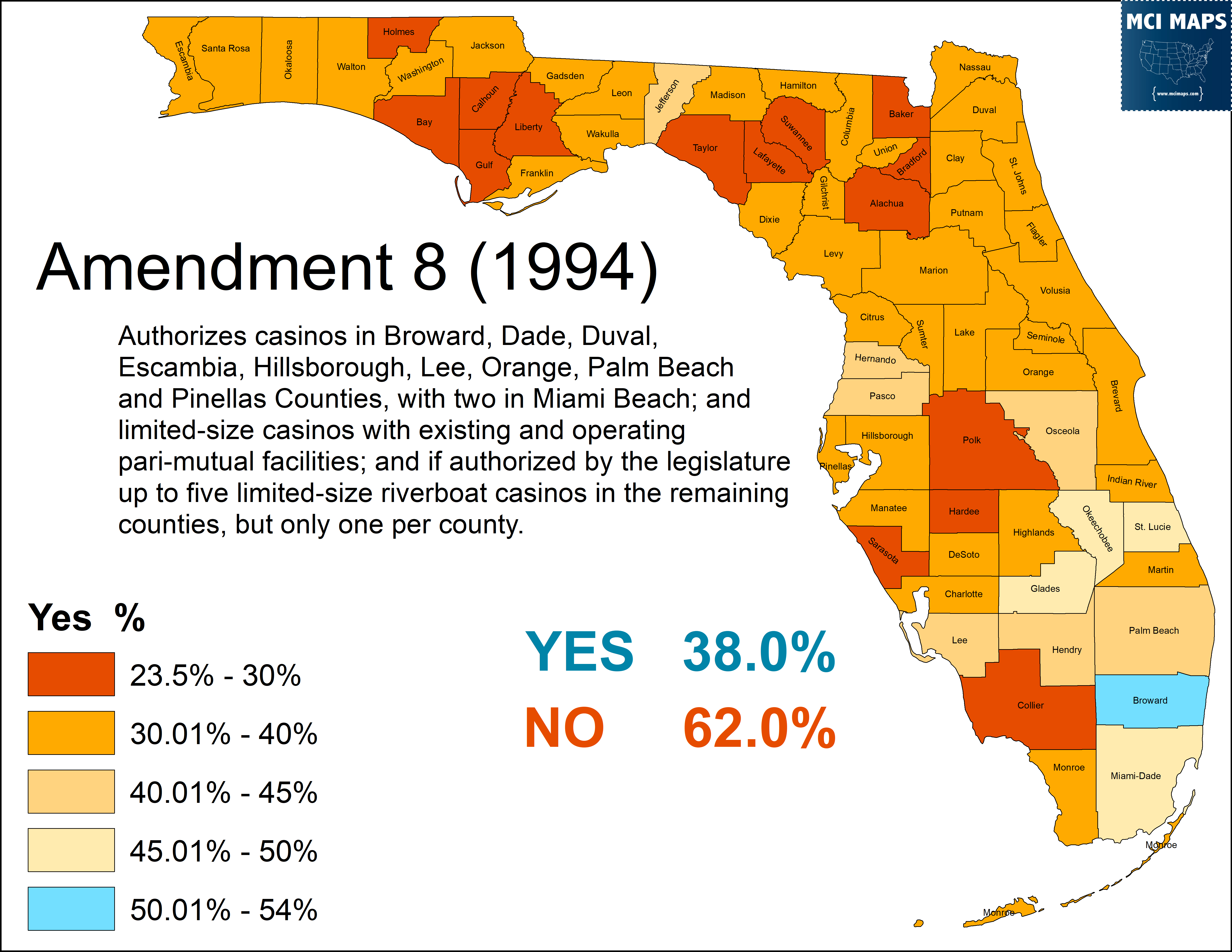
Florida voters have historically been hesitant to broadly approve casino-style gambling outside of tribal operations. While initiatives to allow more widespread casino gambling have been proposed and debated, they have often faced significant opposition. The state’s constitution has provisions that require voter approval for certain types of gambling expansion. This has led to a situation where tribal casinos are the primary providers of the full-fledged casino experience.
The legislative process in Florida regarding gambling is a continuous dialogue, with proposals for new forms of gaming, expansion of existing ones, and stricter regulations being introduced regularly. The outcome of these debates can significantly alter the gambling landscape, making it essential for travelers to stay informed about the latest developments.
Planning Your Casino-Related Travel in Florida
For travelers who wish to incorporate casino visits into their Florida itinerary, understanding the available options and their locations is key. The Florida tourism industry is diverse, and while theme parks and beaches are major draws, the gaming sector offers a complementary experience for many.
Where to Find Casino Action
The primary destinations for casino gaming in Florida are the large tribal casino resorts. These are strategically located across the state, offering accessibility to major population centers and tourist hubs:
- South Florida: The Seminole Hard Rock Hotel & Casino Hollywood is a major draw, easily accessible from Miami, Fort Lauderdale, and the surrounding areas. The Miccosukee Resort & Gaming offers another option closer to Miami.
- Central Florida: The Seminole Hard Rock Hotel & Casino Tampa provides a significant gaming and entertainment complex for those in the Tampa Bay region.
- North Florida: The Seminole Casino Jacksonville and Seminole Casino Immokalee cater to visitors in the northern and southwestern parts of the state, respectively.
- Southwest Florida: The Seminole Casino Immokalee is a notable gaming destination in this region.
When planning your stay, consider the type of experience you’re seeking. The larger resorts offer a comprehensive package of accommodation, dining, entertainment, and of course, gaming. If your interest is purely in poker, then dedicated card rooms might be a better fit.
Beyond the Gaming Floor: A Comprehensive Travel Experience
It’s important to remember that Florida is a multifaceted destination. Even if casinos are a significant part of your travel plans, they can be integrated with other popular attractions.
- Theme Parks: Many visitors combine casino visits with trips to Walt Disney World, Universal Orlando Resort, or SeaWorld Orlando. The gaming resorts often offer shuttle services or are within driving distance of these major theme park destinations.
- Beaches and Natural Attractions: Florida‘s coastline is legendary. After a night of gaming, one can easily transition to relaxing on the beaches of the Gulf Coast or exploring the unique ecosystems of the Everglades.
- Cultural and Historical Sites: Cities like St. Augustine offer a rich historical tapestry, while Miami boasts a vibrant arts and culture scene. These can be explored before or after a casino visit.
- Dining and Nightlife: The casino resorts themselves often feature a wide array of restaurants, from casual eateries to fine dining establishments, as well as bars and nightclubs, contributing to the lifestyle and entertainment offerings of the area.
In conclusion, while the question of “Are Casinos Legal In Florida?” might seem straightforward, the reality is a nuanced landscape of tribal sovereignty, state regulations, and evolving gaming laws. Travelers can certainly find a casino experience in Florida, primarily at the impressive tribal casino resorts, which offer a full spectrum of gaming and entertainment. By understanding the legal framework and the distribution of these facilities, visitors can confidently plan a Florida vacation that includes the thrill of the casino alongside the state’s abundant travel and tourism opportunities.
LifeOutOfTheBox is a participant in the Amazon Services LLC Associates Program, an affiliate advertising program designed to provide a means for sites to earn advertising fees by advertising and linking to Amazon.com. Amazon, the Amazon logo, AmazonSupply, and the AmazonSupply logo are trademarks of Amazon.com, Inc. or its affiliates. As an Amazon Associate we earn affiliate commissions from qualifying purchases.