
The Sunshine State of Florida, renowned for its pristine beaches, vibrant theme parks, and sprawling citrus groves, is not typically the first place that springs to mind when one contemplates dramatic mountain ranges or rugged alpine landscapes. Its geography is famously flat, a characteristic that has shaped its development, tourism, and way of life. Yet, the question “Are there any mountains in Florida?” often sparks curiosity, particularly among those accustomed to visiting states like Colorado or California, where towering peaks are an defining feature. To answer this directly: no, Florida does not possess mountains in the conventional sense – those towering, geologically formed masses of rock that reach significant elevations. However, the absence of true mountains doesn’t mean Florida is entirely devoid of elevation, interesting topography, or elevated viewpoints that can offer a sense of ascent and expansive vistas. The answer to this seemingly simple question opens a fascinating discussion about geology, perception, and what constitutes a “mountain” when exploring the unique landscape of this southeastern gem.
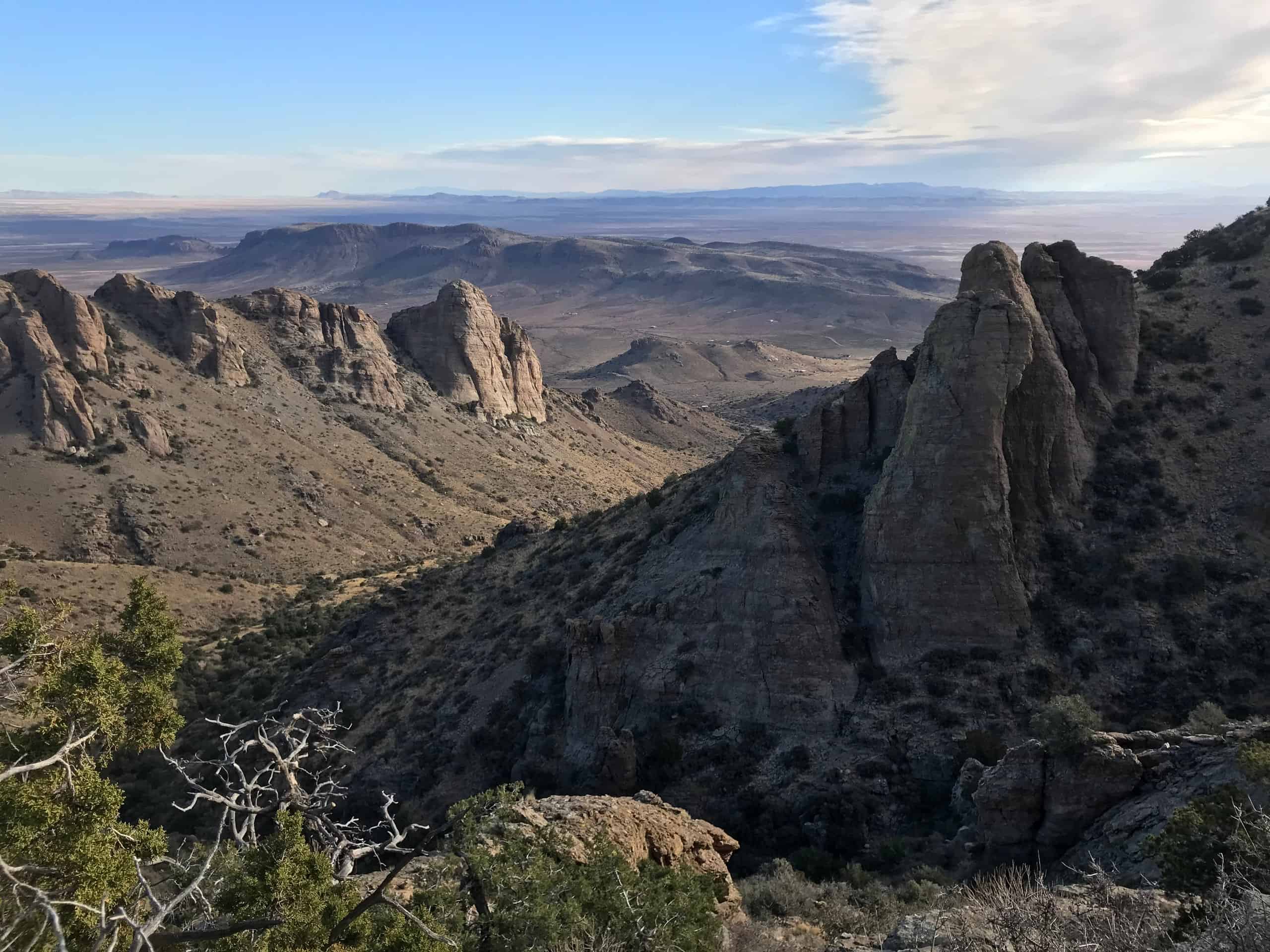
This exploration will delve into Florida’s geological makeup, examining the factors that have contributed to its predominantly flat terrain. We will then shift focus to understand what Florida does offer in terms of elevated experiences and natural features that might, for some, evoke the spirit of mountainous exploration, even if they don’t fit the strict definition. From the highest natural point in the state to the rolling hills and even man-made structures that provide elevated perspectives, we’ll discover that Florida’s allure extends beyond its famed coastline. This journey will also touch upon how this unique topography influences travel and tourism, shaping the kinds of outdoor activities and attractions available, and ultimately, what kind of lifestyle one can expect when visiting or living in this captivating corner of the United States.
The Geological Canvas: Why Florida is Flat
Florida’s low elevation and lack of mountains are deeply rooted in its geological history and composition. Unlike many mountainous regions formed by tectonic plate collisions, uplifting forces, or volcanic activity, Florida is primarily a result of sedimentary processes and its proximity to the ocean. The bedrock upon which Florida is built is largely composed of limestone, sand, and clay, deposited over millions of years as ancient seabeds. This sedimentary material, laid down horizontally, has remained largely undisturbed by the intense geological forces that create mountain ranges elsewhere.
The entire peninsula is essentially a vast, emergent continental shelf. During periods of glaciation, when vast amounts of water were locked up in ice sheets, sea levels were considerably lower, and much of what is now submerged off the coast of Florida was dry land. As the ice melted and sea levels rose, these low-lying coastal plains became inundated, shaping the coastline we see today. This process of deposition and inundation has resulted in a landmass that is extraordinarily flat, with a general slope from north to south.
The average elevation in Florida is only 30 feet (9 meters) above sea level, making it the lowest-lying state in the United States. This characteristic makes the state particularly vulnerable to rising sea levels and hurricanes, further highlighting its geological makeup as a low-lying coastal plain. The absence of significant geological uplift means that the forces responsible for creating dramatic mountain ranges simply haven’t been at play in this region. Instead, Florida’s natural features are sculpted by water – rivers, wetlands, swamps, and the persistent influence of the Atlantic Ocean and the Gulf of Mexico.
Florida’s Subtropical Karst Landscape
While lacking mountains, Florida’s geology does present unique features, most notably its karst topography. This is a landscape characterized by the dissolution of soluble rocks, primarily limestone, by water. Over millennia, this slow erosion has created a network of underground caves, sinkholes, and underground rivers. While these features aren’t mountains, they contribute to a subtly varied landscape that can include depressions, hills, and underground formations that are fascinating in their own right.
The formation of these karst features can, in some localized areas, create undulations in the land surface that might be perceived as small hills or mounds. These are not mountains, but they are a testament to the dynamic geological processes still at work beneath the surface. These underground systems are crucial to Florida’s water supply, filtering water through the porous limestone and feeding its numerous springs.
Beyond the Summits: Florida’s Elevated Experiences
While the definition of a mountain is clear, the human experience of “elevation” and “view” is more fluid. Florida, in its own unique way, offers opportunities to gain perspective and appreciate expansive vistas that can be truly breathtaking, even if they don’t involve scaling a rocky peak. These experiences range from the highest natural points to the allure of elevated resorts and the unique natural formations that define the state.
The Pinnacle of Natural Elevation: Britton Hill
For those seeking the highest natural point in Florida, the answer lies in Britton Hill. Located in Holmes County, in the extreme western part of the panhandle, Britton Hill stands at a modest 345 feet (105 meters) above sea level. To call it a “mountain” would be an overstatement of epic proportions. It is, in fact, a gentle rise in the land, marked by a small monument and a historical marker. It’s a destination that attracts those who wish to say they’ve stood on the highest ground in the state, a quirky landmark for avid travelers and trivia enthusiasts.
The journey to Britton Hill is itself characteristic of Florida’s landscape – driving through rolling farmland and forests, with gradual inclines rather than steep ascents. The view from Britton Hill is not one of dramatic panoramas of distant peaks, but rather a sweeping vista of the surrounding countryside, a gentle, undulating expanse of green. It’s a testament to Florida’s character: even its highest point offers a humble, serene beauty, far removed from the rugged grandeur of traditional mountain ranges. This experience, while not mountaineering, fulfills a desire for reaching a geographical extreme, a unique point of reference within the state’s topography.
Rolling Hills and Scenic Vistas: The “Ridge” and Beyond

While most of Florida is characterized by flat plains, there are regions that offer a more undulating terrain. The most notable of these is the Central Florida Ridge, also known as the Winter Haven Ridge or the Highlands Ridge. This geological formation, running north to south through the center of the peninsula, is actually an ancient ancient sand dune system that was deposited millions of years ago when sea levels were higher.
The “ridge” offers elevations of up to around 250-300 feet (76-91 meters) in some areas, making it the highest “hummocky” terrain in the state outside of the panhandle. Cities like Orlando, Lakeland, and Winter Haven are situated on or near this ridge, and the landscape here is noticeably more varied than in the coastal lowlands. You’ll find rolling hills, deeper ravines (formed by sinkholes), and a greater concentration of lakes nestled within the dips and rises.
This elevated terrain provides some of Florida’s most scenic drives and is a prime location for fruit groves, particularly citrus. The higher ground offers better drainage, making it ideal for agriculture. For travelers seeking a glimpse of Florida’s topography beyond the pancake-flat stereotypes, exploring the Central Florida Ridge offers a refreshing change of scenery. The elevated positions can also offer pleasant, expansive views, especially in areas with large lakes, where the water can create the illusion of vastness.
Elevated Perspectives: Resorts and Man-Made Marvels
Florida’s tourism industry, keenly aware of the desire for unique perspectives, has capitalized on its available elevations, however modest. Many resorts and hotels are strategically built on higher ground or offer elevated vantage points to maximize views and provide a sense of spaciousness and grandeur.
Luxury resorts in areas like Miami‘s beachfront, while not built on natural mountains, often boast towering structures that offer unparalleled views of the Atlantic Ocean and the city skyline. Staying in a high-floor suite at a hotel on South Beach or in downtown Miami can provide a truly elevated experience, akin to looking out from a mountain overlook, albeit one of urban sprawl and coastal beauty. The Four Seasons Hotel Miami, for instance, is one of the tallest buildings in Florida, offering incredible vistas from its upper floors.
Beyond hotels, man-made attractions also play a role in providing elevated perspectives. Observational towers at theme parks, such as the Tower of Terror at Walt Disney World Resort (though the experience is more about the ride than the view), or Ferris wheels like The Wheel at ICON Park in Orlando, offer panoramic views of the surrounding landscape. Even certain bridges, like the Sunshine Skyway Bridge that spans Tampa Bay, provide a sense of height and a sweeping view of the water and the coastline. These structures, while not natural mountains, fulfill the human desire to gain perspective from a higher vantage point, offering a different kind of “summit” experience in the Sunshine State.
Lifestyle and Travel in a Flat Landscape
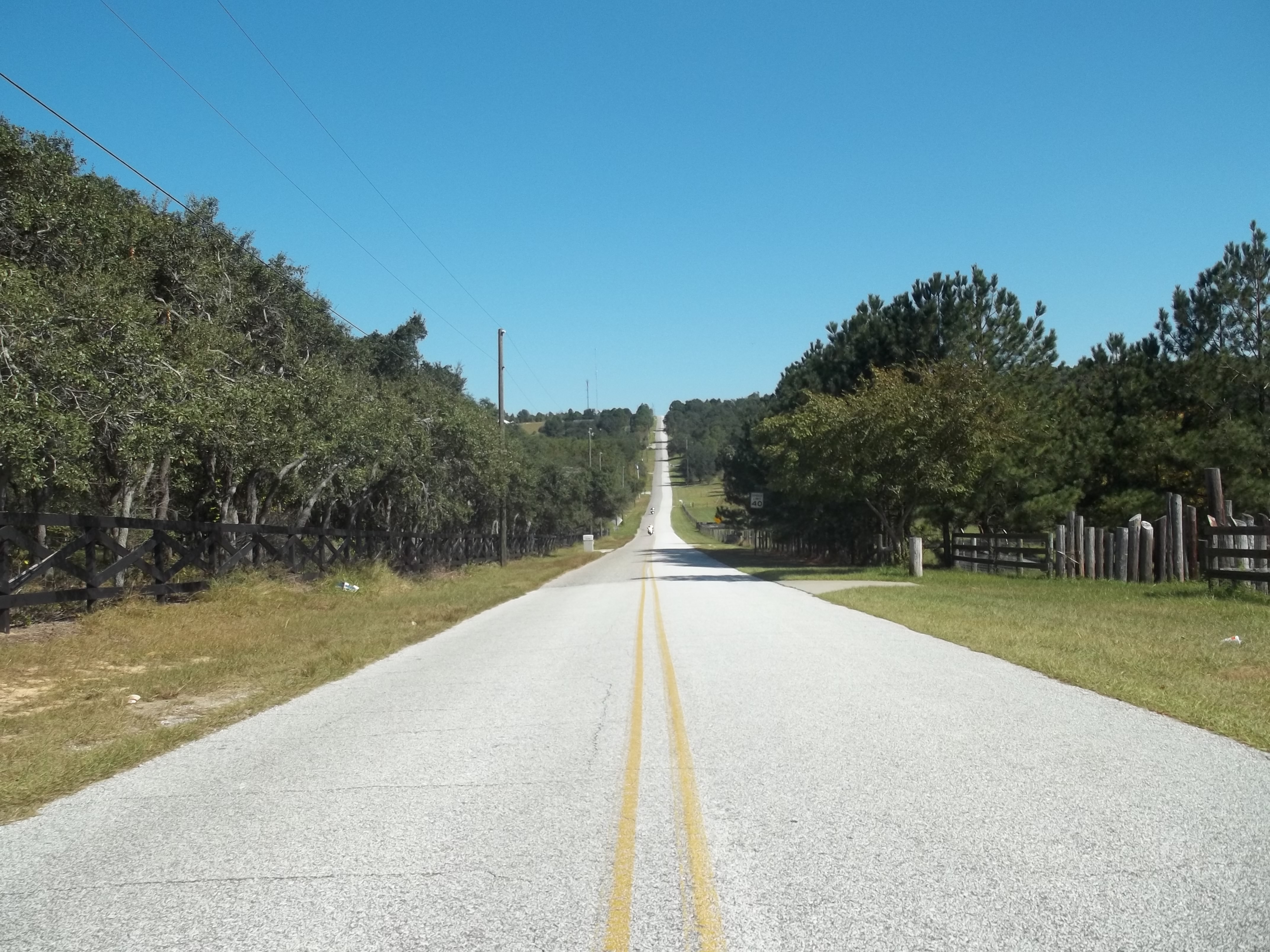
Florida’s unique topography profoundly influences its lifestyle and the types of travel experiences it offers. The absence of mountains means that traditional mountain-based activities like skiing, rock climbing, or extensive hiking on steep trails are not part of the typical Florida adventure. Instead, the focus shifts to water-based recreation, outdoor pursuits suited to flatter terrains, and the exploration of natural coastal and inland environments.
Travel and Tourism: Embracing the Lowlands
Travelers to Florida are drawn by its miles of sandy beaches, its world-renowned theme parks like Walt Disney World and Universal Orlando Resort, and its vibrant cities such as Miami, Tampa, and Jacksonville. The tourism industry thrives on sunshine, water, and entertainment. Water sports are paramount: swimming, sunbathing, surfing, boating, fishing, and kayaking are popular year-round. The extensive network of rivers, lakes, and wetlands also supports activities like airboat tours through the Everglades, a truly unique Florida experience.
For those seeking outdoor adventures that might elsewhere involve mountains, Florida offers extensive state parks and natural areas. While you won’t find challenging mountain climbs, you can explore vast forests, coastal dunes, and unique ecosystems. Hiking and biking trails are abundant, often traversing relatively flat terrain through beautiful natural settings. Ocala National Forest, for instance, offers miles of trails for hiking and off-road biking, showcasing the state’s diverse flora and fauna without significant elevation changes.
The accommodation options are as varied as the state’s offerings. From luxury beachfront resorts and family-friendly hotels to charming villas and budget-friendly apartments, Florida caters to every travel style. Hotels often boast stunning ocean views or tranquil lakefront settings, making the most of the available natural beauty. For longer stays, the relaxed lifestyle and warm climate make Florida an attractive destination for those seeking a more permanent escape.
Lifestyle: A Different Kind of Adventure
The lifestyle in Florida is inherently linked to its geography. Outdoor living is a dominant theme, with residents and visitors alike embracing the warm climate. The emphasis is on leisure, recreation, and enjoying the natural beauty. The “luxury travel” aspect often involves high-end resorts and exclusive coastal properties, while “budget travel” can be found in quaint motels, campgrounds, and more affordable apartment rentals.
For families, Florida offers a wealth of activities, from theme park thrills to educational nature centers. The flat landscape makes it easy for families with young children to explore and enjoy outdoor activities without the physical demands of mountainous terrain. Business travel is also a significant sector, with major convention centers and a thriving business hub in cities like Orlando and Tampa.
The concept of “landmarks” in Florida often refers to natural wonders like the Everglades National Park, Dry Tortugas National Park, or the many natural springs that dot the state, such as Silver Springs State Park. Man-made landmarks like the Kennedy Space Center Visitor Complex or the historic architecture of cities like St. Augustine are also significant draws. Even in its understated way, Florida’s unique geological character, though lacking in towering mountains, offers a rich tapestry of experiences that appeal to a broad range of travelers and lifestyles. It’s a place where elevation is measured not in jagged peaks, but in the vastness of the horizon, the sparkle of the water, and the warmth of the sun.
LifeOutOfTheBox is a participant in the Amazon Services LLC Associates Program, an affiliate advertising program designed to provide a means for sites to earn advertising fees by advertising and linking to Amazon.com. Amazon, the Amazon logo, AmazonSupply, and the AmazonSupply logo are trademarks of Amazon.com, Inc. or its affiliates. As an Amazon Associate we earn affiliate commissions from qualifying purchases.