
The vibrant and voluptuous blooms of hydrangeas are a dream for many gardeners, conjuring images of lush gardens and picturesque landscapes. However, for those residing in the Sunshine State, a common question arises: Can hydrangeas truly thrive in Florida’s unique climate? The answer, as with many horticultural endeavors in this diverse state, is nuanced. While not all hydrangea varieties are suited to the intense heat and humidity of Florida, a select few can flourish with the right care and a bit of strategic planting. This guide delves into the possibilities, challenges, and successes of growing hydrangeas in Florida, offering insights for gardeners looking to add these beloved shrubs to their landscapes.

Florida’s climate presents a distinct set of challenges for plants accustomed to more temperate zones. The sweltering summers, high humidity, and sandy soils can be unforgiving. Hydrangeas, particularly the popular Hydrangea macrophylla (bigleaf hydrangea), are notorious for their sensitivity to heat stress, often struggling to produce their signature mophead or lacecap blooms in regions experiencing prolonged periods of scorching temperatures. However, horticulturalists and passionate gardeners have identified specific varieties and cultivation techniques that allow these beauties to not just survive, but to truly bloom in many parts of Florida.
Understanding Hydrangea Varieties for Florida
The key to successful hydrangea cultivation in Florida lies in choosing the right variety. Not all hydrangeas are created equal, and their suitability for the state’s climate varies significantly. For instance, the classic bigleaf hydrangeas, while stunning, often require a significant amount of shade and careful watering to survive the Florida heat. On the other hand, some less common, but equally beautiful, varieties have proven to be more resilient.
The Resilient Choices: Hydrangeas That Can Thrive
When considering hydrangeas for Florida, several species stand out as more adaptable and likely to succeed. These varieties have shown a greater tolerance for the heat, humidity, and often sandy soils found throughout the state.
-
Panicle Hydrangeas (Hydrangea paniculata): These are arguably the most reliably successful hydrangeas for Florida. Varieties like ‘Limelight’, ‘Little Lime’, ‘Bobo’, and ‘Quick Fire’ are known for their adaptability. They bloom on new wood, meaning they can produce flowers even if winter frosts damage their stems. Their cone-shaped flower clusters are less susceptible to wilting in intense heat compared to the large, flat blooms of some other types. They generally prefer full sun to partial shade, with morning sun being ideal in the hotter southern parts of the state. Their ability to withstand a wider range of temperatures makes them a top choice for Florida gardeners.
-
Smooth Hydrangeas (Hydrangea arborescens): The native smooth hydrangea, Hydrangea arborescens, and its cultivars, such as ‘Annabelle’ and ‘Incrediball’, are also good candidates. While they might appreciate some afternoon shade in the most intense heat, they are generally hardier than bigleaf hydrangeas. Their large, white, snowball-like blooms are a striking addition to any garden. They bloom on new wood, ensuring consistent flowering.
-
Oakleaf Hydrangeas (Hydrangea quercifolia): Native to the southeastern United States, the oakleaf hydrangea is exceptionally well-suited to Florida’s conditions. Its deeply lobed, oak-shaped leaves offer attractive foliage throughout the year, and its conical clusters of white flowers in summer turn to a beautiful rosy-pink as they mature. In autumn, the foliage transforms into stunning shades of red, burgundy, and orange. This variety is drought-tolerant once established and can handle more sun than other hydrangeas, although some shade, especially from the harsh afternoon sun, is still beneficial.
-
Climbing Hydrangeas (Hydrangea anomala subspecies petiolaris): For vertical interest, climbing hydrangeas are an option, but they are slower to establish and prefer shady, moist locations. They are less common in Florida gardens due to their specific cultural needs, but can be successful with consistent moisture and protection from direct sun.
The Challenging Varieties: When to Exercise Caution
While the above varieties offer the best chances of success, it’s important to acknowledge the challenges associated with growing other popular types in Florida.
-
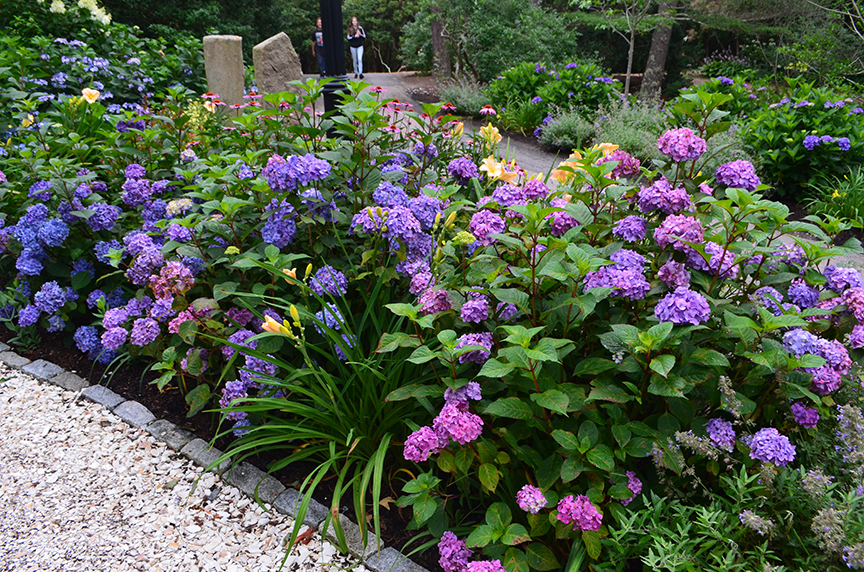
Bigleaf Hydrangeas (Hydrangea macrophylla): These are the iconic hydrangeas often seen in gardening magazines and at garden centers in cooler climates. Their large, round or flat flower heads and the ability to change bloom color based on soil pH make them highly desirable. However, they are very sensitive to heat and drought. In Florida, they typically require deep shade, especially during the hottest parts of the day, and consistent, ample watering. Even with these precautions, blooms can be sparse, and plants may struggle to thrive, particularly in the more southerly regions. They bloom on old wood, meaning they can lose their flower buds to frost in the northern parts of Florida, and then struggle to rebloom from new wood in the summer heat.
-
Mophead and Lacecap Hydrangeas: These are sub-types of the bigleaf hydrangea and share the same challenges in the Florida climate. Their delicate blooms and susceptibility to wilting in high temperatures and humidity make them a difficult choice for many Florida gardeners.
Cultivating Success: Essential Tips for Florida Hydrangea Growers
Growing hydrangeas in Florida is not an impossible dream, but it requires understanding the plant’s needs and adapting them to the local environment. The right location, consistent watering, and appropriate soil management are crucial for success.
Location, Location, Location: Finding the Ideal Spot
The most critical factor for hydrangea success in Florida is shade. While some varieties can tolerate more sun, most hydrangeas, especially the more sensitive bigleaf types, will struggle in the intense, direct sunlight of a Florida afternoon.

-
Morning Sun, Afternoon Shade: This is the golden rule for most hydrangeas in Florida. A location that receives gentle morning sun and is protected from the harsh, direct sun from approximately 11 AM to 4 PM is ideal. This can be achieved by planting them on the east side of a building, under the canopy of larger trees, or near structures that cast shade during the afternoon.
-
Consider the Microclimate: Different parts of Florida have varying climate intensities. South Florida experiences longer periods of intense heat and humidity compared to North Florida. Gardeners in the Panhandle or northern regions might have slightly more flexibility with sun exposure, but afternoon shade is still highly recommended for most varieties.
-
Protection from Wind: Strong winds can desiccate hydrangea leaves and damage their delicate blooms. Planting them in a somewhat sheltered location can help preserve their beauty.
Watering and Soil Management: The Thirst Quenchers
Hydrangeas are thirsty plants, and this is amplified in Florida’s hot climate. Consistent moisture is essential for their survival and flowering.
-
Deep and Consistent Watering: Water deeply and less frequently rather than shallowly and often. This encourages deeper root growth, making the plant more resilient. During dry spells or periods of extreme heat, daily watering might be necessary, especially for newly planted shrubs.
- Mulching is Key: Apply a generous layer of organic mulch (such as pine bark, wood chips, or compost) around the base of the plant, keeping it a few inches away from the stem. Mulch helps retain soil moisture, suppresses weeds, and keeps the soil cooler.
-
Soil Improvement: Florida soils are often sandy and nutrient-poor, with a tendency to drain quickly. Hydrangeas prefer well-draining soil that is rich in organic matter.
- Amend Your Soil: Before planting, amend the planting hole generously with compost or well-rotted manure. This will improve water retention and provide essential nutrients.
- Soil pH and Color: For bigleaf hydrangeas, soil pH influences bloom color. Acidic soil (lower pH) tends to produce blue blooms, while alkaline soil (higher pH) yields pink flowers. Aluminum is responsible for the blue color, and it becomes more available to the plant in acidic conditions. However, in Florida, soil pH can be more alkaline naturally, making it harder to achieve blue blooms without significant amendments. For Oakleaf, Panicle, and Smooth hydrangeas, the pH is less critical for bloom color but still impacts overall plant health.
Pruning and Fertilizing: Nurturing Growth
Proper pruning and fertilization can help hydrangeas thrive and bloom profusely. Understanding when and how to prune is crucial, especially for varieties that bloom on old wood versus new wood.
-
Pruning Based on Bloom Cycle:
- Old Wood Bloomers (Hydrangea macrophylla, H. serrata): These bloom on the previous year’s growth. Pruning them in late winter or early spring can remove the very stems that would produce flowers. The best time to prune these is immediately after they finish flowering in the summer. Deadhead spent blooms and remove any dead or weak branches.
- New Wood Bloomers (Hydrangea paniculata, H. arborescens): These bloom on the current season’s growth. They are more forgiving and can be pruned in late winter or early spring before new growth begins. This type of pruning encourages stronger stems and larger flower clusters.
-
Fertilization: Hydrangeas are not heavy feeders. Over-fertilizing can lead to excessive leafy growth at the expense of blooms.
- Slow-Release Fertilizer: Use a balanced, slow-release fertilizer in early spring as new growth appears. For bigleaf hydrangeas, you can use a fertilizer specifically designed to promote blue or pink blooms if you wish to influence the color, but remember that consistent soil pH management is key.
- Organic Matter: Incorporating compost annually is often a better and gentler way to provide nutrients than relying solely on synthetic fertilizers.
Hydrangeas as Part of the Florida Landscape: Integrating Beauty and Function
Beyond the gardening aspect, hydrangeas can be a stunning addition to various Florida landscapes, from the manicured gardens of a luxury resort to the charming cottage-style backyards. Their visual appeal can enhance the overall aesthetic and contribute to the lush, tropical feel many homeowners and visitors seek.
Creating a Hydrangea Haven: Design Ideas
Incorporating hydrangeas into your Florida garden design can create eye-catching displays.
- Companion Planting: Pair hydrangeas with other shade-tolerant plants that thrive in Florida’s climate. Consider ferns, hostas (in shadier, moist areas), caladiums, impatiens, and azaleas. The contrasting textures and colors can create a visually rich and dynamic garden.
- Mass Plantings: For a dramatic effect, plant several hydrangeas of the same or complementary varieties together. This creates a stunning focal point, especially when in full bloom.
- Container Gardening: If garden space is limited or soil conditions are challenging, consider growing hydrangeas in large containers. This allows for better control over soil composition and watering, and the pots can be moved to optimize sun exposure.
- Border Planting: Use oakleaf or panicle hydrangeas as a backdrop for lower-growing flowering plants or as a border along pathways or fences.
Experiencing Hydrangeas in Florida Destinations
Throughout Florida, you can find stunning examples of hydrangeas, often in botanical gardens, historic estates, and even around charming boutique hotels. Visiting these locations can provide inspiration and practical advice for your own gardening endeavors.
- Botanical Gardens: Many botanical gardens across Florida, such as the Fairchild Tropical Botanic Garden in Coral Gables or the Harry P. Leu Gardens in Orlando, feature diverse collections of plants, including various hydrangea species. These gardens offer a fantastic opportunity to see which varieties perform best in the local conditions and to learn about proper cultivation techniques from experts.
- Historic Estates and Homes: Old estates often have mature gardens where hydrangeas have had decades to establish themselves. Exploring these historic sites can reveal how hydrangeas have been integrated into traditional Florida landscaping.
- Resorts and Hotels: Many upscale resorts and hotels across Florida, from Miami to the Panhandle, utilize hydrangeas in their landscaping to create a sense of luxury and natural beauty. Imagine enjoying a cocktail on the terrace of a stunning resort like the Ritz-Carlton Amelia Island, surrounded by meticulously maintained gardens that might feature these beloved blooms.
In conclusion, while growing hydrangeas in Florida presents its challenges, it is far from impossible. By carefully selecting resilient varieties like panicle, smooth, and oakleaf hydrangeas, and by providing them with the essential elements of shade, consistent moisture, and improved soil, Florida gardeners can enjoy the breathtaking beauty of these iconic flowers. The effort invested will undoubtedly be rewarded with vibrant blooms that transform any garden into a personal paradise, a testament to the adaptability of nature and the dedication of passionate gardeners.
LifeOutOfTheBox is a participant in the Amazon Services LLC Associates Program, an affiliate advertising program designed to provide a means for sites to earn advertising fees by advertising and linking to Amazon.com. Amazon, the Amazon logo, AmazonSupply, and the AmazonSupply logo are trademarks of Amazon.com, Inc. or its affiliates. As an Amazon Associate we earn affiliate commissions from qualifying purchases.