
The fragrant allure of lavender, with its calming scent and beautiful purple blooms, conjures images of rolling hills in Provence or sun-drenched fields in the Mediterranean. It’s a plant intrinsically linked to certain climates. However, as many a curious gardener or traveler has wondered, can this beloved herb thrive in the unique environment of Florida? The answer, like many things in the Sunshine State, is nuanced. While the classic image of vast lavender fields might be challenging to replicate, with the right approach and variety selection, it is indeed possible to cultivate lavender in Florida, albeit with some specific considerations.
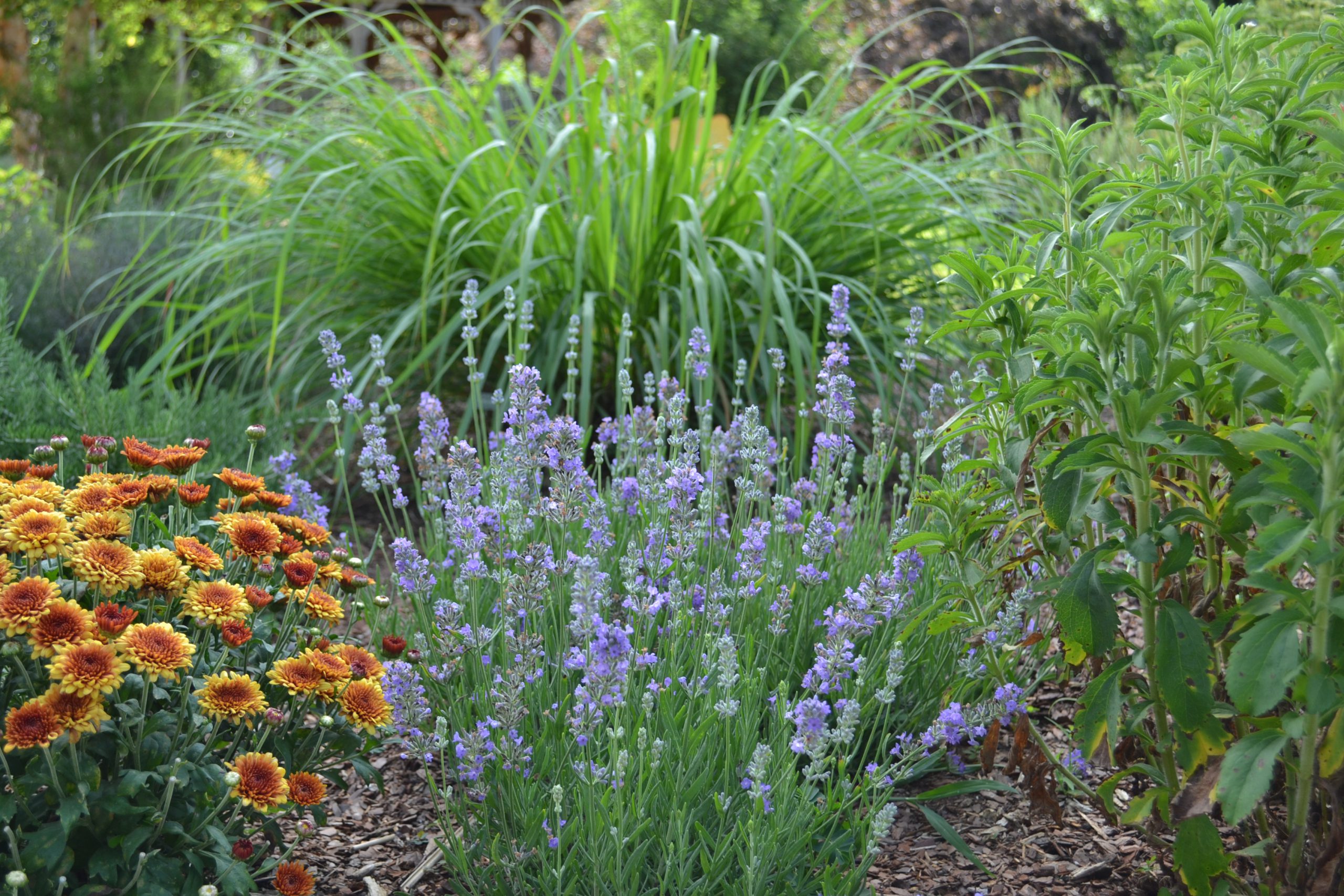
Florida’s climate presents a distinct set of challenges and opportunities for any plant. Its humid subtropical conditions, with hot, wet summers and mild winters, differ significantly from the dry, warm summers and cool winters typically favored by many lavender varieties. This is the primary hurdle for lavender growers in the state. Traditional culinary lavenders, such as Lavandula angustifolia (English lavender), often struggle with the excessive moisture and high humidity, which can lead to root rot and fungal diseases. The Sunshine State’s intense heat and relentless sunshine, while seemingly ideal, can also be overwhelming for some lavender species if not managed properly.
Despite these challenges, the desire to experience the magic of lavender in Florida persists. This curiosity often stems from the state’s rich tourism landscape. Visitors flock to Florida for its pristine beaches, vibrant theme parks, and diverse natural beauty. Many travelers, accustomed to seeing lavender in European gardens or in various lifestyle products, wonder if they can find similar aromatic experiences closer to home within the United States. This question often arises when exploring potential destinations for a relaxing getaway, looking for unique souvenirs, or even considering a move to the state and wanting to bring a touch of familiar beauty to their new surroundings. The allure of lavender extends beyond just its aesthetic appeal; its use in aromatherapy, skincare, and culinary applications makes it a desirable plant to have readily available.
The Challenge of Florida’s Climate for Lavender Cultivation
Florida’s climate is characterized by its high humidity, particularly during the summer months, and its generally warm temperatures year-round. Lavender, in its most common forms, prefers well-drained soil and a drier climate. The combination of excessive moisture and heat can create a breeding ground for fungal diseases, such as root rot, which can quickly decimate lavender plants. English lavender, while popular, is notoriously sensitive to these conditions. Its delicate roots are easily waterlogged, and its foliage can become susceptible to mildew when exposed to prolonged dampness.
Understanding Lavender’s Preferences
To truly understand why lavender might struggle in Florida, it’s essential to delve into its native habitats. Most lavender species hail from the Mediterranean region, a climate characterized by hot, dry summers and mild, wet winters. This means that lavender plants are adapted to periods of drought and thrive in environments where their roots can dry out between watering. They also prefer alkaline to neutral soil, with excellent drainage being paramount. Compacted, heavy soils, which can retain too much moisture, are the enemy of lavender.
The intense sunlight of Florida is generally a positive attribute for lavender, as it thrives in full sun. However, the accompanying high humidity is the primary antagonist. Unlike in drier climates where sunlight helps to evaporate excess moisture from the soil and foliage, in Florida’s humid air, moisture tends to linger, creating an environment ripe for disease. This is a crucial distinction for anyone considering growing lavender in the Sunshine State.
Finding the Right Lavender Varieties for Florida
While the prospect of growing lavender in Florida may seem daunting, it’s not an insurmountable challenge. The key lies in selecting the right varieties and implementing appropriate growing techniques. Some lavender species and cultivars are more tolerant of humidity and heat than others, offering a ray of hope for enthusiasts.
Heat and Humidity Tolerant Lavenders
Among the most promising candidates for Florida gardens are varieties from the Lavandula x intermedia group, often referred to as lavandins. These are hybrids of English lavender (Lavandula angustifolia) and spike lavender (Lavandula latifolia). Lavandins are generally more robust and tolerant of warmer conditions and higher humidity than their English lavender parent. Popular lavandin cultivars include ‘Grosso’, ‘Provence’, and ‘Hidcote Giant’. These varieties are known for their strong fragrance and prolific bloom, making them a good choice for ornamental and aromatic purposes.
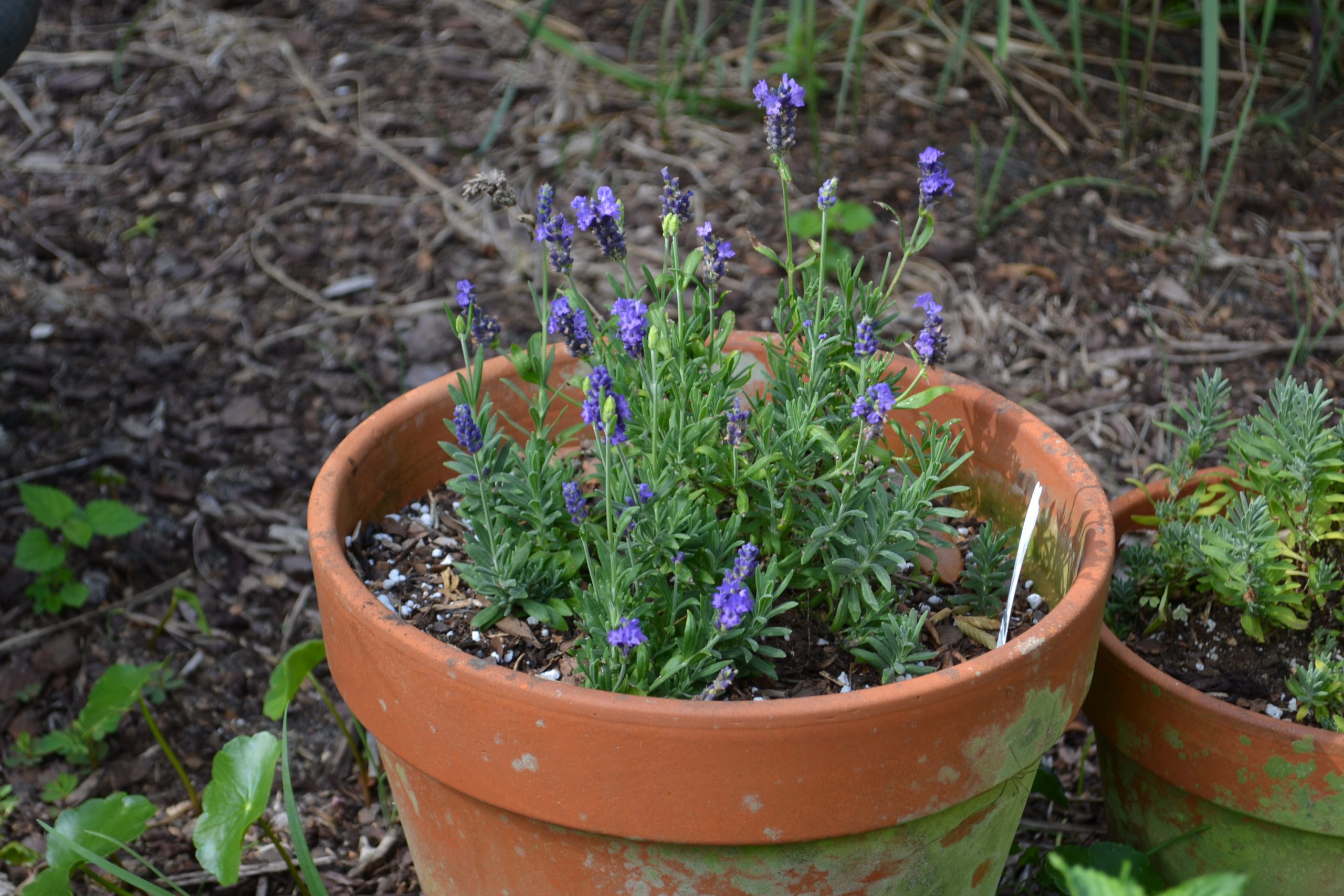
Another group worth considering is Spanish lavender (Lavandula stoechas). This species, native to the Iberian Peninsula and North Africa, is more accustomed to warmer climates. Spanish lavender is easily recognizable by its distinctive “rabbit ear” bracts atop its flower spikes. While its fragrance might not be as intensely floral as English lavender, it is still present and pleasant. Spanish lavender varieties like ‘Anouk’ or ‘Kew Red’ can be more successful in Florida’s climate, especially when provided with excellent drainage.
French lavender (Lavandula dentata) is another option that often performs better in warmer, more humid regions. Its leaves are toothed (hence “dentata”), and its flowers are typically a soft lilac. French lavender is known for its resilience and can be a good starting point for beginner lavender growers in Florida.
Essential Growing Techniques for Success
Even with the right variety, success in growing lavender in Florida hinges on adopting specific cultivation strategies. The most critical factor is ensuring superior drainage. This means amending the soil generously with organic matter, such as compost, and incorporating inorganic materials like perlite, coarse sand, or small gravel to improve aeration and water percolation. Raised beds are an excellent option for lavender cultivation in Florida, as they naturally elevate the root system above the saturated soil level, preventing waterlogging.
When planting lavender, spacing is also important. Allowing adequate air circulation around the plants helps to reduce humidity buildup and mitigate the risk of fungal diseases. Avoid overcrowding your lavender plants, and ensure they receive at least six to eight hours of direct sunlight daily. Regular pruning is also beneficial; removing spent flower spikes and lightly shaping the plant encourages bushier growth and prevents it from becoming leggy and susceptible to disease.
Watering practices must be adjusted for Florida’s climate. While lavender is drought-tolerant once established, during the hot, dry spells that can occur in Florida, supplemental watering may be necessary. However, it’s crucial to water deeply but infrequently, allowing the soil to dry out between waterings. Morning watering is preferable, as it allows any moisture on the foliage to evaporate throughout the day. Avoid overhead watering, which can exacerbate fungal issues.
Lavender Experiences in Florida: Beyond the Home Garden
While growing lavender in one’s backyard can be a rewarding endeavor, Florida also offers opportunities to experience this fragrant herb through other avenues, often intertwined with its thriving tourism and lifestyle sectors. For those who may not have the green thumb or the ideal conditions for home cultivation, visiting specialized farms or purchasing local products can provide a similar sensory delight.
Discovering Lavender Farms and Gardens
As the knowledge of which lavender varieties can thrive in Florida grows, so too do opportunities to encounter them. While large-scale commercial lavender farms like those found in regions like California or Oregon are rare in Florida due to the climate challenges, smaller, specialized operations are emerging. These farms often focus on specific humidity-tolerant varieties and employ advanced cultivation techniques. Visiting such farms can be a delightful day trip, allowing visitors to wander through fragrant fields, learn about lavender cultivation in the subtropics, and purchase fresh lavender, dried bundles, essential oils, or other lavender-infused products. These experiences contribute to the local tourism landscape, offering a unique natural attraction away from the usual coastal or theme park destinations. Imagine a relaxing afternoon spent at a charming lavender farm, perhaps near the rolling hills of North Florida or nestled in a more rural part of Central Florida, where the scent of lavender perfumes the air.

Lavender-Infused Products and Local Culture
The appeal of lavender extends far beyond the garden. In Florida’s vibrant marketplace, one can find a plethora of locally produced lavender-infused goods. These products are often featured in artisanal shops, farmers’ markets, and even within the amenity offerings of various hotels and resorts. From soaps and lotions that capture the calming scent to culinary creations like lavender honey or baked goods, these items bring the essence of lavender to everyday life. For travelers, these products make for wonderful souvenirs, allowing them to take a piece of Florida’s aromatic landscape home with them. This connection between local produce, artisanal crafts, and the overall lifestyle of Florida enhances the visitor experience, offering a tangible link to the state’s natural bounty. Exploring these lavender-infused delights can become an integral part of a Florida travel itinerary, adding a layer of sensory pleasure to any visit. Whether one is staying in a luxurious resort in Miami or exploring the charming towns of the Florida Panhandle, the subtle presence of lavender can be discovered in unexpected places, contributing to the overall ambiance and well-being.
The question of whether lavender grows in Florida, therefore, moves from a simple horticultural query to a broader exploration of adaptation, innovation, and the diverse ways we can enjoy nature’s gifts, even in less-than-ideal conditions. It speaks to the resilience of both the plant and the human spirit in seeking out beauty and fragrance.
LifeOutOfTheBox is a participant in the Amazon Services LLC Associates Program, an affiliate advertising program designed to provide a means for sites to earn advertising fees by advertising and linking to Amazon.com. Amazon, the Amazon logo, AmazonSupply, and the AmazonSupply logo are trademarks of Amazon.com, Inc. or its affiliates. As an Amazon Associate we earn affiliate commissions from qualifying purchases.