
Embarking on a journey from the vast expanse of Texas to the sun-drenched shores of Florida is a quintessential American road trip, a passage through diverse landscapes and cultural tapestries. The answer to “How far from Texas to Florida?” isn’t a single, simple mileage figure. It’s a question that unfolds into a narrative of planning, exploration, and the myriad possibilities that lie between these two captivating states. The distance, primarily influenced by your starting point in Texas and your ultimate destination in Florida, can vary significantly, making it crucial to understand the nuances of this popular travel corridor.
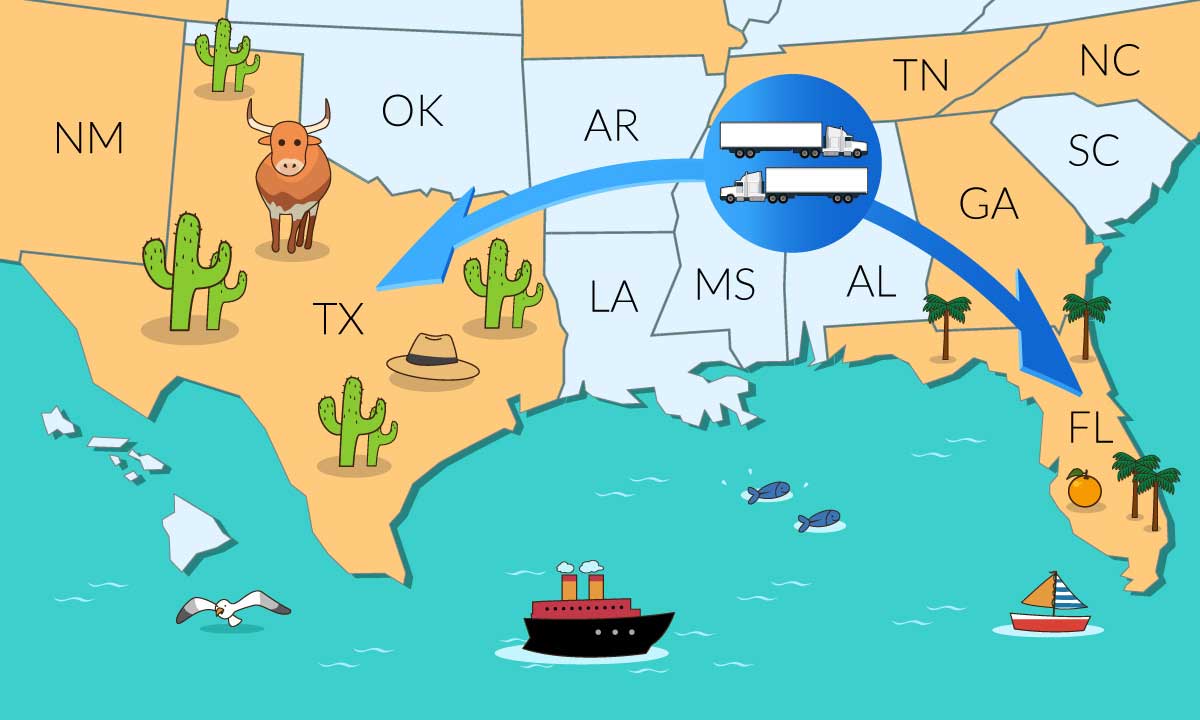
Whether you’re dreaming of the theme parks of Orlando, the historic charm of St. Augustine, or the vibrant nightlife of Miami, your chosen Florida destination will dictate the mileage. Similarly, the sprawling nature of Texas means that a departure from El Paso will involve a considerably different journey than one originating from Houston or Dallas. This article delves into the distances, the most popular routes, and the considerations that transform this inquiry into a comprehensive travel plan, touching upon the very essence of what makes a trip from Texas to Florida an unforgettable experience.
Understanding the Distance: A State of Many Miles
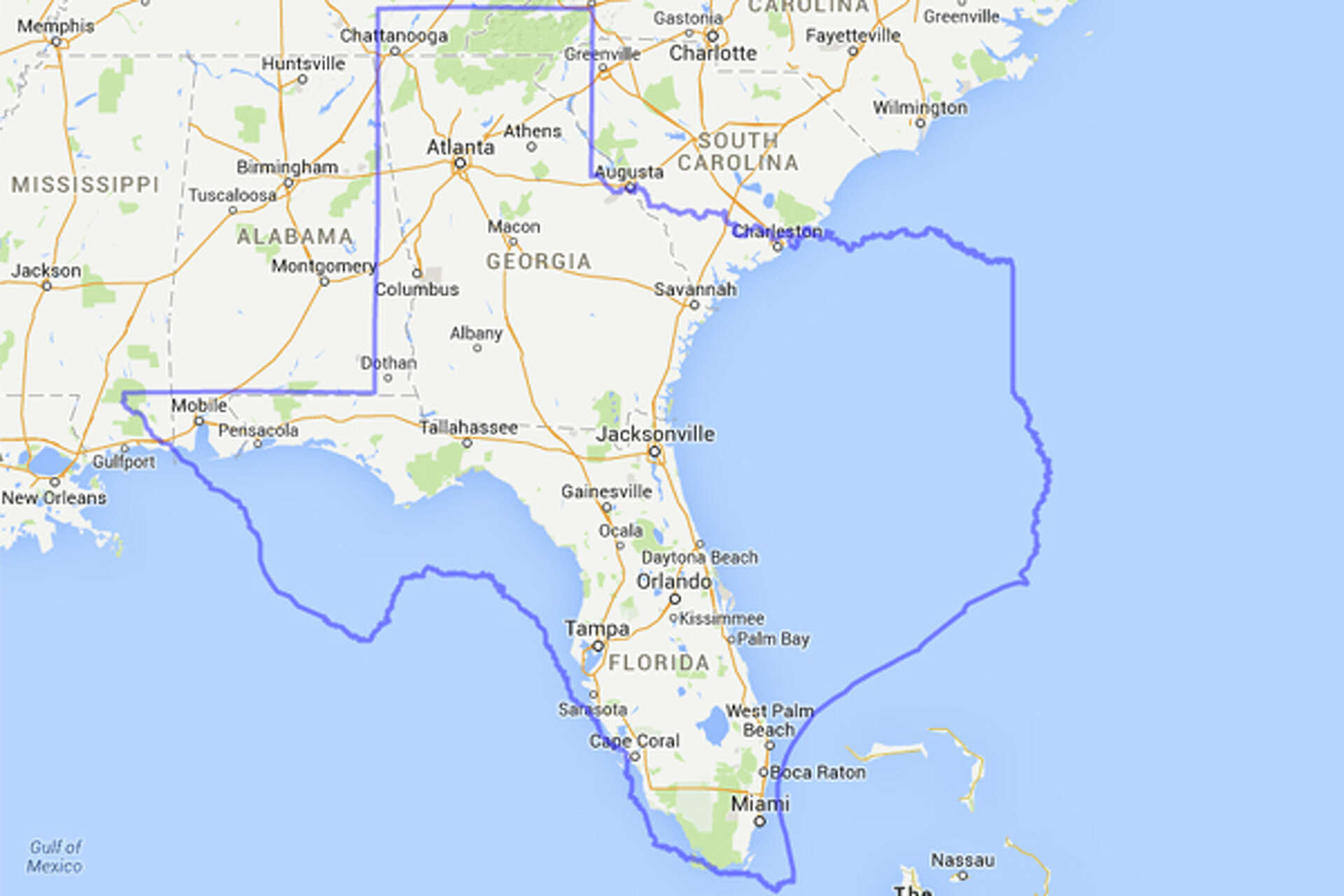
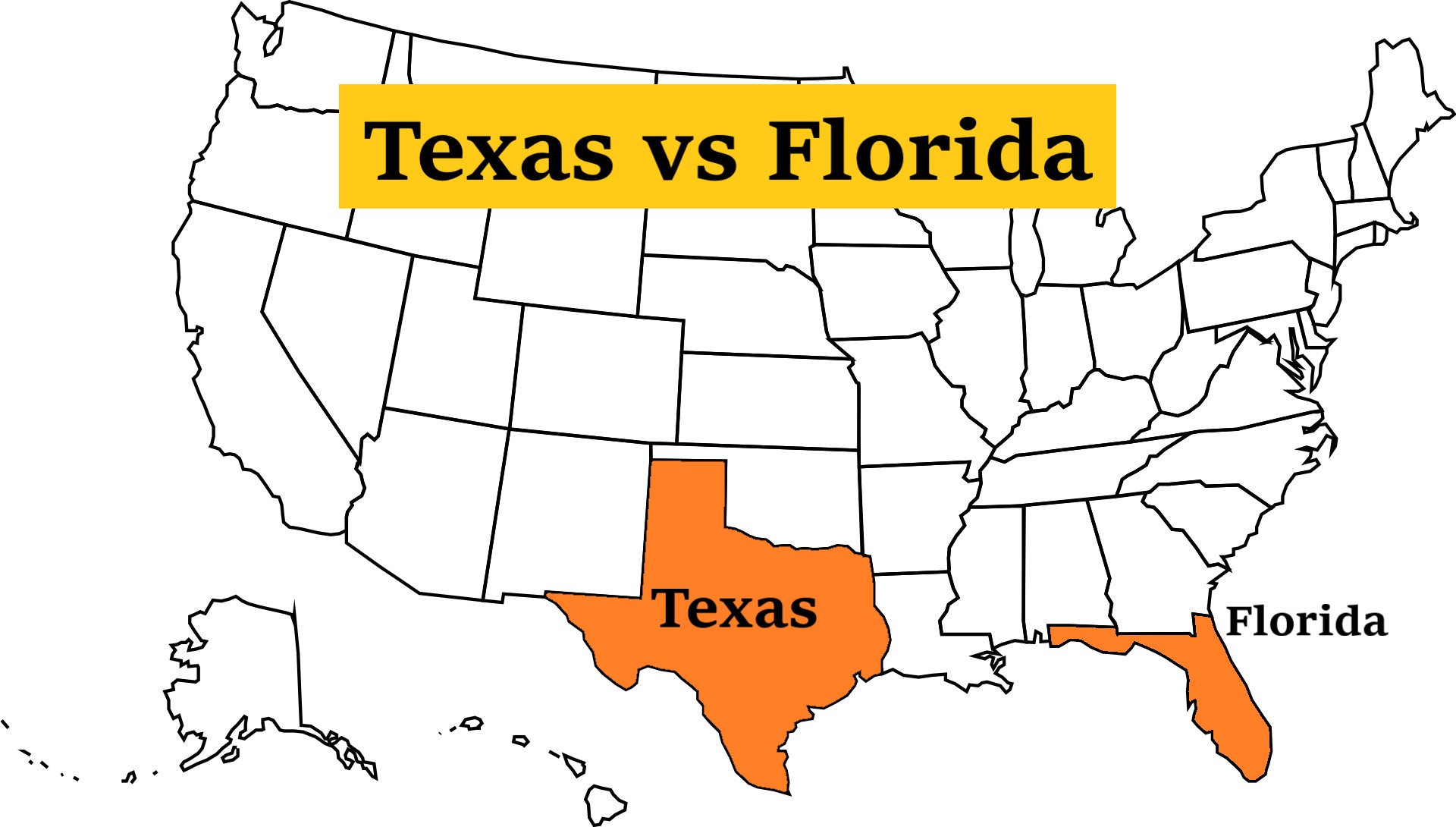
The sheer size of both Texas and Florida necessitates a nuanced approach to calculating the distance between them. Texas itself is larger than many countries, and Florida stretches a considerable length along the southeastern coast. Therefore, pinpointing an exact figure is less about a single number and more about understanding the range and the key travel hubs.
The Eastern Reach of Texas and the Gulf Coast Gateway
When considering a drive from Texas to Florida, the most common starting points tend to be the eastern and southeastern regions of Texas. Cities like Houston, Beaumont, and San Antonio are geographically closer to the Florida panhandle and the western parts of the Sunshine State. For instance, the drive from Houston, Texas, to Pensacola, Florida, a popular gateway to the panhandle’s white-sand beaches, is approximately 500-550 miles. This journey typically takes around 8-9 hours of driving time, excluding stops. This route predominantly utilizes major highways like Interstate 10 (I-10), a well-maintained artery that facilitates relatively swift travel.
Venturing Further: Central and Western Texas to Central and South Florida
Should your Texas starting point be more central, like Dallas or Austin, the distance increases. A trip from Dallas to Orlando, Florida, the heart of theme park country, clocks in at around 1,000-1,100 miles. This translates to a driving time of approximately 15-17 hours. Such a journey is best broken down into at least a two-day drive, allowing for comfortable overnight stays and the avoidance of excessive fatigue. Similarly, if your Florida destination is further south, such as Miami or Fort Lauderdale, the total mileage from any point in Texas will be greater. A drive from Dallas to Miami can easily exceed 1,300 miles and require upwards of 20 hours of pure driving.
The Westernmost Considerations: El Paso to the Sunshine State
For those starting in El Paso, Texas, located in the far western part of the state, the distance to Florida becomes substantial. Traveling from El Paso to Orlando, Florida, for example, is a journey of roughly 1,600 miles, demanding at least 24-25 hours of driving. This is a trip that necessitates a minimum of two, and preferably three, days of travel, involving significant mileage across multiple states. The primary route here would likely involve I-10 for a considerable portion before heading north or east to reach Florida.
Key Factors Influencing Travel Time and Distance
Beyond the sheer mileage, several factors can influence your travel time and the perceived “distance.”
- Traffic: Major metropolitan areas in both Texas and Florida, as well as along the Interstate routes, can experience significant traffic congestion, especially during peak hours, holidays, and weekends. This can add considerable time to your journey.
- Road Conditions and Construction: While the primary highways are generally well-maintained, road construction or unexpected closures can lead to detours and delays.
- Weather: Texas and Florida are prone to various weather phenomena, including severe thunderstorms, hurricanes, and heavy rain, which can impact driving conditions and necessitate cautious travel or even temporary delays.
- Route Choice: While I-10 is a popular and direct route, alternative highways might offer different scenic experiences or avoid certain traffic bottlenecks, but they can also alter the total mileage and travel time.
- Stops and Breaks: The driving times mentioned are for continuous travel. Realistic journeys involve stops for fuel, food, rest breaks, and overnight accommodations, all of which extend the overall duration of your trip.
Planning Your Texas to Florida Expedition: Routes, Stays, and Experiences
Navigating the distance between Texas and Florida is more than just plotting a course on a map; it’s about curating an experience. This journey offers opportunities to explore diverse attractions, find comfortable accommodations, and immerse yourself in local culture along the way.
The I-10 Corridor: A Direct Path Through the South
The most direct and commonly used route for much of the journey from Texas to Florida is Interstate 10 (I-10). This transcontinental highway stretches from Santa Monica, California, to Jacksonville, Florida, making it a natural connector for many travelers. Starting in eastern Texas, I-10 will take you through Louisiana, where you can experience the unique culture of New Orleans, and Mississippi, before entering Alabama. From Alabama, it’s a relatively short drive into the western part of the Florida panhandle.
- Key Cities and Attractions Along I-10:
- Louisiana: As you traverse Louisiana, consider a detour to New Orleans. Here, you can immerse yourself in the rich musical heritage of the French Quarter, savor Creole and Cajun cuisine, and explore historic landmarks like Jackson Square and the St. Louis Cathedral. The drive through Louisiana offers a glimpse into the bayou country and its distinct charm.
- Mississippi: Mississippi offers a chance to explore its civil rights history or enjoy the coastal beauty of the Mississippi Gulf Coast. Towns like Biloxi provide opportunities for casino entertainment and fresh seafood.
- Alabama: Entering Alabama, you’ll pass through cities like Mobile. Consider a stop to visit the USS Alabama Battleship Memorial Park, a poignant reminder of naval history. The scenic drive along the Gulf Coast in Alabama is also a pleasure, with its beautiful beaches.
- Florida Panhandle: Upon entering Florida, I-10 leads you through towns like Pensacola, with its historic downtown and stunning beaches, and towards Tallahassee, the state capital. From here, you can branch off to reach popular panhandle destinations like Destin, Seaside, or continue south towards central Florida.
Alternative Routes and Scenic Detours
While I-10 is efficient, it’s not the only way. Depending on your interests, you might opt for a more northerly route that takes you through states like Arkansas or Tennessee before heading south into Florida. These routes can offer different attractions and experiences.
- The Northern Route: Traveling through Arkansas might offer opportunities to explore the Ozark Mountains or the capital city of Little Rock. A further push into Tennessee could include visiting Memphis with its blues music heritage or Nashville, the “Music City.” From Tennessee, you would then travel south through states like Georgia to reach Florida. This route is considerably longer in mileage but can be rich in cultural and natural exploration.
- Coastal Drives: For those who prefer to stay closer to the coast for a portion of their journey, especially when coming from the southern parts of Texas, routes involving US Highway 90 or parts of the Great River Road in Louisiana can offer more scenic, albeit slower, travel, passing through smaller towns and offering a more intimate glimpse of the local landscape.
Accommodation and Lifestyle Considerations
The journey from Texas to Florida can be as luxurious or as budget-conscious as you desire, with a wide array of accommodation options and lifestyle choices.
- Hotels and Resorts: Along major Interstate routes, you’ll find a plethora of well-known hotel chains offering reliable comfort and amenities, from budget-friendly motels to mid-range hotels like Holiday Inn Express or Hampton Inn, and upscale options like Marriott or Hyatt. For those seeking a more immersive experience, consider the unique resorts and boutique hotels found in cities like New Orleans or along the Florida coast. Look for hotels with pools, complimentary breakfast, and pet-friendly policies if needed. Booking in advance, especially during peak travel seasons, is highly recommended.
- Vacation Rentals and Apartments: For longer stays or for families and groups, vacation rentals offer more space and home-like amenities. Platforms like Airbnb and Vrbo provide a wide selection of apartments, villas, and houses in cities and beach towns across Texas and Florida. This can be a cost-effective option for those looking to settle in for a week or more, allowing for home-cooked meals and a more relaxed pace.
- Budget Travel: For the budget-conscious traveler, consider staying in smaller towns off the main highways, opting for motels, or utilizing loyalty programs for hotel stays. Packing snacks and drinks for the road can also significantly reduce daily expenses. Many state parks and campgrounds offer more affordable overnight options for those who enjoy camping.
- Luxury Travel: If luxury is your aim, Florida boasts world-class resorts and hotels, particularly in destinations like Miami, Orlando, and the Florida Keys. Think of opulent suites at properties like the Fontainebleau Miami Beach or exclusive golf resorts. In Texas, cities like Austin and Houston also offer high-end hotel experiences. This can include private villas, fine dining, spa services, and personalized concierge assistance.
- Family Trips: When traveling with family, convenience and entertainment are key. Choosing hotels with family suites, indoor pools, and proximity to attractions is ideal. Consider breaking up the drive with stops at family-friendly attractions. In Florida, the theme parks of Orlando – Walt Disney World Resort, Universal Orlando Resort, and SeaWorld Orlando – are obvious draws, but the state also offers numerous beaches, aquariums, and nature parks suitable for all ages.
Exploring Florida’s Attractions: From Beaches to Theme Parks
Once you cross the state line from Texas, Florida opens up a vast array of attractions catering to every interest. The distance traveled from Texas directly influences the ease of accessing these iconic Florida experiences.
The Magic of Central Florida: Theme Parks and Entertainment
The undisputed heart of Florida tourism for many is Central Florida, particularly Orlando. The sheer number of theme parks and entertainment venues here is staggering.
- Walt Disney World Resort: This sprawling complex includes Magic Kingdom, Epcot, Hollywood Studios, and Animal Kingdom, each offering a unique world of fantasy and adventure. Staying at a Disney Resort Hotel can enhance the immersive experience.
- Universal Orlando Resort: Home to Universal Studios Florida and Islands of Adventure, this resort is famous for its thrilling rides and the incredibly popular Wizarding World of Harry Potter.
- SeaWorld Orlando: Offering marine life encounters, thrilling roller coasters, and captivating shows, SeaWorld Orlando provides a blend of education and entertainment.
- Other Attractions: Beyond the major parks, Central Florida offers attractions like ICON Park with its observation wheel, the Kennedy Space Center Visitor Complex for space enthusiasts, and numerous water parks for cooling off.
The Coastal Charms: Beaches, History, and Nature
Florida‘s extensive coastline offers a different, yet equally compelling, set of attractions. From the panhandle’s emerald waters to the southern tip’s vibrant energy, the beaches are a major draw.
- The Panhandle Beaches: Destinations like Pensacola Beach, Destin, and South Walton (including towns like Seaside and Rosemary Beach) are renowned for their powdery white sand and clear, turquoise waters. These are ideal for swimming, sunbathing, water sports, and enjoying a relaxed coastal lifestyle.
- The Atlantic Coast: Traveling south along the Atlantic coast, you’ll find historic gems and vibrant cities. St. Augustine, the oldest continuously inhabited European-established settlement in the United States, boasts cobblestone streets, the Castillo de San Marcos National Monument, and a rich colonial history. Further south, cities like Miami offer world-class beaches in South Beach, a pulsating art deco scene, and a vibrant Latin American cultural influence. Fort Lauderdale provides a sophisticated beach experience with its canals and upscale dining.
- The Gulf Coast: The Florida Gulf Coast is famous for its calm, warm waters and soft sandy beaches. Clearwater Beach and St. Pete Beach are consistently ranked among the best in the country. Further south, the Sarasota area, including Siesta Key Beach, is known for its pristine sands. For a more natural escape, consider the Gulf Islands National Seashore or the tranquil beauty of Sanibel Island and Captiva Island, known for their shelling opportunities.
- Nature and Wildlife: Florida is also a haven for nature lovers. The Everglades National Park offers a unique subtropical ecosystem with alligators, birds, and diverse flora and fauna. Exploring the Florida Keys provides opportunities for snorkeling, diving, and enjoying the laid-back island vibe.
Regardless of your starting point in Texas and your chosen destination in Florida, the journey is an integral part of the adventure. Understanding the distances, planning your routes, and considering the diverse accommodation and lifestyle options will ensure that your trip from the Lone Star State to the Sunshine State is a seamless and memorable experience.
LifeOutOfTheBox is a participant in the Amazon Services LLC Associates Program, an affiliate advertising program designed to provide a means for sites to earn advertising fees by advertising and linking to Amazon.com. Amazon, the Amazon logo, AmazonSupply, and the AmazonSupply logo are trademarks of Amazon.com, Inc. or its affiliates. As an Amazon Associate we earn affiliate commissions from qualifying purchases.