
The Sunshine State, Florida, is a vast tapestry of diverse landscapes and vibrant cities, each offering its own unique charm. For travelers planning a journey through this popular vacation destination, understanding the distances between key locations is crucial for effective itinerary planning. One common query for those exploring the Gulf Coast is the travel time and distance between Fort Myers and Tampa. This exploration delves into the specifics of this popular route, touching upon various aspects of travel, accommodation, and the rich tourism offerings that connect these two significant Florida hubs.
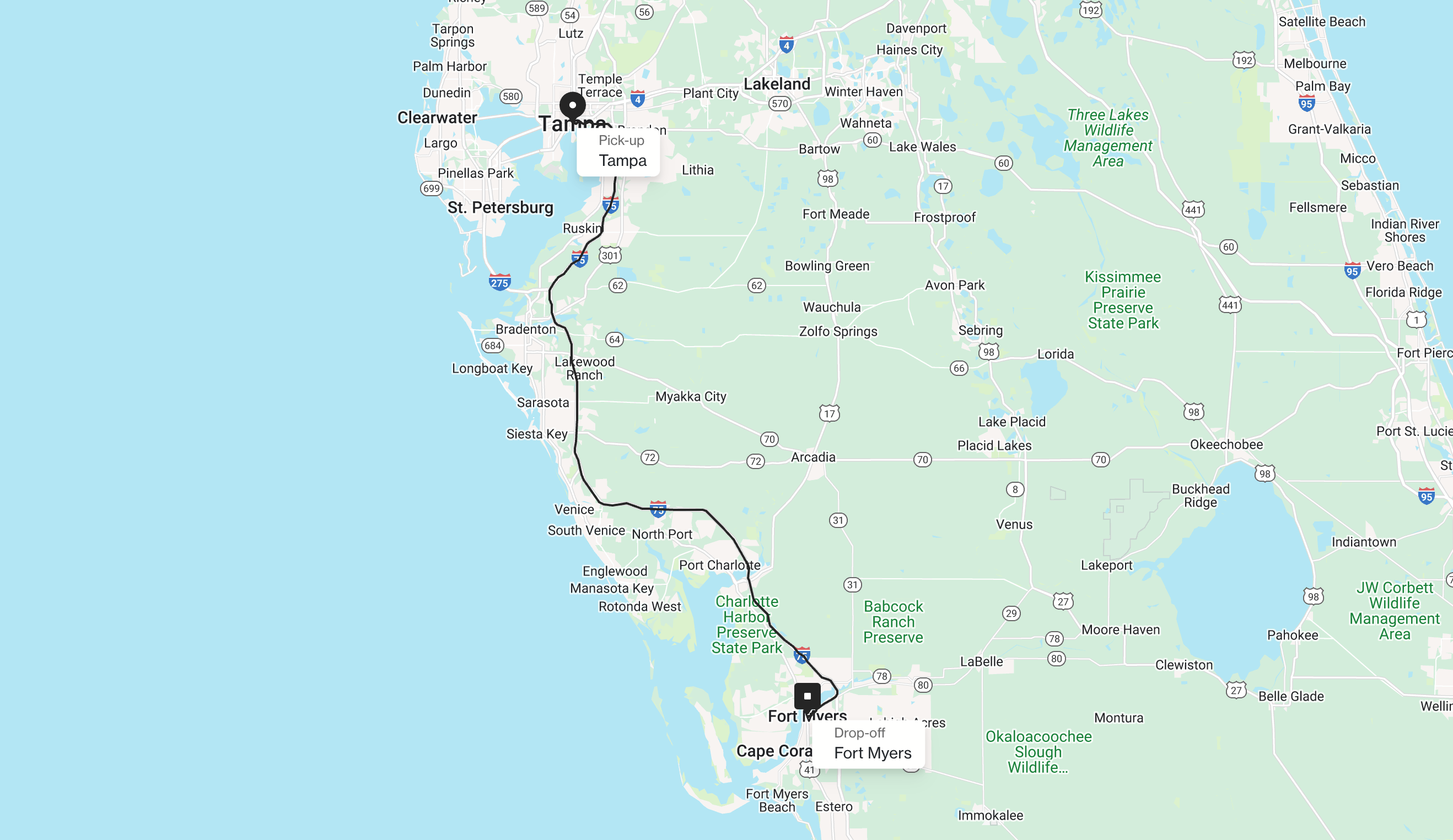
The distance between Fort Myers and Tampa is not merely a number; it represents an opportunity for an enriching travel experience. Whether you’re a seasoned globetrotter or embarking on a new adventure, grasping the nuances of this journey can enhance your overall trip. This article aims to provide a comprehensive overview, drawing from the core principles of travel planning, accommodation, tourism, and lifestyle choices that define modern exploration.
Navigating the Route: Distance and Travel Time
Understanding the physical separation between Fort Myers and Tampa is the first step in charting your course. The most direct route typically involves Interstate highways, offering a straightforward and relatively swift passage.
Driving Distance and Estimated Time
The primary driving route between Fort Myers and Tampa is a well-traveled corridor, predominantly utilizing Interstate 75 North. This highway is a major artery connecting various points along the west coast of Florida, making the journey relatively seamless. The approximate driving distance typically falls between 140 and 150 miles, depending on the specific starting and ending points within each city.
When traffic conditions are favorable, the estimated driving time is usually around 2 hours to 2 hours and 30 minutes. However, it’s vital to account for potential variables that can influence this timeframe. Florida‘s extensive road network can experience congestion, particularly during peak travel seasons, holidays, and rush hours. Factors such as construction zones, unexpected incidents, and the sheer volume of vehicles on the road can add to the journey’s duration. Therefore, while a 2.5-hour estimate is a good benchmark, it’s always advisable to add a buffer of 30 minutes to an hour for peace of mind and to avoid any last-minute stress.
Factors Affecting Travel Time
Several factors can significantly impact your travel time from Fort Myers to Tampa:
- Time of Day: Driving during off-peak hours, such as early morning or late evening, generally results in smoother traffic flow and shorter travel times. Mid-day and early evening commutes can be considerably slower, especially on weekdays.
- Day of the Week: Weekends, particularly Friday afternoons and Sunday evenings, often see increased traffic as people travel for leisure or return home.
- Season: Florida is a popular tourist destination year-round, but peak seasons like spring break, summer vacation, and the winter months (especially for snowbirds) can lead to heavier traffic.
- Weather Conditions: While Florida is known for its sunshine, tropical storms and heavy rainfall can occur, leading to reduced visibility and slower driving speeds.
- Route Variations: While Interstate 75 is the most common route, alternative roads might be considered for scenic drives or to bypass specific traffic issues. However, these often add to the overall travel time.
Alternative Transportation Options
While driving is the most common and flexible mode of transport between Fort Myers and Tampa, other options are available, catering to different lifestyle preferences and budget travel considerations.
- Bus Services: Several intercity bus companies operate routes connecting Fort Myers and Tampa. These can be a more economical choice, especially for budget travel. Companies like Greyhound and FlixBus offer services with varying schedules and pricing. The journey by bus can take longer than driving due to multiple stops and pick-up/drop-off points, often ranging from 3 to 4 hours. This option is ideal for those who prefer not to drive or are looking for cost-effective travel solutions.
- Ride-Sharing Services: Services like Uber and Lyft are available in both Fort Myers and Tampa. While convenient for short distances within cities, a cross-city trip of this magnitude might be prohibitively expensive for many travelers. However, for those prioritizing convenience and flexibility, it remains a possibility, though careful cost comparison with other methods is recommended.
- Private Car Services/Taxis: Similar to ride-sharing, private car services and traditional taxis can be hired for the journey. These typically offer the highest level of comfort and convenience but also come with the highest price tag. This option might be suitable for those seeking a premium travel experience or business stays where time and comfort are paramount.
Exploring the Destinations: Attractions and Experiences

The journey between Fort Myers and Tampa is not just about covering miles; it’s about the wealth of attractions and experiences that lie at either end and along the way. These cities, and the regions they represent, are rich in tourism opportunities, offering something for every type of traveler.
Fort Myers: Gateway to Southwest Florida’s Natural Beauty
Fort Myers, often referred to as the “City of Palms,” is a vibrant city on the Caloosahatchee River estuary, offering access to stunning Gulf Coast beaches and a rich historical heritage. It serves as a primary gateway to the natural wonders of Southwest Florida.
- Beaches and Islands: Fort Myers is celebrated for its proximity to some of the most beautiful beaches in Florida. Fort Myers Beach itself is a popular destination, known for its soft white sand and calm waters. Just a short ferry ride away are the enchanting barrier islands of Sanibel Island and Captiva Island. These islands are world-renowned for their exceptional shelling opportunities, pristine natural environments, and abundant wildlife. Sanibel Island is home to the J.N. “Ding” Darling National Wildlife Refuge, a haven for migratory birds and other diverse fauna.
- Historical Significance: Fort Myers holds a significant place in Florida history, most notably as the winter home of Thomas Edison and Henry Ford. The Edison and Ford Winter Estates offer a fascinating glimpse into the lives of these American innovators, showcasing their homes, laboratories, and botanical gardens. This landmark is a must-visit for anyone interested in history and invention.
- Downtown Fort Myers: The revitalized downtown area, known as the River District, buzzes with activity. Visitors can explore art galleries, boutiques, and a wide array of dining options. The Centennial Park along the Caloosahatchee River provides a pleasant space for relaxation and enjoying scenic river views.
- Cultural Attractions: Beyond the estates, the Barbara B. Mann Performing Arts Hall hosts a variety of theatrical performances, concerts, and other cultural events, contributing to the vibrant local culture of Fort Myers.
Tampa: A Metropolis of Entertainment and Culture
Tampa, situated on Tampa Bay, is a bustling metropolis with a dynamic blend of urban excitement and natural beauty. It offers a wide spectrum of attractions that cater to families, couples, and solo travelers alike.
- Theme Parks and Entertainment: Tampa is a major hub for family entertainment, most notably being home to Busch Gardens Tampa Bay, a world-class amusement park and zoological institution. Visitors can experience thrilling roller coasters, captivating animal encounters, and live entertainment. Nearby, Adventure Island provides a refreshing water park experience, perfect for cooling off on a hot Florida day.
- Museums and Cultural Institutions: The city boasts a rich array of museums and cultural venues. The Tampa Museum of Art features a diverse collection of modern and contemporary art, while the Glazer Children’s Museum offers interactive exhibits for younger visitors. For those interested in history, the Ybor City State Museum delves into the fascinating heritage of Tampa’s historic cigar-rolling district, known for its unique local culture and vibrant atmosphere.
- The Florida Aquarium: Located on the waterfront, The Florida Aquarium is a spectacular attraction showcasing marine life from Florida and beyond. It offers immersive exhibits that highlight the diverse ecosystems of the state, from mangrove forests to coral reefs.
- Sports and Recreation: Tampa is a significant sports city, home to the Tampa Bay Buccaneers (NFL), the Tampa Bay Rays (MLB), and the Tampa Bay Lightning (NHL). Catching a game is a quintessential Tampa experience for sports enthusiasts. The city also offers numerous parks and recreational areas for outdoor activities.
- Culinary Scene: Tampa’s culinary landscape is as diverse as its attractions. Ybor City is famous for its authentic Cuban cuisine, particularly its Cuban sandwiches and café con leche. From upscale dining to casual eateries, the city offers a gastronomic journey for every palate.
Accommodation and Lifestyle Considerations
Choosing where to stay and how to approach your travel between Fort Myers and Tampa can greatly influence your experience. The availability of diverse accommodation options and varying lifestyle choices allows for personalized trip planning.
Finding the Perfect Stay
Both Fort Myers and Tampa offer a wide range of accommodation types to suit every preference and budget. Whether you’re seeking a luxurious resort, a family-friendly hotel, or a more independent apartment-style stay, there are plenty of options.
- Resorts and Hotels: In Fort Myers, you’ll find numerous beachfront resorts and hotels offering stunning ocean views and direct beach access, such as the Pink Shell Beach Resort and Marina. For those who prefer a more urban setting or are visiting for business, there are many hotels downtown and near the airport. In Tampa, options range from upscale hotels in the downtown core and the Channel District to family-oriented hotels near the theme parks and sprawling resorts along the coast. Properties like the Grand Hyatt Tampa Bay or the JW Marriott Tampa Bay offer premium amenities and experiences.
- Vacation Rentals and Apartments: For longer stays or for travelers seeking more space and a home-like feel, vacation rentals and apartments are excellent choices. Websites like Vrbo and Airbnb list a multitude of properties in both cities and their surrounding areas, offering everything from cozy condos to sprawling villas. This accommodation style is particularly appealing for families or groups looking to share costs and enjoy greater flexibility with meals and living spaces.
- Boutique Stays: For a more unique and personalized experience, consider the boutique hotels scattered throughout the artsy districts of downtown Fort Myers or the historic neighborhoods of Ybor City in Tampa. These often offer distinctive decor, personalized service, and a more intimate atmosphere.
Embracing Different Travel Styles
The journey between Fort Myers and Tampa can be tailored to fit various lifestyle and travel preferences, from indulgent luxury travel to practical budget travel.
- Luxury Travel: For those seeking a high-end experience, luxury travel options abound. This could involve staying in five-star resorts with full-service spas and fine dining, chartering a private yacht for a scenic tour of Tampa Bay, or indulging in exclusive shopping experiences in high-end boutiques. The drive itself can be enhanced with a premium rental car, ensuring comfort and style.
- Budget Travel: Budget travel is entirely achievable on this route. Opting for budget-friendly accommodations like motels or well-rated, economical hotels on the outskirts of the cities can significantly reduce costs. Utilizing public transportation where feasible, enjoying local eateries, and focusing on free or low-cost attractions like beaches and public parks are excellent strategies. Traveling during the shoulder seasons can also yield better prices for both accommodation and travel.
- Family Trips: Family trips are a cornerstone of Florida tourism. Both Fort Myers and Tampa are incredibly family-friendly. In Fort Myers, the focus might be on beach days, shelling on Sanibel Island, and visiting the Edison and Ford Winter Estates. Tampa offers the excitement of Busch Gardens, The Florida Aquarium, and the Glazer Children’s Museum. Choosing family-friendly accommodation, such as hotels with pools or spacious vacation rentals, is key.
- Business Stays: For business stays, convenience and connectivity are paramount. Hotels near major airports in both Fort Myers (Southwest Florida International Airport) and Tampa (Tampa International Airport) offer easy access for travelers flying in and out. Many hotels cater specifically to business needs with amenities like business centers, meeting rooms, and high-speed internet. Efficient travel between the cities is crucial, making driving or well-timed bus services the preferred options.
In conclusion, the distance between Fort Myers and Tampa is a manageable and rewarding journey. By understanding the driving times, exploring alternative transportation, and delving into the vast array of attractions, accommodation, and lifestyle choices available, travelers can craft a seamless and memorable Florida adventure. Whether you’re drawn to the serene beaches of Fort Myers or the bustling energy of Tampa, this route offers a gateway to the diverse and captivating experiences that make Florida a premier travel destination.
LifeOutOfTheBox is a participant in the Amazon Services LLC Associates Program, an affiliate advertising program designed to provide a means for sites to earn advertising fees by advertising and linking to Amazon.com. Amazon, the Amazon logo, AmazonSupply, and the AmazonSupply logo are trademarks of Amazon.com, Inc. or its affiliates. As an Amazon Associate we earn affiliate commissions from qualifying purchases.