
Planning a trip to Alaska is an exciting endeavor, promising adventures unlike anywhere else on Earth. Known as “The Last Frontier,” Alaska offers vast wilderness, stunning natural beauty, and unique cultural experiences that change dramatically with each passing season. Deciding the “best time” to visit truly depends on what kind of experience you’re seeking. Whether you dream of endless summer daylight, vibrant autumn hues, or the ethereal glow of the Northern Lights, understanding Alaska’s distinct seasonal offerings is key to crafting your perfect Alaskan adventure. From serene wildlife viewing opportunities to exhilarating dog sledding excursions, and from luxurious resorts to cozy cabins, Alaska caters to a spectrum of travel preferences. This comprehensive guide will help you navigate the nuances of Alaska’s year, ensuring your trip aligns perfectly with your travel dreams and practical considerations.
Navigating Alaska’s Diverse Seasons
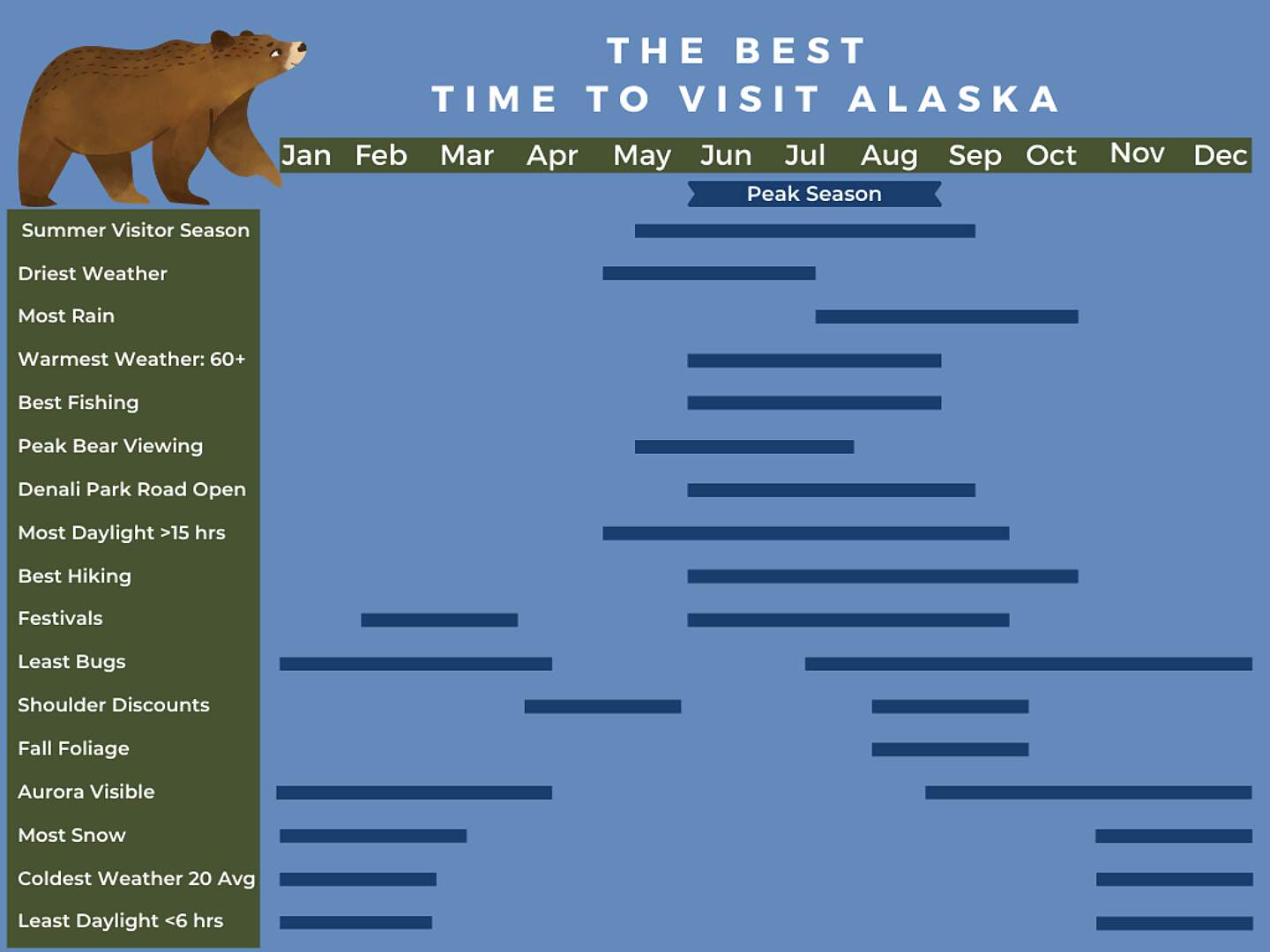
Alaska’s geography is vast, meaning weather patterns can vary significantly across regions. However, generally, the year can be broken down into distinct periods, each offering unique attractions and challenges. Understanding these seasonal shifts is fundamental to choosing your ideal travel window.
Summer: The Golden Window (June, July, August)
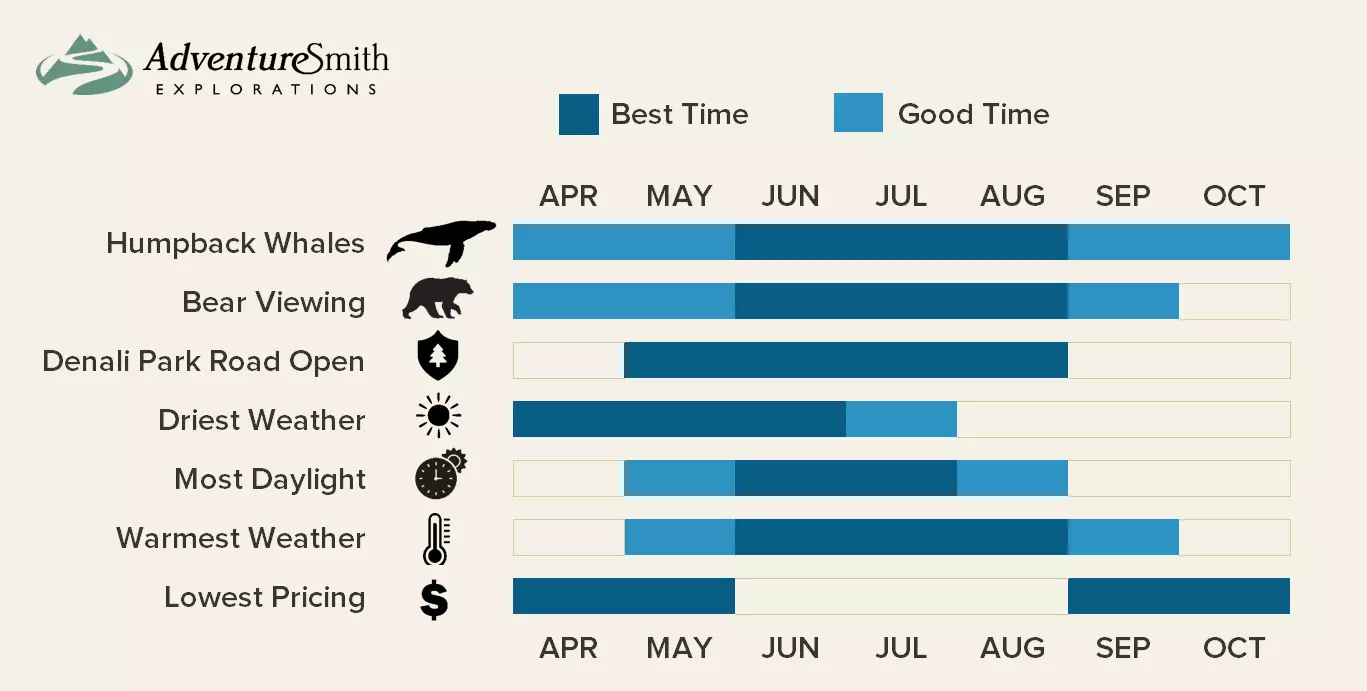
The months of June, July, and August constitute Alaska’s summer peak season, and for good reason. This is when the state truly comes alive with warmth, long daylight hours (sometimes up to 24 hours in the far north), and the full accessibility of its incredible landscapes. Temperatures are at their mildest, typically ranging from 60°F to 80°F (15°C to 27°C), making it ideal for outdoor activities. This period sees the most visitors, and consequently, the highest prices for accommodation, tours, and flights. Booking well in advance is essential if you plan to visit during these months. The trade-off for the crowds and cost is unparalleled access to national parks, fully operational tour operators, and the best chances for wildlife viewing. Major cities like Anchorage and Fairbanks bustle with energy, offering a variety of festivals and cultural events. This is arguably the most popular time for family trips due to the favorable weather and array of accessible activities.
Shoulder Seasons: Spring (May) and Fall (September)
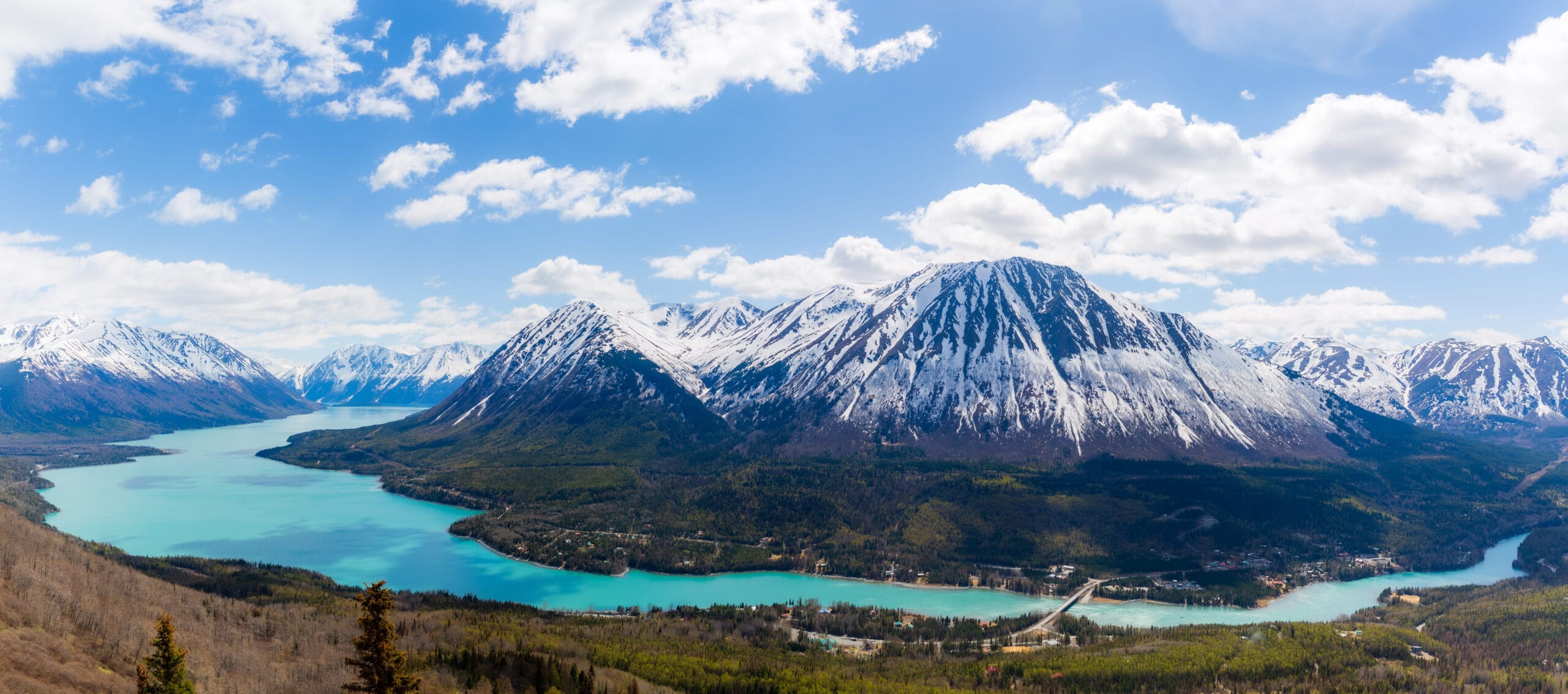
For those looking to avoid the peak season crowds while still enjoying pleasant weather, the shoulder seasons of May (spring) and September (fall) offer a compelling alternative.
Spring in May: As winter’s grip begins to loosen, May sees snow melt, landscapes greening, and wildlife emerging. Temperatures are cooler than summer, typically between 40°F and 60°F (4°C to 15°C). Most major attractions and services start to open up, but you’ll find fewer crowds and often better deals on accommodation and tours. It’s an excellent time for early-season hiking, birdwatching, and experiencing the gradual awakening of the Alaskan wilderness. Some roads might still be closed early in the month, so flexibility is key.
Fall in September: This month transforms Alaska into a canvas of gold and crimson. The vibrant autumn colors of the tundra and forests are breathtaking, especially in areas like the Chugach Mountains or around Denali National Park. Temperatures mirror spring, ranging from 30°F to 50°F (–1°C to 10°C), and daylight hours begin to shorten. The biggest draw for many in September is the increased chance of seeing the Northern Lights as the nights grow longer, particularly in interior Alaska near Fairbanks. Many summer tour operators begin to close down by mid-month, so planning ahead is crucial. It’s also a fantastic time for salmon fishing as fish return to spawn.
Winter: A Realm of Ice and Lights (October to April)
For the truly adventurous and those seeking a unique, ethereal experience, Alaska in winter (roughly October to April) offers a magical, snow-covered landscape. Temperatures can plummet well below freezing, often ranging from 0°F to 30°F (-18°C to -1°C), and even much colder in the interior. Daylight hours are significantly shorter, with some northern regions experiencing weeks of twilight. However, this is prime season for witnessing the spectacular Northern Lights. Activities pivot to snow sports like skiing, snowboarding (e.g., at Alyeska Resort in Girdwood), snowmobiling, and dog sledding. Cities like Anchorage and Fairbanks host winter festivals, including the famous Iditarod Trail Sled Dog Race in March. Prices for accommodation and flights are typically at their lowest, making it an attractive option for budget travel. Essential winter gear is a must, and some remote areas may be inaccessible.
Experiences and Activities by Season
Alaska’s vastness means a wealth of diverse experiences. Your chosen season will largely dictate which of these incredible activities and natural wonders are available to you.
Summer Adventures: Cruises, Hiking, and Wildlife
Summer is the undisputed champion for breadth of activities. The calm waters of the Inside Passage are perfect for Alaskan cruises, offering spectacular views of glaciers in Glacier Bay National Park and abundant marine wildlife like whales, seals, and puffins. Port towns such as Juneau, Ketchikan, Skagway, and Sitka offer rich cultural insights into Alaska’s indigenous history and gold rush era.
For land-based adventurers, hiking trails in Denali National Park (home to Mount Denali, North America’s highest peak) are fully accessible, providing opportunities to spot grizzly bears, moose, caribou, and wolves. Kenai Fjords National Park near Seward is another hotspot for glacier viewing and marine tours. Flightseeing tours over these majestic landscapes are also popular, offering unparalleled panoramic views. Fishing charters for halibut and salmon are plentiful, especially in towns like Homer on the Kenai Peninsula. The long daylight hours allow for extended exploration and a wide range of outdoor activities, from kayaking and rafting to camping and bear viewing expeditions.
Shoulder Season Highlights: Fishing and Autumn Colors
The shoulder seasons present distinct charms. In May, the melting snow swells rivers, making it an excellent time for early-season rafting and experiencing the vibrant reawakening of flora and fauna. Bird migration is a major draw, with various species returning to breed. As the crowds are thinner, it can be a more serene time for photography and connecting with nature.
September is often revered by photographers and those seeking a quieter experience. The autumn colors create stunning backdrops, especially for scenic drives along routes like the Parks Highway between Anchorage and Fairbanks. This is also prime time for salmon fishing, as various salmon runs peak. Most importantly, the return of longer nights in September signals the beginning of the Northern Lights viewing season, particularly strong in the interior. This combination of fall foliage and aurora viewing makes September a truly magical time.
Winter Wonders: Northern Lights and Snow Sports
Winter in Alaska is a time of profound beauty and unique activities focused on snow and ice. The main attraction is undoubtedly the Northern Lights (Aurora Borealis), best viewed from Fairbanks or other northern locations from late August through April. Specialized aurora viewing tours, often including heated shelters or lodges, enhance the experience.
For thrill-seekers, dog sledding is an iconic Alaskan activity, with opportunities ranging from short scenic rides to multi-day expeditions. Skiing and snowboarding are popular at resorts like Alyeska Resort. Other winter sports include snowshoeing, cross-country skiing, and ice fishing on frozen lakes. Winter festivals and events, such as the Fur Rondy in Anchorage and the World Ice Art Championships in Fairbanks, offer a glimpse into local culture and winter resilience. While some parts of Alaska become less accessible, major routes remain open, and guided tours ensure safe and enjoyable winter exploration.
Accommodation and Travel Logistics
Regardless of the season, careful planning for accommodation and transportation is crucial for an Alaskan journey. The state’s unique geography and vast distances require thoughtful consideration.
Booking Your Stay: Hotels, Resorts, and Beyond
Alaska offers a wide range of accommodation options to suit every preference and budget. In major cities like Anchorage and Fairbanks, you’ll find everything from international hotel chains and boutique hotels to cozy bed and breakfasts and extended-stay apartments. Popular cruise port towns like Juneau, Ketchikan, and Seward also have robust selections, often including waterfront hotels and charming inns. For a more immersive experience, consider staying at wilderness lodges near national parks or remote fishing camps. These often come with all-inclusive packages that include meals and guided activities.
During the summer peak season, demand is incredibly high, so it’s advisable to make your booking six months to a year in advance, especially for popular destinations like Denali or unique lodges. Online reviews and comparison sites on our platform can help you find the perfect match, whether you’re seeking a luxury resort with extensive amenities or a more rustic, off-the-grid cabin. In the shoulder seasons and winter, you’ll find more availability and potentially lower rates, making last-minute bookings more feasible, though it’s still wise to plan ahead for specific tours or smaller towns.
Budget vs. Luxury Considerations
Alaska can be an expensive destination, particularly during summer. Luxury travel options abound, from high-end Alaskan cruises with gourmet dining and private balconies to exclusive wilderness lodges offering private planes for access and personalized excursions. These experiences often include all meals, guided tours, and premium accommodation, providing a seamless and indulgent journey.
For budget travel enthusiasts, Alaska is still accessible with careful planning. Consider traveling during the shoulder seasons or winter to take advantage of lower prices on flights and accommodation. Opting for camping in national parks, staying in hostels or simpler hotels, and self-catering meals can significantly reduce costs. Renting a car and exploring independently, rather than relying solely on packaged tours, also offers greater flexibility and potential savings. The Alaska Railroad is another excellent way to see the state, offering scenic routes between major hubs like Anchorage, Talkeetna, and Fairbanks with various service levels.
Getting Around Alaska
Alaska’s vast distances mean that transportation is a significant part of the travel experience.
- Rental Cars: Ideal for exploring regions like the Kenai Peninsula or driving between Anchorage and Fairbanks. Book well in advance, especially for summer.
- Alaskan Cruises: The most popular way to explore the Inside Passage and coastal communities.
- Alaska Railroad: Offers scenic routes through the heart of Alaska, connecting key destinations and offering unique vantage points for wildlife viewing and glacier vistas.
- Bush Planes and Small Aircraft: Essential for reaching remote areas, wilderness lodges, and flightseeing tours.
- Ferries: The Alaska Marine Highway System connects coastal towns, offering a unique way to travel with your vehicle.
Always check road conditions and ferry schedules, especially in the shoulder seasons and winter when closures due to weather are more common. Packing layers, regardless of the season, is a universal Alaskan travel tip due to unpredictable weather changes.
Ultimately, the “best time” to visit Alaska is deeply personal. For vibrant outdoor activities and long daylight, summer is unmatched. For serene beauty, fall colors, and early aurora, the shoulder seasons offer compelling value. For the magic of the Northern Lights and exhilarating snow sports, winter delivers an unforgettable experience. By considering your priorities, budget, and desired activities, you can pinpoint the perfect season for your dream Alaskan adventure.
LifeOutOfTheBox is a participant in the Amazon Services LLC Associates Program, an affiliate advertising program designed to provide a means for sites to earn advertising fees by advertising and linking to Amazon.com. Amazon, the Amazon logo, AmazonSupply, and the AmazonSupply logo are trademarks of Amazon.com, Inc. or its affiliates. As an Amazon Associate we earn affiliate commissions from qualifying purchases.