
Florida, a state renowned for its sun-drenched beaches, vibrant theme parks, and lush natural landscapes, is also grappling with an unexpected and unwelcome resident: the Burmese python. These invasive reptiles, native to Southeast Asia, have established a formidable presence in the southern part of the state, posing a significant threat to native wildlife and the delicate ecological balance. For those planning a trip to the Sunshine State, or even for residents curious about the extent of this invasion, understanding the geographical reach of pythons is crucial. This article delves into the current distribution of Burmese pythons in Florida, exploring the factors driving their spread and what this means for various regions and wildlife encounters.
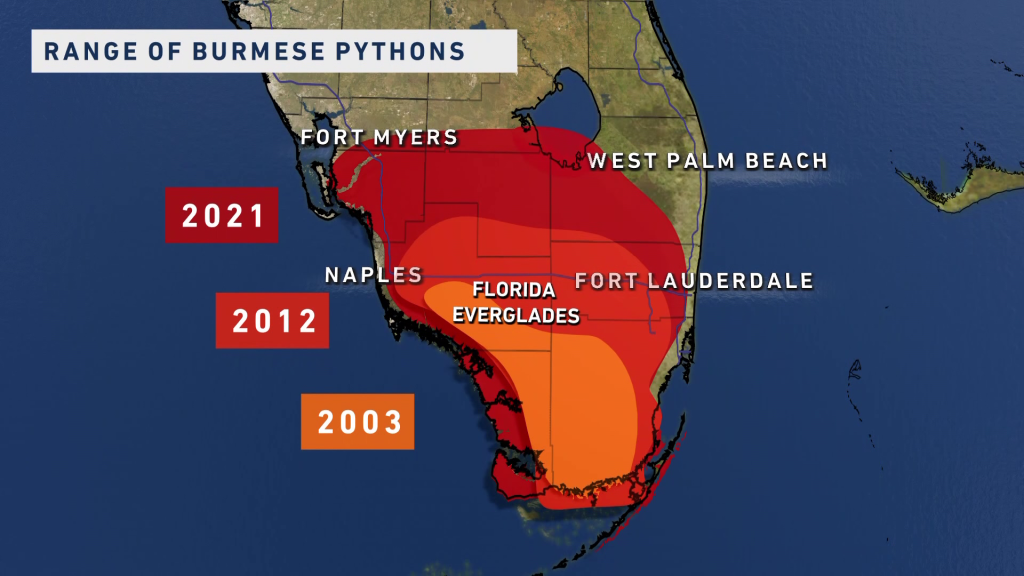
The presence of Burmese pythons in Florida is a complex ecological issue, intertwined with the state’s unique environment and human activities. While the most heavily infested areas are well-documented, the question of “how far north” these constrictors have ventured is dynamic and subject to ongoing research and monitoring. Understanding this spread is not just an academic exercise; it has implications for travel planning, particularly for those seeking to experience Florida’s diverse nature and landmarks, and for the management of its precious natural resources.
The Unfolding Invasion: From Pet Trade to Ecological Crisis
The story of the Burmese python in Florida is largely a cautionary tale of the exotic pet trade. Thousands of these large constrictor snakes were imported into the United States for the pet industry, especially in the late 20th century. Many of these pets, either intentionally released by owners overwhelmed by their size and care requirements or escaping their enclosures, found a suitable habitat in the warm, humid climate of South Florida. The Everglades National Park, a vast wetland ecosystem, proved to be an ideal breeding ground and refuge.
Early Sightings and Establishing a Foothold
Initial sightings of Burmese pythons in the wild were sporadic, but by the late 1990s and early 2000s, a pattern began to emerge. The snakes were not only surviving but thriving, reproducing and establishing breeding populations. The Everglades became the epicenter of this invasion, with biologists and wildlife officials quickly realizing the severity of the situation. The sheer abundance of prey species within the park, including native mammals like raccoons, opossums, and even deer, provided a readily available food source, allowing the pythons to grow to impressive sizes and reproduce successfully.
The impact on native wildlife has been devastating. Studies have documented significant declines in populations of various mammals within the Everglades, directly attributed to python predation. Birds, reptiles, and amphibians have also fallen victim to these opportunistic hunters. This ecological imbalance has spurred intensive efforts to control and eradicate the invasive python population, but their elusive nature and vast habitat make this an incredibly challenging undertaking.
Mapping the Northern Limit: Where Do Pythons Go?
Determining the precise northern limit of Burmese python presence in Florida is a constantly evolving challenge. While their stronghold remains in the southern third of the state, particularly in the Everglades and surrounding areas, confirmed sightings and evidence of established populations have been pushing further north over time.
The I-75 Corridor and Beyond
One significant corridor for python movement and dispersal appears to be along the Interstate 75 (I-75), also known as Alligator Alley, which cuts across the southern part of the state. This major highway, bordering the northern edge of the Everglades, has likely facilitated the snakes’ movement into new territories. Wildlife biologists have documented pythons found north of their traditionally recognized range, particularly in areas west of Lake Okeechobee and along the southwestern coast.
Cities like Naples and areas further north have reported python encounters, though the extent to which these represent established breeding populations versus individual, transient snakes is still under investigation. The Fish and Wildlife Conservation Commission (FWC) actively monitors these sightings, collecting data from researchers, trappers, and the public.
Factors Influencing Northern Spread
Several factors contribute to the potential for Burmese pythons to expand their range northward:

- Habitat Suitability: While the sub-tropical climate of South Florida is ideal, the southern parts of the peninsula offer extensive areas of suitable habitat, including wetlands, marshes, and pine flatwoods, that can support python populations. As the pythons move further north, they are likely seeking out similar ecological niches.
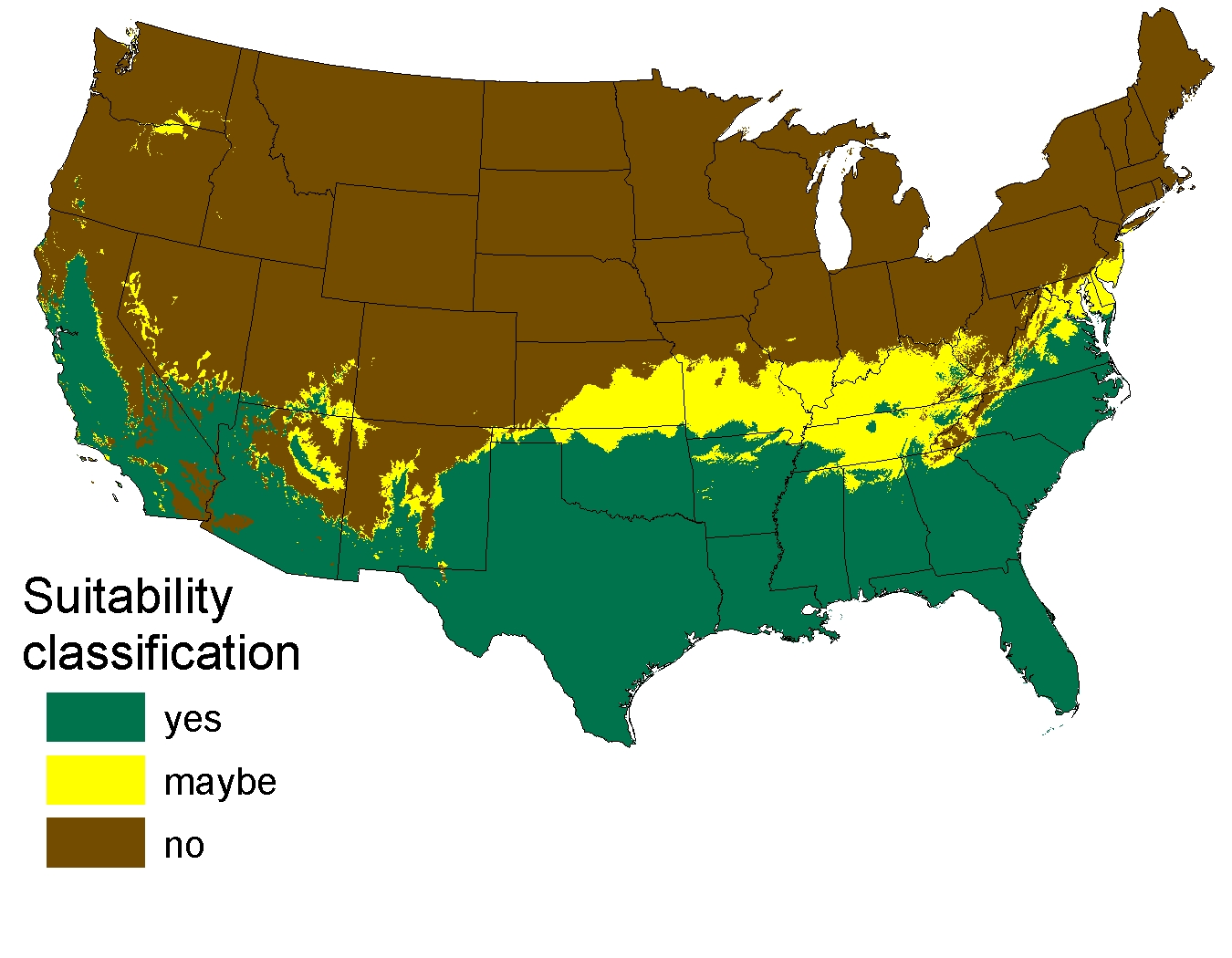
- Climate Change: Some scientists hypothesize that a warming climate could, over time, make more northerly parts of Florida suitable for pythons, potentially expanding their habitable range.
- Human Dispersal: Accidental or intentional transport of pythons by humans can also contribute to their spread into new areas, bypassing natural dispersal barriers. This is a persistent concern, especially with the ongoing pet trade and the possibility of escaped or released animals.
- ** Prey Availability:** As pythons move into new areas, the presence of sufficient prey species will be a critical factor in their ability to establish and sustain populations.
While the Everglades remains the primary focus of python management, the increasing reports of sightings further north necessitate a broader understanding of their potential impact on new ecosystems. This includes areas that are popular for tourism, offering opportunities to explore Florida’s diverse landmarks and engage in unique activities.
Implications for Florida’s Wildlife and Visitors
The expanding range of the Burmese python has significant implications for both Florida’s native ecosystems and the experiences of visitors and residents.
Protecting Native Biodiversity
The unchecked proliferation of pythons poses a grave threat to the rich biodiversity of Florida. Native species, unaccustomed to such a formidable predator, are particularly vulnerable. The impact is not limited to the Everglades; as pythons move into new habitats, they can disrupt food webs and alter the composition of local wildlife populations.
Conservation efforts are multifaceted, including:
- Removal Programs: The FWC and other agencies conduct extensive python removal efforts, employing trained professionals and incentivizing public participation through programs like the Python Elimination Program.
- Research and Monitoring: Ongoing research aims to understand python behavior, reproductive strategies, and dispersal patterns to inform more effective control measures.
- Public Awareness and Education: Educating the public about the dangers of releasing exotic pets and encouraging reporting of python sightings is crucial.
For those interested in wildlife and nature, understanding the python issue is part of appreciating Florida’s ecological challenges. While encountering a python in the wild is a rare and potentially dangerous event, awareness helps visitors navigate natural areas more responsibly.
Navigating Florida’s Natural Attractions Safely
For tourists planning to explore Florida’s natural beauty, including its numerous landmarks and nature preserves, understanding the presence of pythons is a matter of safety and awareness. The vast majority of visitors will not encounter a python, especially in well-trodden tourist areas and popular resort destinations like Orlando or Miami.
However, in more remote or natural areas, particularly those bordering or within the known python range, caution is advised. Visitors are encouraged to:
- Stay on Marked Trails: This minimizes the chance of disturbing wildlife and reduces the risk of encountering snakes.
- Be Aware of Surroundings: Especially in grassy or wooded areas, pay attention to where you are stepping and placing your hands.
- Never Handle Wild Snakes: Burmese pythons are powerful constrictors and can inflict serious injury. It is crucial to admire them from a safe distance and never attempt to approach or capture one.
- Report Sightings: If a python is encountered, particularly in an area where they are not expected, it is important to report the sighting to the Florida Fish and Wildlife Conservation Commission. This data is invaluable for tracking their spread.
The allure of Florida lies in its diverse attractions, from the iconic beaches of Miami Beach to the unique ecosystems of the Florida Keys and the theme park wonders of Orlando. While the python invasion is a serious environmental concern, it does not detract from the incredible experiences the state offers. By staying informed and practicing responsible tourism, visitors can safely enjoy all that Florida has to offer.
For those seeking accommodations that offer a connection to nature while ensuring comfort and safety, many resorts and hotels in Florida provide guided tours and educational programs that touch upon the state’s unique environment, including its conservation challenges. Destinations near the Everglades or along the coast, such as those found in the Florida Keys or near Tampa, often provide opportunities to learn about local wildlife and the efforts to preserve it. Whether you are looking for luxury resorts, family-friendly apartments, or charming villas, Florida’s hospitality sector caters to a wide range of preferences, ensuring a memorable stay while fostering an appreciation for the natural world.
The ongoing efforts to manage and understand the Burmese python population in Florida highlight the state’s commitment to both ecological preservation and providing exceptional travel experiences. As research continues and control strategies evolve, the understanding of how far north pythons have spread will become even clearer, enabling more targeted conservation and informed enjoyment of Florida’s magnificent landscapes.
LifeOutOfTheBox is a participant in the Amazon Services LLC Associates Program, an affiliate advertising program designed to provide a means for sites to earn advertising fees by advertising and linking to Amazon.com. Amazon, the Amazon logo, AmazonSupply, and the AmazonSupply logo are trademarks of Amazon.com, Inc. or its affiliates. As an Amazon Associate we earn affiliate commissions from qualifying purchases.