
Florida, the Sunshine State, is synonymous with year-round warmth and humidity. For residents and visitors alike, a functioning air conditioning unit is not a luxury, but an absolute necessity. The constant battle against the heat and sticky air makes AC units work overtime, leading many to wonder about their lifespan, especially in a climate as demanding as Florida’s. Understanding the typical longevity of AC units in this region is crucial for homeowners and property managers, impacting everything from budget planning for replacements to ensuring comfort during a sweltering summer vacation. This article delves into the factors that influence AC unit durability in Florida and offers insights to help maximize their operational life.

The lifespan of an air conditioning unit is a complex interplay of several elements. While a general range can be provided, several variables can significantly shorten or extend that period. In Florida’s unique environment, these factors often combine to present a more challenging scenario for HVAC systems compared to cooler climates.
Factors Affecting AC Unit Lifespan in Florida
When considering the lifespan of an air conditioning unit in Florida, several key factors come into play. The relentless sun, the pervasive humidity, and the sheer frequency of use all contribute to the wear and tear on these essential appliances. Understanding these influences can help homeowners and property managers in cities like Miami, Orlando, and Tampa make informed decisions about maintenance and eventual replacement.
Climate and Environmental Conditions
Florida’s climate is undeniably the most significant factor influencing AC unit longevity. The state experiences high temperatures for a substantial portion of the year, often exceeding 90 degrees Fahrenheit, and this doesn’t even account for the oppressive humidity that makes it feel even hotter.
- Humidity: High humidity levels are a constant challenge for AC systems. The unit’s primary function is not just to cool the air, but also to dehumidify it. This dual role means the evaporator coil works harder to remove moisture, leading to increased condensation and a greater risk of mold and mildew growth within the system. Over time, this can corrode components and reduce efficiency.
- Salt Air: For those living in coastal areas, such as St. Petersburg or Fort Lauderdale, the presence of salt in the air is a corrosive agent. Salt spray can degrade the outdoor condenser unit’s coils, fins, and even the electrical components, accelerating rust and wear. This is a particular concern for villas and apartments located near the beaches of the Gulf Coast or the Atlantic Coast.
- Sand and Debris: While not as potent as salt, wind-blown sand and other debris in Florida can accumulate on the outdoor unit’s condenser fins, obstructing airflow. This forces the unit to work harder to dissipate heat, leading to increased strain and reduced efficiency. Regular cleaning is paramount in these environments.
- Frequent Use: Unlike in more temperate climates where AC units might only be used sporadically during summer months, in Florida, they are often run for 8-10 months of the year, sometimes even year-round. This constant operation naturally leads to more wear and tear on all components, from the compressor to the fan motor.
Unit Quality and Type
The initial quality of the AC unit itself plays a critical role. Higher-end, more robust units, especially those designed for commercial applications or with enhanced durability features, will naturally last longer than budget models.
- Brand Reputation: Reputable HVAC manufacturers often use higher-quality components and have more stringent manufacturing processes. Investing in a well-known brand can translate to a longer-lasting system.
- SEER Rating: While primarily an efficiency metric, a higher Seasonal Energy Efficiency Ratio (SEER) rating often indicates a more advanced and potentially better-built unit. These units are designed for optimal performance and may incorporate features that contribute to longevity.
- Type of System: Central air conditioning systems are the most common in Florida homes and apartments. However, the specific type of central air (e.g., split system, packaged unit) and its components can also influence lifespan. For example, the quality of the compressor, the heart of the AC system, is a major determinant of overall unit life.
Installation and Maintenance Practices
Proper installation is the foundation of a long-lasting AC unit, and ongoing maintenance is the key to preserving its performance and extending its life.
- Professional Installation: An improperly installed unit can lead to numerous issues, including refrigerant leaks, electrical problems, and airflow imbalances, all of which can shorten its lifespan. It’s crucial to hire certified and experienced HVAC technicians for installation, whether for a new home construction or a replacement in a resort or apartment complex.
- Regular Maintenance: This is arguably the most critical factor homeowners and property managers can control. An annual tune-up by a qualified technician can identify and address potential problems before they become serious. This includes checking refrigerant levels, cleaning coils, inspecting electrical connections, and lubricating moving parts.
- Filter Replacement: A simple yet vital maintenance task is regularly changing or cleaning the air filter. A clogged filter restricts airflow, forcing the fan motor to work harder and potentially leading to the evaporator coil freezing up. The frequency of filter replacement depends on the type of filter and household conditions, but in Florida’s dusty and humid environment, it’s often recommended more frequently than in other regions.
- Ductwork: The condition of the ductwork is also important. Leaky or poorly insulated ducts can cause the AC unit to work harder to achieve the desired temperature, leading to increased energy consumption and premature wear.
Usage Patterns
How an AC unit is used can also impact its lifespan.
- Thermostat Settings: Constantly adjusting the thermostat up and down, or setting it to extremely low temperatures, puts more stress on the system. Gradual adjustments and maintaining a consistent temperature (within reason) are better for the unit. For vacation rentals or long-term stay accommodations, educating guests on proper thermostat usage can be beneficial.
- Zoning: In larger homes or properties, like some of the luxurious resorts in Orlando or along the Florida Keys, zoning systems can allow for different temperature controls in different areas, potentially reducing the overall workload on the main unit when certain areas are not in use.
Typical Lifespan of AC Units in Florida
Considering the factors above, a general guideline for AC unit lifespan in Florida can be established. However, it’s important to remember that these are averages, and individual experiences can vary significantly.
On average, a well-maintained central air conditioning unit in a typical Florida home or apartment can be expected to last between 10 to 15 years. This range is slightly lower than the national average (often cited as 12-17 years) due to the more strenuous operating conditions in the Sunshine State.
Several aspects can influence whether an AC unit falls at the lower or higher end of this spectrum:
- 10-12 Years: Units that are not regularly maintained, are exposed to harsh coastal conditions without protective measures, or are consistently run at extreme settings may fall into this shorter lifespan category. Properties that experience high occupancy or heavy use, such as vacation rental villas or popular tourist hotels, might also see their units reach the end of their life around this mark, even with diligent maintenance, due to the sheer volume of hours they are operational.
- 13-15 Years (or more): Units that benefit from consistent professional maintenance, are installed correctly in less corrosive environments (further inland), are of higher quality, and are used with moderate thermostat settings have a better chance of reaching or even exceeding the 15-year mark. Properties that operate as long-term stays or private residences where usage is more predictable and maintenance is a priority tend to see longer lifespans.
Coastal vs. Inland Units
The difference in lifespan between AC units located on the coast versus those further inland can be substantial.
- Coastal Units: As mentioned, the salt-laden air is a significant factor. Units in areas like Key West, Sarasota, or Jacksonville Beach are more prone to corrosion. Without specific protective coatings or frequent cleaning, these units may only last 8 to 12 years. Many residents and property managers in these areas opt for more frequent preventative maintenance or invest in higher-grade units with corrosion-resistant components to combat this issue. For hotels and resorts in these prime locations, the consistent wear from guest usage adds another layer to consider for their HVAC systems.
- Inland Units: AC units situated further inland, away from the direct impact of salt spray, generally benefit from a slightly longer lifespan, typically in the 12 to 16-year range, assuming good maintenance. Cities like Gainesville, Tallahassee, or the more central parts of Central Florida may see their AC units perform closer to national averages due to less corrosive environmental factors.
Signs Your AC Unit Needs Replacement
Recognizing the signs that your AC unit is nearing the end of its service life is crucial to avoid uncomfortable breakdowns, especially during the peak of Florida’s heat. Proactive replacement can also prevent more costly secondary damage.
Declining Performance and Efficiency
One of the most common indicators is a noticeable drop in performance.
- Inadequate Cooling: The most obvious sign is that your AC unit is no longer effectively cooling your home or property. You might notice warm air blowing from the vents, or certain rooms remain stubbornly hot, even when the thermostat is set to a cool temperature. This can be a sign of a failing compressor or refrigerant issues.
- Increased Energy Bills: If your electricity bills have been steadily climbing without a corresponding increase in usage, your AC unit is likely working harder to maintain the desired temperature. This is often a symptom of declining efficiency due to wear and tear on components or dirty coils. For hotels and rental properties, this can significantly impact operational costs.
- Frequent Cycling: If your AC unit turns on and off more frequently than usual, this “short-cycling” can be a sign that it’s struggling to reach the set temperature or is experiencing internal issues. This constant starting and stopping puts extra strain on the motor and compressor.
Unusual Noises and Smells
The sounds and odors emanating from your AC unit can provide critical clues about its health.
- Strange Noises: Grinding, squealing, banging, or rattling sounds often indicate mechanical problems. These noises can be caused by loose parts, failing bearings in the fan motor, or compressor issues. Ignoring these sounds can lead to catastrophic failure.
- Musty or Burning Smells: A musty odor might suggest mold or mildew growth within the unit or ductwork, which is common in Florida’s humid climate. A burning smell, however, is more serious and could indicate an electrical problem or overheating motor, requiring immediate attention.
Frequent Repairs and Age
As AC units age, they tend to require more frequent and costly repairs.
- Repeated Breakdowns: If you find yourself calling an HVAC technician for the same problem multiple times a year, or if you’ve had several different issues arise in the past couple of years, it might be more cost-effective to replace the unit rather than continue pouring money into repairs.
- Age of the Unit: If your AC unit is approaching or has already surpassed the 10-year mark, and especially if it hasn’t had a history of diligent maintenance, it’s wise to start budgeting for a replacement. The cost of major repairs on an older unit can quickly approach the cost of a new, more efficient system. For property managers in Destin or other tourist towns, anticipating replacement is key to avoiding guest complaints during peak seasons.
Extending the Life of Your AC Unit
While you cannot entirely escape the impact of Florida’s demanding climate, there are several proactive steps you can take to maximize the lifespan of your air conditioning unit, ensuring it runs efficiently and reliably for as long as possible. This is particularly important for any property owner in Florida, whether it’s a family home in Jacksonville, a vacation villa in Naples, or a hotel in Clearwater.
Prioritize Regular Professional Maintenance
This is the single most impactful action you can take. An annual (or semi-annual, depending on usage and location) tune-up by a qualified HVAC technician is essential.
During these maintenance visits, a technician will:
- Clean Coils: Both the indoor evaporator coil and the outdoor condenser coil will be cleaned. Dirty coils significantly reduce efficiency and strain the system.
- Check Refrigerant Levels: Proper refrigerant charge is critical for efficient cooling.
- Inspect Electrical Components: Tighten connections, check capacitors, and ensure all wiring is in good condition.
- Lubricate Moving Parts: Ensure motors and fan bearings are properly lubricated.
- Check and Clean Condensate Drain: Prevent clogs that can lead to water damage and mold growth.
- Test Thermostat and Controls: Ensure accurate operation.
For coastal properties, discussing specific maintenance needs related to salt corrosion with your technician is vital. They might recommend special cleaning solutions or protective coatings for the outdoor unit.
Implement a Consistent Filter Replacement Schedule
This is a simple yet profoundly important task for homeowners and property managers.
- Frequency: In Florida, with its high pollen counts and humidity, air filters can become clogged more quickly. It’s recommended to check your filter monthly and replace it every 1 to 3 months, depending on the type of filter and your household’s conditions (pets, allergies, etc.).
- Type of Filter: High-efficiency filters can trap more particles but may also restrict airflow more. Discuss the best filter type with your HVAC professional to balance filtration needs with system strain.
Ensure Proper Airflow and Ventilation
Good airflow is crucial for any AC system to operate efficiently.
- Clear Vents and Registers: Ensure that furniture, curtains, or other obstructions are not blocking the supply and return air vents in your home or property.
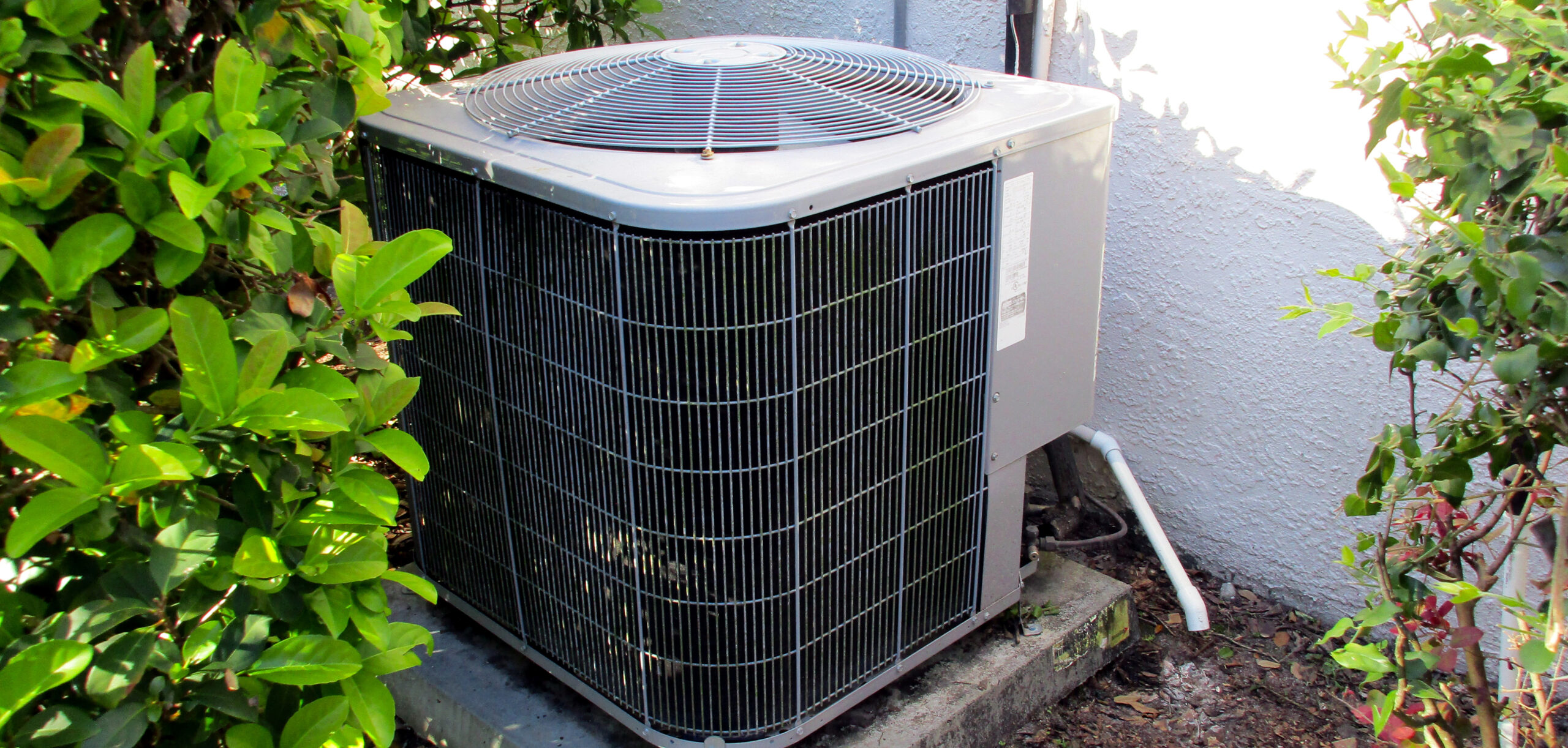
- Outdoor Unit Clearance: Make sure the outdoor condenser unit has adequate space around it for proper airflow. Remove any debris, leaves, or vegetation that might be accumulating around the unit.
- Ductwork Inspection: Periodically inspect your ductwork for leaks or damage. Leaky ducts can lose a significant amount of conditioned air before it reaches its destination, forcing the AC to work harder. Sealing and insulating ducts can improve efficiency and extend the life of the unit.
Use Smart Thermostat Settings and Habits
While it’s tempting to crank down the AC during the hottest days, consistent and moderate settings are better for the unit.
- Avoid Extreme Settings: Try to maintain a consistent temperature rather than making drastic adjustments. Setting the thermostat to a comfortable but not excessively low temperature (e.g., 75-78°F when occupied) is more efficient.
- Programmable or Smart Thermostats: These devices can be programmed to adjust temperatures automatically when you’re away or asleep, reducing unnecessary runtime without sacrificing comfort. Many smart thermostats can also provide usage data and alerts, helping you monitor your AC’s performance. For vacation rental owners, these can be invaluable for managing energy costs and ensuring units are not overused when guests are out.
Consider Protective Measures for Coastal Units
If you live in a coastal area like Palm Beach or Clearwater Beach, taking extra precautions for your outdoor AC unit is advisable.
- Corrosion-Resistant Coatings: Discuss with your HVAC technician the possibility of applying specialized coatings to the condenser fins and coils to protect against salt corrosion.
- Regular Cleaning: More frequent rinsing of the outdoor unit with a hose (ensure the power is off and follow manufacturer guidelines) can help wash away salt and debris.
By diligently following these maintenance and operational tips, residents and property managers across Florida can significantly improve the lifespan and efficiency of their air conditioning units, ensuring comfort and mitigating unexpected costs. Whether you are planning a luxury travel experience in Miami Beach, a family vacation in Orlando, or a long-term stay in a villa in Sanibel Island, a well-maintained AC unit is a key component of a comfortable Florida experience.
LifeOutOfTheBox is a participant in the Amazon Services LLC Associates Program, an affiliate advertising program designed to provide a means for sites to earn advertising fees by advertising and linking to Amazon.com. Amazon, the Amazon logo, AmazonSupply, and the AmazonSupply logo are trademarks of Amazon.com, Inc. or its affiliates. As an Amazon Associate we earn affiliate commissions from qualifying purchases.