
Navigating the landscape of parental leave, especially for new mothers, can feel like planning a complex travel itinerary. While the allure of sunny beaches and family-friendly resorts in Florida might come to mind for leisure, understanding the intricacies of maternity leave is a crucial step for residents and expectant parents. This guide aims to demystify how long maternity leave is in Florida, exploring the various avenues available and shedding light on what new parents can expect as they embark on this significant life chapter.
The birth of a child is a momentous occasion, often accompanied by a whirlwind of emotions, preparations, and the excitement of welcoming a new life. In the midst of selecting a cozy family-friendly resort or planning a celebratory getaway to the Everglades National Park, it’s essential for expectant parents to also consider the practicalities of their work situation. For many, this means understanding their rights and options regarding maternity leave. Florida, like other states, has a framework in place, but it’s not always as straightforward as booking a direct flight.
This article will delve into the federal protections that apply, the specific nuances within Florida, and other potential avenues for paid or unpaid leave that can support new mothers during this transformative period. We’ll explore how these provisions interact with your employment, ensuring you can make informed decisions that prioritize both your well-being and your family’s needs.
Understanding Your Rights: Federal Protections for Maternity Leave
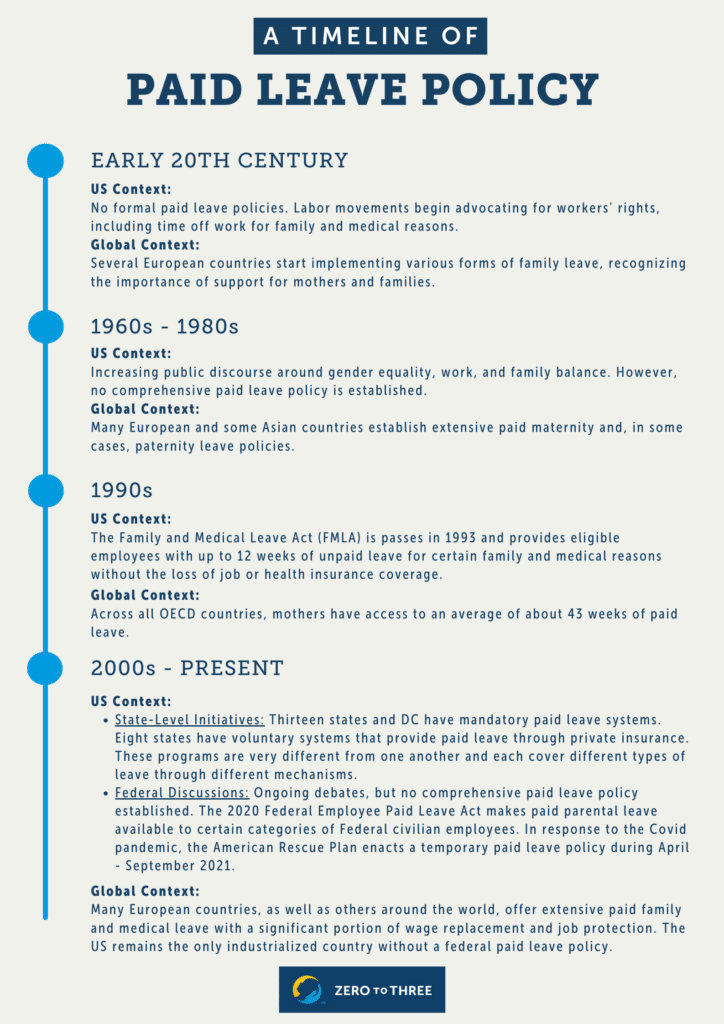
When considering maternity leave in Florida, the first and most significant layer of protection comes from federal law. The Family and Medical Leave Act (FMLA) is the cornerstone of job-protected, unpaid leave for eligible employees across the United States. This is a vital piece of legislation that ensures new mothers, and indeed many other caregivers, can take time off without the fear of losing their jobs.
The Family and Medical Leave Act (FMLA)
The FMLA provides eligible employees of covered employers with up to 12 workweeks of unpaid, job-protected leave in a 12-month period for specified family and medical reasons. For new mothers, this typically applies to:
- The birth of a child and to care for the newborn child within one year of birth. This is the primary reason new mothers utilize FMLA leave.
- The placement of a child with the employee for adoption or foster care and to care for the newly placed child within one year of placement. While not directly related to biological birth, this provision is crucial for adoptive and foster parents.
- A serious health condition that makes the employee unable to perform the functions of the employee’s job. This could include complications arising from pregnancy or childbirth.
To be eligible for FMLA leave, an employee must meet certain criteria:
- They must work for a covered employer. Covered employers include private-sector employers with 50 or more employees in each of 20 or more workweeks in the current or preceding calendar year, public agencies, and public or private elementary or secondary schools.
- They must have worked for the employer for at least 12 months. The 12 months do not have to be consecutive.
- They must have worked at least 1,250 hours of service during the 12 months immediately preceding the start of the leave.
- They must work at a location where the employer has at least 50 employees within 75 miles.
It is crucial to understand that FMLA leave is unpaid. This means that while your job is protected, you will not receive your regular salary during your leave. This is a common point of confusion, and it’s why many look for additional ways to secure income or supplement their leave.
Job Protection and Benefits During Leave
One of the most significant benefits of FMLA is the guarantee of job protection. Upon returning from FMLA leave, employees must be restored to their original job or to an equivalent job with equivalent pay, benefits, and other terms and conditions of employment. This means your employer cannot demote you, cut your pay, or change your job responsibilities simply because you took your entitled leave.
Furthermore, during the FMLA leave, employers are generally required to maintain group health insurance coverage under the same terms as if the employee had continued to work. This ensures that new mothers can keep their health insurance active for themselves and their families during this critical period.
While FMLA provides a vital safety net, its unpaid nature means that many families need to explore other options to make this leave financially viable. This can include using paid time off, exploring state-specific benefits if they exist (though Florida does not currently have a state-wide paid family leave program), or relying on employer-provided benefits.
Exploring Options Beyond Federal Law in Florida
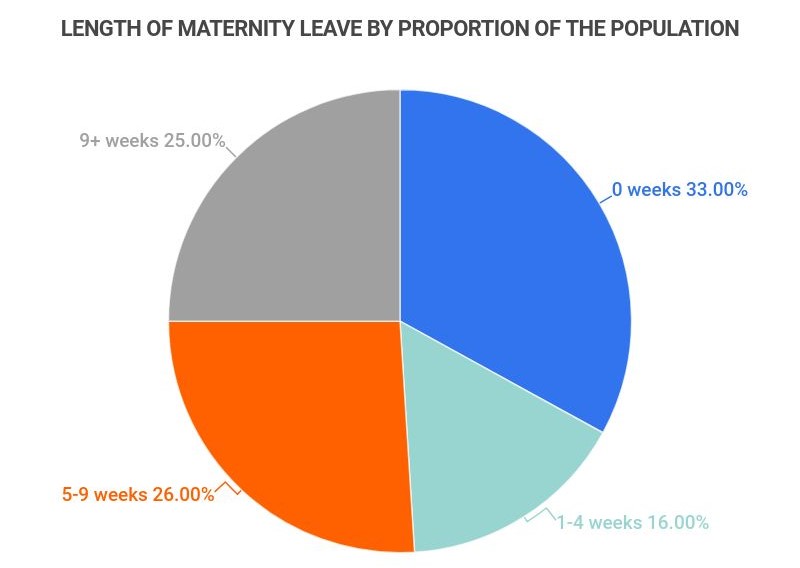
While the FMLA provides a baseline for job-protected leave, it’s important to recognize that it doesn’t offer financial compensation. For many families, this makes a 12-week unpaid leave an impossibility. Fortunately, there are other avenues to explore within Florida, though they may vary significantly depending on your employer and your specific circumstances.
Employer-Specific Policies and Paid Time Off
The most common way for new mothers to secure paid maternity leave in Florida is through their employer’s specific policies. Many companies, especially larger corporations or those in competitive industries, offer their own paid parental leave programs. These policies can vary widely:
- Duration: Some employers may offer a few weeks of paid leave, while others might extend it to several months.
- Pay Rate: The level of pay during this leave can range from full salary to a percentage of the employee’s usual wages.
- Eligibility: Employers may have their own eligibility requirements, which might differ from FMLA.
It is imperative for expectant mothers to proactively inquire about their employer’s maternity leave policies. This information is often found in the employee handbook, company intranet, or by speaking directly with the human resources department. Understanding these policies well in advance of the due date can help in financial planning and managing expectations.
Beyond formal paid parental leave, many employees in Florida can utilize their accrued paid time off (PTO), vacation days, or sick leave to supplement their maternity leave. If an employer allows it, combining these accrued benefits with unpaid FMLA leave can significantly reduce the financial strain and extend the period of compensated time off.
For instance, a new mother might take her employer’s provided 8 weeks of paid parental leave, followed by 4 weeks of accrued vacation and sick time, and then the remaining 12 weeks of unpaid FMLA leave. This hypothetical scenario allows for a substantial period of time away from work with some level of compensation.
State-Specific Programs and Assistance
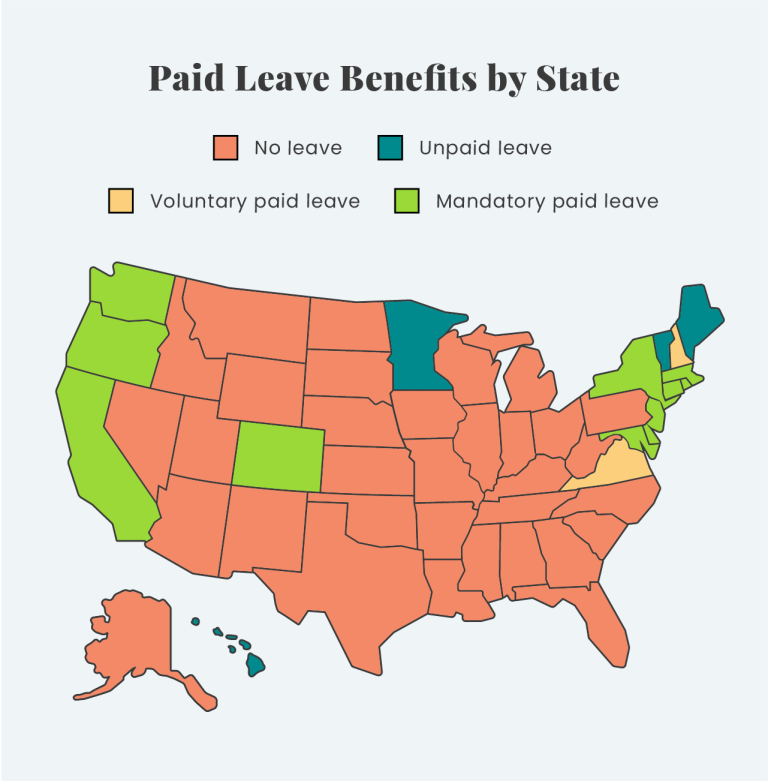
As of now, Florida does not have a state-mandated paid family leave insurance program similar to those in states like California or New York. This means there isn’t a universal system in place where employees and employers contribute to a fund that provides paid leave for childbirth, adoption, or serious health conditions.
However, it’s worth noting that the legislative landscape can evolve. It’s always a good practice for residents to stay informed about any potential changes or new initiatives proposed at the state level.
In the absence of a state-wide paid leave program, new mothers in Florida might also explore Temporary Disability Benefits. These benefits are generally intended for individuals who are unable to work due to a non-work-related injury or illness. For some new mothers, severe postpartum complications or recovery from a difficult birth might qualify them for temporary disability benefits, which can provide a portion of their lost wages for a limited period. Eligibility and application processes for these benefits are managed through the Florida Department of Economic Opportunity.
Navigating the Practicalities of Leave
Regardless of the type of leave secured, whether it’s FMLA, employer-provided paid leave, or a combination, careful planning is essential.
- Communicate Early and Clearly: Inform your employer about your pregnancy and your anticipated leave dates as early as possible. This allows them to make necessary staffing arrangements and ensures a smoother transition for everyone.
- Understand Your Rights: Familiarize yourself with both federal FMLA regulations and your employer’s specific policies. HR departments are valuable resources for clarifying any doubts.
- Financial Planning: Since much of the leave may be unpaid, create a detailed budget. Explore options like savings, reducing expenses, and potentially relying on support from family.
- Benefits Continuation: Confirm how your health insurance and other benefits will be handled during your leave.
For families planning a stay at a luxurious resort in Orlando or exploring the vibrant art scene in Miami, the financial and logistical aspects of maternity leave are just as important as planning the perfect itinerary. By understanding the available options and planning ahead, new mothers in Florida can better navigate this precious time with their newborns, balancing their professional responsibilities with their personal well-being and family needs.
The journey of parenthood is a beautiful adventure, and with the right information and planning, maternity leave in Florida can be a supportive and manageable experience, allowing new mothers to focus on what matters most: bonding with their baby.
LifeOutOfTheBox is a participant in the Amazon Services LLC Associates Program, an affiliate advertising program designed to provide a means for sites to earn advertising fees by advertising and linking to Amazon.com. Amazon, the Amazon logo, AmazonSupply, and the AmazonSupply logo are trademarks of Amazon.com, Inc. or its affiliates. As an Amazon Associate we earn affiliate commissions from qualifying purchases.