
The pursuit of a career in law enforcement is a noble calling, demanding dedication, courage, and a commitment to serving the community. For those aspiring to join the ranks of police officers in the Sunshine State, a crucial first step is successfully completing the rigorous training offered at a Florida police academy. But a common and important question arises for prospective cadets: “How long is the police academy in Florida?” The answer, while seemingly straightforward, involves understanding the various components of the training and the specific requirements that shape its duration.
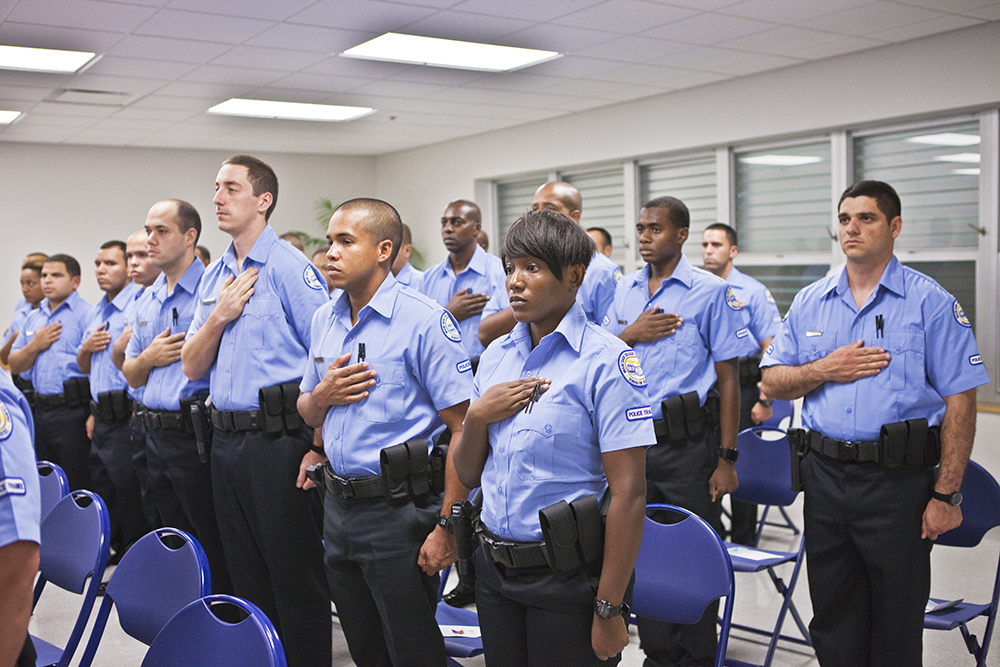
The length of police academy training in Florida is primarily dictated by the Florida Department of Law Enforcement (FDLE), which sets the standards and curriculum for all law enforcement certification. The core of this training is the Florida Basic Recruit Training Program, often referred to as the “Police Academy.” This program is designed to equip individuals with the fundamental knowledge, skills, and abilities necessary to perform the duties of a law enforcement officer safely and effectively.
The Core Curriculum and Its Duration
The standard Florida Basic Recruit Training Program requires a minimum of 1,320 hours of instruction. This extensive training period is not simply a matter of attending lectures; it’s a comprehensive program that encompasses a wide range of subjects and practical applications. These hours are meticulously structured to cover everything from legal statutes and procedures to defensive tactics and firearms proficiency.
The 1,320 hours are typically broken down into various modules, each focusing on specific areas of law enforcement. These modules include:
Criminal Justice Standards and Training Commission (CJSTC) Requirements
The Criminal Justice Standards and Training Commission (CJSTC) plays a pivotal role in establishing the benchmarks for law enforcement training across the state. The 1,320 hours are mandated by the CJSTC to ensure a consistent and high-quality standard for all aspiring officers. This commission oversees the curriculum development, approves training centers, and certifies instructors. Their stringent guidelines are in place to guarantee that every graduate possesses the foundational competencies required for the demanding role of a law enforcement officer.
The curriculum itself is a multi-faceted program designed to prepare recruits for the complexities of policing. Key areas of study include:
- Legal Aspects: This encompasses a deep dive into Florida statutes, criminal law, constitutional law, search and seizure rules, arrest procedures, and evidence handling. Understanding the legal framework is paramount for officers to act within the bounds of the law and uphold citizens’ rights.
- Patrol Procedures: Recruits learn the fundamentals of traffic stops, responding to calls for service, crowd control, crime scene management, and the use of patrol vehicles. This module focuses on the day-to-day realities of being a uniformed officer.
- Criminal Investigation Techniques: Training in this area includes gathering evidence, interviewing witnesses and suspects, report writing, and understanding basic investigative principles.
- Firearms Training: A significant portion of the academy is dedicated to firearms proficiency. Recruits undergo rigorous training in safe firearm handling, marksmanship, tactical shooting, and the legal use of deadly force. This is a critical skill that requires constant practice and adherence to safety protocols.
- Defensive Tactics: This module teaches recruits how to physically control subjects, use non-lethal force when necessary, and protect themselves from harm. It includes techniques like handcuffing, restraint, and basic hand-to-hand combat.
- First Aid and Emergency Medical Response: Officers are often the first responders to medical emergencies. Therefore, training in basic first aid, CPR, and handling medical situations is a vital component of the academy curriculum.
- Communications and Report Writing: Effective communication, both verbal and written, is essential for officers. They learn how to communicate clearly with the public, fellow officers, and superiors, as well as how to meticulously document their actions and observations in accurate and comprehensive reports.
- Driver Training: Specialized driver training focuses on the safe operation of police vehicles in emergency situations, including pursuits and high-speed maneuvers.
- Ethics and Professionalism: Beyond the technical skills, the academy instills a strong sense of ethics, integrity, and professionalism. Recruits are educated on the responsibilities and moral obligations that come with the badge.
The 1,320 hours are typically delivered over a period of approximately six months, assuming a full-time, immersive academy experience. This intensive schedule means recruits are often at the academy for extended hours each day, Monday through Friday, and sometimes even on weekends for specialized training or study.
Factors Influencing the Duration
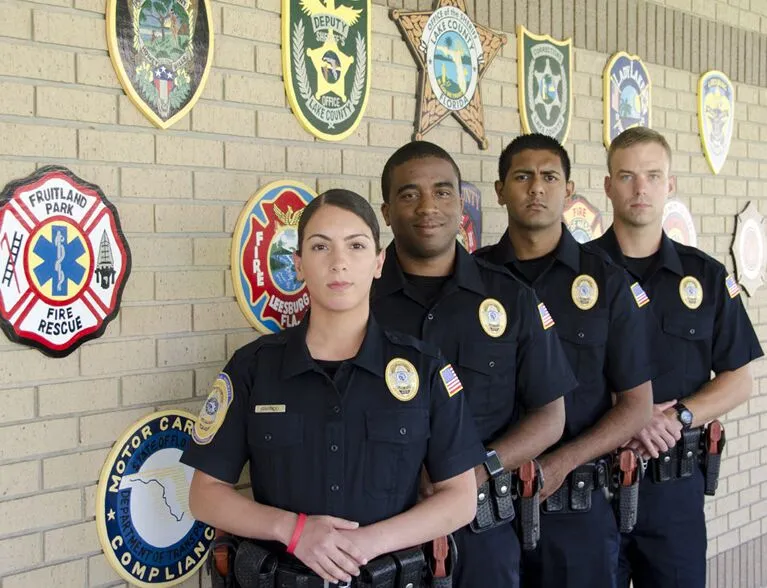
While 1,320 hours is the standard, there can be slight variations in the overall time it takes to complete police academy training in Florida. These variations are usually not in the total required instructional hours but in how those hours are scheduled and the time it takes for a recruit to successfully navigate the program.
Academy Schedules and Format
Police academies in Florida are offered by various institutions, including community colleges, law enforcement academies affiliated with specific agencies, and private training centers. The scheduling and format of these academies can differ:
- Full-Time Academies: Most police academies operate on a full-time basis, meaning recruits attend classes and training sessions for the majority of the week. These are the most intensive programs and are designed to be completed as quickly as possible, typically within the six-month timeframe.
- Part-Time or Evening/Weekend Academies: Some academies may offer part-time or evening/weekend schedules. These options are generally designed for individuals who are already employed and cannot attend a full-time program. While the total instructional hours (1,320) remain the same, a part-time schedule will naturally extend the overall duration to complete the academy. This could mean it takes upwards of a year or more to accumulate the required hours. These formats are less common for initial entry-level police officer training but can be an option for specialized certifications or individuals seeking career changes later in life.
The decision to enroll in a full-time or part-time academy often depends on an individual’s personal circumstances and their specific hiring agency’s requirements. Many municipal and county police departments, such as the Miami Police Department or the Orlando Police Department, prefer or even require candidates to attend a full-time academy to expedite the hiring process.
Agency-Specific Training and Post-Academy Requirements
It’s important to distinguish between the foundational Florida Basic Recruit Training Program and any additional training an individual agency might require. Once a recruit graduates from an FDLE-certified academy and obtains their law enforcement certification, they typically undergo further, agency-specific field training. This post-academy training is crucial for transitioning into the operational environment.
- Field Training Officer (FTO) Program: This is a standard component of law enforcement careers. After graduating from the academy, new officers are paired with experienced Field Training Officers (FTOs) who mentor them in real-world policing. This program can last anywhere from several weeks to several months, depending on the agency and the recruit’s progress. While not part of the academy’s 1,320 hours, it’s an indispensable part of becoming a fully functional officer. The duration of the FTO program is not fixed and can vary significantly.
- Specialized Training: Some agencies may have their own internal training programs for specific roles or equipment. For example, a recruit joining a specialized unit like a SWAT team or K-9 unit might undergo additional training beyond the basic academy and FTO program.

The Hiring Process and Academy Enrollment
The duration of the police academy is also influenced by the hiring process of the specific law enforcement agency. Most agencies require candidates to be hired before they can attend the academy. This means the hiring process itself—which includes background checks, psychological evaluations, physical fitness tests, and interviews—must be completed first.
- Conditional Offer of Employment: Candidates often receive a conditional offer of employment from an agency, which then sponsors them to attend an upcoming academy class. The start dates of these academy classes can vary, and there might be a waiting period between being hired and beginning academy training.
- Academy Class Cycles: Academies typically run in cohorts or “classes.” The number of classes offered per year and the class sizes can influence when a newly hired recruit can begin their training. Some larger agencies might have their own academies that run more frequently.
Therefore, while the instructional content of the police academy in Florida is standardized at 1,320 hours, the total time from deciding to become an officer to being fully operational can extend beyond the academy itself due to the hiring process, agency-specific requirements, and the duration of the FTO program.
In conclusion, the core police academy training in Florida mandates a minimum of 1,320 hours, a comprehensive program designed to prepare aspiring officers for the demanding responsibilities of law enforcement. This rigorous curriculum, overseen by the CJSTC, covers a broad spectrum of legal, tactical, and ethical training. While the instructional hours are fixed, the overall time commitment to becoming a certified officer can be extended by factors such as the academy’s scheduling format, agency-specific training protocols, and the essential post-academy field training. For those embarking on this challenging yet rewarding career path, understanding these components is key to navigating the journey to the badge effectively.
LifeOutOfTheBox is a participant in the Amazon Services LLC Associates Program, an affiliate advertising program designed to provide a means for sites to earn advertising fees by advertising and linking to Amazon.com. Amazon, the Amazon logo, AmazonSupply, and the AmazonSupply logo are trademarks of Amazon.com, Inc. or its affiliates. As an Amazon Associate we earn affiliate commissions from qualifying purchases.