
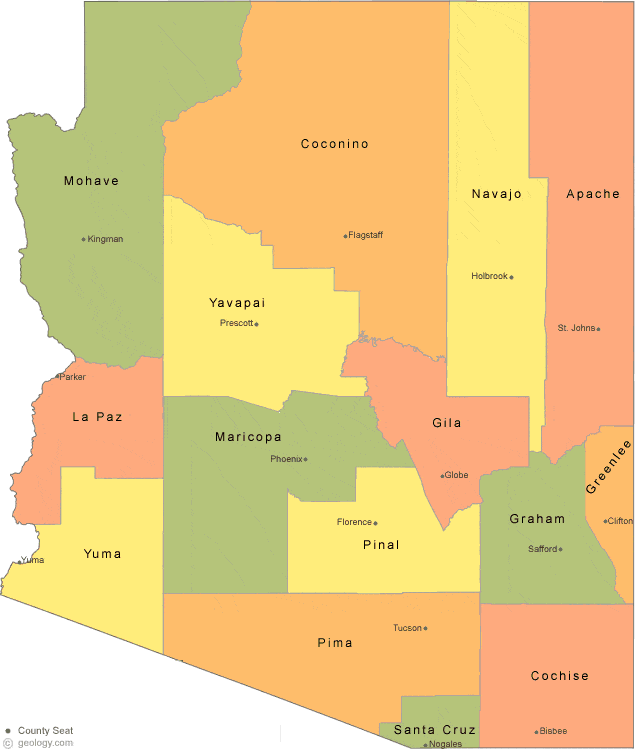
Arizona, the Grand Canyon State, is renowned for its breathtaking landscapes, vibrant culture, and diverse ecosystems. From the red rocks of Sedona to the sprawling urban centers of Phoenix and Tucson, this southwestern gem offers an unparalleled travel experience. For those planning an immersive journey through this captivating state, understanding its geographical and administrative divisions is incredibly useful. So, how many counties make up the vast and varied tapestry of Arizona? The answer is 15. These counties serve as the foundational blocks for everything from local governance to the unique regional characteristics that define different areas of the state, influencing everything from local culture and attractions to accommodation options and travel itineraries.

Each of these 15 counties possesses its own distinct charm, history, and set of attractions, making Arizona a destination that caters to every type of traveler. Whether you’re seeking adventure in the wilderness, a luxurious resort stay, a dive into rich historical narratives, or an encounter with vibrant local communities, Arizona’s counties are your gateway to discovery. This article will delve into these counties, highlighting their unique contributions to the state’s allure, and provide insights for planning your perfect Arizona adventure, focusing on travel, tourism, accommodation, and lifestyle experiences.
Unveiling Arizona’s 15 Counties: A Geographical Overview
The administrative map of Arizona is divided into 15 distinct counties, each playing a crucial role in the state’s economic, cultural, and natural landscape. Established over various periods, these counties reflect the historical progression of the state, from its territorial days to its modern status. Understanding their distribution and characteristics is key to appreciating the vast diversity that Arizona offers.
The Foundation of Arizona’s Diverse Landscape
The creation of Arizona’s counties began in the 1860s, with the earliest counties like Yavapai County and Pima County being among the first. As populations grew and new resources were discovered, more counties were carved out to better serve the needs of burgeoning communities. This process resulted in the current configuration of 15 counties, each with its own county seat – a central hub for administration and often a focal point for tourism and local life.
The size of these counties varies dramatically. Coconino County, for example, is the second-largest county by land area in the contiguous United States, encompassing a vast expanse of forests, plateaus, and, most notably, the Grand Canyon National Park. In contrast, Santa Cruz County along the Mexican border is one of the smallest, yet it is rich in history and offers unique cross-cultural experiences. This diversity in size translates directly into a diversity of landscapes and attractions, from alpine forests in the north to the iconic Sonoran Desert in the south.
A Glimpse into County Sizes and Populations
The population distribution across Arizona’s counties is equally varied, with a significant concentration in the central part of the state. Maricopa County, home to the state capital Phoenix, is by far the most populous, boasting millions of residents and a dynamic urban environment. This concentration impacts everything from the density of luxury hotels and culinary experiences to the pace of life and availability of diverse activities. Other counties, particularly in the more remote eastern and western regions, are sparsely populated, offering travelers a chance to escape into vast natural wilderness, experience off-the-beaten-path adventures, and discover unique cultural heritage sites, often within Native American reservations like the Navajo Nation.
From the bustling metropolitan areas to the serene desert expanses, each county provides a unique lens through which to view the grandeur of Arizona. Travelers can plan their itineraries based on these county distinctions, allowing for a structured exploration of specific themes, whether it’s historical mining towns, pristine natural parks, or vibrant arts scenes. The distinct boundaries encourage a deeper dive into local economies, traditions, and the specific types of tourism each area supports.
Exploring Arizona’s Iconic Counties: Travel, Culture, and Accommodation
To truly appreciate Arizona, it’s essential to look beyond the state as a whole and delve into the unique offerings of its individual counties. Each one presents a different facet of the Arizona experience, from world-class resorts to rugged outdoor adventures.
Maricopa County: The Heart of Urban Arizona
Maricopa County, anchored by Phoenix, is the most populous and economically vibrant county in Arizona. This county is a hub for luxury travel, business stays, and family vacations, offering an astounding array of attractions and amenities. Here, you’ll find an abundance of high-end resorts like the Four Seasons Resort Scottsdale and the Arizona Biltmore, A Waldorf Astoria Resort, providing exquisite suites, world-class golf courses, and rejuvenating spa experiences.
Beyond Phoenix, cities like Scottsdale are synonymous with upscale dining, art galleries, and designer shopping, particularly in Old Town Scottsdale. Mesa, Chandler, Glendale, Peoria, and Tempe also offer diverse attractions, from family-friendly entertainment to bustling university scenes. Landmarks within Maricopa County include Camelback Mountain for hiking, the Desert Botanical Garden, and the Musical Instrument Museum. For a unique blend of history and relaxation, consider a stay at Castle Hot Springs, an historic resort tucked away in the Bradshaw Mountains. Whether it’s a gourmet food tour, a round of championship golf, or exploring Frank Lloyd Wright’s Taliesin West, Maricopa County truly caters to a lifestyle of comfort and adventure.

Coconino County: Gateway to Grandeur and Adventure
Coconino County in northern Arizona is where epic natural wonders dominate. Home to the majestic Grand Canyon National Park, this county is a magnet for adventurers, nature lovers, and those seeking unparalleled scenic beauty. The county seat, Flagstaff, serves as a popular basecamp, offering a cooler climate, access to the San Francisco Peaks, and a vibrant brewery scene. Accommodation options range from cozy cabins and boutique hotels in Flagstaff to rustic lodges within the Grand Canyon Village.
Beyond the Grand Canyon, Coconino County boasts other iconic landmarks such as Antelope Canyon and Horseshoe Bend near Page, the otherworldly Wupatki National Monument, and the impressive Meteor Crater. For those seeking spiritual rejuvenation or artistic inspiration, the red rock country of Sedona, nestled within the Verde Valley on the southern edge of the county, offers luxury resorts like Enchantment Resort and L’Auberge de Sedona, alongside world-class hiking and wellness retreats. The lifestyle here is often active and outdoors-focused, with endless opportunities for hiking, mountain biking, skiing in winter, and exploring ancient cliff dwellings.
Pima County: Southern Arizona’s Desert Charm
Pima County, centered around Tucson, offers a distinctly different desert experience. Known for its rich cultural heritage, delicious Sonoran-style Mexican food, and the iconic Saguaro National Park, this county blends history with natural beauty. Accommodation ranges from historic downtown hotels like the Hotel Congress to luxury desert resorts such as the JW Marriott Starr Pass Resort & Spa, which immerse guests in the natural desert environment.
Tourism in Pima County often revolves around its vibrant arts scene, numerous museums (including the Arizona-Sonora Desert Museum), and missions like San Xavier del Bac. The Mount Lemmon Scenic Byway offers a dramatic elevation change, taking visitors from saguaro cacti to pine forests. This county is ideal for those interested in exploring the unique ecology of the Sonoran Desert, stargazing at Kitt Peak National Observatory, or enjoying the relaxed pace of a desert city. The culinary scene in Tucson is a UNESCO City of Gastronomy, promising exceptional food experiences that highlight local ingredients and traditions.
Yavapai County: Historic Gold and Scenic Beauty
Located in central Arizona, Yavapai County is steeped in history, particularly from the gold rush era. Its county seat, Prescott, boasts a charming downtown with Victorian architecture and a lively “Whiskey Row,” offering a glimpse into the Old West. Prescott is a popular destination for those seeking cooler temperatures, outdoor recreation, and a dose of history, with numerous lakes and trails nearby. Accommodation here includes historic hotels, charming bed and breakfasts, and modern chain hotels catering to diverse budgets.
Beyond Prescott, Yavapai County is home to the former mining town of Jerome, famously known as “America’s Most Vertical City” and a fascinating ghost town with panoramic views of the Verde Valley. Ancient ruins like Montezuma Castle National Monument and Montezuma Well offer insights into indigenous cultures. The Verde Valley Wine Trail provides a unique tourism experience, showcasing local vineyards and wineries, making it perfect for a relaxed, gastronomic lifestyle trip.
Mohave County: Lakes, Deserts, and the Colorado River
Spanning northwestern Arizona, Mohave County is defined by its dramatic desert landscapes, the mighty Colorado River, and expansive lakes. Lake Havasu City, famous for being home to the historic London Bridge, is a premier destination for water sports, boating, and fishing. The county seat, Kingman, is a historic stop along the legendary Route 66, offering classic diners and roadside attractions that appeal to vintage travel enthusiasts.
This county is a paradise for outdoor adventurers, offering opportunities for off-roading, hiking in areas like Hualapai Mountain Park, and exploring the vastness of the Lake Mead National Recreation Area, which borders the iconic Hoover Dam. Accommodation in Mohave County ranges from lakeside resorts and vacation rentals in Lake Havasu City to budget-friendly motels along Route 66 in Kingman, catering to both luxury leisure travelers and those on more adventurous, budget-conscious road trips.
Other Notable Counties
While the above counties are major tourist destinations, the remaining ten counties each contribute significantly to Arizona’s allure:
- Apache County: Home to a large portion of the Navajo Nation and the stunning Canyon de Chelly National Monument, offering profound cultural experiences and ancient cliff dwellings.
- Cochise County: Features the historic Old West towns of Tombstone (famous for the O.K. Corral) and Bisbee (an artistic mining town), along with the natural beauty of Kartchner Caverns State Park and the Chiricahua National Monument.
- Gila County: Central Arizona, known for the Mogollon Rim, Roosevelt Lake, and the scenic Apache Trail near Globe and Payson, perfect for outdoor recreation and exploring pre-Columbian ruins.
- Graham County: Home to Mount Graham, one of the “Sky Islands,” offering diverse ecosystems and cooler temperatures, with unique astronomical observatories.
- Greenlee County: The smallest by population, known for its vast copper mining operations like the Morenci Mine, offering an industrial tourism experience alongside remote wilderness.
- La Paz County: Along the Colorado River, it’s a haven for RV enthusiasts and snowbirds, particularly in Quartzsite, with access to the Kofa National Wildlife Refuge and Buckskin Mountain State Park.
- Navajo County: Encompasses parts of the Painted Desert and Petrified Forest National Park, as well as a significant portion of the Navajo Nation, offering geological wonders and cultural immersion. Holbrook is a classic Route 66 stop.
- Pinal County: Bridging Maricopa and Pima Counties, it features the Casa Grande Ruins National Monument, Biosphere 2, and burgeoning communities like Florence, a historic territorial capital.
- Santa Cruz County: Bordering Mexico, this county offers a rich blend of Old West and Mexican culture in towns like Nogales, as well as scenic wine country in Sonoita and Patagonia.
- Yuma County: Southwestern Arizona, known for its warm winters, agricultural richness, and historical sites like the Yuma Territorial Prison State Historic Park. Yuma is a popular winter destination for RVers.
Planning Your Arizona Adventure: Navigating the Counties
With 15 distinct counties, planning a trip to Arizona can be an exciting endeavor, allowing for tailor-made itineraries that cater to specific interests, budgets, and travel styles. Understanding the geographical and cultural nuances of each county helps optimize travel time and enhance the overall experience.
Crafting Multi-County Itineraries
For many travelers, an Arizona trip isn’t complete without visiting multiple counties. A classic itinerary might involve flying into Phoenix (Maricopa County), exploring its urban delights and luxury resorts, then driving north through Yavapai County to experience Sedona’s red rocks and Prescott’s history, before reaching Coconino County to witness the grandeur of the Grand Canyon. Such a route showcases the dramatic shifts in landscape, climate, and culture that are unique to Arizona.
Alternatively, a southern Arizona loop could start in Tucson (Pima County), explore the Saguaro National Park, venture into the Old West charm of Cochise County’s Tombstone and Bisbee, perhaps crossing into Santa Cruz County for a wine-tasting experience in Sonoita. Each county offers designated scenic drives and trails that connect attractions, making road trips a particularly popular way to experience the state. Planning ahead, especially for popular destinations like the Grand Canyon, is crucial for booking accommodations and activities.
Accommodation Choices Across the State
The diversity of Arizona’s counties is mirrored in its accommodation landscape. In Maricopa County and parts of Coconino County (e.g., Sedona), travelers can indulge in luxurious resorts with world-class amenities, often featuring infinity pools, championship golf courses, and gourmet dining. Examples include the Hyatt Regency Scottsdale Resort & Spa at Gainey Ranch or Sanctuary Camelback Mountain, A Gurney’s Resort & Spa. These options cater to a lifestyle of comfort and indulgence, often sought by those on romantic getaways, business trips, or luxury family vacations.
For budget-conscious travelers or those seeking a more immersive local experience, many counties offer charming boutique hotels, bed and breakfasts, vacation rentals, and even glamping sites. Flagstaff and Prescott have numerous historic hotels, while Yuma County and La Paz County are well-equipped with RV parks and long-term stay options, especially popular with “snowbirds” during the winter months. Booking platforms often provide detailed reviews and comparison tools, helping travelers find the perfect fit for their needs across the varying county landscapes.
Embracing Arizona’s Diverse Lifestyles
Arizona’s counties allow visitors to tailor their lifestyle experiences. For those who love the buzz of city life, Maricopa County offers endless entertainment, fine dining, and cultural events. Adventure seekers will find their paradise in Coconino County, with its hiking, rafting, and skiing opportunities, or in Mohave County for water sports. History buffs can trace the footsteps of legends in Yavapai County and Cochise County.
Food tourism flourishes across the state, from the Sonoran hot dogs of Tucson (Pima County) to the burgeoning wine regions of the Verde Valley (Yavapai County) and Sonoita (Santa Cruz County). Family trips can be easily planned with attractions like the Reid Park Zoo in Tucson, the Goldfield Ghost Town and Mine Tour in Pinal County, or the diverse offerings around Lake Havasu City. Each county, with its unique set of offerings, ensures that any travel style, from luxurious indulgence to rugged exploration, can be fully realized within the vibrant state of Arizona.
The Enduring Allure of Arizona’s County System
In conclusion, Arizona is home to 15 counties, each a microcosm of the state’s vast and appealing character. These administrative divisions are far more than mere lines on a map; they delineate distinct regions, each with its own history, geography, culture, and array of attractions. From the metropolitan sophistication of Maricopa County to the awe-inspiring natural wonders of Coconino County, the historic depth of Yavapai County, and the unique desert charm of Pima County, the state offers an incredible spectrum of experiences.
Understanding these counties empowers travelers to plan more focused and enriching journeys. Whether your passion lies in exploring ancient ruins, indulging in five-star accommodations, embarking on challenging hikes, savoring local cuisine, or simply relaxing by a desert oasis, Arizona’s 15 counties provide the framework for an unforgettable adventure. The intricate blend of travel opportunities, diverse accommodation options, rich tourism experiences, iconic landmarks, and varied lifestyle choices across these counties is what truly cements Arizona’s reputation as a premier destination for global travelers. By appreciating the unique identity of each county, visitors can unlock the full potential of this magnificent state.
LifeOutOfTheBox is a participant in the Amazon Services LLC Associates Program, an affiliate advertising program designed to provide a means for sites to earn advertising fees by advertising and linking to Amazon.com. Amazon, the Amazon logo, AmazonSupply, and the AmazonSupply logo are trademarks of Amazon.com, Inc. or its affiliates. As an Amazon Associate we earn affiliate commissions from qualifying purchases.