
The question “How many villages are in The Villages, Florida?” might seem straightforward, but for those familiar with this unique retirement community, it quickly reveals a layer of complexity that mirrors the community’s own sprawling and interconnected nature. Unlike a traditional town with clearly demarcated neighborhoods, The Villages in Florida is a master-planned community that has grown organically, or perhaps more accurately, strategically, over decades. To answer the question definitively, one must understand the history, the administrative structure, and the very definition of what constitutes a “village” within this expansive adult enclave.

Understanding the “Villages” Concept
At its core, The Villages is a single, albeit enormous, entity recognized by the United States Census Bureau. However, internally, the community is organized into numerous smaller sections that residents commonly refer to as “villages.” These are not legally defined municipalities with their own mayors or town councils. Instead, they are primarily geographical designations used for administrative purposes, community organizing, and to provide a sense of local identity within the larger whole.
The Genesis of the Villages
The story of The Villages begins with the vision of H. Gary Morse. Initially, Morse and his partners acquired a tract of land in central Florida with the idea of establishing a mobile home park. As the concept evolved, so did the ambition. The early days saw the development of sections that were designed to offer a sense of distinct community, and the term “village” began to be used to describe these enclaves. This wasn’t a sudden declaration of a set number of villages, but rather a gradual development as new neighborhoods were conceived and built.
The intention was always to create a lifestyle, not just housing. This lifestyle emphasized an active, social, and amenity-rich environment for retirees. As The Villages expanded, more and more of these “villages” were established, each with its own character, street names, and sometimes unique architectural styles, contributing to the overall mosaic of the community. The absence of a rigid, top-down definition for each “village” allowed for flexibility in development and the creation of diverse living environments.
The Official vs. The Perceived Number
When attempting to quantify the number of villages, a crucial distinction arises: the official administrative count versus the practical, resident-perceived count. The Villages is managed by The Villages Development Company, which has overseen its expansion. While the company might have internal designations for development phases or specific clusters of homes, the term “village” is largely adopted by residents to refer to their immediate neighborhood or a collection of streets.
Administrative Zones and Neighborhood Clusters
The Florida Department of Transportation, for instance, may delineate The Villages as a single census-designated place. However, within the community’s infrastructure, there are often administrative zones or districts that are related to the provision of services like trash collection, amenities access, or community association management. These zones might align with the concept of a “village,” but they are not always explicitly labeled as such to the public.
Furthermore, as The Villages has grown to encompass hundreds of thousands of residents and tens of thousands of homes, the original vision of smaller, distinct villages has, in some areas, blurred. New developments often continue the naming convention, adding to the ever-increasing count of what residents might consider a “village.” This dynamic growth means that any number provided today could be outdated tomorrow, as new neighborhoods are continuously being developed and named.

How Residents Define a Village
For the residents of The Villages, a “village” often signifies a smaller, walkable or easily navigable neighborhood, typically characterized by its proximity to a particular amenity, such as a recreation center, a golf course, or a town square. It’s a social identifier as much as a geographical one. People often say they “live in” or “are going to” a specific village, implying a shared sense of community and belonging within that designated area. This personal interpretation contributes to a higher perceived number of villages than any official count might suggest.
The naming of these villages often follows themes, further reinforcing their distinct identities. You might find villages named after flowers, states, trees, or historical figures. This thematic approach, while adding charm, also contributes to the sheer volume of unique village names that populate the community’s landscape.
The Practicalities of a Sprawling Community
The sheer scale of The Villages is a significant factor in understanding the “village” question. Spanning across Lake, Sumter, and Marion counties in Florida, it is one of the largest retirement communities in the world. This vastness necessitates a decentralized approach to community life, and the concept of villages helps to break down this immense area into more manageable and relatable parts for residents.
Navigating the Landscape
When a new resident moves into The Villages, they are assigned to a specific village. This designation is crucial for understanding their local amenities, community association fees, and social opportunities. Mail is often sorted by village, and community newsletters or events are frequently advertised with village-specific information. The street names themselves often follow a pattern within a particular village, making navigation more intuitive for those who live there.
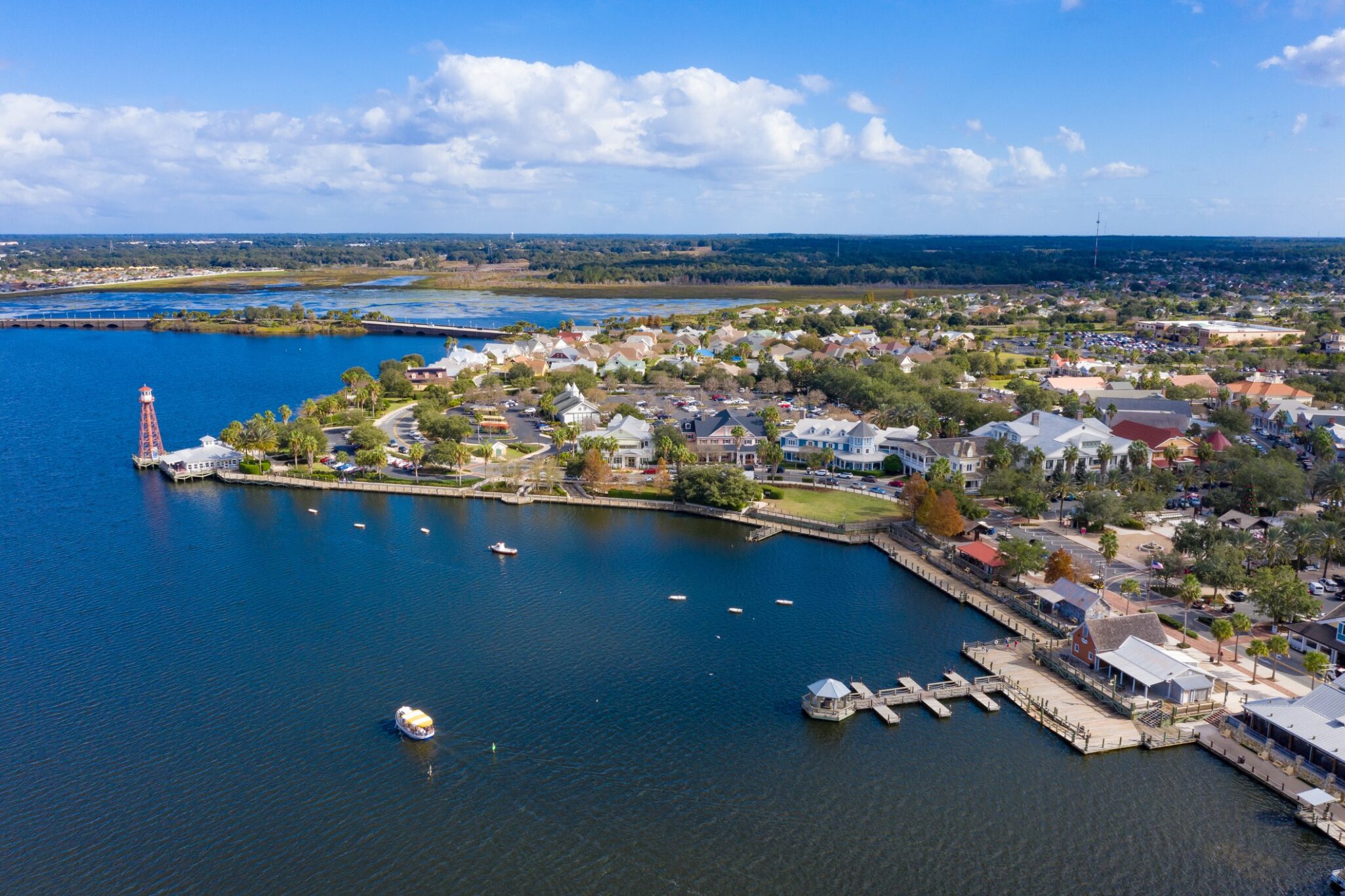
The developers have, over time, created a system where each village offers a unique blend of housing styles, lot sizes, and proximity to different activities. Some villages are closer to the bustling town squares like Lake Sumter Landing or Brownwood Paddock Square, while others might be nestled beside championship golf courses or tranquil nature preserves. This variety ensures that while the overarching Villages lifestyle is consistent, the micro-environments within each village can cater to diverse preferences.
The Evolving Number of Villages
The most accurate answer to “How many villages are in The Villages, Florida?” is that there isn’t a single, static, officially recognized number. The development company, The Villages, continues to expand the community, and with each new phase of construction, new villages are conceived and brought to life. This ongoing growth means that any count would be a snapshot in time.
However, based on common understanding and resident usage, the number of named villages runs into the hundreds. Many sources suggest a figure in the range of over 100 villages, but this is a conservative estimate that often refers to the larger, more established named areas. If one considers smaller, even more localized clusters or neighborhoods that residents refer to as villages, the number could be significantly higher.
Ultimately, the essence of The Villages lies not in a precise numerical count of its constituent parts, but in the successful creation of a community where residents can find their own niche, their own social circles, and their own definition of home within this vibrant and ever-growing adult paradise. The “villages” are the building blocks of this unique lifestyle, offering a sense of place and belonging within the grander vision of The Villages, Florida.
LifeOutOfTheBox is a participant in the Amazon Services LLC Associates Program, an affiliate advertising program designed to provide a means for sites to earn advertising fees by advertising and linking to Amazon.com. Amazon, the Amazon logo, AmazonSupply, and the AmazonSupply logo are trademarks of Amazon.com, Inc. or its affiliates. As an Amazon Associate we earn affiliate commissions from qualifying purchases.