
When considering orthodontic treatment, particularly braces, understanding the associated costs is a paramount concern for many individuals and families. For those residing in or planning to receive treatment in the vibrant state of Florida, this question is often at the forefront of their minds. The price of braces can fluctuate significantly due to a variety of factors, making it essential to delve into the specifics to gain a comprehensive understanding. This article aims to demystify the cost of braces in Florida, exploring the elements that influence pricing, the different types of braces available, and how to navigate the financial landscape of orthodontic care.
Factors Influencing the Cost of Braces in Florida
The journey to a straighter smile is an investment, and like any significant investment, the cost of braces in Florida is not a one-size-fits-all figure. Several key factors contribute to the overall price you can expect to pay. These variables ensure that each orthodontic treatment plan is tailored, not only to the patient’s unique needs but also to their budget.
Complexity of the Case
Perhaps the most significant determinant of brace cost is the complexity of the orthodontic issue being addressed. A mild misalignment requiring minimal intervention will naturally cost less than a severe case involving significant crowding, bite issues, or jaw discrepancies. Orthodontists assess the severity of the problem during the initial consultation, often using X-rays, dental impressions, and visual examination to create a personalized treatment plan. This plan directly dictates the duration of treatment and the amount of orthodontic work required, both of which translate into cost. For instance, a patient needing simple tooth straightening will likely face a lower bill than someone requiring extensive jaw repositioning in addition to alignment.
Type of Braces
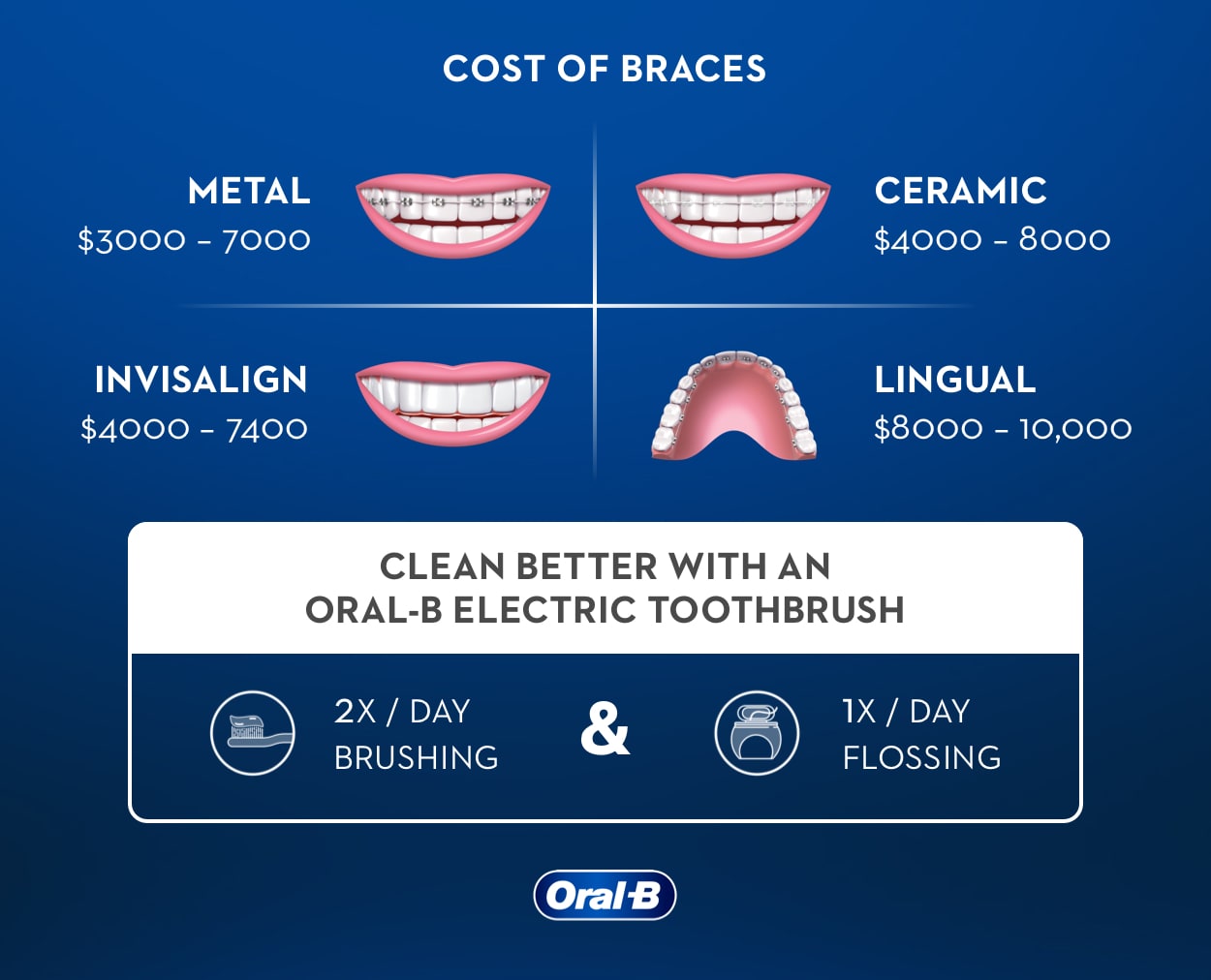
The type of braces chosen plays a crucial role in the final price. Traditional metal braces, while highly effective, are generally the most economical option. These are made of high-grade stainless steel and are a tried-and-true method for correcting a wide range of dental issues.
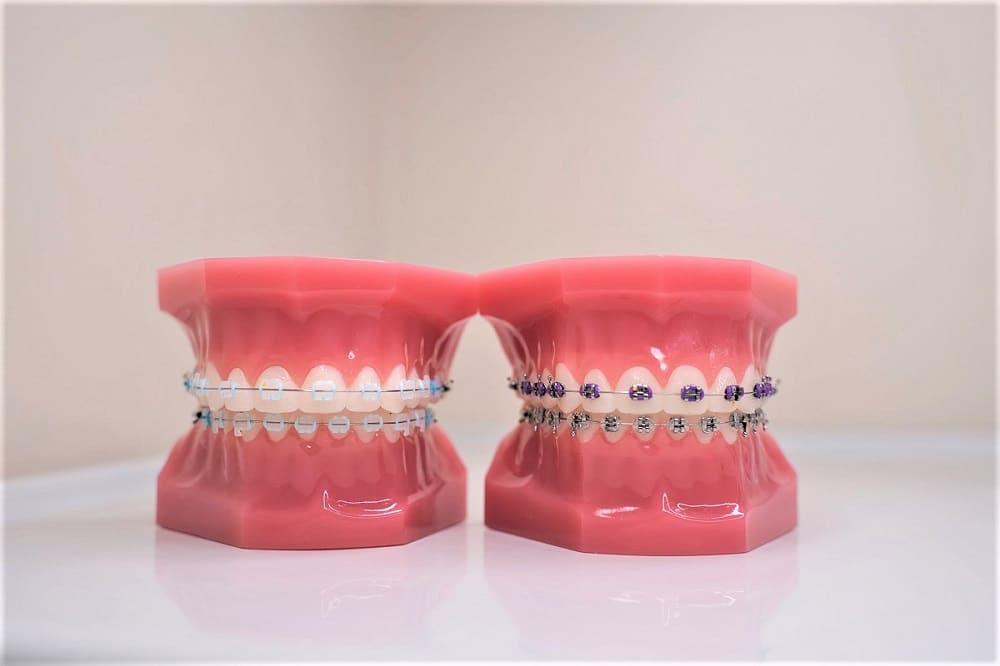
A step up in cost, though still within the realm of traditional orthodontics, are ceramic braces. These are tooth-colored and blend in more subtly with the natural enamel of your teeth, making them a popular choice for adults and teenagers who are self-conscious about the appearance of metal. While aesthetically pleasing, they can be slightly more expensive due to the materials used and can sometimes require a bit more care to prevent chipping or staining.
Further along the spectrum of cost are lingual braces. These are attached to the back of the teeth, rendering them virtually invisible from the front. This discreet nature comes at a premium. The intricate customization and placement required for lingual braces typically make them the most expensive of the fixed brace options.
Finally, clear aligners, such as those offered by SmileDirectClub or Align Technology (the makers of Invisalign), represent another significant cost factor. While not technically “braces” in the traditional sense, they serve the same purpose. Clear aligners are a series of custom-made, transparent trays that gradually shift teeth into alignment. The price for clear aligners can vary widely depending on the provider and the number of aligners needed, often falling in a similar range or slightly higher than ceramic braces. They offer a removable and aesthetically pleasing alternative but require strict adherence to wearing schedules to be effective.
Duration of Treatment
The length of time you will need to wear braces directly impacts the overall cost. More complex cases that require longer treatment periods will naturally incur higher fees. Orthodontic treatment can range anywhere from six months to two years, or even longer in some severe cases. The orthodontist will provide an estimated treatment timeline during your initial consultation, which is a key component in determining the total cost. Regular adjustments and check-ups, which are part of the treatment process, are factored into the overall fee. Longer treatment means more appointments and ongoing adjustments, contributing to the final bill.
Orthodontist’s Fees and Location
The fees charged by orthodontists can vary based on their experience, reputation, and the overhead costs associated with their practice. Highly experienced orthodontists or those in high-demand areas might command higher fees. Location within Florida also plays a role. For example, orthodontic treatment in major metropolitan areas like Miami or Orlando might be more expensive than in smaller towns or rural areas due to differences in the cost of living and practice expenses. The specific clinic’s pricing structure, including any bundled services or payment plans, will also influence the final amount.
Additional Orthodontic Appliances
In some cases, patients may require additional orthodontic appliances beyond standard braces to address specific bite issues or to aid in tooth movement. These can include expanders, retainers (which are essential post-treatment but sometimes factored into the overall cost), or other corrective devices. The need for these extra appliances will add to the total expense.
Average Costs of Braces in Florida
Given the multitude of influencing factors, providing an exact figure for braces in Florida is challenging. However, we can offer a general range to help you budget. These are estimates and actual costs can vary.

Traditional Metal Braces
For traditional metal braces, the average cost in Florida typically falls between $4,000 and $6,000. This price generally includes the initial consultation, fitting of the braces, all adjustment appointments, and the removal of the braces.
Ceramic Braces
Ceramic braces, being a more aesthetically advanced option, generally cost more than metal braces. You can expect to pay approximately $4,500 to $7,500 for ceramic braces in Florida. The higher cost reflects the advanced material and the often more delicate nature of the ceramic brackets.
Lingual Braces
As the most discreet and custom-made fixed brace option, lingual braces are also the most expensive. The price for lingual braces in Florida can range from $5,000 to $8,500 or more, depending on the complexity of the case and the orthodontist’s expertise.
Clear Aligners
The cost of clear aligner therapy, like Invisalign, can be quite variable. For a full course of treatment that corrects significant alignment issues, prices can range from $4,000 to $7,500. Simpler cases that require fewer aligners might be on the lower end of this spectrum, while more complex corrections will be on the higher end. It’s important to note that some providers offer more affordable options for minor adjustments, while others focus on comprehensive treatment plans.
Navigating the Financial Aspect and Payment Options
Understanding the cost is only half the battle; knowing how to manage the payments is equally important. Fortunately, most orthodontic practices in Florida offer various payment options to make treatment more accessible.
Insurance Coverage
Many dental insurance plans offer some level of orthodontic coverage, especially for minors. It is crucial to verify the specifics of your plan. Understand what percentage of the cost is covered, if there’s an annual maximum for orthodontic treatment, and if there are any limitations on the types of braces covered. Some plans might cover a portion of metal braces but have lower coverage for ceramic or clear aligners. Always discuss your insurance details with the orthodontist’s office; they are usually adept at helping you understand your benefits.
Payment Plans and Financing
Most orthodontic offices provide flexible payment plans. These typically involve an initial down payment followed by monthly installments spread over the duration of the treatment. Some practices may offer interest-free financing for a set period, while others might partner with third-party financing companies that offer longer repayment terms, sometimes with interest. Be sure to inquire about any available discounts, such as a discount for paying the full treatment fee upfront.
Flexible Spending Accounts (FSAs) and Health Savings Accounts (HSAs)
If you have a Flexible Spending Account (FSA) or a Health Savings Account (HSA) through your employer, orthodontic treatment is often an eligible expense. These accounts allow you to use pre-tax dollars to pay for qualified medical and dental expenses, which can lead to significant savings. Consult with your employer or insurance provider about the specifics of your FSA or HSA to see how it can be utilized for brace costs.
Consultation and Quotes
The initial consultation is a critical step where you can get a personalized assessment and a detailed quote for your orthodontic treatment. Don’t hesitate to get quotes from multiple orthodontists to compare not only prices but also the proposed treatment plans and the overall patient experience. Ask for a breakdown of all potential costs, including follow-up appointments and retainers.
Investing in braces is an investment in your oral health and confidence. By understanding the factors that influence cost, the average price ranges in Florida, and the available payment options, you can make an informed decision and embark on your journey to a beautiful, healthy smile with greater financial peace of mind. Whether you’re enjoying the attractions of South Beach or exploring the natural beauty of the Everglades National Park, a confident smile can enhance every Florida experience.
LifeOutOfTheBox is a participant in the Amazon Services LLC Associates Program, an affiliate advertising program designed to provide a means for sites to earn advertising fees by advertising and linking to Amazon.com. Amazon, the Amazon logo, AmazonSupply, and the AmazonSupply logo are trademarks of Amazon.com, Inc. or its affiliates. As an Amazon Associate we earn affiliate commissions from qualifying purchases.