
Navigating the financial landscape of any trip involves understanding not just the cost of flights, accommodations, and attractions, but also the often-overlooked element of sales tax. For travelers heading to the Sunshine State, a clear grasp of Florida’s sales tax structure is essential for accurate budgeting and avoiding unexpected expenses. This guide delves into the intricacies of sales taxes in Florida, offering insights relevant to anyone planning a visit, whether for a relaxing getaway, an adventure-filled exploration, or a business stay.
Florida’s sales tax system is a tiered one, with a base state rate supplemented by local discretionary sales surtaxes. This means the total sales tax you’ll pay can vary significantly depending on your specific destination within the state. Understanding this variability is key, especially when booking your accommodation or planning purchases for activities and dining. For instance, a stay in a luxury resort in Miami might incur a different total sales tax than a charming villa rental in the Florida Keys. Similarly, purchasing souvenirs near the iconic Walt Disney World Resort will be subject to the sales tax of the county where those shops are located.
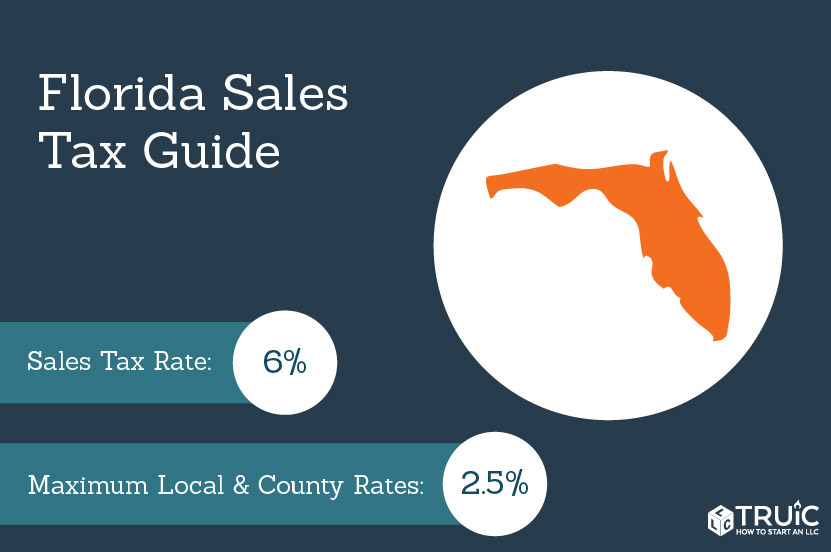
The primary purpose of sales tax in Florida is to fund state and local government services, including education, infrastructure, public safety, and tourism promotion. As such, the revenue generated plays a vital role in maintaining the very attractions and amenities that draw millions of visitors to the state each year. From the pristine beaches of Clearwater to the vibrant nightlife of Orlando, the sales tax contributes to the upkeep and enhancement of these popular locales.
Understanding Florida’s State Sales Tax Rate
At its core, Florida imposes a state sales tax rate of 6%. This rate applies to the sale of tangible personal property and certain services throughout the state. This foundational tax is the baseline from which all other sales tax calculations are made. For example, if you purchase a general item costing $100, the state sales tax alone would be $6. However, this is rarely the final figure you’ll encounter at the checkout.
The state rate is a consistent factor across all counties, but it’s crucial to remember that it’s only one part of the equation. When you are dining at a renowned restaurant in Tampa, browsing a boutique in Palm Beach, or purchasing tickets for a show at the Dr. Phillips Center for the Performing Arts in Orlando, this 6% state rate is always applied first.
The Impact of Local Discretionary Sales Surtaxes
This is where the complexity and variability of Florida sales taxes come into play. In addition to the state sales tax, counties in Florida are authorized to levy a discretionary sales surtax. These surtaxes are often referred to as “local option” taxes. The rates for these surtaxes vary from county to county, and in some cases, even within specific special districts. This means the total sales tax rate you pay can range from the base state rate up to 7.5%, and in some circumstances, even higher for specific goods and services in certain areas.
For instance, if you’re staying in a hotel in Jacksonville, the combined state and local sales tax rate will be different than if you were in a similar hotel in Fort Lauderdale. The surtax is typically applied on top of the 6% state rate. Therefore, a county with a 1% surtax will have a total sales tax of 7% (6% state + 1% local), while a county with a 1.5% surtax will have a total of 7.5% (6% state + 1.5% local).
These local surtaxes are instrumental in funding a variety of local initiatives. They can contribute to school improvements, transportation projects, public safety enhancements, and crucial tourism marketing efforts that benefit regions like Sarasota and Naples. For businesses operating in Florida, understanding these varying rates is critical for accurate pricing and tax reporting. For travelers, being aware of the local surtax in your destination is key to estimating your total spending. For example, purchasing tickets to the Everglades National Park or a round of golf at a prestigious course in Ponte Vedra Beach will include these local taxes based on the county where the transaction occurs.
When Does Sales Tax Apply in Florida?
The application of sales tax in Florida is broad, covering most retail sales of tangible personal property and specified services. This includes everything from clothing and electronics to restaurant meals and hotel stays. However, there are certain exemptions and special rules to be aware of, particularly concerning specific types of accommodation and certain purchases related to travel.
Tangible Personal Property and Services
As a general rule, when you buy goods – anything you can touch and feel – in Florida, sales tax will apply. This encompasses souvenirs purchased during a visit to the Kennedy Space Center Visitor Complex, groceries (though some exemptions apply, which we’ll touch on later), furniture, electronics, and almost any item intended for personal use. Similarly, many services are subject to sales tax. This includes services like repair work, admissions to places of amusement, recreation, and exhibitions (think tickets to a Miami Heat game or the Ringling Museum of Art), and even certain professional services in some instances.
The sale of hotel rooms and other short-term lodging is a significant source of sales tax revenue for Florida. When you book a suite at a luxury resort like the Ritz-Carlton Amelia Island or an apartment rental through a platform for your stay in Destin, the state and local sales taxes will be added to your bill. This also extends to vacation rentals and villas, ensuring that all forms of temporary accommodation contribute to the state’s revenue.
Exemptions and Special Considerations for Travelers
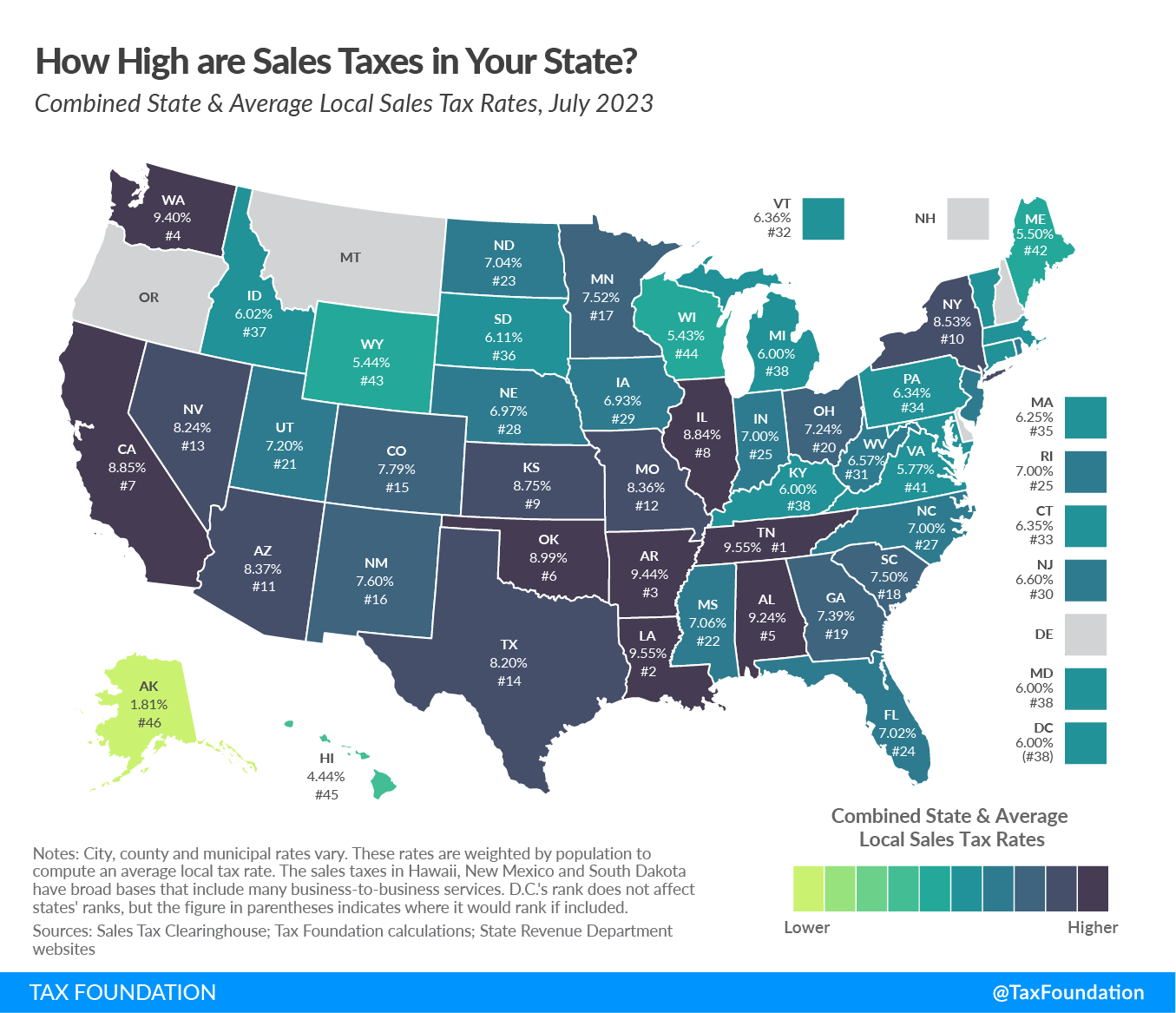
While Florida’s sales tax is comprehensive, there are several important exemptions that can impact travelers. One of the most significant is the exemption for most food products sold in grocery stores for home consumption. This means your weekly grocery haul for a longer stay in a villa will likely be tax-free, allowing for more budget-friendly meal preparation. However, prepared foods, such as those purchased from a deli counter or a fast-food restaurant, are typically taxed.
Another crucial exemption for travelers relates to certain business-related expenses. For example, business supplies or services purchased by a hotel or other lodging establishment for use in providing lodging to the public are generally exempt from sales tax. This is designed to prevent the pyramiding of taxes.
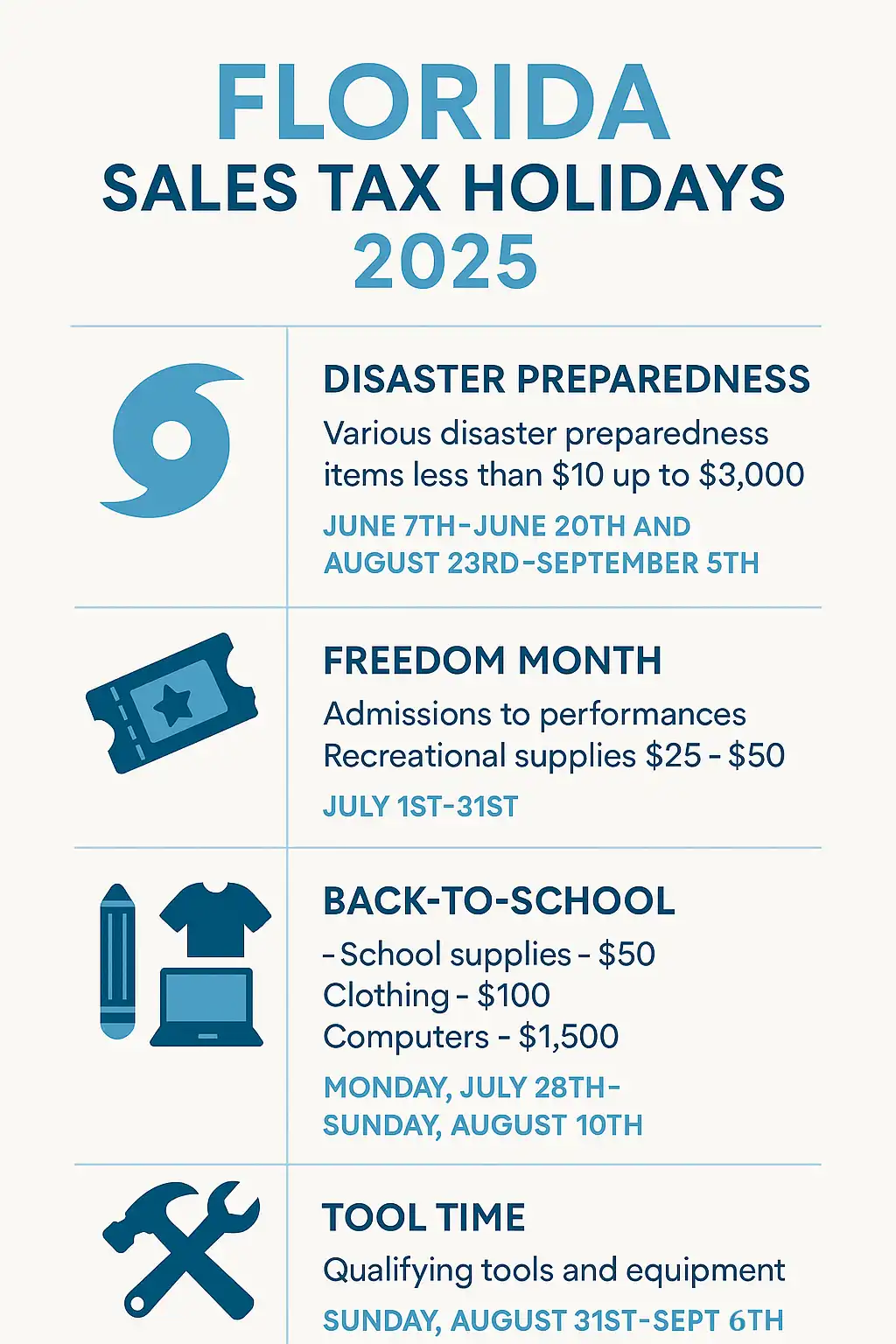
Furthermore, Florida has a “tax-free holiday” for back-to-school shopping each year, typically in August. During this period, specific items of clothing, footwear, and school supplies under a certain price threshold are exempt from sales tax. This can be a welcome relief for families preparing for academic needs alongside their vacation.
For international visitors, there’s no general exemption for tourists from paying sales tax on their purchases. However, some specific goods purchased for export by tourists may be eligible for a refund under certain conditions, though these processes can be complex and are not widely applicable.
It’s also worth noting that certain essential services, such as basic utilities like residential electricity and water, are exempt from state sales tax. However, local governments may impose their own utility taxes.
Calculating Your Total Sales Tax in Florida
Accurately calculating the total sales tax you’ll pay in Florida requires a clear understanding of the state rate and the specific local surtax applicable to your transaction. Since the local surtax varies by county, it’s essential to know which county you’ll be in when making purchases or booking accommodations.
The State Rate Plus Local Surtax Formula
The formula for calculating the total sales tax is straightforward:
Total Sales Tax Rate = State Sales Tax Rate + Local Discretionary Sales Surtax Rate
Let’s illustrate with examples. The base state rate is always 6%.
-
Scenario 1: A County with No Surtax
If you are in a rare county that has not levied a discretionary sales surtax (this is uncommon but possible for specific types of transactions or in very rural areas), your total sales tax would simply be 6%. -
Scenario 2: A County with a 1% Surtax
Many counties in Florida have a 1% discretionary sales surtax. If you’re shopping for souvenirs in St. Augustine or dining in Pensacola, for example, the total sales tax rate would be 7% (6% state + 1% local). On a $100 purchase, the sales tax would be $7. -
Scenario 3: A County with a 1.5% Surtax
Some counties have a higher surtax rate, such as 1.5%. If you’re staying at a resort in Orlando or visiting attractions near Tampa Bay, the total sales tax rate could be 7.5% (6% state + 1.5% local). On a $100 purchase, the sales tax would be $7.50.
Special Taxing Jurisdictions
It’s important to be aware that beyond county-level surtaxes, there are also special taxing jurisdictions that can impose additional taxes. For instance, the Florida Convention Center Authority or specific tourism districts might have the authority to levy additional taxes on certain goods and services within their designated areas. These are less common for the average traveler but can affect businesses operating within these zones.
The most common scenario for travelers will involve a combination of the 6% state rate and a local surtax that typically ranges from 0.5% to 1.5%. This means the total sales tax rate you encounter will generally fall between 6.5% and 7.5%. For significant purchases or extended stays where accommodation costs are high, understanding this range can lead to considerable savings or more accurate financial planning. For example, booking a week-long stay in a luxury villa in Key West, which has a specific local tax structure, will involve a substantial sales tax component that is best calculated in advance.
Ultimately, when planning your budget for a trip to Florida, it’s wise to assume a sales tax rate of at least 7% to be on the safe side, and even higher if you know you’ll be spending significant time in counties with higher surtaxes. Many point-of-sale systems automatically calculate the correct tax based on the location, but being informed empowers you to review these calculations and understand the breakdown of your expenses. This knowledge ensures your travel experience, whether it’s exploring the art deco architecture of Miami Beach, enjoying the theme parks of Orlando, or relaxing on the Gulf Coast beaches, remains financially predictable and enjoyable.
LifeOutOfTheBox is a participant in the Amazon Services LLC Associates Program, an affiliate advertising program designed to provide a means for sites to earn advertising fees by advertising and linking to Amazon.com. Amazon, the Amazon logo, AmazonSupply, and the AmazonSupply logo are trademarks of Amazon.com, Inc. or its affiliates. As an Amazon Associate we earn affiliate commissions from qualifying purchases.