
Embarking on a road trip through the Sunshine State? Or perhaps you’re a new resident looking to navigate the intricacies of Florida vehicle registration? Understanding the cost associated with a Florida license plate is a crucial step in your journey, whether it’s for a temporary visit or a permanent relocation. While the primary function of a license plate is identification and regulation, its acquisition in Florida involves a series of fees that can fluctuate based on several factors. This guide aims to demystify the pricing structure, helping you budget effectively for your travels or your new Florida lifestyle.

Understanding the Core Costs of Florida License Plates
The price of a license plate in Florida isn’t a one-size-fits-all figure. It’s a composite of several charges, with the most significant being the registration fee itself, which is largely determined by the type and weight of your vehicle. Beyond this base cost, several other surcharges and taxes contribute to the final amount you’ll pay at the Department of Highway Safety and Motor Vehicles (FLHSMV).
Vehicle Registration Fees: The Foundation of the Cost
The cornerstone of the license plate cost is the vehicle registration fee. This fee is designed to offset the expenses associated with maintaining public roads and infrastructure. In Florida, these fees are primarily tiered based on the gross vehicle weight (GVW) rating. Heavier vehicles, such as trucks and RVs, will naturally incur higher registration fees than smaller passenger cars and motorcycles.
For passenger cars, the base registration fee is typically in the range of $22.50. However, this is just the starting point. The GVW of your vehicle plays a significant role. For instance, a vehicle with a GVW of 5,000 pounds or less might have a base fee around $22.50, while vehicles exceeding this weight will see a gradual increase. For example, a vehicle with a GVW between 5,001 and 7,000 pounds could see its registration fee climb to approximately $32.50, and it continues to rise for heavier classes. This tiered system ensures that larger, potentially more impactful vehicles contribute proportionally more to road maintenance.
Motorcycles also have their own fee structure, generally lower than passenger cars, often falling around $10.00. This reflects their smaller size and lower impact on road wear.
Additional Fees and Surcharges: What Else Contributes to the Total?
Beyond the basic registration fee, Florida levies several additional charges that contribute to the overall cost of obtaining and renewing your license plate. These surcharges are often earmarked for specific programs or services.
One of the most common surcharges is the “Plate Fee,” which is a standard amount charged for the physical plate itself. This fee is typically around $3.50.
Another significant component can be the “Local Option Gas Tax.” This is a local tax that varies by county. It’s a percentage added to the registration fee and is used to fund local road improvements and transportation projects within that specific county. Therefore, the cost of your license plate can differ slightly depending on where you reside in Florida. For instance, a resident of Miami-Dade County might pay a different amount for this surcharge than someone living in Orange County.
Furthermore, there are often surcharges for specific vehicle types or purposes. For example, electric vehicles might have different registration fee structures to encourage their adoption. Rental cars and commercial vehicles also have their own unique fee assessments.
Factors Influencing the Final License Plate Cost
While the weight of your vehicle and the presence of specific surcharges are the primary drivers of license plate costs in Florida, other factors can also influence the final price you pay. These can range from the type of license plate you choose to the specific services you might require during the registration process.
Specialty and Personalized Plates: Adding a Personal Touch
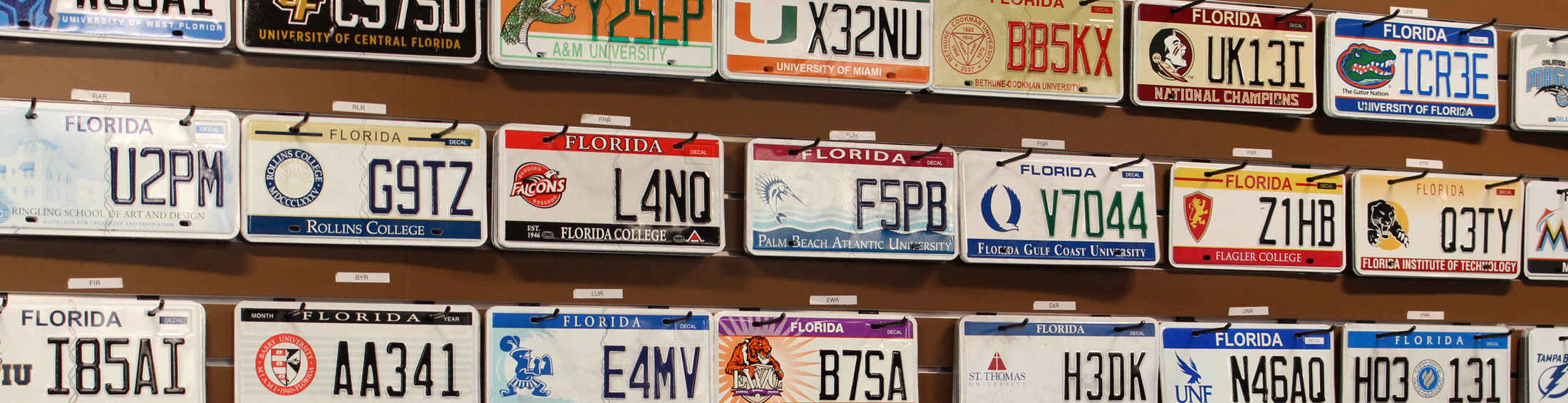
Florida offers a wide array of specialty and personalized license plates that allow vehicle owners to express their interests, support causes, or simply display a unique message. While a standard Florida license plate might be relatively inexpensive, opting for a specialty or personalized plate can significantly increase the cost.
Specialty plates often come with an additional annual fee that goes towards supporting the organization or cause the plate represents. For instance, plates supporting environmental causes, wildlife conservation, or specific universities can carry an extra charge of $25 or more per year, on top of the standard registration fees. These funds are critical for the continued operation and impact of these organizations.
Personalized plates, often referred to as “vanity plates,” allow you to choose your own combination of letters and numbers (within certain guidelines). These typically incur an additional annual fee for the personalization itself, often in the range of $25. This fee is separate from the base registration and any specialty plate fees. So, if you opt for a plate that says “SUNNYFL” and it’s a specialty plate for a cause you support, you’ll be paying the base registration fee, the specialty plate fee, and the personalization fee.
New Vehicle vs. Used Vehicle Registration and Initial Purchase
The initial registration of a vehicle, especially a brand-new one, can sometimes have slightly different fee structures compared to renewing an existing registration. When you purchase a new vehicle from a dealership, the dealer often handles the initial titling and registration process. In this scenario, the fees for the license plate, title, and sales tax will be included in your purchase price or handled at the point of sale. The initial registration fee for a new vehicle will still be based on its GVW, but there might be some minor administrative fees associated with the initial titling process that are distinct from renewal fees.
For used vehicles, the process is similar. You’ll pay the registration fee based on the vehicle’s weight, along with any applicable title transfer fees and sales tax if you haven’t paid it previously. The key difference lies in the fact that you are transferring ownership and registering a vehicle that has already been in use, which generally aligns with the standard renewal fee structure once the initial transfer is complete.
Practical Considerations for Obtaining Your Florida License Plate
Navigating the process of obtaining or renewing a Florida license plate involves understanding where to go, what documents to bring, and how to make the payment. Being prepared can streamline the experience and avoid unnecessary delays.
Where to Register and Renew: FLHSMV and Authorized Offices
The primary authority responsible for vehicle registration and driver licensing in Florida is the Department of Highway Safety and Motor Vehicles (FLHSMV). You can complete your initial registration and subsequent renewals at various locations throughout the state.
The FLHSMV operates numerous physical service centers, often referred to as Tax Collector offices or tag agencies, across all of Florida’s counties. These offices are equipped to handle all aspects of vehicle registration, titling, and license plate issuance. It’s advisable to check the FLHSMV website or your local county Tax Collector’s website for the specific location nearest you and their operating hours. Many of these offices also allow for online appointments to reduce wait times.
In addition to physical offices, Florida has been increasingly offering online services. For renewals, the FLHSMV website provides a convenient platform for completing the process electronically, saving you a trip to an office. This online portal allows you to pay fees, update your information, and receive your new registration sticker or plate by mail. However, for initial registrations, titling, or if you require a specialty or personalized plate for the first time, a visit to a physical service center might be necessary.

Required Documentation and Payment Methods
To successfully register your vehicle and obtain your Florida license plate, you will need to present specific documentation. This typically includes proof of ownership, such as a valid title or manufacturer’s certificate of origin. You’ll also need proof of Florida insurance, as carrying valid insurance is mandatory for all registered vehicles in the state. A valid Florida driver’s license or identification card is also required.
For commercial vehicles or vehicles used for specific purposes, additional documentation may be necessary, such as weight certificates or specific permits.
When it comes to payment, most FLHSMV service centers and authorized tag agencies accept a variety of payment methods. This commonly includes cash, checks, money orders, and debit or credit cards. However, it’s always a good idea to confirm the accepted payment methods with the specific office you plan to visit, as some smaller agencies might have limitations. Online renewals typically accept major credit cards.
By understanding these various costs and the processes involved, you can more accurately estimate how much a license plate will cost in Florida, whether you are planning a scenic drive along the Overseas Highway or settling into a new home in the vibrant city of Tampa. The Sunshine State welcomes you, and navigating its registration requirements is a straightforward step in enjoying all it has to offer.
LifeOutOfTheBox is a participant in the Amazon Services LLC Associates Program, an affiliate advertising program designed to provide a means for sites to earn advertising fees by advertising and linking to Amazon.com. Amazon, the Amazon logo, AmazonSupply, and the AmazonSupply logo are trademarks of Amazon.com, Inc. or its affiliates. As an Amazon Associate we earn affiliate commissions from qualifying purchases.