
Navigating the Sunshine State often means hitting the open road, and for many, that involves owning or operating a vehicle. Whether you’re a long-time resident, a snowbird, or just planning an extended stay in Florida, understanding the cost of a car tag, officially known as a license plate or registration, is a crucial part of your automotive budget. This guide will break down the factors that influence the price of a Florida car tag and help you estimate your expenses.
The process of obtaining a Florida car tag involves more than just a single fee. Several components contribute to the final cost, and these can vary significantly based on the type of vehicle, its age, weight, and even the county in which you register it. Moreover, Florida offers a wide array of license plate designs, some of which come with additional voluntary contributions that support various state causes and organizations.
Understanding the Core Components of Your Florida Car Tag Cost
The price you’ll pay for your Florida car tag isn’t a one-size-fits-all figure. It’s a composite of several distinct fees, each contributing to the overall expense. The primary drivers of this cost are the registration fee itself, which is determined by the vehicle’s weight and type, and applicable taxes and surcharges.
Vehicle Weight and Type
One of the most significant factors influencing the registration fee is the weight of your vehicle. Florida categorizes vehicles based on their gross vehicle weight (GVW). Generally, heavier vehicles incur higher registration fees. This is a common practice across many states, as heavier vehicles can contribute more to road wear and tear.
- Passenger Vehicles: For standard cars and SUVs, the weight classification typically falls within a certain range. The fees are usually tiered, meaning a lighter car will cost less to register than a heavier one.
- Trucks and Commercial Vehicles: If you’re registering a pickup truck, van, or a commercial vehicle, the weight categories become more granular, and the fees can increase substantially. This is because these vehicles often have higher GVWs and are used for commercial purposes, which may carry different regulatory considerations.
- Motorcycles and Recreational Vehicles: Motorcycles and recreational vehicles, such as RVs and trailers, have their own specific fee structures. These are usually distinct from those for standard passenger vehicles.
Taxes and Surcharges
In addition to the base registration fee, your Florida car tag cost will include various taxes and surcharges. These can include:
- Sales Tax: If you’ve recently purchased a vehicle, you will have paid sales tax at the point of sale. However, there might be prorated fees or specific registration taxes depending on the circumstances.
- Local Option Taxes: Some counties in Florida may impose additional local option taxes that are collected with your vehicle registration. These funds typically go towards local infrastructure projects or transportation initiatives.
- Plate Fees: There’s often a base fee for the physical license plate itself, regardless of the design.
- Title Fees: When you register a vehicle for the first time, or transfer ownership, there will be a fee associated with issuing a new title for the vehicle.
County-Specific Variations
It’s important to note that while many fees are set at the state level by the Florida Department of Highway Safety and Motor Vehicles (FLHSMV), some elements of your registration cost can vary by county. This is primarily due to the aforementioned local option taxes. When you visit your local county tax collector’s office to register your vehicle, the exact amount you pay may differ slightly from someone in another county, even for the same type of vehicle.
For instance, a county that has a higher local option discretionary sales surtax might have a slightly higher overall cost for initial registration if sales tax is a factor in the calculation. It’s always advisable to check with your specific county tax collector’s office for the most accurate estimate for your location.
Exploring the Diverse World of Florida License Plates
Florida is renowned for its vibrant and diverse array of specialty license plates. Beyond the standard Florida plate, residents can choose from dozens of designs that support various causes, organizations, and state initiatives. These specialty plates not only allow you to personalize your vehicle but also contribute to important programs through additional fees.
Standard vs. Specialty Plates
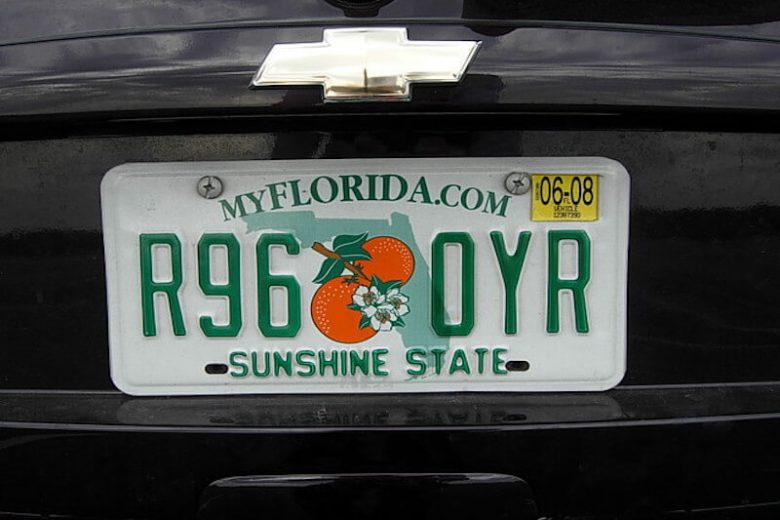
The most basic and cost-effective option is the standard Florida license plate, which features the iconic orange blossom or the newer sunrise design. However, for those who wish to express their support for a particular cause or showcase their interests, specialty plates offer a compelling alternative.
Specialty Plate Categories and Costs
Specialty plates are typically categorized by the organization or cause they represent. These can range from environmental protection groups and educational institutions to animal welfare organizations and professional sports teams.
- Environmental and Conservation Plates: Plates supporting the protection of Florida’s natural resources, such as those for the Everglades or marine life, are popular choices. These often have an additional annual fee that goes directly to conservation efforts.
- Educational Plates: Many universities and school districts in Florida have their own specialty plates. Proceeds from these plates can fund scholarships, student programs, or facility improvements. For example, plates supporting the University of Florida or Florida State University are common.
- Animal Welfare Plates: Plates benefiting animal shelters, rescue organizations, or wildlife preservation efforts are another significant category.
- Professional and Hobbyist Plates: You’ll also find plates for specific professions, hobbies, or even support for the arts.
The cost of a specialty plate is always in addition to the standard registration fees. You can expect to pay an annual surcharge for these plates, which varies depending on the plate’s design and the associated organization. Some plates might add $25 to your annual renewal, while others could be $50 or more. It’s crucial to check the FLHSMV website or your county tax collector’s office for the most up-to-date list of available specialty plates and their associated fees.

Voluntary Contributions and Their Impact
Choosing a specialty plate often involves a voluntary contribution. This means that while the plate itself is a personal choice, the additional fee you pay directly supports the designated cause. These contributions are a vital funding stream for many non-profit organizations and state programs operating in Florida.
When you renew your registration, you’ll have the option to retain your current plate or switch to a different specialty design. If you opt for a new specialty plate, you will generally need to pay the initial plate fee and the annual specialty plate surcharge at that time.
Calculating Your Total Florida Car Tag Expense: A Step-by-Step Approach
To get a clear picture of how much your car tag will cost in Florida, it’s best to break down the process into manageable steps. This will help you account for all potential fees and ensure you’re not caught by surprise.
Step 1: Determine Your Vehicle’s Specifics
The first and most crucial step is to accurately identify your vehicle’s details. This includes:
- Year, Make, and Model: These are standard identifiers for any vehicle.
- Gross Vehicle Weight (GVW): This is often found on a sticker inside the driver’s side doorjamb or on the vehicle’s registration documents. It’s essential for determining the correct weight class for registration fees.
- Vehicle Type: Is it a passenger car, SUV, pickup truck, motorcycle, RV, or trailer?
Step 2: Consult Official Florida Resources
The Florida Department of Highway Safety and Motor Vehicles (FLHSMV) is the primary source for all official information regarding vehicle registration. Their website is an invaluable tool for understanding the fee structure.
- FLHSMV Website: The FLHSMV website often provides fee calculators or detailed fee schedules. You can usually find information on base registration fees by vehicle type and weight.
- County Tax Collector’s Website: As mentioned, your local county tax collector’s office also provides specific information. Many county websites have online tools or detailed fee breakdowns tailored to their jurisdiction, including any applicable local taxes.
Step 3: Account for All Associated Fees
Beyond the base registration, remember to factor in:
- Initial Registration Fees: This includes the base fee based on weight and type, plus any county-specific surcharges.
- Plate Fee: The cost of the physical license plate.
- Title Fee: If this is your first time registering the vehicle in Florida or transferring ownership.
- Specialty Plate Surcharge: If you opt for a specialty plate, add its annual fee.
- Sales Tax: If applicable, especially during initial purchase and registration.
Step 4: Estimate Renewal Costs
The costs for renewing your Florida car tag are generally lower than the initial registration. Renewal fees typically consist of the base registration fee (which can be prorated depending on when you renew), the plate fee, and any specialty plate surcharge. Sales tax is generally not a factor in annual renewals unless specific legislation changes.
Example Scenario:
Let’s imagine you’re registering a mid-size sedan in Orange County, Florida.
- Vehicle Specifics: A 2019 Toyota Camry weighing around 3,500 lbs.
- FLHSMV Fee Schedule: A passenger vehicle in this weight class might have a base registration fee of around $22.50.
- Plate Fee: The standard plate fee might be $5.00.
- Title Fee: If it’s a new registration, a title fee of approximately $75.25 would apply.
- Orange County Surcharges: Let’s assume there’s a local discretionary sales surtax and other local fees that add another $15.00.
- Specialty Plate (Optional): If you choose an “Endless Summer” specialty plate, that could add an annual surcharge of $25.00.
Initial Registration Estimate (without specialty plate): $22.50 (base) + $5.00 (plate) + $75.25 (title) + $15.00 (county) = $117.75 (This is a rough estimate; actual costs will vary).
Annual Renewal Estimate (without specialty plate): $22.50 (base) + $5.00 (plate) + $15.00 (county) = $42.50 (again, a rough estimate).
Annual Renewal Estimate (with specialty plate): $22.50 (base) + $5.00 (plate) + $15.00 (county) + $25.00 (specialty surcharge) = $67.50 (rough estimate).
Important Note: These figures are illustrative. Actual costs are subject to change and depend on the specific weight, the exact year of registration, and any current county-specific fees. Always verify with the official Florida sources. Planning ahead and understanding these components will make the process of getting your Florida car tag much smoother, allowing you to focus on enjoying your travels, whether it’s exploring the theme parks of Orlando, relaxing on the beaches of Miami, or discovering the natural beauty of the Florida Keys.
LifeOutOfTheBox is a participant in the Amazon Services LLC Associates Program, an affiliate advertising program designed to provide a means for sites to earn advertising fees by advertising and linking to Amazon.com. Amazon, the Amazon logo, AmazonSupply, and the AmazonSupply logo are trademarks of Amazon.com, Inc. or its affiliates. As an Amazon Associate we earn affiliate commissions from qualifying purchases.