
Understanding the cost of airfare to Florida is a crucial step for anyone planning a trip to the Sunshine State. Whether you’re dreaming of theme parks in Orlando, beaches in Miami, or the historic charm of St. Augustine, your budget will significantly hinge on flight prices. Several dynamic factors influence these costs, making a one-size-fits-all answer impossible. However, by dissecting the variables and employing smart travel strategies, you can gain a clearer picture and secure the best possible fares. This guide will delve into the key determinants of airfare to Florida, offering insights to help you navigate the booking process and make informed decisions.

Key Factors Influencing Airfare to Florida
The price of a flight ticket is not static; it’s a complex calculation influenced by a multitude of elements that fluctuate daily, even hourly. To effectively budget for your trip to Florida, it’s essential to understand these underlying drivers. From the time of year you choose to travel to the airline you select, each component plays a role in the final cost. Being aware of these influences empowers you to plan strategically and potentially find more affordable options.
Seasonality and Demand
Perhaps the most significant factor impacting airfare is the time of year you plan to visit Florida. Florida experiences distinct peak and off-peak seasons, largely driven by school holidays, local events, and weather patterns.
Peak Travel Periods
The most expensive times to fly to Florida generally coincide with major holidays and school breaks. This includes:
- Winter Holidays: Thanksgiving, Christmas, and New Year’s Eve/Day are prime times for travel, as many seek warmer climates to escape colder weather.
- Spring Break: Typically from March to April, universities and schools across the country have their spring breaks, leading to a surge in demand, particularly for destinations like Miami and the coastal areas.
- Summer Vacation: June, July, and August are peak summer travel months, with families taking advantage of longer school breaks. Destinations with theme parks, like Orlando, see exceptionally high visitor numbers.
- Major Events: Special events, such as the Miami Open or significant sporting events, can also drive up demand and prices for flights to nearby airports.
During these periods, airlines anticipate higher passenger loads and adjust their pricing accordingly. Flights can often be double, or even triple, the price of what you might pay during less popular times.
Off-Peak Travel Periods
Conversely, traveling during Florida’s off-peak seasons can yield significant savings. These periods typically offer more pleasant weather with fewer crowds.
- Late Spring (May): After the Spring Break rush and before the full swing of summer vacation, May can offer a sweet spot for good weather and more manageable flight prices.
- Early Fall (September – November, excluding Thanksgiving): September and October often boast warm weather with lower humidity and fewer tourists. The period between the end of summer travel and Thanksgiving can present excellent deals.
- Mid-Winter (January – February): While still a popular time for snowbirds, the period immediately after the New Year’s holiday and before Spring Break can sometimes offer better fares than the Christmas season itself.
Understanding these seasonal trends is paramount for budgeting. If your travel dates are flexible, strategically choosing off-peak times can drastically reduce your airfare costs.
Booking Timing and Lead Time
When you book your flight can be just as impactful as when you travel. The concept of “too early” and “too late” both exist in flight booking, with a sweet spot in between.
The “Sweet Spot” for Booking
Most travel experts suggest booking domestic flights, including those to Florida, anywhere from 1 to 3 months in advance for the best combination of price and availability. Booking too far out might mean missing out on promotional fares that airlines release closer to the travel date. On the other hand, booking at the last minute is almost always more expensive, as airlines expect those travelers to be less price-sensitive and willing to pay a premium for convenience.
Last-Minute Deals vs. Last-Minute Premiums
While the allure of last-minute deals is strong, they are increasingly rare for popular routes like those to Florida. Airlines often fill seats with advance bookings, and last-minute tickets are typically priced at a premium to capture those who absolutely need to travel. The exception might be during off-peak times or for less popular routes, but relying on this strategy for a Florida vacation is generally not advisable.
Airports and Airlines
The specific airports you choose to fly into and out of, as well as the airlines you consider, can also influence the total cost of your airfare. Florida boasts numerous airports, each serving different regions and attracting various carriers.
Major Florida Airports
Florida is served by several major international airports, each with varying levels of traffic and airline competition.
- Orlando International Airport (MCO): This is a primary gateway for theme park enthusiasts heading to Walt Disney World Resort and Universal Orlando Resort. Its high volume attracts a wide array of airlines, often leading to competitive pricing.
- Miami International Airport (MIA): A major hub for international and domestic travel, MIA serves South Florida’s vibrant cities and is a gateway to the Caribbean.
- Fort Lauderdale-Hollywood International Airport (FLL): Located just north of Miami, FLL is a popular choice for budget airlines and serves as an alternative gateway to South Florida.
- Tampa International Airport (TPA): Serving the west coast of Florida, including cities like Tampa and St. Petersburg, TPA is another significant arrival point.
- Southwest Florida International Airport (RSW): Located in Fort Myers, this airport is a gateway to the Gulf Coast’s beaches and islands.
Comparing prices into different airports within a reasonable driving distance of your final destination can often reveal cost savings. For instance, sometimes flying into Fort Lauderdale might be cheaper than flying directly into Miami, even if you plan to stay in Miami.
Airline Strategies
The type of airline you choose can significantly impact your fare.
- Major Carriers: Airlines like American Airlines, Delta Air Lines, and United Airlines often offer a wider range of services, including complimentary checked bags on some fares, but their standard economy tickets can be more expensive.
- Low-Cost Carriers (LCCs): Airlines such as Southwest Airlines, Spirit Airlines, and Frontier Airlines typically offer lower base fares. However, it’s crucial to understand their pricing models, as fees for checked and carry-on bags, seat selection, and even printing a boarding pass can add up quickly, potentially making the total cost comparable to or even exceeding that of a major carrier.
When comparing fares, always calculate the total cost, factoring in all potential add-ons for LCCs.
Strategies for Finding Affordable Airfare to Florida
Securing the best airfare requires a proactive and informed approach. Beyond understanding the influencing factors, employing specific strategies can lead to substantial savings. These tactics involve leveraging technology, being flexible, and knowing where to look for deals.
Utilizing Flight Comparison Tools and Alerts
In the digital age, numerous tools are available to help travelers find and track flight prices. These platforms are invaluable for monitoring fare fluctuations and identifying opportune moments to book.
Flight Aggregators and Search Engines
Websites like Google Flights, Skyscanner, Kayak, and Expedia allow you to compare prices across a multitude of airlines simultaneously. They often provide helpful features such as:
- Flexible Date Search: Allowing you to see prices for a range of dates, highlighting the cheapest days to fly.
- Price Tracking: Setting up alerts for specific routes or dates, notifying you when prices drop or increase.
- “Explore” Features: Enabling you to discover destinations with the cheapest flights from your departure city, which can be useful if your Florida destination is flexible.
By regularly checking these platforms and setting up alerts, you can stay informed about fare trends and be ready to book when prices are at their lowest.
Airline Websites and Direct Booking
While comparison sites are excellent for initial research, it’s always a good practice to also check the official websites of the airlines directly. Sometimes, airlines offer exclusive deals or promotions that may not be visible on third-party aggregators. Additionally, booking directly with the airline can sometimes simplify the process if you need to make changes or cancellations later.
Flexibility and Alternative Travel Options
If your travel dates and times are not rigidly fixed, flexibility can be your greatest asset in finding cheaper flights. Even minor adjustments can lead to significant savings.
Mid-Week Travel
Flights on Tuesdays, Wednesdays, and Saturdays are often less expensive than those on Fridays, Sundays, or Mondays. This is because business travelers typically fly mid-week, and leisure travelers often prefer to depart at the end of the week and return on the weekend.
Red-Eye Flights and Connecting Flights
Consider flights that depart late at night and arrive early in the morning (red-eye flights). These are often less popular and therefore cheaper. Similarly, flights with one or more layovers can sometimes be significantly cheaper than direct flights, especially for longer distances. Evaluate whether the savings are worth the extra travel time and potential inconvenience.
Nearby Airports
As mentioned previously, exploring flights into alternative airports near your desired Florida destination can yield savings. For example, if you’re heading to the Florida Keys, flying into Miami or Fort Lauderdale and renting a car or taking a shuttle might be more cost-effective than flying into the smaller, more localized airports.
Understanding Fare Types and Fees
The base fare is only part of the picture. Various fare types and additional fees can impact the final price you pay for your ticket.
Basic Economy vs. Standard Economy
Many airlines now offer “Basic Economy” fares. These are typically the cheapest tickets but come with significant restrictions. You usually cannot select your seat in advance, may have limited or no carry-on baggage allowance, and cannot make changes to your ticket without a substantial fee. Ensure you understand all the terms and conditions of a Basic Economy fare before purchasing.
Ancillary Fees
Be aware of ancillary fees, which are charges for services beyond the seat itself. These commonly include:
- Checked Baggage Fees: Most airlines now charge for checked bags. Prices vary by airline and number of bags.
- Carry-On Baggage Fees: Some low-cost carriers charge for carry-on bags that don’t fit under the seat.
- Seat Selection Fees: If you want to choose your specific seat, especially in the front of the plane or an exit row, you will likely incur a fee.
- In-Flight Amenities: Food, beverages, and entertainment might also come with additional charges on some airlines.
Always factor these potential fees into your overall budget when comparing ticket prices.
Estimating Airfare Costs to Florida
While providing exact figures is impossible due to constant fluctuations, we can offer general estimates and a framework for predicting costs based on the factors discussed. This section aims to provide a realistic expectation of what you might encounter when looking for flights to Florida.
Average Price Ranges by Season
To give you a tangible idea, here are some approximate average price ranges for round-trip economy flights from major U.S. cities to popular Florida gateways. These are illustrative and can vary widely.
Off-Peak Season (e.g., September-November, January-February)
During these less busy periods, you might find fares ranging from:
- $150 – $350: For flights from nearby regions (e.g., Southeast U.S.).
- $250 – $500: For flights from the Midwest or Northeast.
- $350 – $650: For flights from the West Coast or Southwest.
These prices are for standard economy fares and may require booking a few months in advance.
Shoulder Season (e.g., Late April-May, Early December)
These periods offer a balance of decent weather and slightly lower demand than peak times:
- $200 – $400: From nearby regions.
- $300 – $550: From the Midwest or Northeast.
- $400 – $750: From the West Coast or Southwest.
Prices here are more variable and might start creeping up as you approach popular holiday windows.
Peak Season (e.g., Holidays, Spring Break, Summer)
During the busiest travel times, expect significantly higher prices:
- $300 – $600+: From nearby regions.
- $400 – $800+: From the Midwest or Northeast.
- $500 – $1000+: From the West Coast or Southwest.
For flights during major holidays like Christmas or Thanksgiving, especially if booked late, prices can easily exceed $1000 for a round trip.
Impact of Departure City
The further you are from Florida, the higher your airfare will generally be. Flights from cities like New York, Chicago, or Los Angeles will typically cost more than those from cities in nearby states like Georgia or Alabama.

Budgeting for Additional Costs
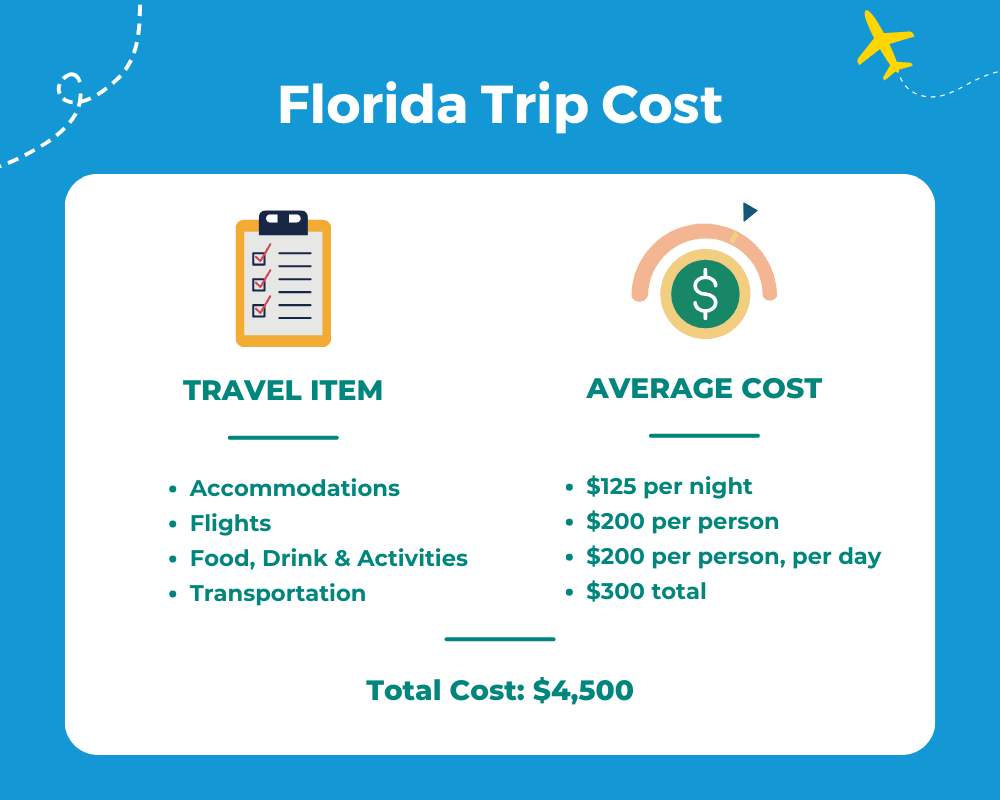
Remember, the airfare is just one component of your travel expenses. When budgeting for a trip to Florida, also consider:
- Baggage Fees: As discussed, factor in the cost of any checked or carry-on bags.
- Airport Transfers: Transportation from the airport to your accommodation (e.g., shuttle, taxi, rideshare, rental car).
- Travel Insurance: Recommended to cover unexpected cancellations or medical emergencies.
By carefully considering these factors and employing the strategies outlined, you can gain a more accurate understanding of how much airfare to Florida will cost and how to secure the best possible deal for your upcoming adventure.
LifeOutOfTheBox is a participant in the Amazon Services LLC Associates Program, an affiliate advertising program designed to provide a means for sites to earn advertising fees by advertising and linking to Amazon.com. Amazon, the Amazon logo, AmazonSupply, and the AmazonSupply logo are trademarks of Amazon.com, Inc. or its affiliates. As an Amazon Associate we earn affiliate commissions from qualifying purchases.