
Florida, a state renowned for its sun-drenched beaches, vibrant theme parks, and welcoming atmosphere, is a dream destination for many. Whether you’re planning a temporary escape to experience the magic of Walt Disney World, soak up the art deco charm of South Beach, or explore the natural wonders of the Everglades, Florida offers an unparalleled lifestyle. For those considering making the Sunshine State their permanent home, understanding the intricacies of property ownership, particularly concerning tax benefits, is crucial. One of the most significant financial advantages for Florida homeowners is the homestead exemption. This article delves into what homestead exemption is, how it works in Florida, and how it can substantially reduce your annual property tax burden, ultimately making living in Florida even more appealing.

The concept of homestead exemption is rooted in providing financial relief to homeowners, particularly those who rely on their primary residence as a significant asset. It’s a mechanism designed to make homeownership more affordable by reducing the taxable value of a property. In Florida, this exemption is particularly generous and plays a vital role in attracting residents and encouraging long-term investment in communities across the state, from the bustling streets of Miami to the historic charm of St. Augustine.
Understanding Florida’s Homestead Exemption
At its core, the Florida homestead exemption is a legal provision that protects a portion of your home’s assessed value from property taxation. It’s not a direct cash payment, but rather a reduction in the amount of your property taxes you owe. This distinction is important to grasp: the exemption lowers your taxable income, which in turn lowers your tax bill. For homeowners in Florida, this can translate into significant savings, allowing for more disposable income to be allocated towards travel, leisure activities, or other lifestyle pursuits that the state so readily offers.
To qualify for this valuable benefit, Florida law outlines specific requirements. Primarily, you must own the property and occupy it as your permanent residence as of January 1st of the tax year for which you are claiming the exemption. This means that vacation homes, rental properties, or secondary residences do not qualify. The intent to make Florida your permanent home is paramount. This often involves demonstrating a clear break from residency in another state, such as changing your driver’s license, voter registration, and vehicle title to Florida.
Eligibility Criteria and Application Process
The eligibility for Florida’s homestead exemption is straightforward but firm:
- Ownership: You must hold title to the property.
- Residency: The property must be your primary, permanent residence. This is the most critical factor. If you own multiple properties, only the one you call home will qualify. For instance, if you own a condo in Tampa but primarily live in a villa in Orlando for your family’s frequent visits to Universal Studios Florida, only the Orlando property would be eligible for the homestead exemption.
- Timing: You must own and occupy the property by January 1st of the tax year. For example, if you purchase and move into a home in Key West on December 15, 2023, you can apply for the homestead exemption for the 2024 tax year.
The application process is typically handled at the county level through the County Property Appraiser’s office. While deadlines can vary slightly by county, generally, applications are due by March 1st for the current tax year. However, it’s always advisable to check with your local Property Appraiser well in advance. The application itself is not overly complex, requiring details about your ownership, residency, and any other property you may own. You will also need to provide proof of residency, such as a Florida driver’s license or voter registration card.
It is important to note that once you have been granted homestead exemption, it typically renews automatically each year unless your circumstances change. However, it is your responsibility to inform the Property Appraiser’s office of any changes, such as selling the property, moving out, or owning another residence. Failure to do so could result in penalties.
The Financial Impact: How Much Can You Save?
The financial benefit of Florida’s homestead exemption is multifaceted, offering both a general reduction and additional protections. The core of the exemption provides a significant reduction in the assessed value of your homestead property.
Standard Homestead Exemption
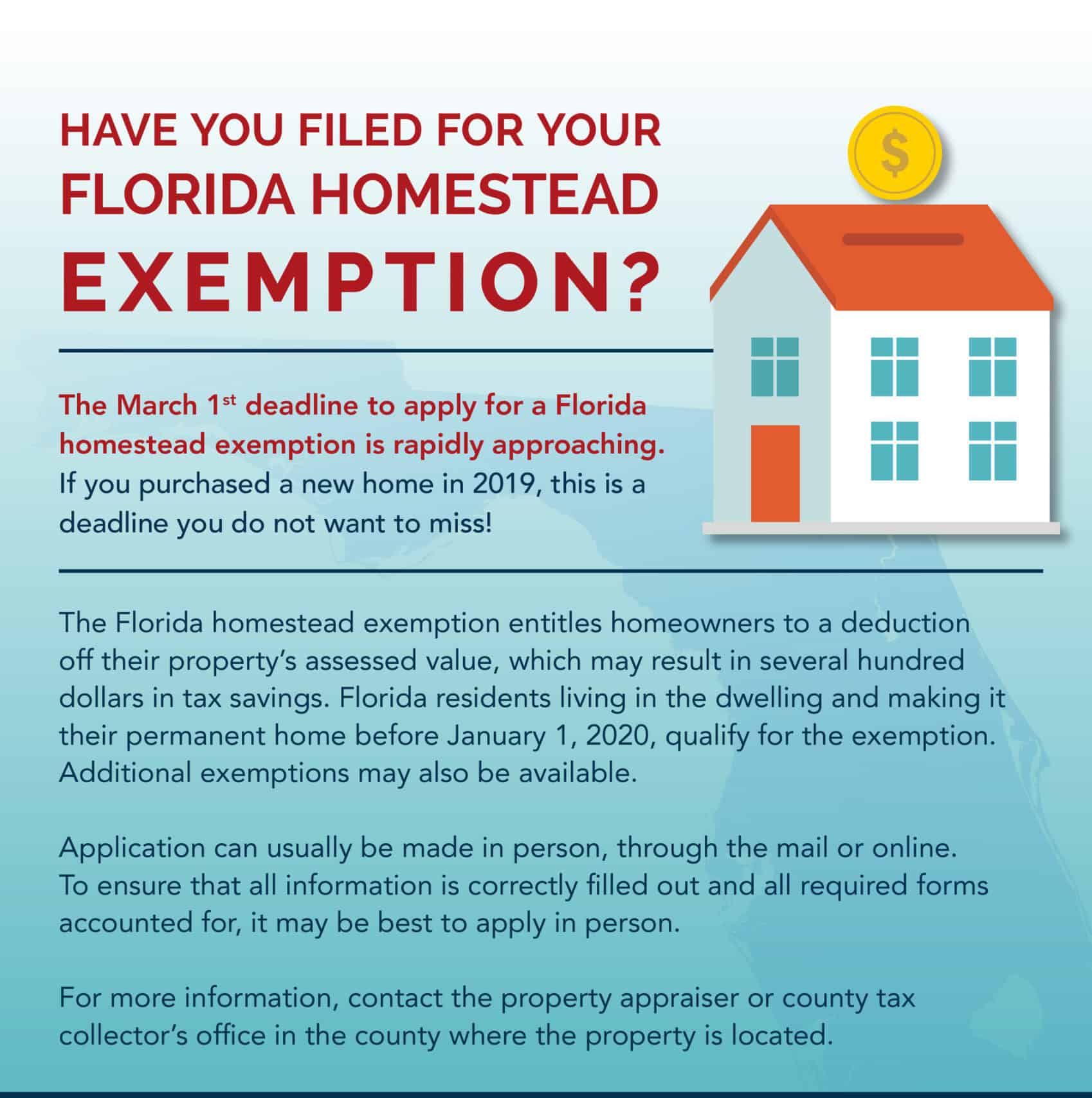
For most homesteaded properties in Florida, there is a standard exemption that reduces the assessed value of your home by up to $25,000 for tax purposes. This $25,000 reduction applies to all taxing authorities, meaning it lowers your tax bill from county, municipal, school board, and special taxing districts.
However, there’s a crucial detail: for the first $25,000 of assessed value, the exemption applies fully. If your property’s assessed value exceeds $25,000, an additional reduction is applied for values between $25,001 and $50,000, but only for taxes levied by the county and school board. This means that if your home is assessed at $40,000, your taxable value would be $15,000 ($40,000 – $25,000). If your home is assessed at $60,000, your taxable value for county and school board taxes would be $35,000 ($60,000 – $25,000). For other taxing authorities, the reduction remains $25,000.
Additional Exemptions and Portability
Beyond the standard exemption, Florida offers several additional homestead exemptions for specific categories of homeowners, further enhancing the financial relief:
- $50,000 Homestead Exemption: This exemption is available to homeowners whose homes are assessed between $50,000 and $75,000. It provides an additional $25,000 exemption specifically for taxes levied by the county and school board. This means a property assessed at $75,000 would have a taxable value of $50,000 ($75,000 – $25,000 standard – $25,000 additional).
- Senior Citizen Exemption: Many counties offer an additional homestead exemption for senior citizens, typically for those aged 65 and older, with a limited income. The income limitations and exemption amounts vary by county, so it’s essential to check with your local Property Appraiser. For example, a county might offer an additional $5,000 exemption for seniors whose annual household income is below a certain threshold.
- Disability Exemption: Florida provides a significant property tax exemption for totally and permanently disabled individuals. This exemption can reduce the taxable value of a homesteaded property by up to $50,000. For veterans who are disabled, the exemption can be even greater, potentially exempting the property entirely from taxation.
- Widow(er)s and Surviving Spouses: Surviving spouses can often maintain the homestead exemption if they continue to occupy the property as their primary residence.
- Veteran Exemption: Partially or totally disabled veterans may qualify for substantial property tax exemptions. The specifics depend on the disability rating and whether the disability was service-connected.
One of the most powerful features of Florida’s homestead exemption system is portability. If you sell your homesteaded property and purchase a new one in Florida, you can transfer your existing homestead tax assessment to the new property. This means that if you have lived in a home for many years and its assessed value has grown significantly, you can transfer that assessed value, not just the exemption amount, to your new home. This is a tremendous benefit, as it prevents a drastic increase in property taxes when moving to a more expensive home, a scenario that can often occur if you were to apply for a new homestead exemption on a higher-valued property without portability. For instance, if your old home was assessed at $150,000 and your new home is purchased for $300,000, with portability, your new home’s assessed value for tax purposes would start at $150,000 plus any increase due to the move, rather than the full market value, effectively capping future assessment increases.
The savings realized through the homestead exemption, especially when combined with portability and additional exemptions, can be substantial. For a modest home in a desirable area like Sarasota or Naples, the annual savings can amount to hundreds, if not thousands, of dollars. This financial breathing room is invaluable, allowing residents to enjoy the abundant lifestyle Florida offers, whether it’s indulging in world-class dining, experiencing thrilling adventures at a theme park in Orlando, or simply enjoying the beautiful coastline.
Maximizing Your Benefits and Future Considerations
To truly benefit from Florida’s homestead exemption, proactive planning and understanding are key.
Applying for the Exemption
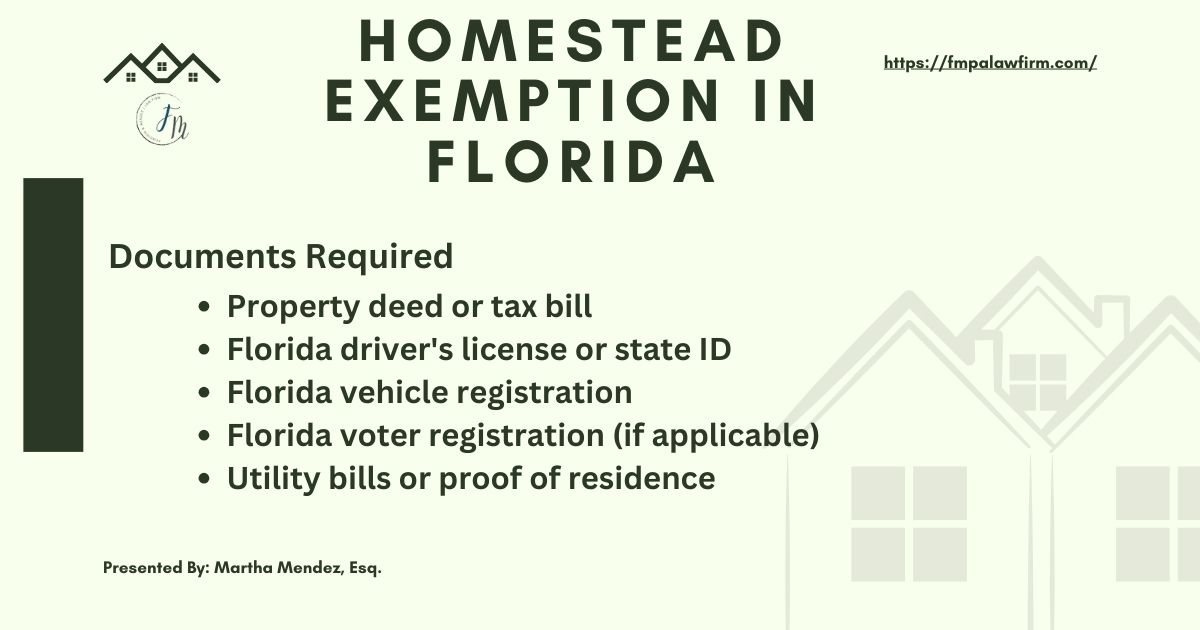
As mentioned, the application is made through your local County Property Appraiser. Do not assume it is automatic. While it may renew annually, the initial application is a crucial step. Gathering the necessary documentation beforehand, such as proof of ownership, a Florida driver’s license or ID card, and vehicle registration, will streamline the process. If you are married, both spouses’ names may need to be on the application.
It is also vital to understand the Save Our Homes (SOH) amendment. This constitutional amendment caps the annual increase in assessed value for homesteaded properties at 3% or the percentage change in the Consumer Price Index (CPI), whichever is less. This cap, combined with the homestead exemption, ensures that property tax increases are gradual and predictable, providing long-term financial stability for homeowners. Without SOH, property taxes could rise dramatically each year with market fluctuations, making long-term homeownership challenging.
When to Consider Relocating
For individuals and families drawn to Florida’s appealing lifestyle – from the vibrant cultural scene of Miami to the tranquil beauty of the Florida Keys – the homestead exemption is a significant financial incentive to make the move permanent. It’s particularly attractive for retirees looking to downsize or relocate, as the portability feature allows them to transfer their favorable tax assessment to a smaller, more manageable home without facing a punitive tax hike.
When considering a move to Florida, whether it’s to a condo in Fort Lauderdale, a single-family home in a suburban community near Jacksonville, or a beachfront property in Clearwater, understanding how the homestead exemption, SOH amendment, and portability work together will empower you to make informed financial decisions. It’s not just about the immediate savings; it’s about securing predictable and affordable homeownership in the long run, allowing you to fully embrace the Sunshine State’s unique blend of relaxation, adventure, and opportunity. The financial benefits make it easier to enjoy all that Florida has to offer, from exploring historic sites like Castillo de San Marcos to experiencing the natural beauty of destinations like Bok Tower Gardens.
LifeOutOfTheBox is a participant in the Amazon Services LLC Associates Program, an affiliate advertising program designed to provide a means for sites to earn advertising fees by advertising and linking to Amazon.com. Amazon, the Amazon logo, AmazonSupply, and the AmazonSupply logo are trademarks of Amazon.com, Inc. or its affiliates. As an Amazon Associate we earn affiliate commissions from qualifying purchases.