
Navigating the Sunshine State’s financial landscape can be as crucial for savvy travelers and residents as understanding the best time to visit the Walt Disney World Resort or finding the most luxurious resorts in South Florida. When planning your Florida adventure, whether it’s a leisurely escape to the Florida Keys or a family vacation exploring St. Augustine‘s historic streets, a key consideration often overlooked amidst the excitement of booking accommodations or planning excursions is the impact of sales tax. Understanding how much sales tax you’ll pay is essential for budgeting, especially when factoring in purchases ranging from souvenirs at Universal Orlando Resort to a new set of golf clubs in Naples. This guide aims to demystify Florida’s sales tax system, providing clarity for everyone from frequent visitors to those considering a long-term stay.
Understanding Florida’s Sales Tax Structure
At its core, Florida operates with a state sales tax rate, to which local discretionary sales surtaxes are added. This dual-layered approach means the final sales tax you pay can vary significantly depending on your exact location within the state. It’s not a one-size-fits-all scenario, and grasping this fundamental principle is the first step to mastering your Florida spending.
The Base State Sales Tax Rate
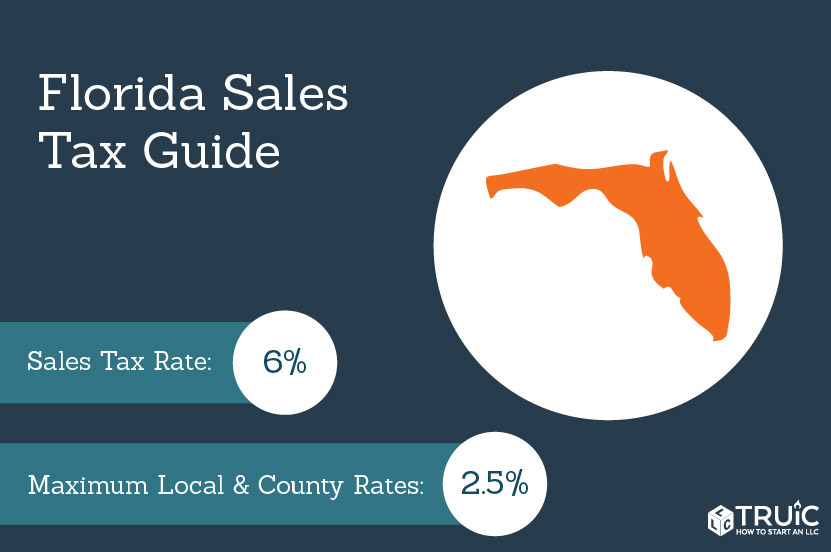
The foundation of Florida‘s sales tax is the state rate. For most tangible personal property and taxable services, this rate is set at 6%. This means for every dollar you spend on eligible items, six cents go towards the state’s general revenue fund. This fund supports various state-level services, from education and infrastructure to public safety and healthcare. When you purchase a souvenir in Miami, dine at a restaurant in Tampa, or rent a car at Orlando International Airport, this base 6% is the initial calculation applied before any local additions.
Local Discretionary Sales Surtaxes
This is where the sales tax in Florida becomes more nuanced and location-dependent. In addition to the state sales tax, counties and some municipalities are authorized to impose their own surtaxes, often referred to as discretionary sales surtaxes or local option taxes. These surtaxes are designed to fund local government projects, such as schools, infrastructure improvements, public transportation, or law enforcement initiatives.
The rates of these local surtaxes vary from county to county and can even differ within a county based on specific voter approvals for certain projects. They are typically levied as a percentage of the sales price and are added directly to the state sales tax. For example, a county might have a 1% discretionary sales surtax. In such a case, the combined state and local sales tax rate would be 7% (6% state + 1% local). Some counties have even higher surtaxes.
It’s important to note that the total combined sales tax rate, including state and local surtaxes, cannot exceed a statutory cap. However, for the vast majority of purchases and locations, you’ll be looking at rates that are the sum of the state 6% and the applicable local surtaxes. These local surtaxes are often referred to collectively as the “local option tax” or “county tax.”
How Local Surtaxes Are Applied
The local discretionary sales surtax is generally applied to the same taxable transactions as the state sales tax. When you make a purchase, the point-of-sale system will typically calculate the applicable local surtax based on the address where the transaction occurs. This ensures that revenue generated from sales within a specific county or municipality directly benefits that local area.
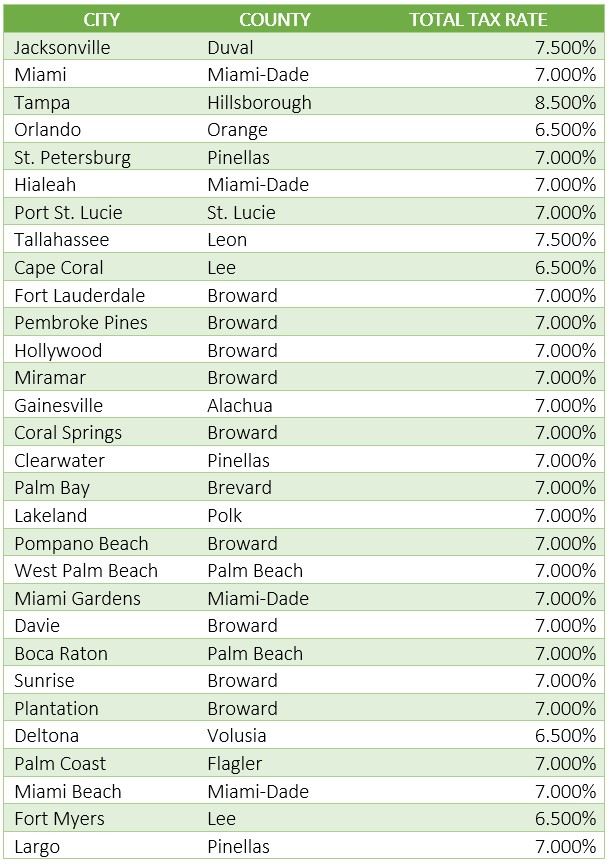
For instance, if you buy a piece of art at a gallery in Sarasota, the sales tax will be calculated based on the state rate plus any surtax applicable in Sarasota County. If you then travel north to Tallahassee and purchase a book, the sales tax calculation will use the state rate plus the surtax specific to Leon County. This is a crucial detail for anyone undertaking a road trip across Florida, as the tax burden can fluctuate throughout your journey.
Exemptions and Specific Taxable Items
While this guide focuses on the general sales tax rates, it’s also vital to be aware of common exemptions and items that may have different tax treatments. Florida provides exemptions for certain necessities and specific types of transactions to ease the financial burden on residents and support certain industries.
Essential Goods and Services Exemptions
Many essential goods and services are exempt from sales tax in Florida. This commonly includes most groceries intended for home consumption, prescription medications, and certain medical supplies. This exemption is a significant relief for households and individuals, ensuring that basic necessities remain more affordable.
Specific Taxable Items with Nuances
Conversely, certain items and services, while seemingly common, might have specific tax rules or higher rates. For example, the rental of living accommodations for less than six months is subject to both state sales tax and local tourist development taxes, which can significantly increase the overall tax applied to hotel stays or vacation rentals in popular tourist destinations like Clearwater Beach or Key West. This tourist development tax is separate from the general sales tax and is levied by counties to fund tourism promotion and local infrastructure that supports tourism.
Services like the repair or maintenance of tangible personal property are generally taxable, as are admission fees to amusement parks and attractions such as SeaWorld Orlando. The purchase of new or used vehicles is also subject to sales tax. When buying a car, you’ll pay sales tax based on the purchase price in the county where you register the vehicle.
The Impact on Travelers and Residents
Understanding these tax nuances is particularly impactful for both tourists and Florida residents. For tourists, it affects the final cost of everything from a souvenir t-shirt to a luxury suite at the Fontainebleau Miami Beach. It’s wise to factor in the potential sales tax when comparing prices for hotels, activities, and shopping. For example, a hotel advertised at $200 per night in Orlando might end up costing more due to the combined state and local surtaxes, potentially including a tourist development tax, which can add a substantial percentage to the room rate.
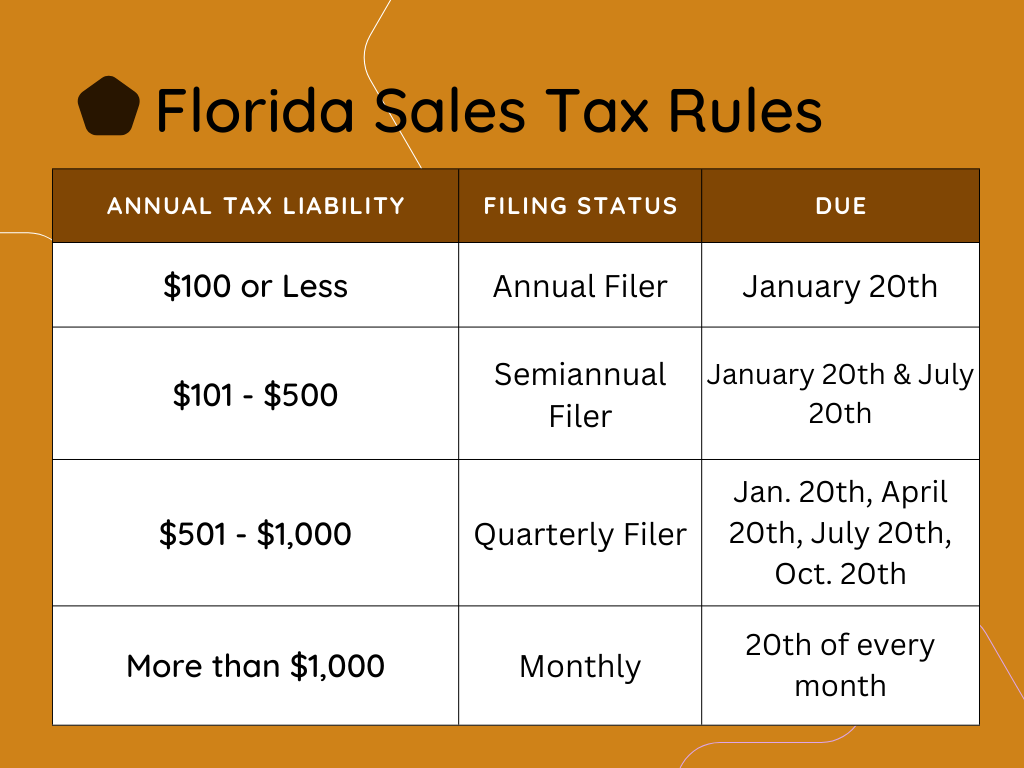
Residents benefit from sales tax exemptions on essentials, but they also feel the impact on major purchases like vehicles or home improvements. For businesses operating in Florida, accurate sales tax collection and remittance are critical compliance responsibilities. This involves understanding which goods and services are taxable, applying the correct rates, and adhering to reporting deadlines.
Determining the Sales Tax Rate for Your Location
Given the variability of local surtaxes, how does one determine the precise sales tax rate for a specific location in Florida? The most straightforward method is to consult official resources.
Utilizing Online Tools and Resources
The Florida Department of Revenue is the primary authority on tax matters within the state. Their website is an invaluable resource for up-to-date information on sales tax rates, including a searchable database or charts that detail the state and local sales tax rates by county. Many reputable financial and travel websites also provide calculators or tables that show these rates, often updated regularly.
When planning a trip, it’s a good practice to check the sales tax rate for the specific city or county you will be visiting. For instance, if you’re staying at a charming bed and breakfast in Savannah (oops, Savannah is in Georgia; let’s rephrase that for Florida) – if you’re staying at a charming bed and breakfast in St. Augustine – the sales tax rate will be determined by St. Johns County. Similarly, if you’re considering purchasing property or making significant purchases in a particular area, knowing the local sales tax is a vital part of your financial planning.
The Role of the Point of Sale
In practice, for most everyday transactions, the point of sale (POS) system used by retailers handles the calculation for you. When you swipe your card or hand over cash at a store, restaurant, or hotel in Florida, the system is programmed with the correct state and local tax rates for its geographical location. This simplifies the process for the consumer, as the total amount due will reflect the accurate sales tax.
However, for online purchases where the seller might not be located in Florida, or for services rendered remotely, understanding the tax implications becomes more complex. Florida has rules regarding “use tax,” which applies when taxable goods or services are purchased outside of Florida for use within the state, and sales tax was not collected by the seller.
Common Sales Tax Scenarios in Florida
To illustrate the practical application of Florida‘s sales tax, let’s consider a few common scenarios relevant to the website’s focus on travel, accommodation, and lifestyle.
Scenario 1: Hotel Stays and Tourist Development Taxes
Imagine you’re booking a week-long stay at a beachfront hotel in Fort Lauderdale. You’ll be subject to the state sales tax of 6%. On top of that, Broward County imposes a local discretionary sales surtax. Furthermore, as Fort Lauderdale is a popular tourist destination, the city and/or county likely levies a tourist development tax. This tax is specifically earmarked for tourism-related initiatives. The combined rate can easily push the total tax burden on your accommodation to over 10%, depending on the specific tourist development tax rates in effect. This is why looking at the final price after all taxes and fees is crucial when comparing hotel deals in places like Palm Beach or Sanibel Island.
Scenario 2: Dining Out and Entertainment
When you enjoy a meal at a popular seafood restaurant in Key West or catch a show at a theater in Tampa, the bill will include the state sales tax plus any applicable local discretionary sales surtax in Monroe County (for Key West) or Hillsborough County (for Tampa). Admission tickets to attractions like Busch Gardens Tampa Bay or a guided tour through the Everglades will also be subject to these combined tax rates. This means that enjoying the vibrant Florida lifestyle, from its culinary scene to its world-class entertainment, comes with an additional cost factored in by sales tax.
Scenario 3: Shopping for Souvenirs and Lifestyle Goods
Whether you’re picking up a memento from St. Pete Beach or investing in luxury goods in Boca Raton, your purchases will incur sales tax. The rate applied will be the state’s 6% plus the local surtax for Pinellas County (for St. Pete Beach) or Palm Beach County (for Boca Raton). For significant purchases, like furniture or high-end electronics, the impact of these combined rates can be substantial. This underscores the importance of checking local tax rates if you’re planning to do a considerable amount of shopping during your stay.
Maximizing Your Budget and Making Informed Decisions
Understanding Florida‘s sales tax system empowers you to make more informed financial decisions, whether you’re a budget traveler or a luxury seeker.
Budgeting for Your Trip
When planning your vacation budget, always add an estimated percentage for sales tax to your anticipated spending on accommodation, dining, activities, and shopping. Using the general state rate of 6% as a baseline and then researching the local surtax for your specific destination will provide a more accurate picture. For popular tourist areas, consider that the actual tax might be higher than the base state rate due to local and tourist development taxes. This foresight can prevent unexpected expenses and ensure your trip remains within your financial comfort zone.
Leveraging Tax-Exemptions
For residents, and sometimes for specific types of travelers or purchases, understanding exemptions can lead to savings. While most tourist purchases are taxable, being aware of exemptions on essential items for residents can inform daily spending habits. For businesses, correctly identifying and applying exemptions is crucial for compliance and financial management.
Considering Long-Term Stays or Property Purchases
For those considering a long-term stay, such as renting an apartment for several months, or for individuals planning to purchase property in Florida, understanding sales tax and related taxes (like property tax, which is separate) is paramount. While the sales tax on a one-time purchase of a home is significant, ongoing local taxes and the sales tax on renovations or furnishings are also important financial considerations.
In conclusion, the question of “How Much Is Sales Tax In The State Of Florida?” doesn’t have a single, simple answer. It’s a dynamic figure that varies by location due to the interplay of state and local surtaxes. By understanding the base rate, the concept of local option taxes, and common exemptions, travelers, residents, and businesses can navigate Florida‘s economy with greater clarity and confidence, ensuring a smoother and more financially sound experience in the Sunshine State.
LifeOutOfTheBox is a participant in the Amazon Services LLC Associates Program, an affiliate advertising program designed to provide a means for sites to earn advertising fees by advertising and linking to Amazon.com. Amazon, the Amazon logo, AmazonSupply, and the AmazonSupply logo are trademarks of Amazon.com, Inc. or its affiliates. As an Amazon Associate we earn affiliate commissions from qualifying purchases.