
The Sunshine State, a perennial favorite for travelers seeking sun-drenched beaches, vibrant theme parks, and a relaxed lifestyle, faces a stark and undeniable challenge: rising sea levels. While the allure of Florida‘s coastlines remains potent, a critical question looms large for residents, businesses, and prospective tourists alike: How much of Florida will be underwater by 2050? This isn’t a hypothetical scenario for a distant future; it’s a pressing reality that demands our attention, influencing everything from travel plans and accommodation choices to the very preservation of iconic landmarks and the lifestyle that defines this unique American peninsula.
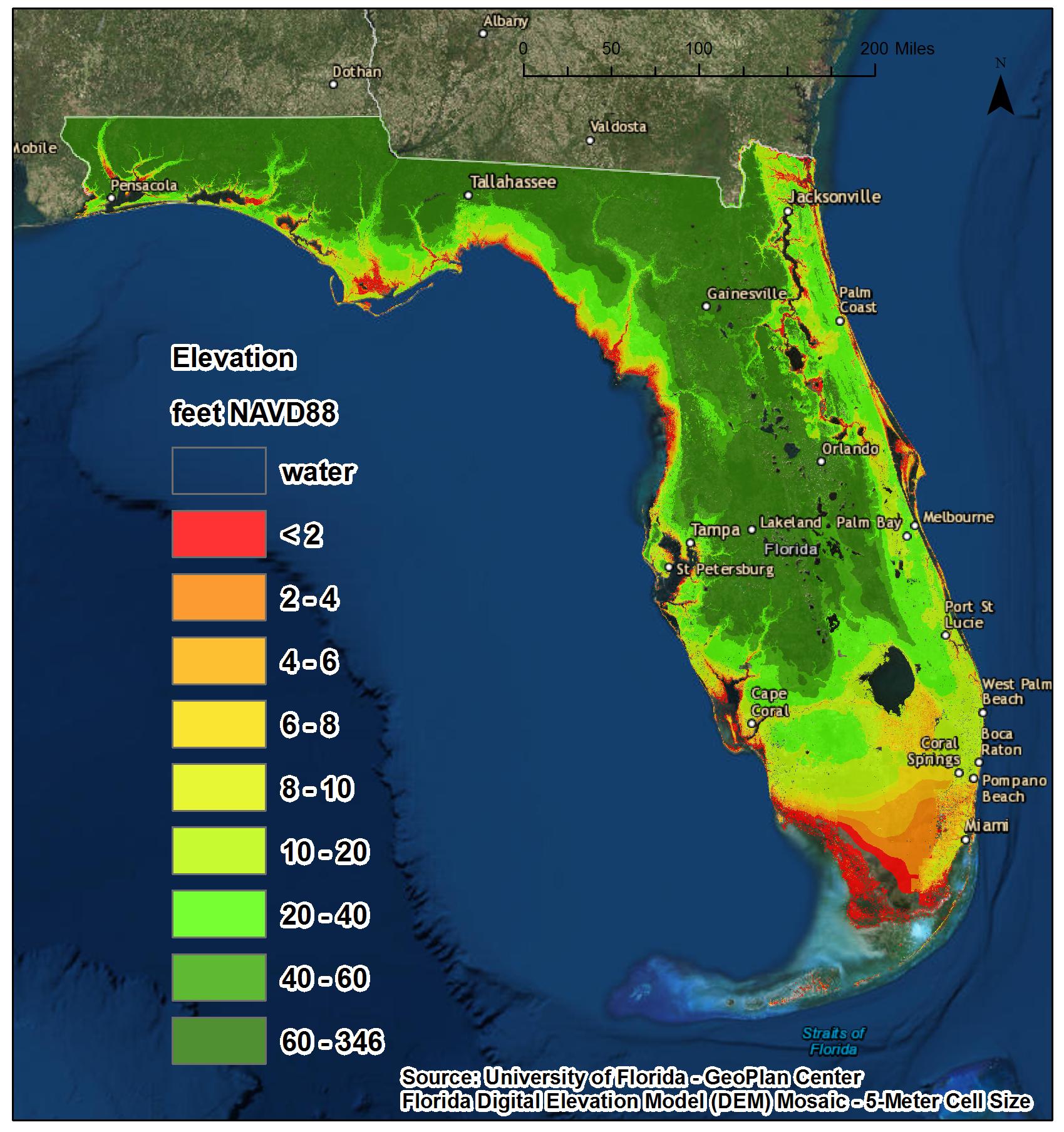
The scientific consensus is clear: global warming is driving a steady increase in ocean temperatures, leading to thermal expansion of seawater and the melting of polar ice caps. For a state with an average elevation of just six feet above sea level, Florida is exceptionally vulnerable. Projections from organizations like the National Oceanic and Atmospheric Administration (NOAA) paint a concerning picture, suggesting that without significant mitigation efforts, substantial portions of the state could face regular inundation by the middle of this century.
Understanding the Threat: Sea Level Rise and Florida’s Vulnerability
The impact of sea level rise on Florida is not a uniform phenomenon. It varies significantly across different regions, influenced by geological factors, land subsidence, and the intensity of storm surges. However, the overarching trend is one of increasing risk, particularly for low-lying coastal communities.
Coastal Erosion and Inundation: A Growing Concern
One of the most visible impacts is coastal erosion. Beaches that have long been the bedrock of Florida‘s tourism industry are shrinking, requiring costly nourishment projects. Beyond erosion, however, lies the more insidious threat of permanent inundation. Areas that are currently dry land could become regularly submerged, altering landscapes, impacting infrastructure, and displacing communities.
Miami-Dade County: A Ground Zero for Climate Change Impacts
Miami-Dade County, a global hub for tourism, finance, and culture, is frequently cited as one of the most vulnerable areas in the United States. Its low elevation and porous limestone bedrock make it particularly susceptible to saltwater intrusion and flooding. Iconic destinations like Miami Beach and Key Biscayne are already experiencing “sunny day flooding,” where high tides push water up through storm drains, inundating streets even without rainfall.
By 2050, projections suggest that significant portions of Miami’s coastal areas could be experiencing regular flooding. This not only affects daily life for residents but also poses a substantial threat to the region’s vital tourism sector. Luxury resorts, world-class hotels, and vibrant entertainment districts could face operational challenges and, in some cases, permanent loss. The economic implications are staggering, as Miami‘s identity is intrinsically linked to its stunning coastline and thriving tourist economy.
The Florida Keys: A Fragile Paradise Under Threat
The chain of islands known as the Florida Keys is another area facing extreme vulnerability. With an average elevation that is often measured in inches rather than feet, these islands are on the front lines of sea level rise. The iconic Overseas Highway, the primary artery connecting the Keys, is increasingly susceptible to closures due to high tides and storm surges.
The ecological significance of the Florida Keys National Marine Sanctuary, a globally renowned destination for diving and snorkeling, is also at risk. Rising sea levels can alter marine habitats, impact coral reefs, and threaten the unique biodiversity that draws so many visitors. The charming towns and laid-back lifestyle of the Keys, epitomized by places like Key West, are under direct threat from the encroaching sea.
Beyond the Coast: Inland Impacts and Groundwater Contamination
While the most dramatic visual impacts of sea level rise occur along the coast, the effects ripple inland. Saltwater intrusion into freshwater aquifers is a growing concern. Florida relies heavily on its groundwater for drinking water and agriculture. As sea levels rise, saltwater can push further into these freshwater sources, contaminating them and threatening water security for millions.
This contamination can impact not only residential water supplies but also the agricultural industry, a significant contributor to the state’s economy. Furthermore, areas that were once considered safe havens from coastal flooding may experience increased pressure as people and businesses relocate from more vulnerable zones.
Adapting to a Changing Landscape: What Does This Mean for Travel and Lifestyle?
The projected changes by 2050 are not just an environmental issue; they are a profound challenge to Florida‘s identity as a premier travel destination and a desirable place to live. The tourism industry, the lifeblood of the state’s economy, will need to adapt significantly.
Rethinking Travel Destinations and Experiences
Travelers planning trips to Florida in the coming decades may need to adjust their expectations and itineraries. While iconic destinations like Orlando‘s theme parks, situated inland, are likely to remain largely unaffected by direct inundation, coastal attractions and beach resorts will face increasing challenges.

-
Coastal Resorts and Hotels: Properties located directly on the beachfront, especially in South Florida, will need to invest heavily in protective measures, such as elevated structures, seawalls, and advanced drainage systems. Some may become uninsurable or economically unviable. Travelers might find that beachfront access becomes more limited or that certain areas are subject to frequent closures due to flooding. The availability of luxury suites, private villas, and resort amenities could be impacted, potentially leading to higher costs or a shift in where these premium accommodations are located.
-
Exploring Inland and Higher Elevation Attractions: Tourists might increasingly look towards inland destinations, such as the natural springs in Central Florida, the historic charm of St. Augustine, or the cultural offerings of cities like Tampa and Jacksonville. Attractions focused on ecotourism in less vulnerable regions could see a surge in popularity.
-
The Nature of “Beach Vacations”: The very definition of a Florida beach vacation might evolve. Instead of guaranteed endless stretches of sand, travelers might encounter beaches that are narrower, more frequently impacted by high tides, or even temporarily inaccessible. Activities like deep-sea fishing and boating in coastal areas could also be affected by changing environmental conditions and infrastructure damage.
Accommodation Strategies for a Resilient Future
The implications for accommodation providers and travelers are far-reaching. Booking decisions will increasingly need to consider the long-term viability and resilience of properties.
-
Location, Location, Location (Reimagined): Future travelers might prioritize accommodations situated at higher elevations or further inland. The traditional allure of a direct ocean view could be tempered by concerns about accessibility and potential damage. When searching for apartments, villas, or even long-term stays, proximity to vulnerable coastal zones will become a critical factor.
-
Insurance and Investment: The insurance market for coastal properties is already undergoing significant shifts. Travelers should be aware that some areas may become difficult or prohibitively expensive to insure, which could impact booking options and travel insurance policies. Investors in hotels and resorts will need to factor in the long-term risks of sea level rise when making development decisions.
-
The Rise of Sustainable Tourism: A growing awareness of climate change is likely to fuel demand for sustainable travel options. Eco-lodges, accommodations powered by renewable energy, and businesses committed to environmental stewardship will become more attractive to conscious travelers.
Preserving Florida’s Iconic Landmarks and Natural Wonders
Florida is home to a wealth of natural beauty and historical landmarks. The threat of sea level rise poses a significant risk to these treasures.
-
National Parks and Wildlife Refuges: Many of Florida‘s most beautiful natural areas, including the Everglades National Park and various coastal wildlife refuges, are low-lying and directly threatened by rising waters. These ecosystems are vital for biodiversity and attract countless visitors. Their preservation is a complex challenge that requires significant conservation efforts and adaptation strategies.
-
Historic Sites: From the oldest masonry fort in the continental United States, the Castillo de San Marcos in St. Augustine, to historic waterfront districts in cities like Savannah, Georgia (though not in Florida, it shares similar coastal vulnerabilities), historical sites are at risk of erosion and inundation. Protecting these tangible links to the past requires innovative engineering and preservation techniques.
-
Architectural Heritage: The unique architecture of many coastal communities, from the Art Deco district of Miami Beach to charming stilt houses in the Keys, is also vulnerable. Adapting these structures to withstand rising waters and increased storm activity will be a major undertaking.
The Path Forward: Mitigation, Adaptation, and Informed Travel
The future of Florida in 2050 is not entirely predetermined. While the scientific projections are stark, there is still an opportunity to influence the extent of the impact.
Collective Action and Policy
Addressing sea level rise requires a multi-pronged approach, encompassing global efforts to reduce greenhouse gas emissions and local strategies for adaptation. Florida‘s state and local governments are grappling with difficult decisions regarding land use, infrastructure development, and emergency preparedness. Policies that promote sustainable development, protect natural buffers like mangroves, and invest in resilient infrastructure are crucial.

The Role of Tourism in a Changing Climate
As a state heavily reliant on tourism, Florida has a vested interest in addressing climate change. The tourism industry itself can play a role in promoting awareness and supporting conservation efforts. Travelers can make informed choices by supporting eco-friendly businesses, respecting natural environments, and considering the long-term implications of their travel destinations.
Understanding the challenges posed by rising sea levels is essential for anyone planning a trip to Florida in the coming decades. By being informed, adapting our expectations, and supporting sustainable practices, we can continue to appreciate the beauty and unique character of the Sunshine State while acknowledging and addressing the undeniable realities of a changing climate. The question of “how much of Florida will be underwater by 2050″ serves as a powerful reminder that even the most idyllic destinations are not immune to the global environmental shifts we are currently experiencing.
LifeOutOfTheBox is a participant in the Amazon Services LLC Associates Program, an affiliate advertising program designed to provide a means for sites to earn advertising fees by advertising and linking to Amazon.com. Amazon, the Amazon logo, AmazonSupply, and the AmazonSupply logo are trademarks of Amazon.com, Inc. or its affiliates. As an Amazon Associate we earn affiliate commissions from qualifying purchases.