
Navigating the complexities of divorce is a significant life event, and understanding the financial implications is a crucial step. While the emotional toll of a divorce is often paramount, the monetary aspect can also be a considerable source of stress. This article delves into the typical costs associated with divorce proceedings in the state of Florida, offering insights into the various factors that influence these expenses. We’ll explore the different types of divorce, the associated fees, and strategies for managing costs, all with a lens that subtly touches upon the broader themes of life transitions and new beginnings that often accompany such a change, much like embarking on a new journey or planning a significant trip.
Understanding Florida Divorce Costs
The cost of a divorce in Florida is not a one-size-fits-all figure. It’s a dynamic sum influenced by numerous variables, ranging from the complexity of the case to the approach taken by the parties involved. Generally, the more amicable and straightforward the divorce, the lower the cost. Conversely, contested divorces, involving extensive legal battles and disagreements, can escalate expenses significantly.
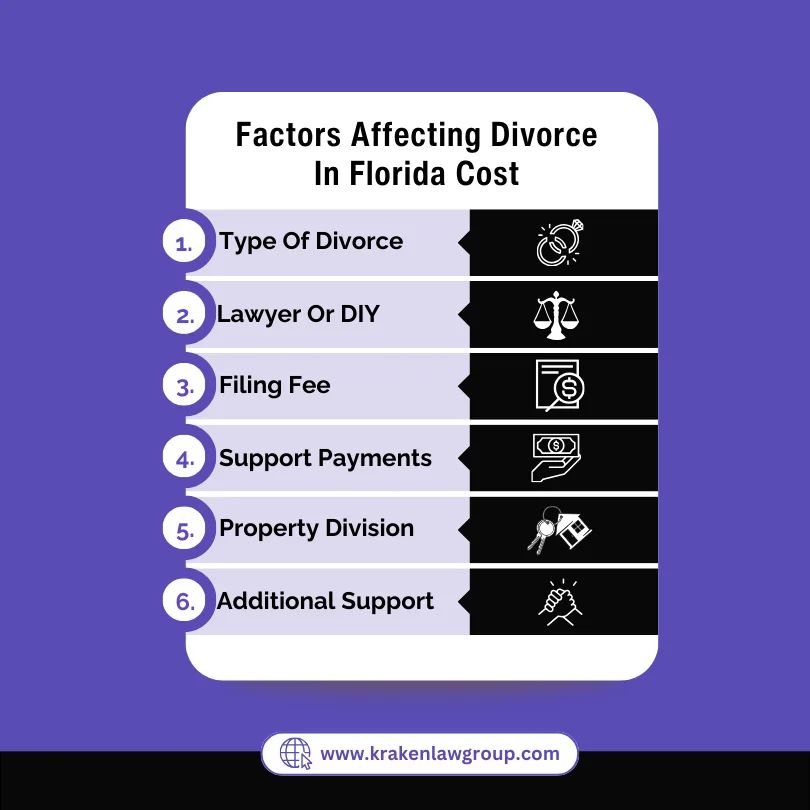
Factors Influencing Divorce Costs
Several key elements contribute to the overall expense of a divorce in Florida. Understanding these factors is essential for budgeting and making informed decisions.
Legal Fees
The most significant portion of divorce costs typically comprises legal fees. These are charged by attorneys for their time, expertise, and services.
- Attorney Hourly Rates: Florida divorce attorneys charge by the hour, and rates vary based on their experience, reputation, and the complexity of the case. Experienced attorneys in major metropolitan areas like Miami or Orlando may charge higher rates than those in smaller towns. Expect rates to range from $200 to $500+ per hour.
- Retainers: Most attorneys require an upfront retainer, which is a deposit against which their hourly fees are billed. The size of the retainer also depends on the anticipated complexity of the case.
- Contested vs. Uncontested Divorce: In an uncontested divorce, where both parties agree on all issues (property division, child custody, alimony, etc.), legal fees will be considerably lower. This is because minimal attorney time is needed for negotiation and court appearances. In a contested divorce, where disagreements necessitate court intervention, mediation, or even a trial, legal fees can skyrocket due to the extensive work involved. This can include drafting pleadings, conducting discovery (exchanging information and documents), attending hearings, negotiating settlements, and potentially preparing for and attending a trial.
- Complexity of Issues: Cases involving complex assets (businesses, investments, multiple properties), significant debts, spousal support (alimony) disputes, or contentious child custody and visitation arrangements will naturally incur higher legal fees. These issues require more time for analysis, negotiation, and often, expert involvement.
- Number of Court Appearances: Each court appearance, whether for status conferences, hearings, or motions, adds to the billable hours. A divorce that requires multiple court dates will naturally be more expensive than one settled outside of court.
Court Costs and Filing Fees
In addition to legal fees, there are mandatory court costs associated with filing for divorce in Florida.
- Filing Fees: The Clerk of Court charges a fee to file the initial divorce petition. This fee can vary slightly by county but is generally around $200-$400.
- Service Fees: Once the petition is filed, it must be formally served on the other spouse. There are fees associated with process servers or for mailing the documents.
- Mediation Fees: If mediation is required or chosen as a path to resolution, there will be fees for the mediator’s services. Mediators typically charge an hourly rate, which can be split between the parties.
- Other Court Costs: Depending on the specifics of the case, there might be additional costs for obtaining certified copies of documents, transcripts, or other administrative fees.
Other Potential Expenses
Beyond legal and court fees, several other expenses can arise during a divorce:
- Expert Witnesses: In cases involving complex financial matters or child custody disputes, it may be necessary to hire expert witnesses. This could include forensic accountants to value businesses or trace assets, financial planners to assess future earning capacities for alimony, or child custody evaluators to provide recommendations to the court. Expert witness fees can be substantial, often running into thousands of dollars.
- Appraisals: If there are significant assets like real estate or valuable personal property, appraisals may be needed to establish their fair market value for division.
- Discovery Costs: This can include the cost of depositions, which involve questioning parties or witnesses under oath, and the production of various financial documents.
- Temporary Support Hearings: If one party is seeking temporary alimony or child support during the divorce proceedings, there will be costs associated with filing motions and attending hearings for these requests.
- Post-Judgment Modifications: If, after the divorce is finalized, circumstances change and require modifications to alimony, child support, or custody orders, these will involve further legal fees and court costs.
Types of Divorce and Their Cost Implications in Florida
Florida law recognizes several pathways to divorce, each with distinct implications for cost. Understanding these distinctions can help individuals anticipate expenses and choose the most suitable route.
Uncontested Divorce
An uncontested divorce is the most cost-effective option. It occurs when both spouses agree on all aspects of the divorce settlement without the need for court intervention.
- Process: Both parties typically work together to draft a Marital Settlement Agreement (MSA) that covers property division, debt allocation, child custody and support, and alimony. If they are represented by attorneys, each attorney may represent one spouse, or a single attorney can draft the agreement if both parties are in full agreement and understand their rights. The agreement is then filed with the court along with other required documents.
- Cost: In an uncontested divorce, costs are primarily limited to filing fees, service fees, and potentially a modest attorney fee for drafting or reviewing the MSA. If both parties are in complete agreement and handle the paperwork themselves (pro se), the costs could be as low as the court filing fees, often under $1,000. With attorneys involved to ensure everything is handled correctly, costs might range from $1,000 to $3,000 per party, depending on the complexity and the attorneys’ fees.
Mediated Divorce
Mediation involves a neutral third party (the mediator) who helps the couple negotiate a settlement. This approach is often used when spouses have some disagreements but are willing to work towards a resolution outside of court.
- Process: A mediator facilitates communication and helps the parties reach mutually agreeable terms. If a settlement is reached, the mediator will help draft a memorandum, which is then taken to attorneys for formalizing into the legal documents.
- Cost: The cost of mediation is typically shared between the parties. Mediator fees can range from $150 to $500+ per hour, and a mediation session can last anywhere from a few hours to a full day. In addition to mediator fees, there will be filing fees and attorney fees for drafting the final settlement agreement. Overall costs can range from $2,000 to $6,000, depending on the number of mediation sessions and attorney involvement.
Contested Divorce
A contested divorce is the most expensive and time-consuming type. It arises when spouses cannot agree on one or more issues related to their divorce.
- Process: This type of divorce often involves extensive legal maneuvering, including discovery, motions, hearings, and potentially a trial. Each spouse will likely have their own attorney, and communication is primarily handled through legal counsel.
- Cost: The costs can vary dramatically, but it’s not uncommon for contested divorces to cost anywhere from $10,000 to $50,000 or more per party. Factors such as the duration of litigation, the number of complex issues, the need for expert witnesses, and the attorneys’ hourly rates significantly drive up the expense. A case that proceeds to trial will invariably be far more costly than one settled before trial.
Strategies for Managing Divorce Costs in Florida
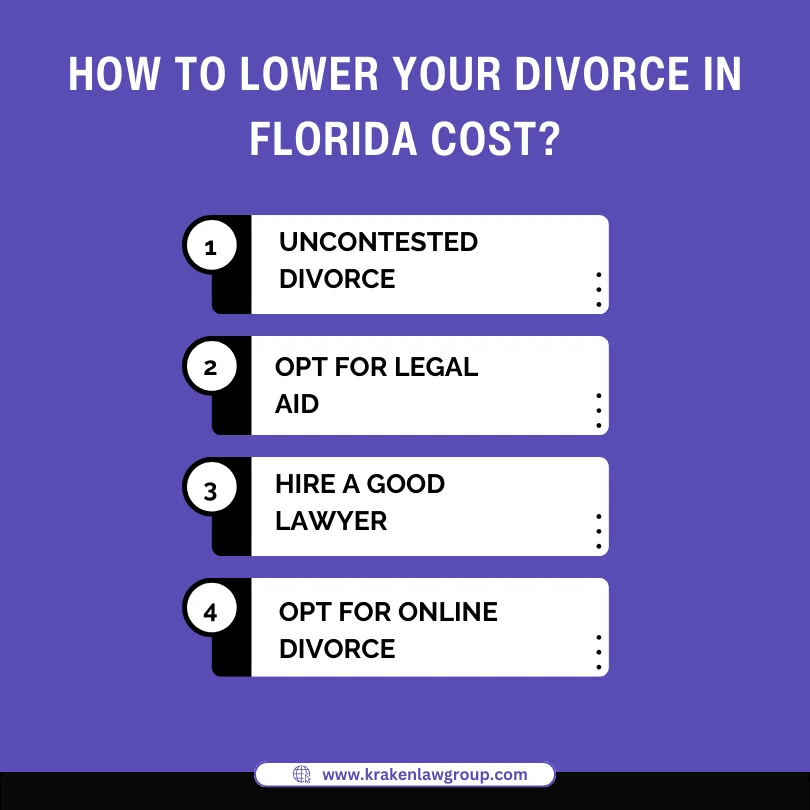
While divorce can be expensive, there are several strategies that individuals can employ to manage and potentially reduce costs. Proactive planning and a willingness to cooperate can make a significant difference.
Open Communication and Negotiation
The most effective way to control divorce costs is through open communication and a genuine willingness to negotiate.
- Focus on Agreement: Prioritize finding common ground on issues like child custody, property division, and financial support. When both parties are committed to reaching an agreement, it significantly reduces the need for prolonged legal battles and court involvement.
- Be Realistic: Approach negotiations with realistic expectations. Understanding your legal rights and obligations, and those of your spouse, can help foster more productive discussions.
- Consider Mediation: Even in a contested situation, mediation can be a valuable tool. A skilled mediator can help bridge communication gaps and facilitate compromises that might not be possible through adversarial legal channels. This can often prevent a case from escalating to a full trial.
Choosing the Right Legal Representation
Selecting an appropriate attorney is crucial for managing costs effectively.
- Flat Fee vs. Hourly: While most divorce attorneys charge hourly, some may offer flat-fee arrangements for specific uncontested divorce packages. Discuss fee structures upfront and understand what is included.
- Experienced but Cost-Effective: Seek attorneys who have a strong track record in divorce law but are also mindful of your budget. Consider attorneys who are skilled negotiators and mediators, as they may be able to resolve issues more efficiently than those who immediately resort to litigation.
- Lawyer-Client Communication: Maintain clear and concise communication with your attorney. Avoid unnecessary calls or emails, and come prepared to meetings with specific questions and relevant documents. This efficiency can help reduce billable hours.
- Consider Limited Scope Representation: In some situations, you might be able to hire an attorney for specific tasks, such as drafting documents or providing advice, while handling other aspects of the divorce yourself. This is known as limited scope representation and can be a cost-saving measure.

Financial Planning and Budgeting
Understanding your financial situation and planning accordingly is vital.
- Gather Financial Documents: Compile all relevant financial documents, including bank statements, tax returns, property deeds, investment accounts, and debt statements. Having these organized and accessible will streamline the process for your attorney and reduce billable hours spent on document retrieval.
- Create a Budget: Develop a realistic budget for divorce-related expenses. This includes legal fees, court costs, potential expert witness fees, and the costs of setting up separate households.
- Explore Property Division Options: Consider creative solutions for dividing assets and debts. Sometimes, foregoing a contentious dispute over a particular asset in exchange for a quicker resolution on other matters can be financially beneficial in the long run.
By understanding the various cost factors, exploring different divorce processes, and implementing strategic approaches to negotiation and legal representation, individuals can better navigate the financial landscape of divorce in Florida. While the journey may be challenging, informed decision-making can lead to a more manageable and ultimately, a more positive outcome as you embark on your new chapter, much like planning for a significant vacation or a new phase of life.
LifeOutOfTheBox is a participant in the Amazon Services LLC Associates Program, an affiliate advertising program designed to provide a means for sites to earn advertising fees by advertising and linking to Amazon.com. Amazon, the Amazon logo, AmazonSupply, and the AmazonSupply logo are trademarks of Amazon.com, Inc. or its affiliates. As an Amazon Associate we earn affiliate commissions from qualifying purchases.