
Embarking on a new business venture is an exciting journey, and for many entrepreneurs, establishing a Limited Liability Company (LLC) in the vibrant state of Florida is a strategic first step. Florida is a popular destination for both tourism and business, boasting a dynamic economy and a business-friendly environment. Whether you’re a seasoned entrepreneur looking to expand your portfolio or a budding visionary with a groundbreaking idea, understanding the process of forming an LLC in the Sunshine State is crucial. This guide will walk you through the essential steps, ensuring you navigate the application process smoothly and efficiently, setting your business up for success.
Understanding the Basics of an LLC in Florida
Before diving into the application process, it’s important to grasp what an LLC is and why it’s a favored business structure. An LLC, or Limited Liability Company, is a hybrid business structure that combines the pass-through taxation of a partnership or sole proprietorship with the limited liability of a corporation. This means that the personal assets of the owners (members) are protected from business debts and liabilities. If your business incurs debt or faces a lawsuit, your personal savings, home, or car are generally safe.
The flexibility of an LLC is another significant advantage. It allows for a flexible management structure, meaning members can manage the business directly or appoint managers. This adaptability is particularly appealing to small and medium-sized businesses, startups, and even sole proprietors who want to safeguard their personal finances while enjoying the benefits of a formal business entity. For those considering establishing a business that might be intertwined with the booming Florida tourism industry – perhaps a vacation rental agency near Orlando, a tour guide service in the Florida Keys, or a unique experience provider in Miami – an LLC offers a robust framework.
The benefits extend beyond liability protection and flexibility. An LLC can lend an air of legitimacy and professionalism to your business, which can be crucial when seeking investment, securing loans, or establishing partnerships. It can also simplify tax obligations, as profits and losses can be passed through to the members’ personal income without being subject to corporate tax rates. This “pass-through” taxation avoids the potential for “double taxation” that can sometimes affect corporations.
When considering an LLC in Florida, you’re tapping into a state known for its welcoming attitude towards entrepreneurs. The state’s economic growth, driven by sectors like tourism, real estate, and international trade, creates a fertile ground for new businesses. The process itself is designed to be relatively straightforward, with clear guidelines provided by the Florida Department of State.
Step-by-Step Guide to Applying for an LLC in Florida
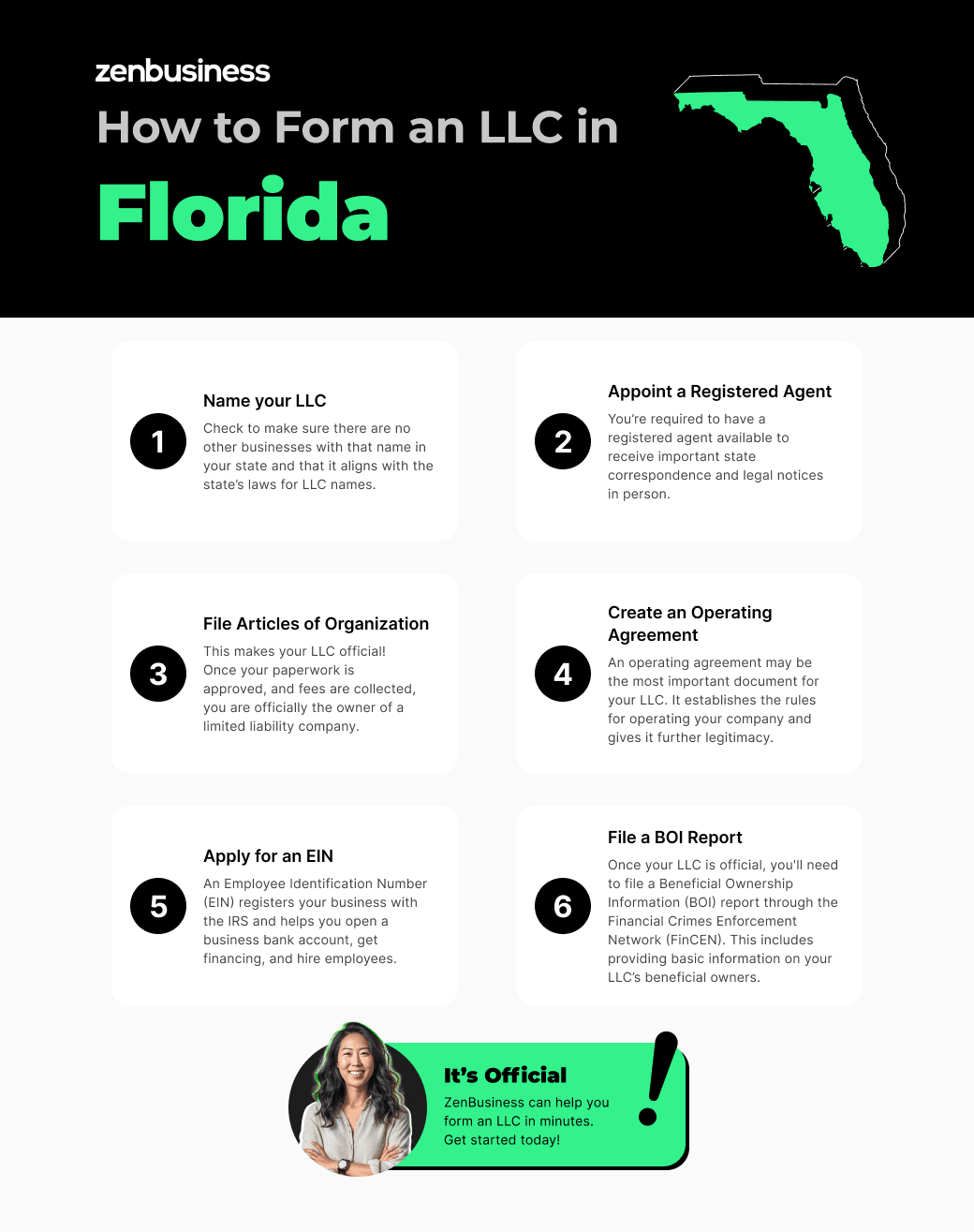
Forming an LLC in Florida involves several distinct steps, each requiring careful attention to detail. While the process is manageable, understanding each stage will prevent potential pitfalls and ensure a smooth establishment of your business entity.
Choosing a Business Name
The first tangible step in forming your LLC is selecting a unique and compliant business name. Florida law requires that your LLC name be distinguishable from the names of other businesses already registered with the state. This means conducting a thorough name search to ensure your chosen name isn’t already in use. The Florida Department of State’s Division of Corporations offers an online searchable database that is an invaluable tool for this purpose.
Beyond uniqueness, your business name must include specific wording to indicate that it is an LLC. This typically involves the inclusion of “Limited Liability Company,” “LLC,” or “L.L.C.” For instance, if you were to open a boutique hotel near Key West, you might consider names like “Island Breeze Suites, LLC” or “Conch Republic Rentals L.L.C.” The name should also be easily recognizable and reflective of your business’s offerings, whether it’s a luxury resort in Naples, a budget-friendly hostel in St. Augustine, or a family-friendly attraction in Tampa.
It’s also advisable to check for the availability of a corresponding domain name for your website and social media handles. In today’s digital age, a strong online presence is paramount, and having consistent branding across all platforms, from your official business name to your online identity, is crucial. While not a legal requirement for forming the LLC itself, securing your desired online presence early can prevent future complications.
Designating a Registered Agent
Every LLC in Florida must have a registered agent. This is an individual or a business entity that agrees to accept legal documents and official correspondence on behalf of your LLC. The registered agent must have a physical street address in Florida (not a P.O. Box) and be available during normal business hours to receive service of process.
The registered agent acts as a vital link between your business and the state government. If your LLC is ever sued, the registered agent will be the person or entity to whom the lawsuit documents are delivered. It is imperative that the registered agent is reliable and promptly forwards any legal notices to you.
You have a few options for who can serve as your registered agent. You can appoint yourself as the registered agent, provided you meet the physical address and availability requirements. Alternatively, you can designate another member of your LLC, a trusted employee, or an independent third-party registered agent service. Many businesses choose to hire a professional registered agent service, especially if they operate remotely, travel frequently for business, or simply want to ensure that legal documents are handled with the utmost care and professionalism. This is particularly relevant for businesses with a strong focus on travel and tourism, where owners might be constantly on the move exploring new destinations or overseeing operations in various locations.
Filing the Articles of Organization
The core document for forming your LLC in Florida is the Articles of Organization. This document is filed with the Florida Department of State, Division of Corporations, and officially creates your LLC. The Articles of Organization typically require information such as:
- The name of the LLC: The chosen, unique, and compliant business name.
- The principal office address: The physical street address of your LLC’s main place of business in Florida.
- The name and address of the registered agent: As discussed above, this is the designated individual or entity responsible for receiving official communications.
- Management structure: You’ll need to indicate whether the LLC will be member-managed (run by its owners) or manager-managed (run by appointed managers).
- The organizer’s name and address: This is the person filing the Articles of Organization.
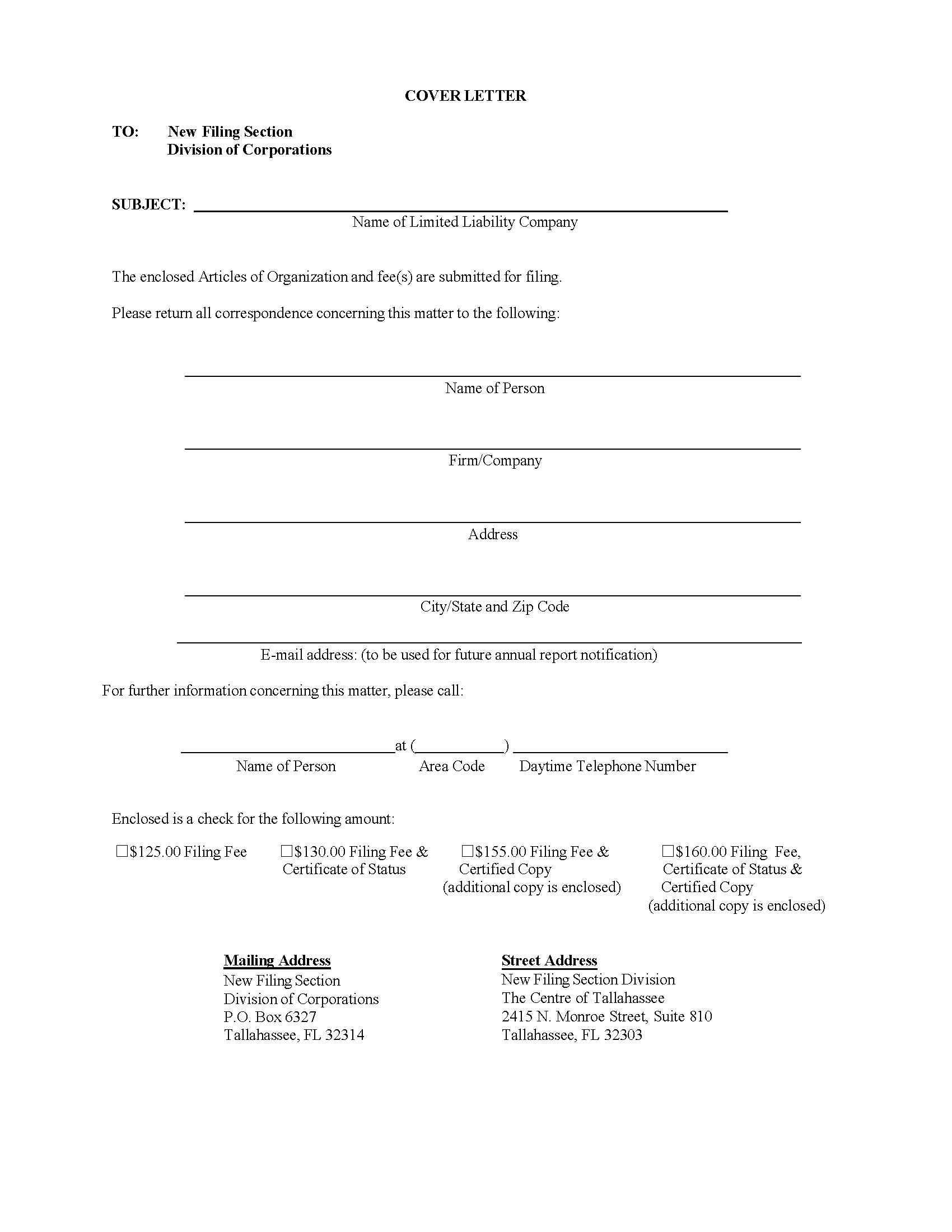
You can file the Articles of Organization online through the Florida Department of State’s Sunbiz website, by mail, or in person. The online filing method is generally the fastest and most convenient. There is a filing fee associated with submitting the Articles of Organization, which is subject to change by the state. It’s always best to check the official Florida Department of State website for the most current fee schedule.
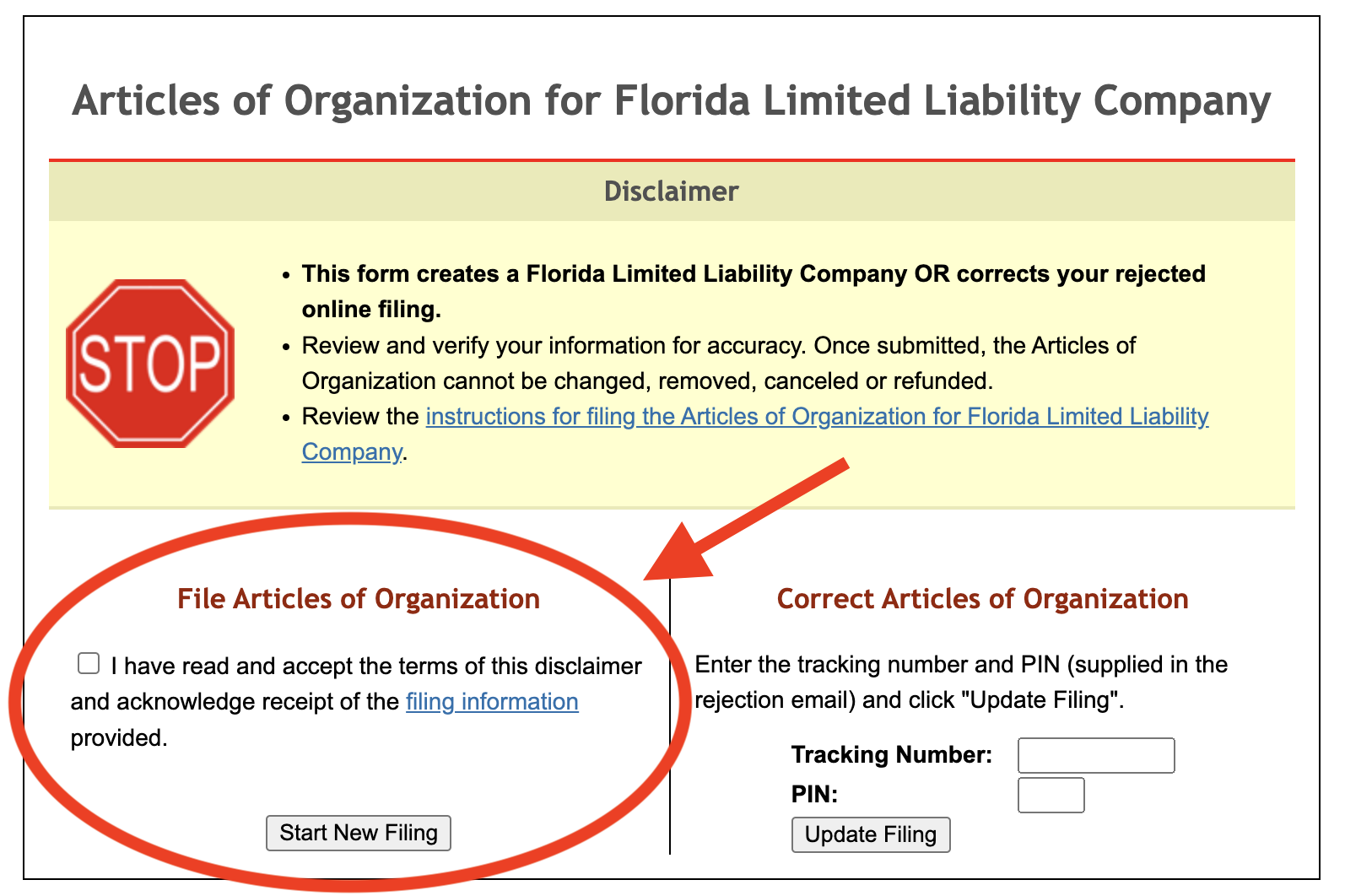
This filing is a critical step, as it is the official act that brings your LLC into legal existence. Once the state approves your Articles of Organization, your LLC is officially formed and recognized by Florida law.
Creating an Operating Agreement
While not legally required by the state of Florida for LLCs, having an Operating Agreement is highly recommended and considered a best practice for any LLC. This internal document outlines the ownership, operating procedures, and member responsibilities of your LLC. Think of it as the internal rulebook for your business.
A well-drafted Operating Agreement can:
- Define ownership percentages: Clearly state how ownership is divided among members.
- Outline management roles and responsibilities: Specify who makes decisions and what their authority is.
- Detail profit and loss distribution: Explain how profits and losses will be allocated among members.
- Establish procedures for admitting new members: Set guidelines for adding new owners to the LLC.
- Outline the process for member withdrawal or dissolution: Specify how a member can leave the company and how the LLC will be dissolved if necessary.
An Operating Agreement is particularly valuable for LLCs with multiple members, as it helps to prevent disputes and misunderstandings by clearly defining expectations and protocols. It can also be crucial for LLCs that operate in dynamic industries like tourism, where business strategies, partnerships, and market demands can evolve rapidly. For instance, an LLC managing a portfolio of vacation rentals across Florida would benefit from a clear agreement on how to handle booking disputes, maintenance issues, or the acquisition of new properties.
Obtaining an Employer Identification Number (EIN)
If your LLC plans to hire employees, operate as a corporation for tax purposes, or is a multi-member LLC, you will need to obtain an Employer Identification Number (EIN) from the Internal Revenue Service (IRS). An EIN, also known as a Federal Tax Identification Number, is like a Social Security number for your business. It is used for tax reporting and identification purposes.
You can apply for an EIN for free directly from the IRS website. The application process is straightforward and typically involves providing information about your business, including its name, address, and the names of its responsible parties. Obtaining an EIN is a crucial step for fulfilling your federal tax obligations.
For LLCs involved in the hospitality or tourism sector, an EIN is almost always necessary. Whether you’re operating a chain of hotels, a travel agency, or a theme park attraction, you’ll likely need to report wages to the IRS and manage payroll taxes.
Post-Formation Considerations for Your Florida LLC
Once your LLC is officially formed and you have your Articles of Organization filed, there are still a few important steps and ongoing considerations to ensure your business remains compliant and operates smoothly. These steps are essential for maintaining the integrity of your LLC structure and avoiding potential legal or financial complications.
Understanding Ongoing Compliance
Florida requires LLCs to file an annual report with the Department of State. This report provides updated information about your business, such as your registered agent and principal office address. Filing the annual report is a mandatory compliance requirement, and failure to do so can lead to administrative dissolution of your LLC. The annual report filing fee is generally modest, but it’s important to stay on top of these deadlines to maintain your business’s good standing.
Beyond the annual report, there may be other state and local licenses or permits required depending on the nature of your business and its location within Florida. For instance, a restaurant operating within a popular tourist area like Destin or Fort Lauderdale will have different licensing requirements than an online travel booking service. Researching and obtaining all necessary licenses and permits is crucial for legal operation.
Managing Your Business Finances
Properly managing your business finances is critical for the success and longevity of your LLC. This includes keeping meticulous financial records, separating personal and business expenses, and setting up a dedicated business bank account. Commingling personal and business funds is a common mistake that can jeopardize the limited liability protection of your LLC.
Having a separate business bank account makes it easier to track income and expenses, prepare tax returns, and present a professional financial image to potential investors or lenders. Consider consulting with an accountant or financial advisor to establish sound financial management practices tailored to your specific business needs. For example, an LLC managing multiple vacation rental properties across Florida, from the luxury condos in Miami Beach to the family-friendly villas near Walt Disney World, will need robust financial tracking to manage revenue, expenses, and potential tax implications effectively.
Staying Informed About Tax Obligations
As mentioned earlier, LLCs typically benefit from pass-through taxation. However, it’s essential to understand your specific federal, state, and local tax obligations. Florida does not have a state income tax for individuals or businesses, which is a significant advantage. However, your LLC may be subject to other taxes, such as sales tax, if you sell taxable goods or services.
You’ll need to determine whether your LLC will be taxed as a sole proprietorship (if it’s a single-member LLC) or as a partnership (if it’s a multi-member LLC). You can also elect to have your LLC taxed as an S-corporation or a C-corporation, which may offer tax advantages in certain situations. Consulting with a tax professional is highly recommended to ensure you are complying with all applicable tax laws and to explore any potential tax planning strategies.
The journey of forming an LLC in Florida is an exciting and rewarding one. By carefully following these steps and staying informed about ongoing compliance requirements, you can establish a strong foundation for your business and confidently navigate the opportunities that the dynamic Florida business landscape has to offer. Whether your vision involves creating a unique travel experience, managing luxurious accommodations, or developing innovative tourism services, a well-structured LLC will serve as a vital asset in your entrepreneurial success story.
LifeOutOfTheBox is a participant in the Amazon Services LLC Associates Program, an affiliate advertising program designed to provide a means for sites to earn advertising fees by advertising and linking to Amazon.com. Amazon, the Amazon logo, AmazonSupply, and the AmazonSupply logo are trademarks of Amazon.com, Inc. or its affiliates. As an Amazon Associate we earn affiliate commissions from qualifying purchases.