
Florida, the Sunshine State, is a dream destination for many, not just for its vibrant tourism and unparalleled lifestyle opportunities, but also for its robust property tax benefits. Among these, the homestead exemption stands out as a significant advantage for Florida residents. This article will guide you through the process of applying for homestead in Florida, a crucial step for homeowners looking to reduce their property tax burden and protect their primary residence.
Understanding homestead in Florida is more than just a financial decision; it’s about securing your piece of the Sunshine State and enjoying the benefits that come with it. Whether you’re a long-time resident or a newcomer drawn by the allure of beach resorts, cultural experiences, and a unique lifestyle, grasping the intricacies of homestead is paramount. This comprehensive guide will demystify the application process, ensuring you can confidently navigate the requirements and secure this valuable exemption.
Understanding Florida Homestead: What It Is and Why It Matters
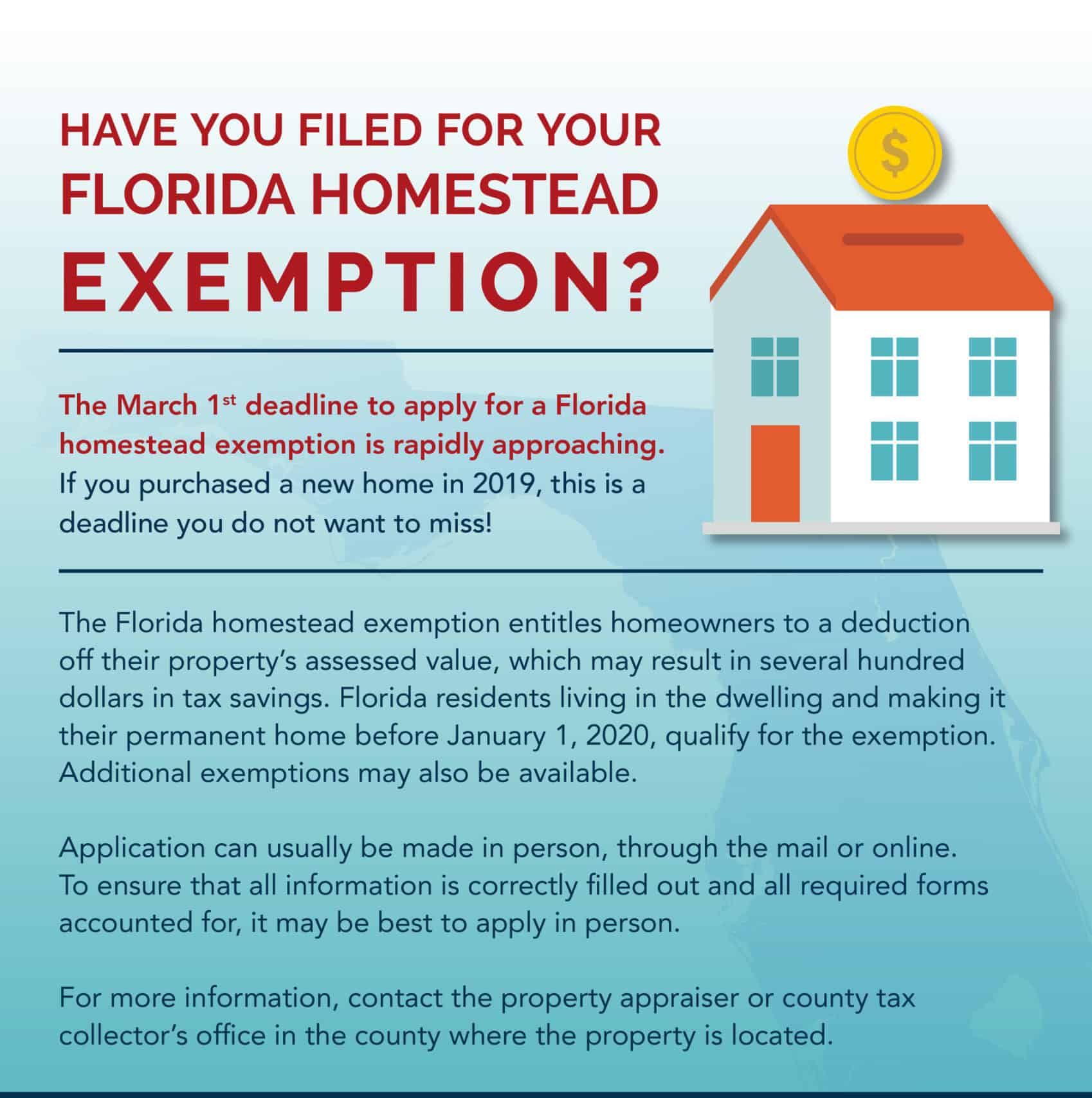
Before diving into the application process, it’s essential to understand what homestead entails in Florida and the significant benefits it offers. At its core, a homestead exemption in Florida is a legal provision that protects your primary residence from being sold to satisfy most types of creditors. It also provides a substantial reduction in your property taxes.
The Dual Benefits of Homestead Exemption
The homestead exemption in Florida offers two primary advantages:
-
Asset Protection: This is a cornerstone of Florida homestead law. It protects your home from forced sale by most creditors. For instance, if you incur significant debt, such as medical bills or personal loans, your homesteaded property is generally shielded from being seized to cover these debts. There are exceptions, of course, such as for mortgages on the property itself, property taxes, and some federal liens, but for many common debts, homestead provides a strong layer of protection. This protection is particularly appealing for individuals considering long-term stays or permanent residency in Florida, offering peace of mind alongside their investment in a villa or resort-style apartment.
-
Property Tax Reduction: This is the aspect most people associate with homestead. Florida law limits how much your property taxes can increase each year. For homesteaded properties, the assessed value can only increase by a maximum of 3% annually, or the percentage change in the Consumer Price Index (CPI), whichever is less. This cap is known as the “Save Our Homes” amendment. Non-homesteaded properties, on the other hand, can see their assessed value increase by up to 10% annually. Over time, this difference can lead to substantial savings on property tax bills, especially in areas with rapidly appreciating property values, such as near popular attractions like Walt Disney World Resort or along the coastlines of Miami. This makes it an attractive proposition for those looking at investment properties or permanent accommodations, whether in a luxury suite or a more modest villa.
Who Qualifies for Homestead Exemption?
To qualify for the homestead exemption in Florida, you must meet specific criteria:
-
Primary Residence: The property must be your permanent, primary residence. This means you must live in the home for the majority of the year. You cannot claim homestead on a vacation home, a rental property, or any other property that is not your principal dwelling. This is a critical distinction for individuals who might be considering a long-term stay at a resort or an apartment in a tourist-heavy city.
-
Ownership: You must own the property. This can be fee simple ownership, or in some cases, you can have beneficial ownership of a mobile home or a residential unit in a cooperative or condominium.
-
Occupancy: You must occupy the property as your primary residence on January 1st of the tax year for which you are applying. This means if you purchase a home late in the year, you’ll need to wait until the following January 1st to file for homestead.
-
Florida Residency: While not explicitly stated as a separate point, the primary residence requirement inherently establishes Florida residency. You cannot claim homestead in Florida if your primary residence is in another state.
Additional Homestead Exemptions in Florida
Beyond the basic homestead exemption, Florida offers several additional exemptions that can further reduce your tax burden if you qualify. These often cater to specific groups and situations:
- Disability Exemption: For property owners who are totally and permanently disabled.
- Widow(er) Exemption: For surviving spouses who have not remarried.
- First Responder Exemption: For honorably discharged veterans with service-connected disabilities, or for first responders (law enforcement, firefighters, EMTs) who are totally and permanently disabled.
- Senior Citizen Exemption: Available in some counties, often with income limitations.
- Veteran Exemptions: Various exemptions exist for veterans, including those with service-connected disabilities and older veterans.
These additional exemptions can be stacked with the basic homestead exemption, offering significant property tax relief. Understanding your eligibility for these can further enhance the financial benefits of owning a home in Florida, whether it’s a beachfront villa or a property in a lively city like Orlando.
The Application Process: Step-by-Step Guide
Applying for homestead exemption in Florida is a straightforward process, but it requires attention to detail and adherence to deadlines. The application is typically submitted to the Property Appraiser’s office in the county where your property is located.
Step 1: Gather Necessary Documentation
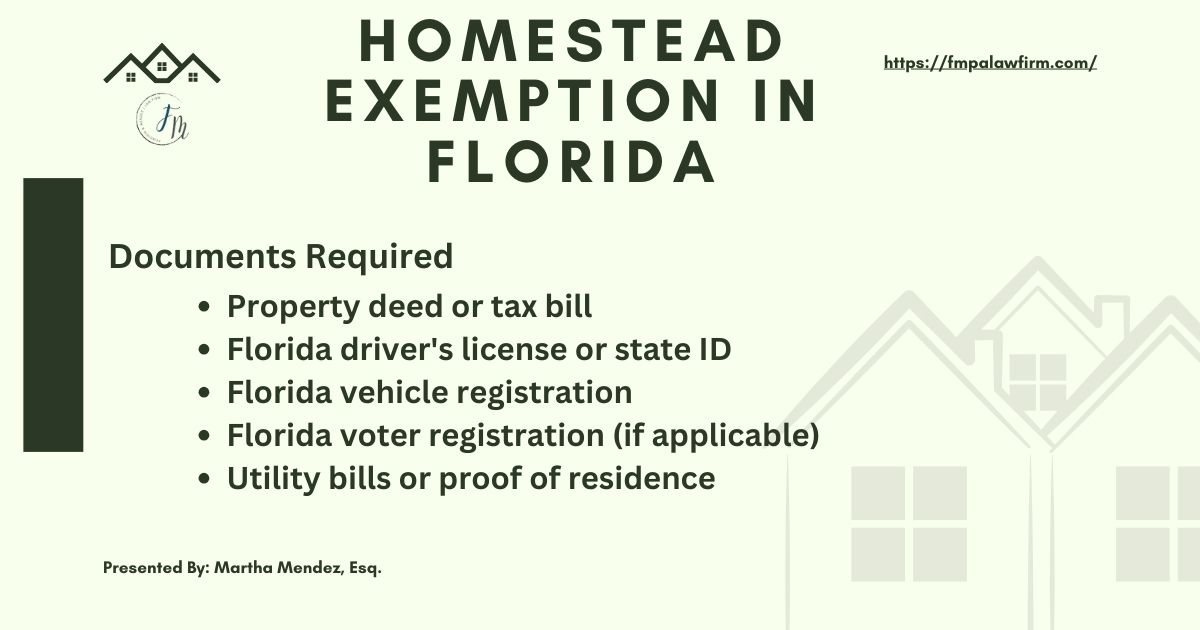
Before you begin, ensure you have all the required documents. This is crucial for a smooth and efficient application. The specific requirements can vary slightly by county, but generally, you will need:
- Proof of Ownership: This is usually your recorded deed.
- Social Security Number: You will need to provide the Social Security numbers for all owners applying for the exemption.
- Driver’s License or Florida ID Card: This serves as proof of residency. The address on your driver’s license or ID card should match the address of the homesteaded property.
- Vehicle Registration: Your vehicle registration with the homesteaded property address as your mailing address.
- Voter Registration: If you are registered to vote, your voter registration card showing the homesteaded property address.
- Social Security Benefits Statement (if applicable): For the widow(er) or disability exemptions.
- Letter of Determination for VA Benefits (if applicable): For veteran-related exemptions.
It’s always a good idea to check the website of your local county Property Appraiser for the most up-to-date and specific list of required documents. For example, if your property is in Miami-Dade County, you would visit the Miami-Dade County Property Appraiser website. If you’re looking at properties in the Orlando area, the Orange County Property Appraiser website would be your resource.
Step 2: Determine Your Filing Deadline
The deadline for filing for homestead exemption is March 1st of the tax year for which you wish to claim the exemption. This means if you purchased a property and moved in on January 15th, 2024, you must file your homestead application by March 1st, 2024, to receive the exemption for the 2024 tax year.
If you miss the March 1st deadline, you can still file for homestead exemption after that date, but it will apply to the following tax year. However, most county Property Appraisers allow you to file an application up until mid-summer (often June 30th) and still have it count for the current tax year. It’s best to file as soon as possible after establishing residency.
Step 3: Complete and Submit the Application
Applications for homestead exemption can typically be submitted in a few ways:
- Online: Many county Property Appraisers offer online application portals, which are often the quickest and most convenient method.
- In Person: You can visit the Property Appraiser’s office in your county to complete the application and speak with staff if you have any questions.
- By Mail: You can download the application form from the Property Appraiser’s website, complete it, and mail it to the office.
When completing the application, be sure to fill out all sections accurately and honestly. Misrepresentation can lead to penalties and the denial of your exemption. Pay close attention to questions regarding your primary residence, ownership, and occupancy dates.
Step 4: Property Appraiser Review and Approval
Once you submit your application, the Property Appraiser’s office will review it to ensure you meet all the eligibility requirements. They may contact you if they need further clarification or additional documentation.
If your application is approved, you will receive confirmation, and the homestead exemption will be reflected on your subsequent property tax bill. If, for any reason, your application is denied, the Property Appraiser’s office will notify you of the reason for denial and the process for appealing the decision.
Maintaining Your Homestead Exemption
Securing your homestead exemption is a significant achievement, but it’s important to understand that it’s not a one-time application. You must maintain your eligibility to continue receiving the benefits.
When to Reapply or Update Your Information
- Moving: If you move out of your homesteaded property and establish a new primary residence elsewhere in Florida, you must notify the Property Appraiser’s office. You will no longer be eligible for homestead on the old property and may be eligible for homestead on your new residence.
- Change in Ownership: If there is a change in ownership of the property (e.g., adding a spouse to the deed, or if a life estate is involved), you may need to reapply or update your information with the Property Appraiser’s office.
- Divorce or Death of Spouse: In cases of divorce or the death of a spouse, the surviving or remaining spouse who continues to reside in the home may need to reapply or provide updated documentation to maintain the homestead exemption.
- Rental of Property: If you rent out your homesteaded property for an extended period, you may lose your homestead status. Florida law generally allows for temporary absence, but long-term rental situations can jeopardize the exemption.
The “Save Our Homes” benefit, which caps annual increases in assessed value, transfers to a new homesteaded property if you move within Florida and own both properties concurrently. However, you can only claim homestead on one property at a time.

Avoiding Common Pitfalls
- Claiming Multiple Homesteads: You can only claim homestead exemption on your one primary residence. Attempting to claim homestead on multiple properties is illegal and can result in penalties, including back taxes and interest.
- Misrepresenting Residency: Honesty is crucial. Do not claim homestead on a property that is not your primary residence. This applies to vacation homes, rental properties, or even if you spend significant time at a second residence, such as a condo in Fort Lauderdale or a villa in the Florida Keys.
- Forgetting Deadlines: The March 1st deadline is firm. While late filings might be possible for the following year, it’s best to avoid delays.
By staying informed and proactively managing your homestead status, you can continue to enjoy the significant property tax savings and asset protection that Florida homestead offers. This is especially relevant for those who have invested in Florida real estate, whether for a permanent home, a winter retreat, or a vacation rental property managed through services like those found near Tampa.
Applying for homestead in Florida is a vital step for any homeowner looking to maximize their financial benefits and secure their property. By understanding the qualifications, following the outlined steps, and remaining diligent in maintaining your status, you can effectively leverage this powerful exemption. This process, while seemingly administrative, unlocks tangible financial relief and peace of mind, allowing you to fully enjoy your life and investments in the beautiful state of Florida, from the bustling streets of Jacksonville to the serene beaches of the Gulf Coast.
LifeOutOfTheBox is a participant in the Amazon Services LLC Associates Program, an affiliate advertising program designed to provide a means for sites to earn advertising fees by advertising and linking to Amazon.com. Amazon, the Amazon logo, AmazonSupply, and the AmazonSupply logo are trademarks of Amazon.com, Inc. or its affiliates. As an Amazon Associate we earn affiliate commissions from qualifying purchases.