
The call of a challenging, essential, and often lucrative career path can be strong, and for many in the Sunshine State, becoming a lineman in Florida presents just such an opportunity. Linemen are the backbone of our modern infrastructure, responsible for installing, maintaining, and repairing the vital electrical power lines that keep our homes, businesses, and communities illuminated and connected. This demanding yet rewarding profession requires a unique blend of physical stamina, technical skill, and a commitment to safety. If you’re considering a career that offers stability, a chance to contribute directly to society, and the satisfaction of a job well done, then understanding the pathway to becoming a lineman in Florida is your first crucial step.
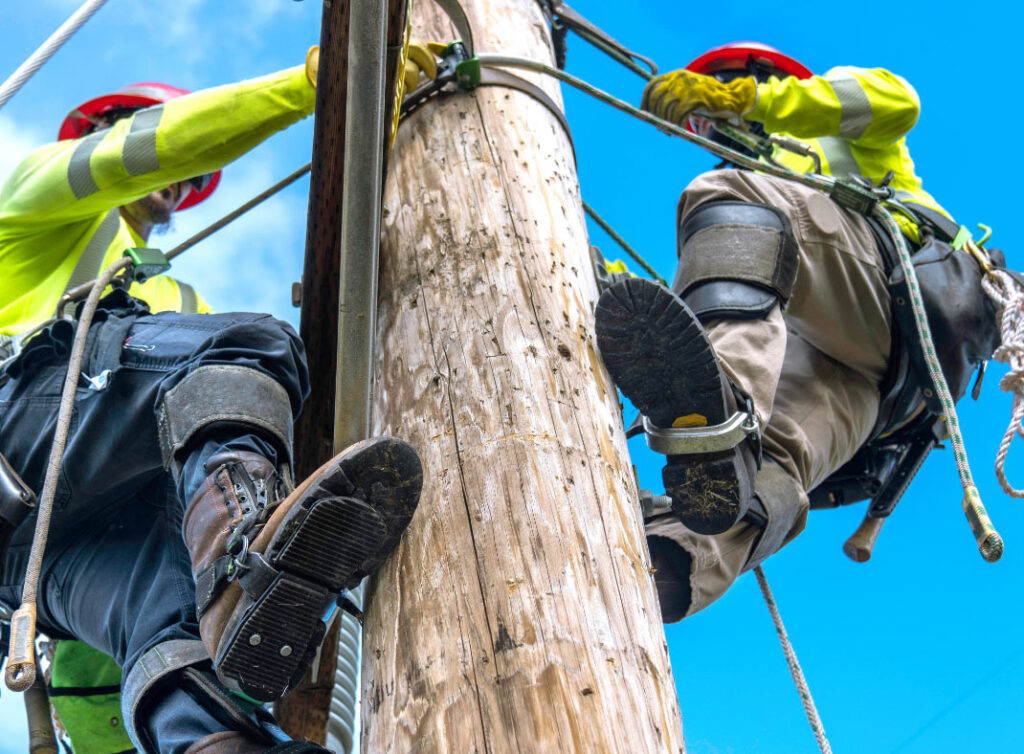
Florida’s growing population and expanding economy necessitate a robust and reliable power grid. This creates a consistent demand for skilled linemen, making it an attractive career choice for individuals seeking meaningful employment. The journey from aspiring candidate to qualified professional involves dedicated training, rigorous certification, and practical experience. This guide will navigate you through the essential steps, outlining the requirements, training options, and career outlook for linemen in the state.
The Foundation: Requirements and Qualifications for Florida Linemen
Embarking on a career as a lineman in Florida begins with meeting specific foundational requirements. These criteria are designed to ensure that individuals entering this physically demanding and safety-critical profession possess the necessary attributes and aptitude. Understanding these prerequisites upfront will allow you to gauge your readiness and prepare accordingly.
Age and Educational Background
While specific requirements can vary slightly between employers and training programs, most aspiring linemen in Florida must meet a minimum age of 18. This is a standard requirement due to the nature of the work and the legal age for entering into employment contracts and training agreements.
Furthermore, a high school diploma or a GED (General Educational Development) certificate is almost universally required. This demonstrates a baseline level of education and the ability to comprehend technical information, follow instructions, and engage in theoretical learning. Strong performance in subjects like mathematics and physics can be particularly beneficial, as these disciplines underpin many of the technical aspects of electrical systems.
Physical and Mental Aptitude
The role of a lineman is physically demanding. Individuals must be in excellent physical condition, possessing the strength and stamina to climb utility poles, work at significant heights, lift heavy equipment, and endure various weather conditions, from the sweltering heat of a Florida summer to the occasional chill of a winter day. Excellent hand-eye coordination, good vision, and the ability to maintain balance are also critical for safe and effective work.
Beyond physical capabilities, mental fortitude is equally important. Linemen often work under pressure, sometimes in emergency situations where quick and decisive action is required. The ability to remain calm, focused, and resourceful in stressful environments is paramount. A strong understanding of and commitment to safety protocols is non-negotiable, as the work inherently carries risks. Drug and alcohol-free status is a strict requirement for all utility workers.
Driver’s License and Background Check
A valid Florida driver’s license is typically a mandatory requirement, as linemen frequently travel to various work sites. The ability to operate a vehicle safely is essential for daily operations and emergency response.
Prospective linemen will also undergo a thorough background check. This is standard practice for positions involving critical infrastructure and public safety. Employers look for a clean criminal record and a history that demonstrates reliability and trustworthiness.
Pathways to Professionalism: Training and Certification Programs
Once you’ve established that you meet the fundamental requirements, the next crucial step is acquiring the specialized knowledge and skills necessary to become a qualified lineman. Florida offers several avenues for obtaining this training, each with its own advantages.
Apprenticeship Programs
Apprenticeship programs are widely considered the gold standard for becoming a lineman. These structured training initiatives combine on-the-job experience with classroom instruction, providing a comprehensive learning experience. Apprentices are typically paid a wage while they train, and their earnings increase as they progress through the program.

In Florida, opportunities for lineman apprenticeships can be found through:
- Union Apprenticeships: Organizations like the International Brotherhood of Electrical Workers (IBEW) often sponsor highly respected apprenticeship programs. These programs are known for their rigorous training standards and strong job placement rates. The IBEW is a significant entity in the electrical trades.
- Utility Company Apprenticeships: Many electric utility companies in Florida, such as Florida Power & Light (FPL) or Duke Energy Florida, offer their own in-house apprenticeship programs. These programs are excellent as they often lead to direct employment with the sponsoring company.
- Independent Training Centers: While less common than union or utility programs, some private technical schools and training centers in Florida offer lineman-specific apprenticeships or pre-apprenticeship courses that can help prepare you for entry into these more competitive programs.
Apprenticeships typically last from three to five years and cover a wide range of topics, including electrical theory, safety procedures, pole climbing, equipment operation, troubleshooting, and the installation and maintenance of power lines and associated equipment.
Vocational Schools and Technical Colleges
For those who prefer a more structured academic environment before entering an apprenticeship or seeking entry-level positions, vocational schools and technical colleges in Florida offer lineman training programs. These programs provide a solid theoretical foundation and introduce students to essential practical skills.
Institutions like Valencia College or Daytona State College may offer relevant coursework or certificate programs that can serve as a stepping stone to an apprenticeship or a direct hire role. While these programs don’t typically replace a full apprenticeship, they can significantly enhance a candidate’s competitiveness.
Key areas of study in these programs often include:
- Basic Electrical Principles
- AC/DC Theory
- Blueprint Reading
- Safety Regulations (OSHA standards)
- Basic Climbing Techniques
- Tool and Equipment Familiarization
Graduating from a reputable vocational program can provide a competitive edge when applying for apprenticeships, demonstrating a commitment to the trade and a foundational understanding of the principles involved.
The Professional Journey: Beyond Training and Into Your Career
Upon successful completion of an apprenticeship or a recognized training program, you will be on your way to a fulfilling career as a lineman in Florida. However, the learning and development process in this dynamic field is ongoing.
Certification and Licensing
While Florida does not have a specific state-issued lineman license requirement in the same way some other trades do, many employers and apprenticeship programs mandate specific certifications. The most sought-after certifications often come from recognized industry bodies.
- Journeyman Lineman Certification: This is a significant milestone, typically achieved after completing an apprenticeship. It signifies that an individual has met the required hours of training and experience and has passed a comprehensive exam.
- OSHA 10 or OSHA 30 Certification: Training in Occupational Safety and Health Administration (OSHA) standards is crucial for all workers in hazardous environments, including linemen. Completing these courses demonstrates a commitment to workplace safety.
- Certifications from organizations like NCCER (National Center for Construction Education and Research): NCCER offers standardized training and certification programs for various construction and skilled trades, including linemen. Having NCCER credentials can be highly advantageous.
These certifications validate your skills and knowledge, making you a more attractive candidate to potential employers across the state, from the Panhandle to South Florida.

Career Progression and Specialization
The career path for a lineman is not static. With experience, dedication, and further training, opportunities for advancement and specialization emerge.
- Journeyman Lineman: This is the standard qualified professional level.
- Lead Lineman or Foreman: With proven leadership skills and extensive experience, linemen can advance to supervisory roles, overseeing crews and projects.
- Troubleshooter: Highly skilled linemen may specialize in diagnosing and resolving complex electrical issues.
- Substation Technician: This role involves working on high-voltage substations, a critical component of the power distribution system.
- Underground Lineman: While many associate linemen with overhead lines, there’s also a demand for specialists in underground electrical systems, common in many urban and developing areas of Florida.
The demand for skilled linemen in Florida, driven by infrastructure development, maintenance needs, and the transition to renewable energy sources, ensures a robust job market for years to come. Exploring opportunities in various regions, from the bustling metropolitan areas of Miami and Orlando to the coastal communities, can reveal diverse career prospects. The work is challenging, but the rewards, both in terms of compensation and the satisfaction of keeping the lights on, are substantial. Your journey to becoming a lineman in Florida is an investment in a stable and impactful career.
LifeOutOfTheBox is a participant in the Amazon Services LLC Associates Program, an affiliate advertising program designed to provide a means for sites to earn advertising fees by advertising and linking to Amazon.com. Amazon, the Amazon logo, AmazonSupply, and the AmazonSupply logo are trademarks of Amazon.com, Inc. or its affiliates. As an Amazon Associate we earn affiliate commissions from qualifying purchases.