
Navigating the complexities of breaking a lease in Florida can be a daunting task, especially when unforeseen circumstances arise. Whether your travel plans take an unexpected turn, your business necessitates a relocation, or your lifestyle needs shift, understanding your legal rights and obligations as a tenant is paramount. This guide aims to demystify the process, offering practical advice and insights relevant to various travel and accommodation scenarios, all within the context of Florida law.
The notion of breaking a lease often conjures images of hefty penalties and legal battles. However, Florida statutes, like those in many other states, recognize that life is unpredictable. From spontaneous resort stays in Miami to long-term accommodation in Orlando for a business venture, your housing situation can change as rapidly as your travel itinerary. This article will delve into the legitimate reasons for terminating a lease early, the proper procedures to follow, and strategies to minimize potential financial repercussions, ensuring your transition is as smooth as possible, whether you’re heading for a luxury escape or a budget-friendly adventure.

Understanding Your Lease Agreement and Tenant Rights in Florida
The cornerstone of any discussion about breaking a lease lies within the lease agreement itself. This legally binding document outlines the terms and conditions of your tenancy, including the duration of the lease, rent obligations, and any specific clauses related to early termination. Before you even consider breaking your lease, a thorough review of your agreement is essential. Look for provisions that address early termination, subletting, or assignment of the lease. Sometimes, a well-drafted lease might offer some flexibility or outline a specific process for ending your tenancy prematurely.
In Florida, landlord-tenant laws are governed by Chapter 83 of the Florida Statutes. These laws provide a framework for the rights and responsibilities of both parties. While a lease is a contractual agreement, tenants in Florida do have certain protections. These protections are crucial to understand when facing a situation where you need to leave your rental property before the lease term expires.
Legitimate Reasons for Breaking a Lease in Florida
While a change of heart or a desire for a more spontaneous travel experience isn’t typically a valid legal reason to break a lease, Florida law does recognize specific circumstances that allow for early termination without penalty. These often fall into categories that prioritize tenant safety and well-being, or address situations where the landlord has failed to uphold their end of the agreement.
One of the most common and legally sound reasons to break a lease is if the landlord fails to maintain the property in a habitable condition. This includes issues such as a lack of essential services like running water, heat, or electricity, significant pest infestations, or structural problems that pose a health or safety risk. If a landlord neglects their duty to provide a safe and livable environment, a tenant may have grounds to terminate the lease. It’s crucial to follow the proper notification procedures, usually involving written notice to the landlord detailing the issues and providing a reasonable timeframe for repairs. If the landlord fails to make the necessary repairs, then the tenant may be able to terminate the lease.
Another critical reason relates to domestic violence, sexual assault, or stalking. Florida law offers specific protections for victims of these crimes, allowing them to terminate their lease early if they can provide appropriate documentation, such as a restraining order or a police report. This provision is designed to help individuals escape dangerous living situations and seek safety.
Furthermore, active military duty can be a valid reason for breaking a lease. Under federal law, service members who receive permanent change of station orders or deployment orders may be able to terminate their lease. Florida law also aligns with these federal protections, providing relief for those serving the country.
A significant change in employment that results in the tenant being unable to pay rent is often considered by courts, though it’s not always an automatic right to break a lease without consequence. If you are relocating for a job and can demonstrate financial hardship directly related to this move, it might be a factor in negotiating with your landlord or arguing your case in court, especially if the landlord is able to re-rent the property quickly.
Finally, if the landlord harasses the tenant, enters the property without proper notice, or violates the tenant’s right to privacy, these actions can also constitute grounds for lease termination. Documenting all such incidents thoroughly is key to building a case.
The Legal Process: Notifying Your Landlord and Mitigating Damages
Once you’ve identified a legally permissible reason to break your lease, the next crucial step is to understand and follow the correct legal process. This process is designed to protect both the tenant and the landlord and can significantly influence the outcome of your early termination.
Proper Notification and Documentation
The most critical aspect of breaking a lease is providing your landlord with proper written notice. The notice period required can vary depending on your lease agreement and Florida law, but it’s typically 30 days. This notice should clearly state your intention to vacate the premises, the date you will be moving out, and the reason for your early termination. For situations involving a landlord’s failure to maintain the property, your notice should also detail the specific issues and the attempts you’ve made to resolve them.
It is imperative to send this notice via certified mail with a return receipt requested. This provides irrefutable proof that the landlord received your notification and the date it was received. Keep copies of all correspondence, including emails, letters, and any repair requests you’ve submitted. This documentation is your best defense if any disputes arise later.
Mitigating Damages: The Landlord’s Duty to Re-Rent
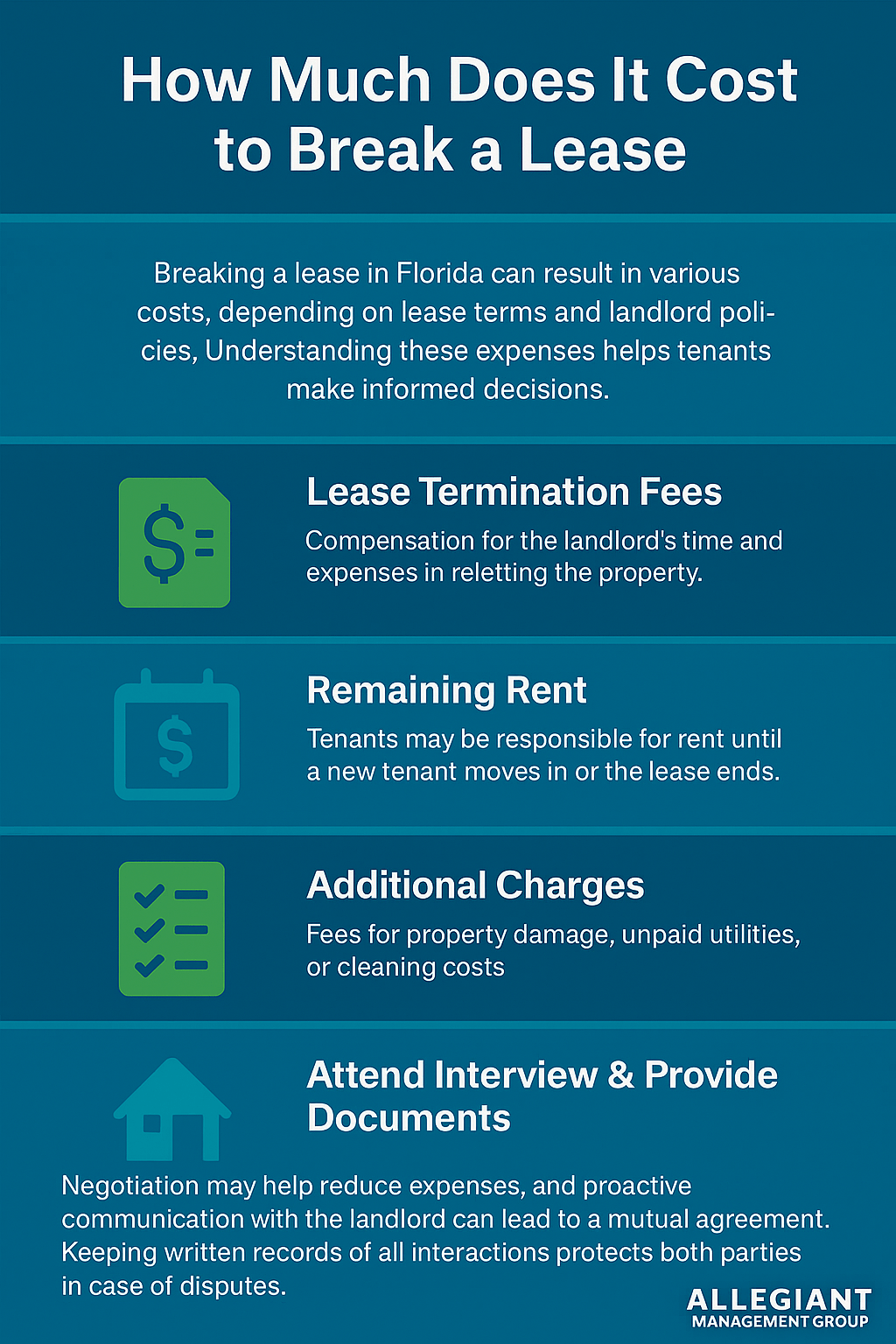
In Florida, landlords have a legal obligation to mitigate damages when a tenant breaks a lease. This means that once you vacate the property, the landlord cannot simply let the unit sit vacant and charge you for the remainder of the lease term. Instead, they must make reasonable efforts to find a new tenant. This includes advertising the property, showing it to prospective renters, and generally acting as they would if the unit had become vacant at the end of a lease term.
As a tenant, you can actively assist in this mitigation process. Offering to help find a suitable replacement tenant, allowing showings of the property, and maintaining the unit in good condition can demonstrate your good faith and willingness to minimize the landlord’s financial losses. In some cases, if the landlord is able to re-rent the property quickly, you may only be responsible for the rent owed until a new tenant moves in, or for a portion of the rent during the period the unit was vacant.
If the landlord fails to make reasonable efforts to re-rent the property, you may not be liable for the rent for the entire remainder of the lease term. This is where thorough documentation of your efforts and the landlord’s lack thereof becomes invaluable.
Seeking Legal Counsel and Alternative Solutions
While this guide provides a comprehensive overview, breaking a lease can still involve intricate legal nuances. If you find yourself in a complex situation or if your landlord is being uncooperative, seeking professional legal advice is highly recommended.
When to Consult an Attorney
An experienced Florida landlord-tenant attorney can provide personalized guidance based on your specific lease agreement and circumstances. They can help you understand your rights, review your lease for any loopholes or ambiguities, and advise you on the best course of action. If your landlord threatens legal action or if you believe your rights have been violated, an attorney can represent you in negotiations or in court.
Attorneys are particularly helpful in cases where the landlord is attempting to charge exorbitant fees for early termination, is refusing to make necessary repairs, or is engaging in retaliatory behavior. They can also help ensure that all legal procedures are followed correctly, minimizing the risk of future legal complications.

Exploring Negotiation and Alternative Dispute Resolution
Before resorting to legal action, consider exploring negotiation with your landlord. A frank and respectful conversation, backed by clear documentation and a proposed solution, can often lead to a mutually agreeable outcome. You might offer to pay a pre-determined fee to break the lease, or agree to a slightly longer notice period in exchange for waiving other penalties.
Alternative dispute resolution (ADR) methods, such as mediation, can also be effective. A neutral third-party mediator can help facilitate a conversation between you and your landlord, guiding you towards a resolution without the formality and expense of a courtroom. This can be particularly beneficial for resolving disputes over rent, repairs, or early termination fees.
Ultimately, breaking a lease in Florida is a process that requires careful planning, thorough documentation, and a clear understanding of your rights and obligations. By familiarizing yourself with Florida statutes, meticulously reviewing your lease, and approaching the situation strategically, you can navigate this challenge effectively and move forward with your life, whether that involves exploring new destinations, enjoying a luxurious resort experience, or settling into a new long-term accommodation.
LifeOutOfTheBox is a participant in the Amazon Services LLC Associates Program, an affiliate advertising program designed to provide a means for sites to earn advertising fees by advertising and linking to Amazon.com. Amazon, the Amazon logo, AmazonSupply, and the AmazonSupply logo are trademarks of Amazon.com, Inc. or its affiliates. As an Amazon Associate we earn affiliate commissions from qualifying purchases.