
Navigating the nuances of driving in a new state can sometimes feel like deciphering a cryptic map. For those who call the Sunshine State home, or for those planning an extended stay, understanding the Florida traffic point system is crucial. While the title “How To Check Points On Florida License” might initially suggest a direct inquiry about license points, this article aims to provide a comprehensive guide to understanding and managing your driving record in Florida, encompassing everything from the accumulation of points to how they can impact your travel plans, accommodation choices, and overall lifestyle within the state.
The primary concern for any driver is maintaining a clean driving record. In Florida, this translates to understanding how traffic violations translate into points. These points are not merely abstract numbers; they have tangible consequences, including increased insurance premiums, potential license suspension, and a heightened awareness of your driving habits. This guide will delve into the mechanics of the Florida point system, offering clarity and practical advice for drivers of all types, from those enjoying a luxurious lifestyle to budget-conscious travelers exploring the state’s myriad attractions.
Understanding the Florida Point System: More Than Just Violations
The Florida Department of Highway Safety and Motor Vehicles (FLHSMV) is the governing body that oversees driver licensing and the associated point system. This system is designed to penalize unsafe driving behaviors and encourage responsible road conduct. It’s important to note that not every traffic infraction results in points. Minor violations, such as expired registration, may incur fines but do not add points to your license. However, most moving violations, such as speeding, running a red light, or improper lane changes, will result in points being assessed.
How Points Are Assessed
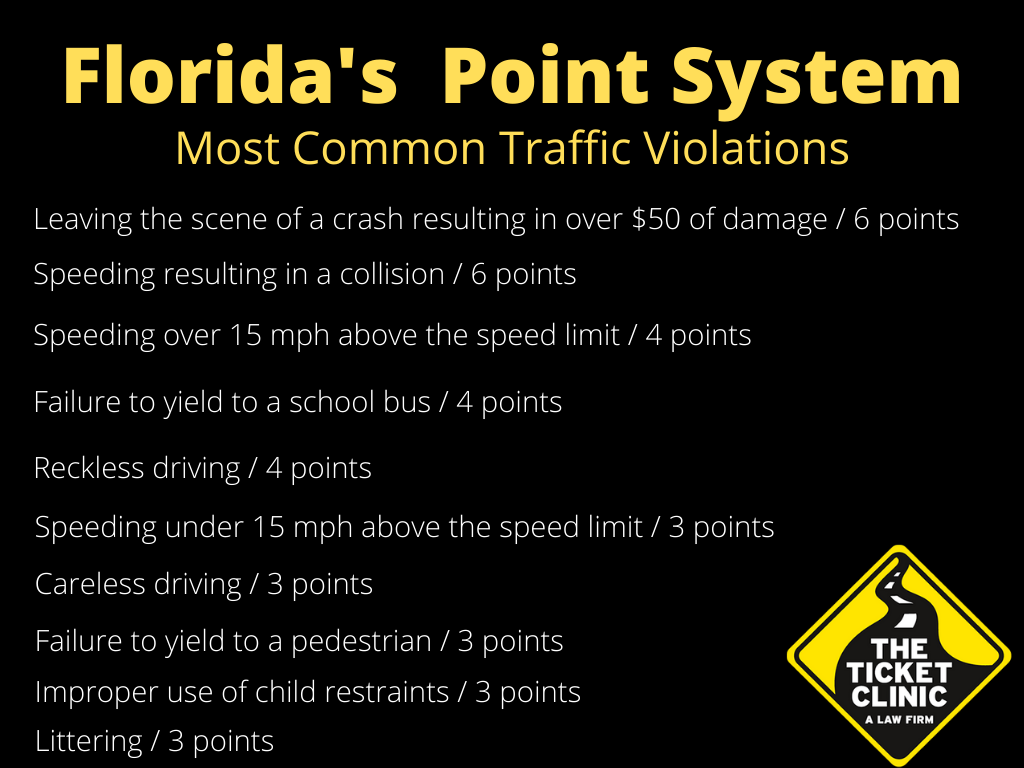
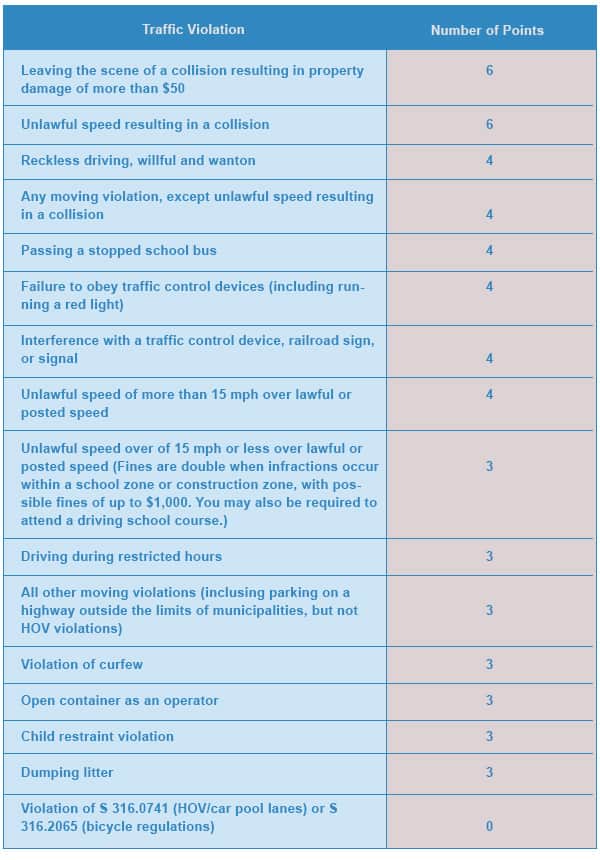
The number of points assigned to a violation varies depending on its severity. For instance, a simple speeding ticket might carry a certain number of points, while more serious offenses, like passing a stopped school bus or reckless driving, will accrue a significantly higher point total.
- Speeding: The point value for speeding tickets in Florida typically ranges from 3 to 6 points, depending on how far over the posted speed limit you were driving.
- Running Red Lights/Stop Signs: These violations usually result in 4 points.
- Improper Lane Changes/Passing: These offenses can also lead to 3 or 4 points.
- Reckless Driving: This is a more serious offense and can result in 6 points.
- DUI/DWI: While not always assigned a point value directly, a conviction for Driving Under the Influence (DUI) in Florida can lead to license suspension and significant legal penalties, effectively overshadowing the point system.
It’s crucial to remember that these are general guidelines, and the specific points assessed can depend on the exact nature of the offense and the discretion of the issuing officer. Accumulating too many points within a specific timeframe can trigger serious consequences for your driving privileges.
Consequences of Accumulated Points
The Florida point system is structured to discourage repeat offenders. If you accumulate a certain number of points within a 12-month period, your driver’s license can be suspended.
- 12 points within 12 months: This can result in a 30-day license suspension.
- 18 points within 18 months: This can lead to a 90-day license suspension.
- 24 points within 36 months: This can result in a 180-day license suspension.
Beyond these mandatory suspensions, accumulated points can also lead to other significant repercussions. The most immediate and widespread impact is on your auto insurance premiums. Insurance companies use your driving record as a primary factor in determining your rates. A history of traffic violations and accumulated points will almost certainly lead to higher insurance costs, impacting your budget for lifestyle choices, including travel and leisure activities. For those who frequently embark on road trips across Florida, exploring destinations like Everglades National Park or enjoying the vibrant nightlife of Miami, a suspended license or exorbitant insurance rates can severely hinder these experiences.
How to Access Your Florida Driving Record and Point Status
The good news is that checking your driving record and understanding your point status is a straightforward process. The FLHSMV provides several convenient ways to access this information, allowing you to stay informed and take proactive steps to manage your record.
Online Access
The most convenient method for checking your Florida license points is through the FLHSMV website. You can request a copy of your driving record online, which will detail all traffic violations, convictions, and any accumulated points.
- Visit the FLHSMV Website: Navigate to the official Florida Department of Highway Safety and Motor Vehicles website.
- Locate the Driver’s Record Section: Look for options related to “Driver Records” or “Driving History.”
- Order Your Record: Follow the prompts to order your driving record. You will typically need to provide personal information such as your driver’s license number, date of birth, and your Social Security number for verification. There is usually a fee associated with obtaining an official copy of your driving record.
This online method provides a comprehensive overview of your driving history, including any points that have been assessed. It’s an essential tool for anyone planning a significant trip, such as driving from Orlando to the Florida Keys, or for those considering a long-term stay in cities like Tampa or Jacksonville.
Mail or In-Person Requests
While online access is the most common and efficient, you can also request your driving record by mail or in person at a local Tax Collector’s office or a FLHSMV driver license service center.
- By Mail: You will need to download a request form from the FLHSMV website, fill it out completely, and mail it with the required fee to the specified address.
- In Person: Visit an authorized service center. You will likely need to present a valid form of identification and pay the required fee.
These methods might take longer than the online request but are viable alternatives if you prefer not to use online services or require a hard copy for specific purposes. This is particularly relevant for individuals who might be less tech-savvy or for those who are managing accommodation bookings in places like Clearwater or exploring unique stays like vacation rentals in St. Augustine and want to ensure their driving record is in order.
Mitigating Points and Maintaining a Clean Record
Once you understand how points are assessed and how to check them, the next logical step is to consider strategies for mitigating them and maintaining a clean driving record. This proactive approach can save you significant money on insurance and prevent the inconvenience of license suspension, allowing you to fully enjoy all that Florida has to offer, from its world-class theme parks like Walt Disney World Resort to its serene beaches.
Defensive Driving Courses
Florida offers a valuable option for drivers to reduce points from their record: completing an approved defensive driving course.
- Point Reduction: In many cases, successfully completing a certified defensive driving course can remove up to 4 points from your driving record. This is a fantastic way to address minor infractions and prevent a significant point accumulation that could lead to license suspension.
- Insurance Discounts: Many auto insurance providers in Florida offer discounts on premiums for drivers who have completed a defensive driving course. This dual benefit—point reduction and potential cost savings—makes this option highly attractive.
- Eligibility: There are certain limitations on how often you can use a defensive driving course to reduce points. Generally, you can only use this option once every five years to keep points off your record from a traffic ticket. However, you can take a course more frequently for an insurance discount.
Enrolling in a defensive driving course is an investment in your driving future. It not only helps you stay compliant with Florida’s laws but also makes you a safer, more aware driver, which is essential whether you’re navigating the busy highways of South Florida or taking a leisurely drive along the scenic A1A highway.
Contesting Tickets
If you believe a traffic ticket was issued in error or unfairly, you have the right to contest it. This process usually involves going to traffic court to present your case.
- Gather Evidence: If you plan to contest a ticket, gather all relevant evidence. This could include dashcam footage, witness statements, or photographic evidence of the scene.
- Understand the Process: Familiarize yourself with the traffic court procedures in the county where the ticket was issued.
- Legal Counsel: For more serious offenses or complex cases, consulting with a traffic attorney can be beneficial. They can advise you on the best course of action and represent you in court.
Contesting a ticket successfully can mean avoiding points altogether, which is the most effective way to manage your driving record. This is particularly important if the violation carries a high point value or could significantly impact your insurance rates, affecting your ability to afford luxury accommodations in Naples or budget-friendly stays near Key West.

Responsible Driving Habits
Ultimately, the best way to manage your driving record is to practice responsible driving habits. This includes adhering to speed limits, avoiding distractions like mobile phones, never driving under the influence of alcohol or drugs, and being courteous to other drivers.
- Patience: When exploring Florida, whether it’s the historical charm of St. Augustine or the natural beauty of Sanibel Island, remember that many roads can be congested. Patience is key.
- Awareness: Be aware of your surroundings and the specific driving conditions. Florida weather can change rapidly, impacting visibility and road conditions.
- Regular Checks: Make it a habit to check your driving record periodically, even if you haven’t received any tickets. This helps you stay on top of any potential errors or unexpected issues.
Maintaining a clean driving record is fundamental to enjoying all aspects of life in Florida. It ensures your freedom to travel, explore new destinations, and engage in the diverse range of activities the state offers without the worry of legal or financial penalties. Whether you’re planning a family trip to Clearwater Beach, a business stay in Fort Lauderdale, or a leisurely exploration of the many Florida landmarks, a clean license is your ticket to hassle-free enjoyment.
By understanding the Florida point system, knowing how to check your record, and actively taking steps to maintain a clean driving history, you can ensure your adventures in the Sunshine State are as smooth and enjoyable as possible. This focus on responsible driving not only benefits you but also contributes to safer roads for everyone.
LifeOutOfTheBox is a participant in the Amazon Services LLC Associates Program, an affiliate advertising program designed to provide a means for sites to earn advertising fees by advertising and linking to Amazon.com. Amazon, the Amazon logo, AmazonSupply, and the AmazonSupply logo are trademarks of Amazon.com, Inc. or its affiliates. As an Amazon Associate we earn affiliate commissions from qualifying purchases.