
Navigating the complexities of healthcare access can feel daunting, especially when it comes to applying for vital programs like Medicaid. For residents of the Sunshine State, understanding the process for filing for Medicaid in Florida is crucial for ensuring access to necessary medical services. While the primary focus of lifeoutofthebox.com is on enriching travel and lifestyle experiences, we understand that a secure foundation in health and well-being is paramount to truly enjoying those adventures. Therefore, this guide aims to demystify the Florida Medicaid application process, breaking it down into clear, actionable steps.
Understanding Medicaid Eligibility in Florida
Before diving into the application mechanics, it’s essential to grasp who qualifies for Medicaid in Florida. Medicaid is a joint federal and state program that provides health coverage to eligible low-income individuals, families, children, pregnant women, elderly adults, and people with disabilities. Eligibility in Florida is determined by several factors, including income, household size, age, disability status, and citizenship or immigration status.
It’s important to note that Florida’s Medicaid program has specific eligibility requirements that may differ from other states. For instance, the state has not expanded Medicaid under the Affordable Care Act, meaning that coverage for childless adults without disabilities is generally not available. This makes understanding the nuances of your specific situation even more critical.
Key Eligibility Categories
Florida’s Medicaid program generally covers individuals falling into the following categories:
- Children: Children up to 18 years old in families with incomes below a certain percentage of the Federal Poverty Level. This includes programs like Florida Healthy Kids, which offers subsidized health insurance for children.
- Pregnant Women: Pregnant women with incomes below specific thresholds are eligible for comprehensive prenatal and postpartum care.
- Elderly Adults (65 and older): Seniors who meet income and asset limitations, often requiring assistance with long-term care services.
- Individuals with Disabilities: People who have a disability and meet income and asset limits can qualify for medical assistance. This may include individuals receiving Supplemental Security Income (SSI).
- Parents and Caretakers of Minor Children: Families with dependent children where one parent is unemployed or underemployed, and the family income falls within the eligibility limits.
Income and Asset Limits
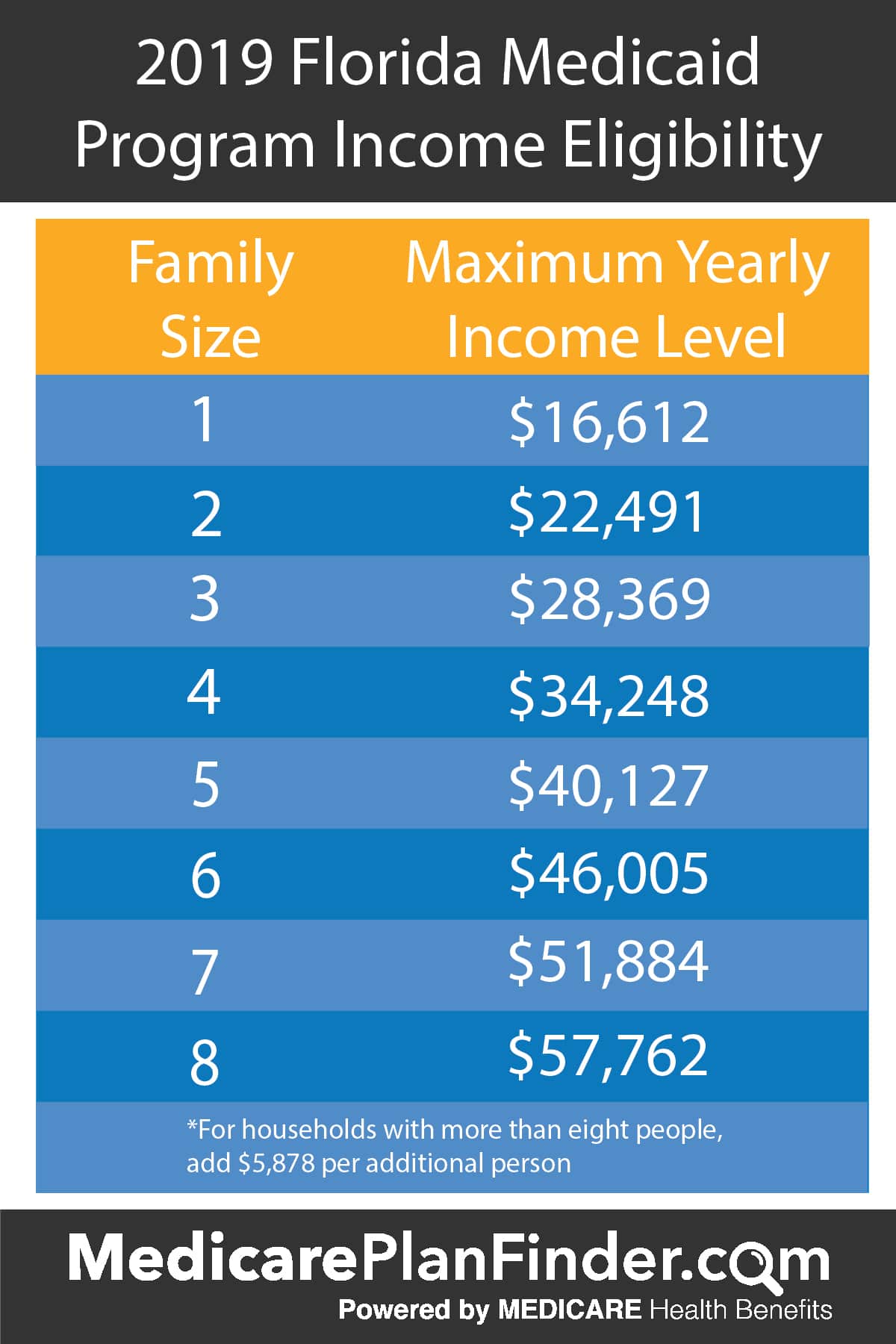
The most significant factor for many applicants is the income and asset limit. These limits are subject to change annually, so it’s vital to consult the most up-to-date figures from the Florida Department of Children and Families (DCF) or the Agency for Health Care Administration (AHCA). In general, the lower your household income relative to the Federal Poverty Level, the more likely you are to qualify. For certain categories, like the elderly or disabled requiring long-term care, asset limits also play a role, referring to the value of possessions beyond what is considered essential.
Steps to Filing Your Florida Medicaid Application
Once you’ve determined that you likely meet the eligibility criteria, the next step is to initiate the application process. The primary entity responsible for processing Medicaid applications in Florida is the Department of Children and Families (DCF). You can apply online, by mail, or in person.
Online Application Process
Applying online is often the fastest and most convenient method for many Floridians. The ACCESS Florida portal is the state’s gateway for applying for various public assistance programs, including Medicaid, Food Assistance, and Temporary Cash Assistance.
- Create an Account: Visit the ACCESS Florida website and create a secure online account. You will need to provide basic personal information to set up your login credentials.
- Complete the Application: Once logged in, you will be guided through a comprehensive application form. Be prepared to provide detailed information about yourself and all household members applying. This includes:
- Personal Information: Names, dates of birth, Social Security numbers, addresses.
- Income Information: Details about all sources of income for each household member, including wages, self-employment income, unemployment benefits, pensions, and any other monetary support. You will likely need to provide pay stubs, tax returns, or other proof of income.
- Household Information: Details about family structure, marital status, and any dependents.
- Asset Information: For certain eligibility groups, you will need to report assets such as bank accounts, stocks, bonds, and real estate (excluding your primary residence in most cases).
- Medical Information: Details about any disabilities or medical conditions, and information about health insurance coverage you or your household members may currently have.
- Citizenship/Immigration Status: Documentation proving your legal status in the United States.
- Submit and Upload Documents: After completing the application, you will be prompted to upload supporting documents. It is highly recommended to have digital copies of essential documents ready, such as:
- Proof of identity (e.g., driver’s license, state ID, passport)
- Proof of income (e.g., pay stubs, tax returns, unemployment benefit statements)
- Proof of residency (e.g., utility bills, lease agreement)
- Birth certificates for children
- Social Security cards
- Proof of disability (if applicable, such as a Social Security disability award letter)
- Proof of U.S. citizenship or immigration status
- Review and Submit: Carefully review all the information you have entered for accuracy. Once satisfied, submit your application. You will receive a confirmation number.
Application via Mail or In Person
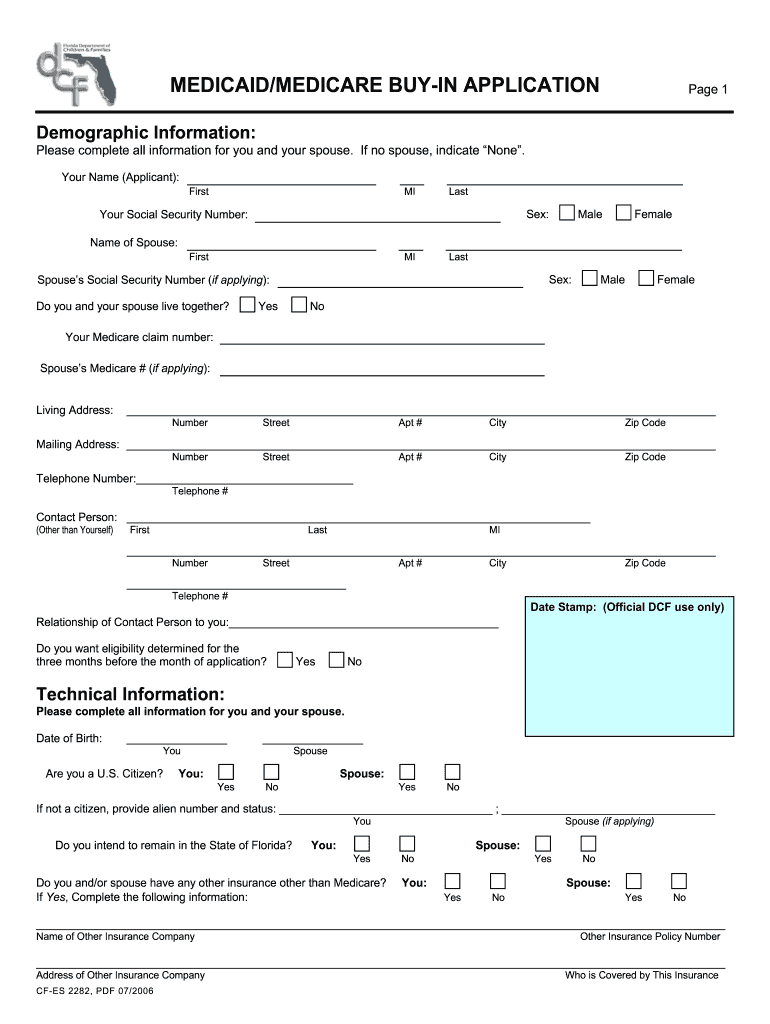
If you prefer to apply by mail or in person, you can download the application form from the DCF website or pick one up at a local DCF customer service center.
- By Mail: Complete the paper application and mail it along with copies of your supporting documents to the address provided on the form. It is advisable to send it via certified mail to ensure delivery.
- In Person: Visit your nearest DCF customer service center. A caseworker can assist you with the application process and answer any immediate questions you may have. You will need to bring all your supporting documents with you.
What Happens After You Apply?
Once your application is submitted, DCF will review it to determine your eligibility. This process can take time, and they may contact you for additional information or clarification. You will be notified of the decision by mail. If approved, you will receive information about your coverage, including your Medicaid identification number and how to select a health plan if applicable. If denied, the notice will explain the reasons for denial and outline your options for appeal.
Key Information and Tips for a Smooth Application
Applying for Medicaid can be a straightforward process if you are well-prepared. Here are some key tips to help ensure a smoother experience:
1. Gather All Necessary Documents in Advance
As mentioned, having all your supporting documents organized and readily available is paramount. Missing or incomplete documentation is one of the most common reasons for application delays or denials. Make photocopies or take clear digital photos of everything before you start your application.
2. Be Honest and Accurate
Provide truthful and accurate information on your application. Any discrepancies or misrepresentations can lead to denial, disqualification, or even penalties. If you are unsure about a question, it is better to seek clarification from DCF before answering.
3. Understand the Differences Between Medicaid Programs
Florida has various Medicaid programs, each with slightly different eligibility requirements and benefits. For example, benefits for children might differ from those for seniors needing long-term care. Familiarize yourself with the specific program you are applying for. If you are seeking long-term care services, the application process might involve additional assessments and specific forms, often managed in conjunction with AHCA.
4. Follow Up on Your Application
After submitting your application, it’s a good idea to follow up periodically to check on its status, especially if you haven’t heard back within the expected timeframe. You can usually do this through your ACCESS Florida online account or by contacting DCF directly.
5. Know Your Rights and Appeal Options
If your application is denied, you have the right to appeal the decision. The denial notice will provide instructions on how to request a fair hearing. It’s important to adhere to the deadlines specified for filing an appeal.

6. Seek Assistance if Needed
Applying for public assistance can be complex. If you find yourself struggling with the application or have specific questions about your eligibility, consider seeking help from:
- DCF Customer Service Centers: As mentioned, these centers offer in-person assistance.
- Navigators or Certified Application Counselors: These individuals are trained to help people apply for health coverage, including Medicaid, and can offer free assistance. You can often find them through community organizations or healthcare providers.
- Legal Aid Societies: For complex cases or if you are facing difficulties with the appeals process, legal aid organizations may be able to provide assistance.
By understanding the eligibility requirements, meticulously gathering your documentation, and following the outlined steps, residents of Florida can successfully navigate the process of filing for Medicaid and gain access to essential healthcare services. This ensures that individuals and families can focus on enjoying the vibrant experiences Florida offers, from exploring the beautiful beaches of the Florida Keys to discovering the rich culture of Miami or enjoying the family-friendly attractions in Orlando, knowing their health needs are met. A secure foundation in health allows for a truly carefree lifestyle, whether you are planning a luxury resort stay, a budget-friendly family trip, or a long-term accommodation in a charming Florida villa.
LifeOutOfTheBox is a participant in the Amazon Services LLC Associates Program, an affiliate advertising program designed to provide a means for sites to earn advertising fees by advertising and linking to Amazon.com. Amazon, the Amazon logo, AmazonSupply, and the AmazonSupply logo are trademarks of Amazon.com, Inc. or its affiliates. As an Amazon Associate we earn affiliate commissions from qualifying purchases.