
Florida, often lauded for its sun-drenched beaches, vibrant theme parks, and diverse cultural tapestry, is also a state that prioritizes the Second Amendment rights of its residents. For those considering carrying a concealed firearm for self-defense, understanding the process of obtaining a Concealed Carry License in the Sunshine State is paramount. This guide will walk you through the essential steps, requirements, and considerations, ensuring you navigate the journey to becoming a licensed carrier with clarity and confidence. While the core of this process involves legal and safety procedures, the context of living or traveling in Florida also touches upon aspects of lifestyle and personal safety, which are intrinsically linked to feeling secure in your surroundings, whether you’re enjoying the attractions of Orlando or the tranquil shores of the Florida Keys.

Understanding Florida’s Concealed Carry Laws and Requirements
Before embarking on the application process, it’s crucial to familiarize yourself with the legal framework governing concealed carry in Florida. The state operates under a “shall issue” policy, meaning that if you meet the established criteria, the state is obligated to issue you a license. This contrasts with “may issue” states where authorities have more discretion. The Florida Department of Agriculture and Consumer Services (FDACS) is the governing body responsible for issuing these licenses.
Eligibility Criteria: Who Can Apply?
To be eligible for a Concealed Carry License in Florida, applicants must meet a set of fundamental requirements:
- Age: You must be at least 21 years of age. There are exceptions for active duty military personnel, who may apply at 18.
- Residency: You must be a bona fide resident of Florida or a resident of a state with a reciprocity agreement with Florida. For non-residents, there are specific requirements that must be met.
- Criminal Background: Applicants cannot have a disqualifying criminal record. This includes felony convictions, certain misdemeanor convictions (especially those involving violence or domestic disputes), and documented history of drug abuse or mental instability. A thorough background check is a cornerstone of the application process.
- Mental Health: Individuals who have been adjudicated as a “mental defective” or have been involuntarily committed to a mental institution are disqualified.
- Firearm Proficiency: A demonstration of firearm proficiency is mandatory. This is typically achieved by completing an approved firearms safety course.
- Legal Standing: Applicants must be legally eligible to possess a firearm under both state and federal law. This means not being prohibited from owning a firearm due to domestic violence restraining orders, unlawful use of controlled substances, or dishonorable discharge from the armed forces.
Understanding these prerequisites is the first step towards a successful application. It’s not just about navigating the paperwork; it’s about ensuring you are a responsible and law-abiding citizen prepared to carry a firearm.
The Application Process: Step-by-Step
The journey to obtaining your Concealed Carry License involves several distinct stages, each requiring careful attention to detail.
Step 1: Complete an Approved Firearms Safety Course
This is a non-negotiable requirement. You must successfully complete a firearms safety or training course that is approved by the FDACS. These courses are designed to teach you the fundamental principles of firearm safety, marksmanship, safe handling, and the legal aspects of carrying a concealed weapon in Florida.
- Course Content: Expect to cover topics such as firearm nomenclature, safe storage, loading and unloading, proper grip and stance, sight alignment, trigger control, and the responsibilities associated with carrying a firearm. The legal portion will delve into justifiable use of force, where you can and cannot carry, and the legalities of brandishing or discharging a firearm.
- Finding a Course: Numerous certified instructors and organizations offer these courses throughout Florida. You can find a list of approved courses and instructors on the FDACS website. Consider courses offered by reputable organizations like the National Rifle Association (NRA) or local shooting ranges. Some courses may even be integrated into the planning for a Florida vacation, offering a unique tourism activity combined with essential safety training.
- Certification: Upon successful completion of the course, you will receive a certificate of completion, which you will need to submit with your application.
Step 2: Gather Required Documentation
Once you have your certificate of completion, you’ll need to compile the other necessary documents for your application. This typically includes:
- Completed Application Form: This form is available for download from the FDACS website. Ensure you fill it out accurately and completely.
- Proof of Firearms Proficiency: Your certificate of completion from the approved safety course.
- Proof of Residency: A Florida driver’s license or identification card, voter registration card, or other government-issued documentation verifying your residency.
- Passport-Style Photograph: A recent, clear photograph that meets specific requirements (size, background, etc.), which will also be detailed on the FDACS application.
- Fingerprints: You will need to have your fingerprints taken by an authorized law enforcement agency or a certified fingerprinting service. The results will be submitted directly to the FDACS as part of your background check.
Step 3: Submit Your Application and Fees
With all your documentation in order, you can submit your application. This can usually be done by mail or in person at designated FDACS offices.

- Application Fee: There is a non-refundable application fee that must be submitted with your application. The current fee can be found on the FDACS website. It’s advisable to check for any updates to the fee structure before submitting.
- Mailing Your Application: Ensure you use the correct mailing address provided by the FDACS. It’s often recommended to send it via certified mail with a return receipt requested for tracking purposes.
- In-Person Submission: If you choose to submit in person, you can often get immediate assistance with any questions you might have.
Step 4: The Background Check and Waiting Period
After your application is received, the FDACS will initiate a thorough background check, which includes checks with federal and state law enforcement agencies. This process can take some time.
- Processing Time: Florida law mandates that the FDACS must process applications within a specified timeframe, typically 75 days for initial applications. However, processing times can vary depending on the volume of applications and the complexity of any background checks.
- Communication: If there are any issues or discrepancies with your application, the FDACS will contact you. It is important to respond promptly to any such inquiries.
Step 5: Receiving Your Concealed Carry License
If your application is approved, you will receive your Concealed Carry License in the mail. This license is valid for seven years and must be renewed before it expires. The renewal process is generally simpler and less extensive than the initial application.
Important Considerations and Legal Nuances
Obtaining a Concealed Carry License is just the beginning of responsible firearm ownership. There are several other crucial aspects to consider:
Reciprocity: Carrying in Other States
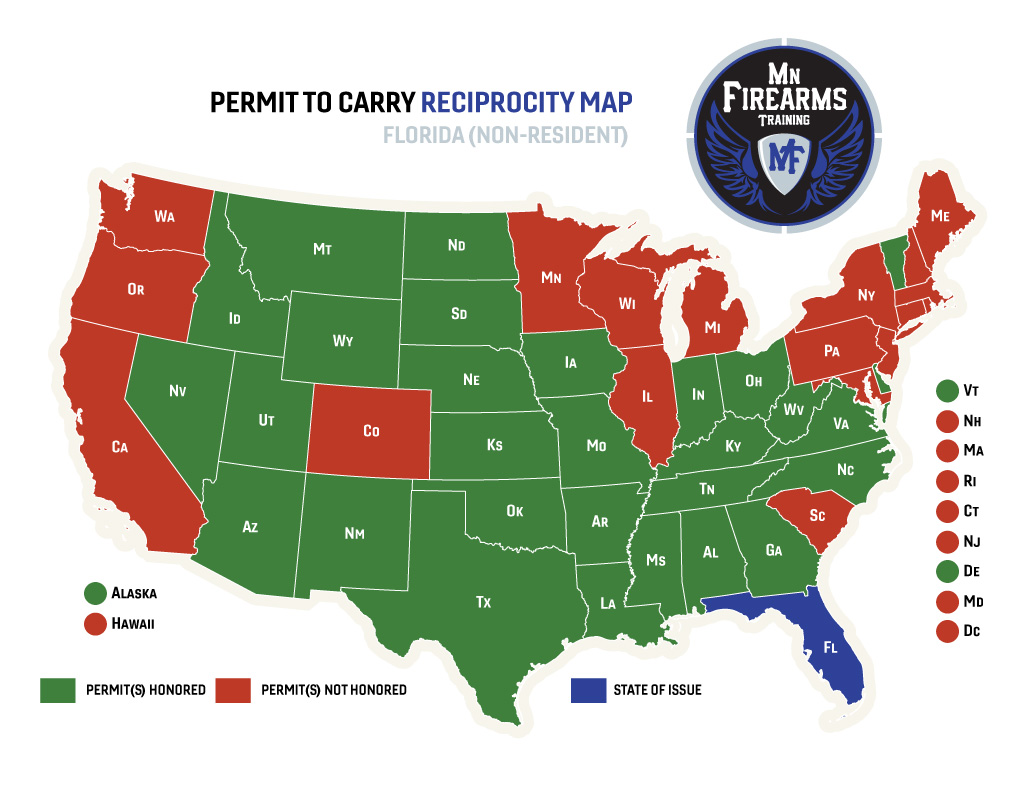
Florida has reciprocity agreements with many other states, meaning that Florida licenses are recognized in those states, and their licenses are recognized in Florida. However, laws vary significantly from state to state. It is your responsibility to be aware of and comply with the laws of any state you visit or travel through where you intend to carry a concealed firearm. Some states may have additional training requirements or restrictions on where firearms can be carried. It’s always wise to research the laws of your destination, whether you’re planning a luxury escape to Miami or a family adventure to Walt Disney World Resort.
Places Where Carrying is Prohibited
Even with a Concealed Carry License, there are numerous locations where carrying a firearm is prohibited. These “gun-free zones” are strictly enforced and can include:
- Courthouses
- Polling places on election days
- Schools and school buses
- Law enforcement offices
- Correctional institutions
- Federal buildings
- Secure areas of airports
- Any place where the carrying of firearms is prohibited by federal law
It is imperative to familiarize yourself with these prohibitions to avoid legal entanglements. Signs indicating “no firearms allowed” should be respected.
Responsible Firearm Ownership and Safety
Beyond the legalities of obtaining a license, responsible firearm ownership is a continuous commitment. This includes:
- Safe Storage: Always store your firearm securely, unloaded, and separate from ammunition, especially when not in your immediate possession. This is crucial for preventing accidental discharge and unauthorized access, particularly in households with children.
- Ongoing Training: Firearm proficiency and knowledge of the law are not static. Regularly practice your shooting skills and stay updated on any changes to Florida’s gun laws. Consider advanced training courses to enhance your skills and tactical awareness.
- Situational Awareness: Being aware of your surroundings is a key component of personal safety. Understanding potential threats and developing strategies to de-escalate or avoid dangerous situations is as important as carrying a firearm.
For those who enjoy exploring the diverse lifestyle offerings of Florida, from the bustling nightlife of Tampa to the tranquil eco-tourism of the Everglades, understanding personal safety measures, including the proper and legal carrying of a firearm, contributes to a sense of security and peace of mind. Whether you are a resident or a visitor enjoying the landmarks and experiences this beautiful state has to offer, informed decision-making about personal protection is a vital aspect of the overall travel and lifestyle equation.
LifeOutOfTheBox is a participant in the Amazon Services LLC Associates Program, an affiliate advertising program designed to provide a means for sites to earn advertising fees by advertising and linking to Amazon.com. Amazon, the Amazon logo, AmazonSupply, and the AmazonSupply logo are trademarks of Amazon.com, Inc. or its affiliates. As an Amazon Associate we earn affiliate commissions from qualifying purchases.