
Navigating the process of applying for and receiving food assistance in Florida can seem daunting, especially when you’re facing financial hardship. Understanding the program, its eligibility requirements, and the application steps is crucial for securing the support you need. This guide aims to demystify the process, offering a clear and comprehensive overview for residents of the Sunshine State seeking assistance through the Supplemental Nutrition Assistance Program (SNAP), commonly known as food stamps. While our website typically focuses on the exciting world of travel, from discovering hidden gems in Destinations to booking the perfect Hotels, understanding essential local resources like SNAP is a vital aspect of Lifestyle, especially for budget-conscious travelers or those experiencing temporary setbacks. We believe that informed access to resources can enhance any Florida experience, whether you’re a resident or a visitor exploring its many Attractions.
Understanding Florida’s Food Assistance Program (SNAP)
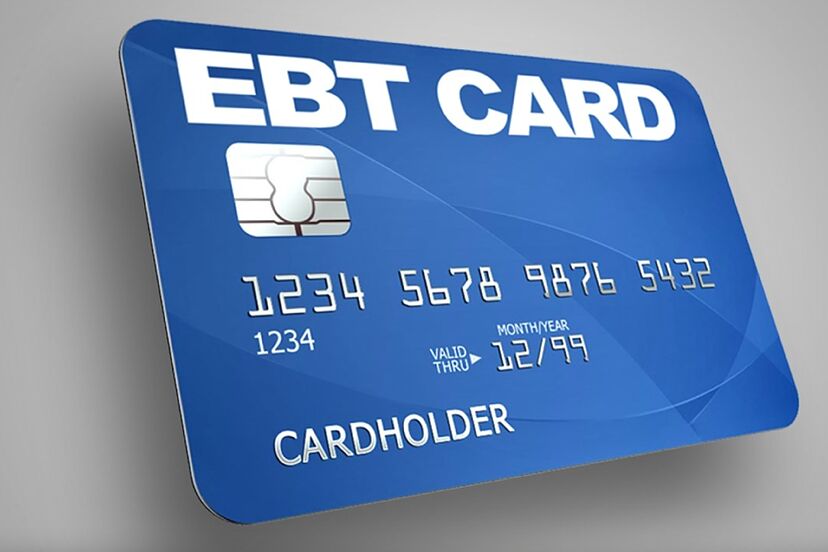
The Supplemental Nutrition Assistance Program (SNAP), administered in Florida by the Department of Children and Families (DCF), is designed to help low-income individuals and families purchase nutritious food. It’s a critical safety net that ensures access to essential groceries, preventing food insecurity and promoting overall well-being. In Florida, the program is often referred to as “Food Assistance.” The benefits are provided through an Electronic Benefits Transfer (EBT) card, which works like a debit card and can be used at most grocery stores and some farmers’ markets.
Who is Eligible for SNAP Benefits in Florida?
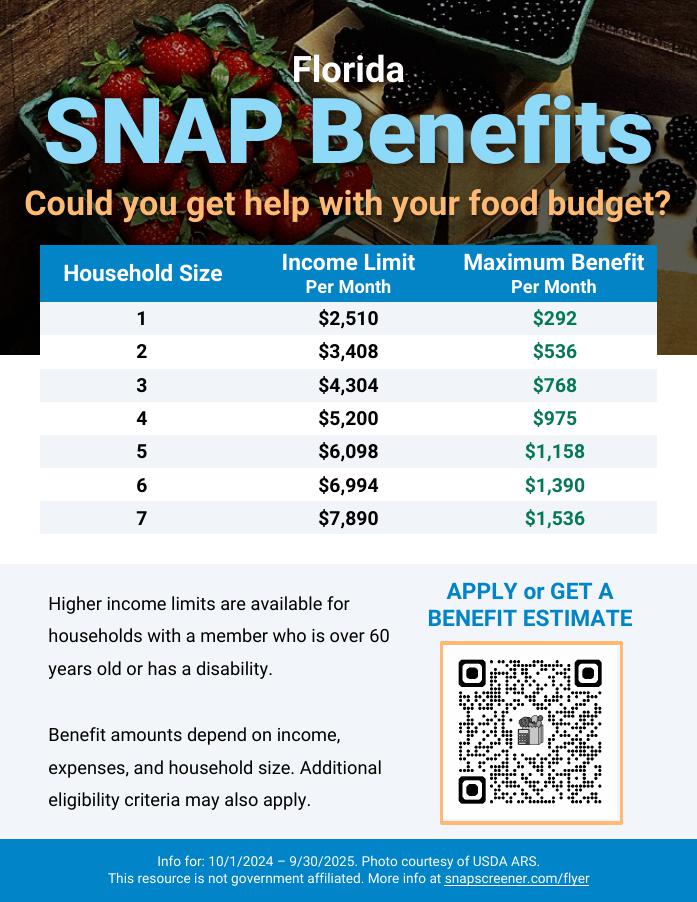
Eligibility for SNAP benefits is determined by several factors, primarily focusing on household income and assets. Florida adheres to federal guidelines, but there are specific income limits that apply within the state.
Income Requirements
To qualify, your household’s gross monthly income (income before deductions) and net monthly income (income after certain deductions) must be at or below specific thresholds. These thresholds vary based on the number of people in your household. For example, a single-person household will have different limits than a family of four. The DCF regularly updates these limits, so it’s essential to check the most current figures. Generally, the maximum gross income allowed is 130% of the federal poverty level, and the maximum net income is 100% of the federal poverty level.
There are exceptions to these income rules for certain vulnerable populations, such as elderly individuals (age 60 or older) or those with disabilities. For these individuals, only net income is considered.
Asset Limits
In addition to income, households may also have limits on the value of certain assets they possess. These typically include checking and savings accounts, cash, stocks, and bonds. However, not all assets are counted. Your primary residence and vehicles used for transportation are usually excluded from asset calculations. For most households, the asset limit is $2,750. This limit is higher, at $4,250, for households with at least one member aged 60 or older or who is disabled.
Work Requirements
For most able-bodied adults without dependents between the ages of 18 and 49, there are work requirements to receive SNAP benefits. These typically involve registering for work, actively seeking employment, and participating in work or training programs if referred by the DCF. There are exemptions to these work requirements for individuals who are pregnant, medically certified as unable to work, or caring for a child under 18.
Citizenship and Residency
To be eligible for SNAP benefits in Florida, you must be a U.S. citizen or a qualified non-citizen and a resident of Florida. Qualified non-citizens generally include lawful permanent residents, refugees, and asylees.
How to Apply for Food Stamps in Florida
The application process for SNAP benefits in Florida is designed to be accessible. The Florida Department of Children and Families (DCF) offers several convenient ways to submit your application. Understanding each method can help you choose the one that best suits your circumstances.
Online Application
The most efficient and recommended method for applying for SNAP benefits in Florida is through the official DCF website. The online portal allows you to:
- Complete the application form at your own pace: You can save your progress and return to finish it later.
- Upload supporting documents: This streamlines the verification process.
- Track your application status: You can monitor where your application is in the review process.
- Access information and resources: The website provides FAQs, guides, and contact information for further assistance.
To begin, navigate to the Florida DCF ACCESS website. You will need to create an account to access the application. The system will guide you through a series of questions about your household income, expenses, assets, and personal information. Be prepared to provide details for all household members who will be applying for benefits.
In-Person Application
For those who prefer face-to-face assistance or do not have reliable internet access, applying in person is a viable option. You can visit your local Florida DCF Customer Assistance Program (CAP) office. To find the nearest office, you can use the locator tool on the DCF website.
When you visit an office, a caseworker will be available to:
- Provide you with a paper application: You can fill it out on-site or take it home to complete.
- Answer your questions: Caseworkers can clarify any part of the application or eligibility requirements.
- Help you submit your application and documents: They can ensure everything is filled out correctly and that you have provided all necessary paperwork.
It’s advisable to call ahead to confirm the operating hours of your local office and inquire about any specific documents you should bring with you.
By Mail or Fax
If neither online nor in-person applications are feasible, you can also apply for SNAP benefits by mail or fax. You can download the application form from the DCF website or request a copy to be mailed to you. Once completed, you can mail or fax the application to your local DCF office. The contact information for mailing and faxing is typically provided on the application form itself and on the DCF website.
Required Documentation for Your Application
Regardless of the application method you choose, you will need to provide supporting documentation to verify the information you’ve submitted. This typically includes:
- Proof of identity: Such as a driver’s license, state ID, or passport.
- Proof of residency: Such as a utility bill or lease agreement.
- Proof of income: Such as pay stubs, Social Security statements, or unemployment benefit statements. If you are self-employed, you may need to provide tax returns or business ledgers.
- Proof of expenses: Such as rent receipts, utility bills, or medical expenses for individuals aged 60 or older or with disabilities.
- Social Security numbers: For all household members applying for benefits.
- Information on household members: Including birth certificates or other proof of age for children and any elderly or disabled individuals.
It is crucial to gather all necessary documents before starting your application to ensure a smooth and timely process. Missing documentation is a common reason for delays in application processing.
What Happens After You Apply?
Once your SNAP application is submitted, the Florida Department of Children and Families will review it to determine your eligibility. This process involves several steps to ensure all information is accurate and complete.
Application Review and Interview
After submitting your application and all required documents, your case will be assigned to a caseworker. They will review your application for completeness and accuracy. In most cases, you will be required to participate in an interview. This interview can often be conducted over the phone, but in some instances, it may be in person.
The purpose of the interview is for the caseworker to:
- Verify the information provided: They will ask clarifying questions about your income, expenses, household composition, and assets.
- Explain the SNAP program rules: The caseworker will ensure you understand your rights and responsibilities as a SNAP recipient.
- Address any missing information: If there are any gaps in your application or documentation, the caseworker will let you know what is needed.
It is important to be honest and thorough during the interview. If you are unable to attend a scheduled interview, contact the DCF immediately to reschedule.
Decision and Benefit Issuance
After the interview and the review of all documentation, the DCF will make a decision on your application. You will receive a written notice of this decision.
- If approved: The notice will inform you of the amount of benefits you will receive and when they will be issued. Your EBT card will be mailed to you, and you will receive instructions on how to activate and use it. Benefits are typically issued monthly, based on your application date.
- If denied: The notice will explain the reason for the denial. It will also inform you of your right to appeal the decision. If your circumstances change and you believe you may now be eligible, you can reapply at any time.
The processing time for SNAP applications in Florida can vary, but the DCF aims to make a decision within 30 days of receiving a completed application and all necessary documentation. For households with very low income, expedited processing may be available, resulting in a decision within seven days.

Maintaining Your Benefits
Once you are approved for SNAP benefits, your responsibility doesn’t end there. You must comply with ongoing requirements to continue receiving assistance.
- Recertification: Your eligibility for SNAP benefits is not permanent. You will need to recertify your eligibility periodically, usually every six or 12 months. You will receive a notice from the DCF when it’s time to recertify. It’s crucial to complete the recertification process promptly to avoid interruption of your benefits.
- Reporting changes: You are required to report certain changes in your household circumstances to the DCF within a specified timeframe. These changes can include:
- An increase in household income.
- A change in household size (e.g., a new member moving in or someone moving out).
- A change in your address.
- A significant change in your assets.
Failure to report required changes can lead to overpayments, which you may have to repay, or even disqualification from the program. Always err on the side of caution and report any significant changes.
For those who are traveling through Florida and require temporary assistance, or for residents who might be planning extended stays in cities like Miami or Orlando, understanding these food assistance programs can be a crucial part of planning. While our website might guide you to the luxurious resorts of Key West or the family-friendly attractions near Walt Disney World Resort, knowing how to access basic necessities like food support is fundamental. Whether you are planning a budget trip exploring the natural beauty of the Everglades or seeking longer-term accommodation options, the availability of resources like SNAP can significantly impact your ability to enjoy your stay in the Sunshine State. We aim to provide comprehensive information, and that includes making sure our readers are aware of all available support systems, no matter their immediate travel plans or residential status within Florida.
LifeOutOfTheBox is a participant in the Amazon Services LLC Associates Program, an affiliate advertising program designed to provide a means for sites to earn advertising fees by advertising and linking to Amazon.com. Amazon, the Amazon logo, AmazonSupply, and the AmazonSupply logo are trademarks of Amazon.com, Inc. or its affiliates. As an Amazon Associate we earn affiliate commissions from qualifying purchases.