
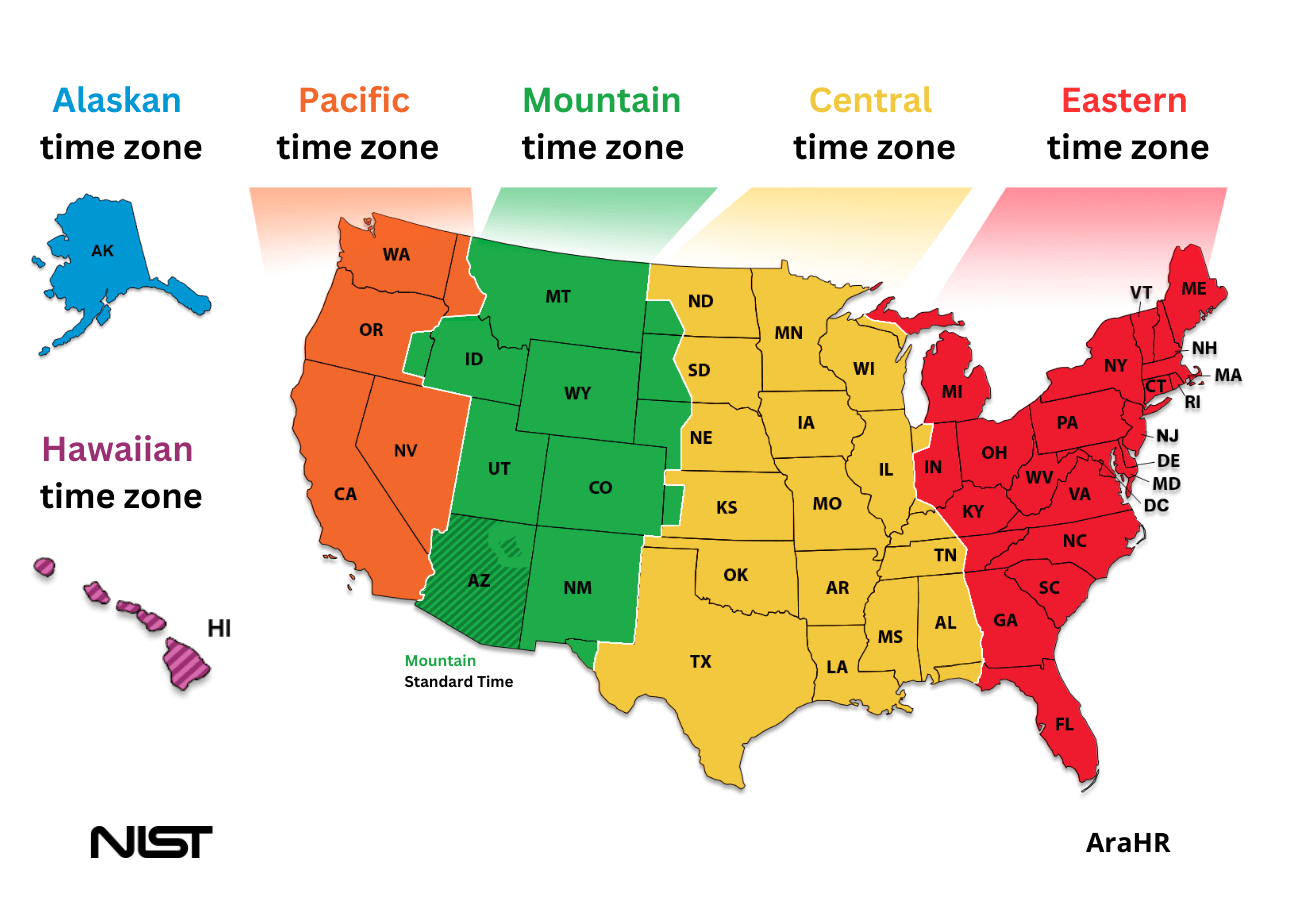
For many travelers planning a trip to the sun-drenched landscapes of the American Southwest, a seemingly simple question often arises: “Is Arizona Pacific Time?” The answer, much like the state’s diverse geography ranging from saguaro-studded deserts to snow-capped mountains, is surprisingly nuanced and a frequent source of confusion. While Arizona does not officially observe Pacific Standard Time (PST), its unique approach to Daylight Saving Time (DST) means that for a significant portion of the year, its clocks align perfectly with those on Pacific Daylight Time (PDT). This fascinating anomaly creates both a unique local rhythm and an interesting challenge for visitors, from those booking luxury resorts in Scottsdale to adventurers embarking on a Grand Canyon expedition. Understanding Arizona’s time zone situation is crucial for seamless travel planning, ensuring you arrive on time for your hotel check-in, a crucial business meeting, or a guided tour of its breathtaking landmarks.
Unraveling Arizona’s Unique Time Zone System
At its core, Arizona operates on a system that sets it apart from many other states in the continental United States. Its approach to time is rooted in practicality, tradition, and a desire to align with the rhythms of its unique desert environment. This distinctive stance on Daylight Saving Time is the key to unraveling the mystery of whether it’s “Pacific Time.”
Mountain Standard Time Year-Round: The Golden Rule
The fundamental truth about Arizona’s time zone is that it observes Mountain Standard Time (MST) throughout the entire year. Unlike its neighboring states in the Mountain Time Zone, Arizona largely foregoes the biannual ritual of springing forward and falling back. This means that while other states adjust their clocks for Daylight Saving Time, Arizona steadfastly remains on MST.
The decision to opt out of Daylight Saving Time dates back to the 1960s and is deeply practical. Arizona is renowned for its intense summer heat, particularly in cities like Phoenix and Tucson. By not observing DST, the state avoids pushing daylight hours even later into the evening during the hottest months. Imagine the summer sun beating down at 8 PM if the clocks were advanced! This consistent MST observance means that residents and visitors alike can enjoy cooler mornings for outdoor activities and experience the sunset at a more “natural” time, often around 7 PM, allowing for pleasant evening strolls or outdoor dining experiences. It’s a pragmatic choice that profoundly impacts the daily lifestyle and tourism scene, influencing everything from the opening hours of attractions to the scheduling of a round of golf at a desert resort. This commitment to a consistent clock makes planning simpler for many locals, avoiding the disruption to sleep schedules and the minor inconveniences associated with time changes. For those seeking budget travel or luxury travel, this stability can simplify itinerary management.
The Daylight Saving Conundrum: When Arizona Aligns with Pacific Time
Here’s where the confusion often sets in and where Arizona appears to “become” Pacific Time. During the period when Daylight Saving Time is in effect across most of the United States – typically from the second Sunday in March to the first Sunday in November – states like California and Nevada shift from Pacific Standard Time (PST) to Pacific Daylight Time (PDT). PDT is one hour ahead of PST. Simultaneously, states in the Mountain Time Zone, such as Utah, Colorado, and New Mexico, move from Mountain Standard Time (MST) to Mountain Daylight Time (MDT). MDT is one hour ahead of MST.
Because Arizona remains steadfastly on Mountain Standard Time (MST) year-round, its clock effectively “catches up” to the states observing Pacific Daylight Time (PDT). Both MST and PDT are UTC-7. So, for nearly eight months of the year, if you check the time in Phoenix and then in Los Angeles, the clocks will display the same hour. This alignment means that during the warmer months, Arizona operates on the same time as California and Nevada, despite technically being in a different time zone. However, come early November, when California and Nevada fall back to PST, Arizona then becomes one hour ahead of them. This biannual shift in relative time is the primary reason for visitor confusion, often leading to frantic last-minute checks for hotel booking confirmations or flight schedules. Travelers accustomed to DST in their home regions might find themselves miscalculating arrival times for destinations like Sedona or Flagstaff without proper awareness.
The Navajo Nation Exception: A Time-Sensitive Enclave
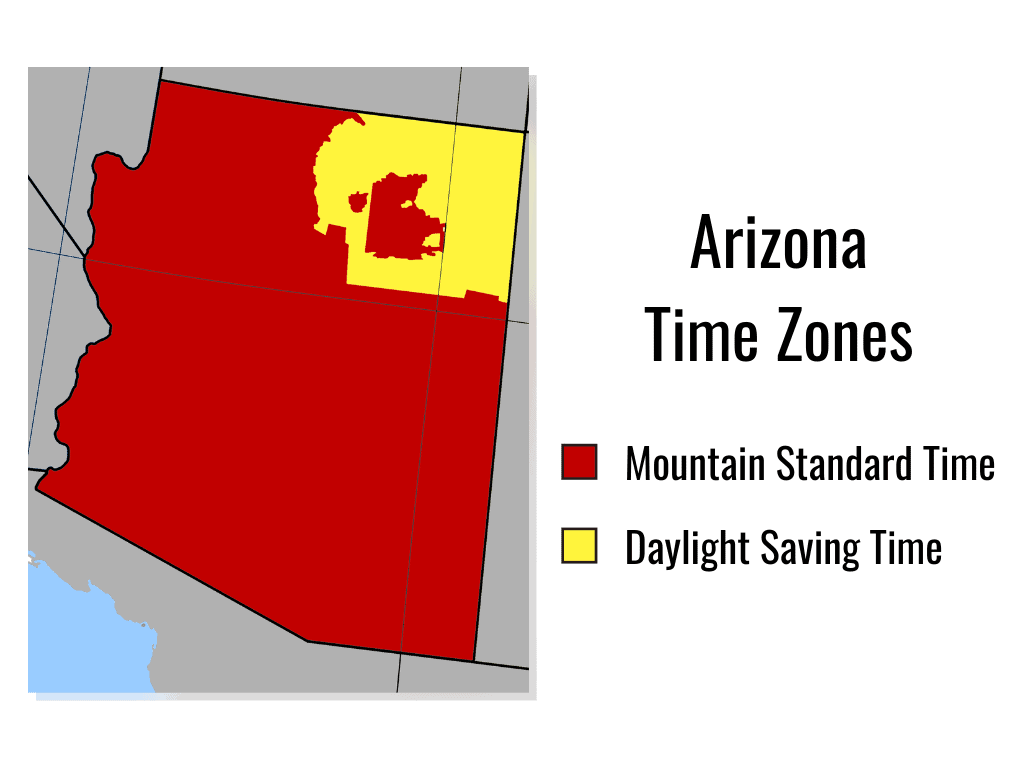
To add another layer of complexity, there’s a significant exception to Arizona’s no-Daylight Saving Time rule: the Navajo Nation. This vast semi-autonomous territory, which spans parts of northeastern Arizona, as well as portions of Utah and New Mexico, does observe Daylight Saving Time. This decision by the tribal government ensures that the entire Navajo Nation operates on a consistent time, aligning with the practices of its larger geographical region (the Mountain Time Zone, which includes parts of Utah and New Mexico within the Navajo Nation).
For travelers, this means that if you’re venturing into areas like Monument Valley or other parts of the Navajo Nation that are geographically within Arizona, you will need to adjust your clock. During the DST period (March to November), the Navajo Nation will be on Mountain Daylight Time (MDT), which is one hour ahead of the rest of Arizona (which remains on MST). This can be particularly confusing when visiting a landmark like Monument Valley, where the entrance and visitor center are within the Navajo Nation and thus observe DST, even if the town you stayed in just outside the reservation does not.
Understanding this specific exception is vital for planning tours, visiting local culture sites, or simply scheduling meals within the Navajo Nation. Imagine booking a sunset tour in Monument Valley and missing it by an hour because your watch wasn’t adjusted! Tourism operators and accommodation providers within the Navajo Nation are generally well-versed in this, but it’s always wise for visitors to double-check timings. This unique aspect of Arizona travel not only highlights the distinct governance of tribal lands but also adds a layer of adventure and mindfulness to exploring some of the state’s most iconic natural landmarks. It’s a good example of how attention to detail, even regarding time, can significantly enhance one’s experiences in this extraordinary state.
Navigating Time Zones as an Arizona Traveler
For anyone planning a trip to Arizona, understanding its time zone quirks isn’t just an interesting fact; it’s a practical necessity. From coordinating flights and hotel check-ins to planning a day trip across state lines, a little preparation goes a long way in avoiding unnecessary stress and ensuring a smooth, enjoyable journey.
Planning Your Itinerary: Flights, Check-ins, and Tours
The most common pitfalls for travelers revolve around fixed schedules. When booking flights, particularly those arriving or departing during the DST period, always confirm the arrival and departure times in local Arizona time. A flight departing Los Angeles at 10 AM PDT will land in Phoenix at 10 AM MST during the summer, meaning no time difference, but during winter, it would land at 11 AM MST, an hour later. This seemingly small detail can affect everything from connecting flights to pre-arranged airport transfers.
Similarly, hotel check-in and check-out times, spa appointments at luxury resorts in Scottsdale, or dinner reservations in Tucson must be noted in local Arizona time. If you’re arriving from a state that observes DST, your internal clock might be an hour off from Arizona’s actual time for half the year. Many hotels, from cozy suites to expansive villas, are accustomed to this confusion and will often display clocks with both current local time and UTC offsets, or provide clear instructions upon arrival. It’s a good practice to always reset your watch or phone to the local Arizona time as soon as you arrive, rather than relying on automatic updates that might occasionally lag.
For popular attractions and guided tours – whether it’s a Grand Canyon helicopter tour, a jeep adventure in Sedona, or a visit to Saguaro National Park – always verify their operating hours and meeting times. Businesses catering to tourism are generally very clear, but a quick confirmation call or website check for the specific date of your visit can prevent any missed experiences. For family trips, avoiding scheduling mishaps can prevent meltdowns and ensure everyone enjoys the destinations as planned. Similarly, for business stays, punctuality is paramount, making time zone awareness crucial for meetings and conferences.

Border Crossings and Nearby Attractions
Arizona’s location in the Southwest means it shares borders with several states, each with its own time zone practices. This becomes especially relevant for road trippers or those planning multi-state guides.
- To the West (California & Nevada): During DST, Arizona aligns with PDT, meaning no time change when crossing into California or Nevada. However, during standard time (November-March), Arizona will be one hour ahead of PST. This is particularly important for visitors driving from Las Vegas to the Grand Canyon, or planning a visit to the Hoover Dam which straddles the Arizona-Nevada border and can be a source of immediate time confusion. The dam itself observes Pacific Time.
- To the East (New Mexico & Colorado): These states observe Mountain Daylight Time (MDT) during DST. Therefore, for most of the year, they will be one hour ahead of Arizona (MST). During standard time, they revert to MST, aligning with Arizona.
- To the North (Utah): Like New Mexico and Colorado, Utah observes MDT during DST, making it one hour ahead of Arizona. When standard time returns, they align.
Crucially, remember the Navajo Nation exception. If you cross into the Navajo Nation from other parts of Arizona during DST, you will need to advance your clock by one hour. This impacts destinations like Monument Valley and other incredible sights in northeastern Arizona. A good tip for road trips is to keep a physical watch set to local Arizona time and use your phone for border crossings, cross-referencing with local signage or trusted travel guides. Being aware of these shifts will ensure seamless transitions and allow you to fully immerse yourself in the natural beauty and local culture without temporal mishaps.
Beyond the Clock: Embracing the Arizona Lifestyle
While the unique time zone situation in Arizona might seem like a minor logistical hurdle, it’s actually an integral part of the state’s charm and contributes to its distinctive lifestyle. The consistent observation of Mountain Standard Time year-round shapes daily routines, impacts travel experiences, and reflects a pragmatic approach to living in a vibrant desert environment.
This commitment to a stable clock throughout the year allows residents and long-term visitors to develop predictable rhythms for work and leisure. For those enjoying long-term stays in Arizona, it means less disruption and more consistency. Mornings often begin early to take advantage of the cooler temperatures, perfect for hiking the iconic red rocks of Sedona, exploring the Sonoran Desert in Saguaro National Park, or visiting landmarks like the Petrified Forest National Park. The absence of a late sunset during the peak summer months also encourages evening activities to start after the intense heat dissipates, fostering a vibrant night scene in cities like Phoenix and Tucson where outdoor patios come alive as the sun dips below the horizon.
For tourism operators, the consistent time helps in scheduling, allowing them to focus on providing unparalleled experiences, from Grand Canyon tours to culinary adventures showcasing local food. Hotels and resorts throughout the state, from luxury suites in Scottsdale to charming boutique hotels in Flagstaff, build their guest services around this consistent clock, ensuring check-in times and amenity schedules are always clear. The unique time zone system isn’t just about avoiding an hour of hotter daylight; it’s about a deeper connection to the environment and a cultural preference for a predictable schedule that supports both work and leisure.
So, while the initial question “Is Arizona Pacific Time?” might draw a complex explanation, the underlying message for any traveler is simple: Arizona’s time is consistent for most of the state, and a quick mental note of its alignment (or non-alignment) with surrounding areas is all that’s needed. Armed with this knowledge, you can confidently book your accommodation, schedule your tours, and immerse yourself in all the incredible destinations and activities that make Arizona an unforgettable travel destination. Whether you’re on a family trip, a business stay, or a solo adventure, the subtle intricacies of its time will quickly become part of the unique tapestry of your Arizona experience. Embrace the consistency, respect the Navajo Nation’s exception, and prepare to be enchanted by the timeless beauty of the Grand Canyon State.
LifeOutOfTheBox is a participant in the Amazon Services LLC Associates Program, an affiliate advertising program designed to provide a means for sites to earn advertising fees by advertising and linking to Amazon.com. Amazon, the Amazon logo, AmazonSupply, and the AmazonSupply logo are trademarks of Amazon.com, Inc. or its affiliates. As an Amazon Associate we earn affiliate commissions from qualifying purchases.