
Florida, the Sunshine State, is a vibrant tapestry of sun-drenched beaches, thrilling theme parks, and a rich cultural heritage. For many, owning a vehicle is essential to fully experience all that Florida has to offer, whether it’s a scenic drive along the Overseas Highway to the Florida Keys, exploring the charming streets of St. Augustine, or simply navigating the bustling metropolis of Miami. However, before you can legally drive your car on Florida’s roads, you need to ensure you have a valid car title. This document serves as proof of ownership and is crucial for various transactions, including selling, registering, or insuring your vehicle. Navigating the process of obtaining a car title in Florida might seem daunting, but with a clear understanding of the requirements and procedures, it can be a straightforward endeavor.
This comprehensive guide will walk you through the essential steps to obtain a car title in Florida, covering everything from initial purchases to transferring ownership. We’ll delve into the different scenarios you might encounter, the necessary documentation, and where to find the relevant authorities to complete your title application. Whether you’re a new resident bringing your vehicle to the Sunshine State, purchasing a car from a dealership or a private seller, or inheriting a vehicle, this guide aims to provide you with the knowledge and confidence to navigate the Florida car title process seamlessly.
Understanding the Florida Car Title Process
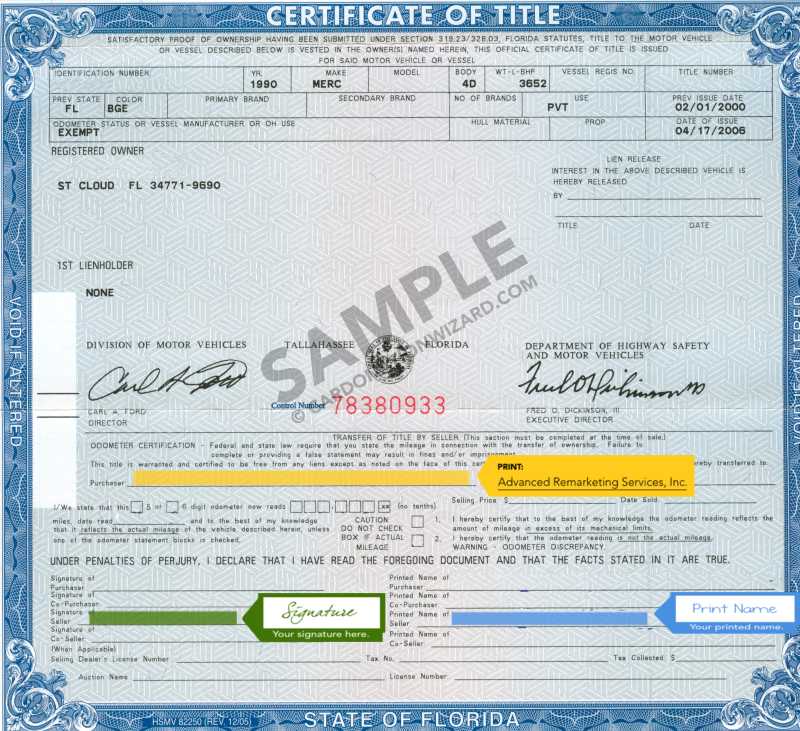
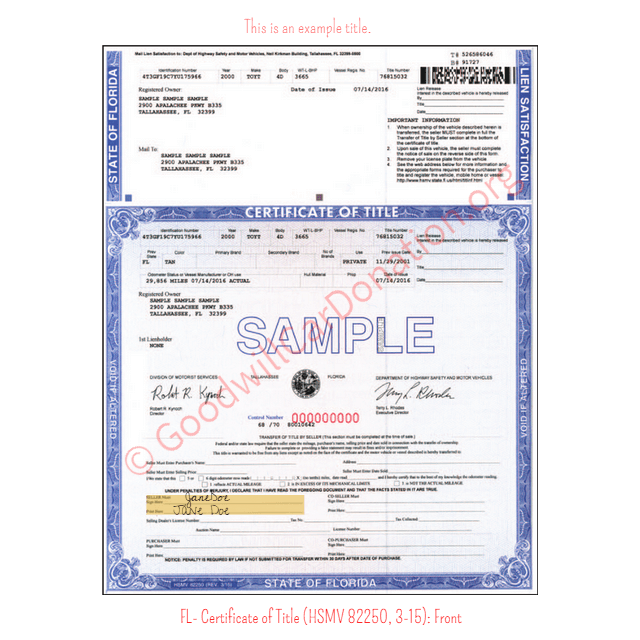
The Florida car title, officially known as the Certificate of Title, is a legal document issued by the Florida Department of Highway Safety and Motor Vehicles (FLHSMV). It contains vital information about your vehicle, including its Vehicle Identification Number (VIN), make, model, year, and importantly, the name(s) of the legal owner(s). Obtaining the correct title is a fundamental step in ensuring your vehicle is legally registered and roadworthy in Florida.
There are several common scenarios where you might need to obtain a Florida car title:
Purchasing a Vehicle in Florida
When you purchase a vehicle in Florida, the process of transferring the title will depend on whether you are buying from a dealership or a private seller.
Buying from a Florida Dealership
If you are purchasing a new or used vehicle from a licensed Florida dealership, they will typically handle most of the title and registration paperwork for you. This is a common practice designed to streamline the process for consumers. The dealership will collect all the necessary information and submit the application for the title and registration to the FLHSMV on your behalf. You will usually receive your new title and registration documents by mail within a few weeks, though some dealerships may offer expedited services or temporary registration. Be sure to confirm with the dealership what their specific process entails and what documentation you will need to provide them. This usually includes proof of identity, such as a valid driver’s license or ID card, and your proof of Florida insurance.
Buying from a Private Seller
Purchasing a vehicle from a private individual in Florida requires a more hands-on approach from the buyer to ensure the title is properly transferred. It is imperative to verify that the seller has a clear title in their name, free of any liens. The seller must sign over the existing title to you, and you will then be responsible for taking this signed title, along with other required documents, to your local county tax collector’s office to apply for a new title in your name.
Key Steps for Private Sales:
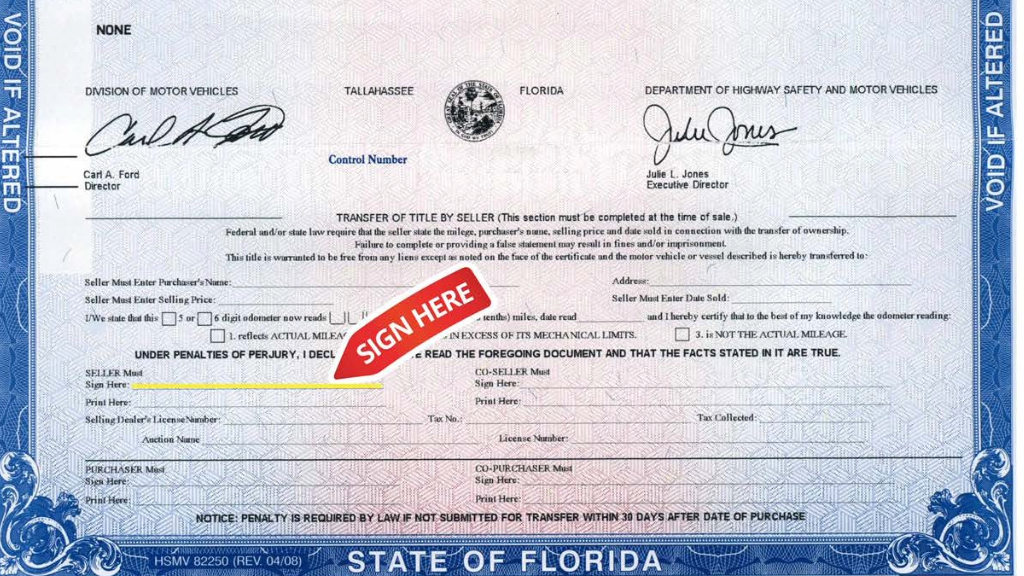
- Obtain the Signed Title: The seller must provide you with the current Florida Certificate of Title. This document needs to be properly assigned to you. Ensure the seller’s name on the title matches their identification. The seller will need to fill in your name as the buyer, the odometer reading, and sign the title in the designated areas.
- Bill of Sale: While not always mandatory for title transfer in Florida, a Bill of Sale is highly recommended. This document serves as a record of the transaction, including the purchase price, date, VIN, make, model, and the names and addresses of both the buyer and seller. It can be crucial in resolving any disputes that might arise later. The FLHSMV provides a sample Bill of Sale, which you can find on their official website.
- Lien Check: If there is a lien on the vehicle, the seller must provide a lien satisfaction letter from the lienholder, along with the title. The lienholder would have to sign off on the title, indicating that the loan has been paid in full. It’s always a good idea to ask the seller if there are any outstanding liens on the vehicle.
- Application for Certificate of Title With/Without Registration (Form HSMV 82040): This is the primary form you will need to complete. You can download this form from the FLHSMV website or obtain it from your local county tax collector’s office. You’ll need to fill in details about yourself, the vehicle, and the transaction.
- Proof of Florida Insurance: Florida law requires all drivers to have proof of Personal Injury Protection (PIP) insurance and Property Damage Liability (PDL) insurance. You will need to present a valid insurance card or policy to the county tax collector’s office when applying for your title and registration.
- Proof of Identity: You will need to provide a valid form of identification, such as a Florida driver’s license or identification card.
- Payment of Fees and Taxes: You will be required to pay title fees, sales tax (based on the purchase price or book value of the vehicle, whichever is greater), and registration fees.
Transferring Ownership When Moving to Florida
If you are moving to Florida and bringing your vehicle with you, you’ll need to transfer your out-of-state title to a Florida title within a specific timeframe. Florida law requires new residents to obtain a Florida title and registration within 30 days of establishing residency.
Steps for Transferring an Out-of-State Title:
- Obtain a Florida Title: You will need your current out-of-state title. If your loan company holds your title, you will need to contact them to have it sent to Florida or request they transfer it to a Florida-based financial institution if you financed the vehicle.
- Vehicle Identification Number (VIN) Verification: You will need to have the VIN of your vehicle verified. This can be done by a law enforcement officer in Florida, a licensed dealer, or a notary public. Form HSMV 82040 is also used for this purpose and can be completed by the VIN verifier.
- Proof of Florida Insurance: As with purchasing a vehicle, you must have valid Florida PIP and PDL insurance.
- Application for Certificate of Title With/Without Registration (Form HSMV 82040): Complete this form with all the required vehicle and ownership information.
- Payment of Fees and Taxes: You will pay title fees, sales tax (if applicable, depending on if you’ve already paid sales tax in another state), and registration fees.
Inheriting a Vehicle
If you inherit a vehicle in Florida, the process of transferring the title will require specific documentation to prove your legal right to the vehicle.
Steps for Inheriting a Vehicle:
- Proof of Ownership: You will need a copy of the deceased owner’s Florida Certificate of Title.
- Death Certificate: A certified copy of the death certificate of the previous owner is required.
- Affidavit for Transfer of Title by Beneficiary or Heir (Form HSMV 82063): This affidavit is used to transfer title when the owner has passed away, and you are the beneficiary or heir. It must be notarized.
- Application for Certificate of Title With/Without Registration (Form HSMV 82040): Complete this form with the vehicle and your information.
- Proof of Florida Insurance: You will need valid Florida PIP and PDL insurance.
- Payment of Fees: Title fees will apply.
Where to Complete Your Title Application
The primary place to conduct your car title and registration transactions in Florida is your local county tax collector’s office. These offices serve as agents for the FLHSMV and are equipped to handle all title-related matters. You can find the office closest to you by visiting the FLHSMV website or by conducting a local online search for “[county name] tax collector motor vehicle services.”
It’s often advisable to schedule an appointment before visiting, as wait times can vary, especially during peak periods. This can save you considerable time and ensure a smoother experience. When you go to your appointment, be sure to bring all the required documents, including the signed title, completed forms, proof of insurance, and identification.
Important Considerations and Tips
Navigating the car title process can be simplified by being aware of certain nuances and potential pitfalls.
Lienholders
If your vehicle has an outstanding loan, the lienholder’s name and address will be recorded on the title. When you pay off the loan, the lienholder is responsible for signing off on the title or providing a lien satisfaction letter. If you are purchasing a vehicle with an existing lien, you will need to ensure the lien is properly satisfied before the title can be transferred solely into your name. If you are financing a vehicle, the lender will typically hold the title until the loan is fully repaid. In this case, the lienholder’s information will be noted on the Florida title, and they will have legal control over the title until the debt is settled.
Salvage Titles
Vehicles that have been declared a total loss by an insurance company due to damage (e.g., from an accident, flood, or fire) may be issued a salvage title. If you purchase a vehicle with a salvage title, you will need to disclose this information when applying for a Florida title. Rebuilding a salvaged vehicle requires a specific inspection process to ensure it is safe to drive before a rebuilt title can be issued.
Specialty Titles
Florida also issues specialty titles for various situations, such as custom-built vehicles, trailers, or mobile homes. The requirements for obtaining these titles may differ, and it’s best to consult the FLHSMV website or your local tax collector’s office for specific guidance.
Keeping Your Title Secure
Once you have obtained your Florida car title, it is essential to keep it in a safe and secure place. This document is valuable proof of ownership. Avoid carrying it in your vehicle, as it could be lost or stolen. Store it in a safe deposit box, a fireproof safe at home, or another secure location.
Resources for Further Assistance
The Florida Department of Highway Safety and Motor Vehicles (FLHSMV) is the ultimate authority on vehicle titling and registration in the state. Their official website (www.flhsmv.gov) is an invaluable resource, offering downloadable forms, frequently asked questions, fee schedules, and contact information for their offices and county tax collector locations. Don’t hesitate to utilize these resources or contact them directly if you have any specific questions or encounter unique circumstances during your title acquisition process. Understanding these steps will empower you to confidently navigate the process and get your vehicle legally titled in the beautiful state of Florida, allowing you to fully enjoy the freedom of the open road, perhaps en route to a relaxing stay at a resort in Orlando or a visit to the historic Bok Tower Gardens.
LifeOutOfTheBox is a participant in the Amazon Services LLC Associates Program, an affiliate advertising program designed to provide a means for sites to earn advertising fees by advertising and linking to Amazon.com. Amazon, the Amazon logo, AmazonSupply, and the AmazonSupply logo are trademarks of Amazon.com, Inc. or its affiliates. As an Amazon Associate we earn affiliate commissions from qualifying purchases.