
The act of participating in the democratic process is a cornerstone of civic engagement, and for residents of the Sunshine State, understanding the intricacies of voting by mail in Florida is crucial. This method offers convenience and accessibility, allowing citizens to cast their ballots from the comfort of their homes, whether they are permanent residents, seasonal visitors, or simply seeking a more streamlined voting experience. This guide will navigate you through the essential steps, requirements, and considerations for successfully voting by mail in Florida, ensuring your voice is heard in every election.
Understanding the Florida Vote-by-Mail System
Florida has a robust vote-by-mail system, often referred to as “absentee voting.” This option is available to all registered voters in the state, eliminating the need to visit a polling place on Election Day. The process is designed to be secure and accessible, catering to a diverse electorate.
Eligibility and Registration
To vote by mail in Florida, you must be a registered voter. The Florida Division of Elections outlines specific eligibility criteria:
- Citizenship: You must be a U.S. citizen.
- Residency: You must be a legal resident of Florida.
- Age: You must be at least 18 years old on Election Day.
- Disqualifications: You must not have been adjudicated mentally incapacitated or convicted of a felony without your civil rights having been restored.
The deadline to register to vote is 29 days before an election. If you are already registered, you do not need to re-register unless you have moved or changed your name. Voters can check their registration status online through the Florida Department of State’s website.
Requesting Your Mail Ballot
The process of requesting a mail ballot is straightforward. You can do so through several channels:
- Online: The most convenient method is to use the official Florida Vote-by-Mail Request Portal, accessible via your local county’s Supervisor of Elections website.
- By Mail or Fax: You can download a mail ballot request form from your Supervisor of Elections website and submit it via postal mail or fax.
- In Person: You can visit your local Supervisor of Elections office to request a ballot in person.
- By Phone: In some cases, you may be able to request a ballot over the phone, though this often requires verification of your identity.
Important Note on Third-Party Requests: It is crucial to be aware that only specific individuals are permitted to request a mail ballot on your behalf. These include immediate family members (spouse, parent, child, sibling, grandparent, grandchild) or a designated legal guardian. Political campaigns or organizations are generally prohibited from collecting and submitting mail ballot requests on behalf of voters. Always submit your request directly to your Supervisor of Elections.
Information Required for Request
When requesting a mail ballot, you will typically need to provide the following information:
- Full Name: As it appears on your voter registration.
- Residential Address: The address where you are registered to vote.
- Date of Birth: For identity verification.
- Florida Driver’s License Number or Florida Identification Card Number: This is a primary method of verification. If you do not have either, you may provide the last four digits of your Social Security number or a unique voter registration number.
- Party Affiliation (for Primary Elections): If you are requesting a ballot for a partisan primary election, you must specify your party affiliation to receive the correct ballot. In Florida, voters may only vote in their own party’s primary unless it’s a “universal” primary where all candidates are from the same party, or if they are registered as No Party Affiliation (NPA) and are eligible to vote on specific non-partisan races or issues.
Timing of Requests
Requests for mail ballots can be made at any time during the year, but they are typically processed closer to the election. The deadline to request a mail ballot is 10 days before an election. It is advisable to submit your request well in advance to ensure you receive your ballot in ample time. Your Supervisor of Elections office will mail your ballot to your registered address, or to an alternative address if you have provided one for an upcoming election.
The Mail Ballot Process: From Receiving to Returning
Once your mail ballot request is processed, you will receive your official ballot and return envelope. The subsequent steps are critical for ensuring your vote is counted.
Receiving Your Mail Ballot
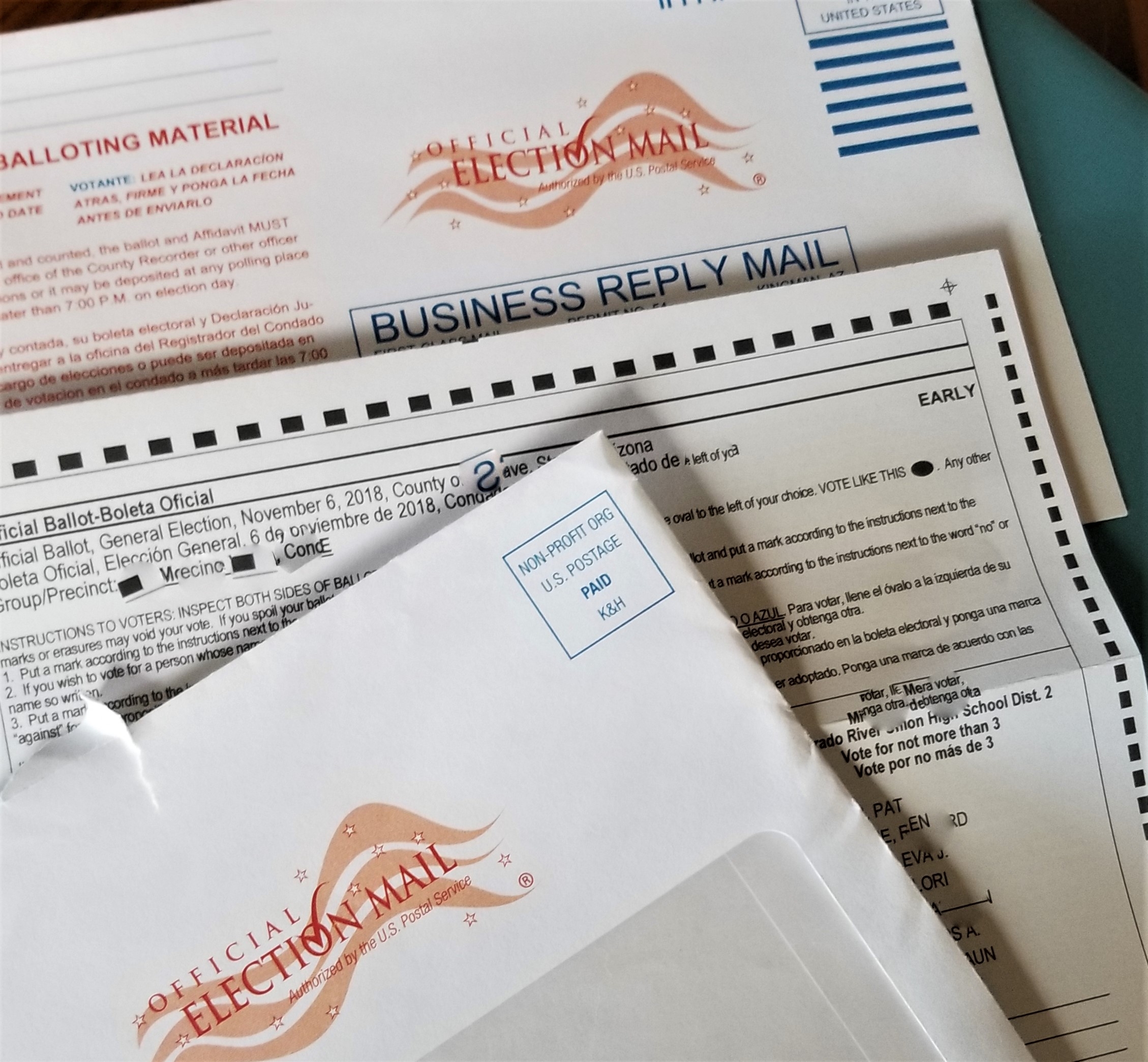
Your mail ballot packet will typically contain:
- The Ballot: This will list all the candidates and referendums for which you are eligible to vote.
- Instructions: A detailed set of instructions on how to properly mark and return your ballot.
- Return Envelope: A pre-addressed envelope specifically designed for returning your voted ballot. This envelope usually includes a section for your signature and other identifying information.
- Secrecy Sleeve (Optional): Some counties may include a secrecy sleeve to ensure your selections remain confidential before placing the ballot in the return envelope.
It is essential to carefully read all enclosed instructions before proceeding.

Marking Your Ballot Correctly
Casting your vote on the mail ballot requires precision to avoid common errors that could lead to your ballot being rejected:
- Use the Correct Writing Instrument: Typically, you will be instructed to use a blue or black ink pen. Avoid pencils or markers, as they may not scan properly.
- Fill in the Ovals Completely: For each contest, completely fill in the oval next to your chosen candidate or response. Do not make checkmarks, crosses, or circles.
- Avoid Stray Marks: Do not make any marks on the ballot other than those indicating your vote. Stray marks can confuse the ballot tabulation machines.
- No Overvoting: Do not vote for more candidates than the number allowed in a particular contest. If you do, that specific contest will not be counted.
- No Undervoting (if applicable): While undervoting (not voting in a particular contest) is permissible, ensure you understand the contests you are intentionally skipping.
Mistakes on Your Ballot: If you make a mistake on your ballot, do not attempt to correct it. Contact your local Supervisor of Elections office immediately. They can typically issue you a replacement ballot and provide instructions on how to return the spoiled one.
Signing and Sealing Your Ballot
This is arguably the most critical step for ensuring your vote is counted. The return envelope has specific requirements for your signature and information:
- Sign the Envelope: You must sign the designated line on the return envelope. This signature is compared against the signature on your voter registration record.
- Print Your Name: In most cases, you will also be required to print your full name.
- Provide Your Voter ID Number: You may be asked to provide your driver’s license number, identification card number, or the last four digits of your Social Security number.
- Date: Ensure the envelope is dated.
Incomplete or Mismatched Signatures: Failure to sign the return envelope, signing in the wrong place, or having a signature that does not match your registration record are common reasons for mail ballots to be rejected. If your signature is challenged, you will typically be notified by your Supervisor of Elections and given an opportunity to “cure” the defect by providing a sworn affidavit confirming your identity.
Returning Your Mail Ballot
There are several secure and convenient ways to return your voted mail ballot:
- By Mail: You can mail your ballot back to your Supervisor of Elections office. To ensure it arrives by the deadline, it is highly recommended to mail it at least a week before Election Day. The United States Postal Service delivers mail, and there are no additional postage costs for returning your voted ballot.
- Secure Drop Boxes: Many counties provide secure, official drop boxes at designated locations, such as Supervisor of Elections offices, libraries, or community centers. These drop boxes are monitored and emptied regularly by election officials. Check your local Supervisor of Elections website for the locations and hours of operation of these drop boxes.
- In Person at the Supervisor of Elections Office: You can hand-deliver your voted ballot directly to your county’s Supervisor of Elections office during business hours, up until the close of polls on Election Day.
Deadline for Return: Voted mail ballots must be received by your county’s Supervisor of Elections office no later than 7:00 p.m. on Election Day. Postmarks do not count; the ballot must be in the possession of the Supervisor of Elections by the deadline.
Tracking Your Mail Ballot and Ensuring It’s Counted
Florida offers voters the ability to track the status of their mail ballot, providing peace of mind and an opportunity to address any potential issues.
Using the Ballot Tracking System
Most counties in Florida utilize online ballot tracking systems. You can access these systems through your local Supervisor of Elections website. By entering your name and date of birth, you can typically see:
- When your mail ballot request was received.
- When your ballot was mailed to you.
- When your voted ballot was received by the Supervisor of Elections office.
- Whether your ballot has been counted.
This proactive approach allows you to confirm that your ballot is on its way, that it has been received, and that it is being processed for tabulation.
What to Do If Your Ballot Isn’t Received or Counted
If you have mailed your ballot and it doesn’t appear to have been received after a reasonable period, or if the tracking system indicates an issue, do not panic. Contact your local Supervisor of Elections office immediately. They can advise you on the best course of action, which may include:
- Confirming Receipt: They can verify if your ballot was indeed received and if there was a scanning delay.
- Issuing a Replacement Ballot: If your original ballot was lost in transit or if there was a significant issue, they may be able to issue you a replacement ballot.
- Curing Signature Issues: If your ballot was rejected due to a signature discrepancy, they will guide you through the process of submitting a sworn affidavit to cure the defect. The deadline for curing these defects is typically a few days after Election Day, but it is best to address it as soon as possible.
Remember, election officials are there to help ensure every eligible vote is counted. Don’t hesitate to reach out to them with any questions or concerns.
The Importance of Voting by Mail
Voting by mail in Florida is more than just a convenient option; it’s a vital tool for civic participation. It enhances accessibility for individuals with disabilities, those who travel frequently, military personnel serving overseas, and anyone who prefers the flexibility of voting on their own schedule. By understanding and utilizing the vote-by-mail system effectively, Florida residents can ensure their voices are heard, contributing to the robust democratic landscape of the state. Whether you’re a long-time resident or a new arrival to the beautiful shores of Florida, familiarizing yourself with these processes empowers you to participate fully in shaping your community and your nation.
LifeOutOfTheBox is a participant in the Amazon Services LLC Associates Program, an affiliate advertising program designed to provide a means for sites to earn advertising fees by advertising and linking to Amazon.com. Amazon, the Amazon logo, AmazonSupply, and the AmazonSupply logo are trademarks of Amazon.com, Inc. or its affiliates. As an Amazon Associate we earn affiliate commissions from qualifying purchases.