
Navigating the complex landscape of online gambling laws can be a daunting task, especially when considering a popular platform like Bet365 in a state like Florida. The question of legality is not a simple yes or no; it’s a nuanced issue interwoven with federal regulations, state-specific statutes, and the evolving nature of the online betting industry. For residents and visitors in the Sunshine State, understanding the current legal standing of Bet365 is crucial for responsible engagement with online wagering.
While Florida has historically maintained a cautious approach to expanding gambling opportunities, recent developments, particularly concerning sports betting, have introduced new layers of complexity. This article aims to unravel the intricacies surrounding Bet365 in Florida, exploring the legal framework, the current status of online sports betting, and what potential changes might mean for the future. For those interested in the broader tourism and lifestyle aspects of Florida, understanding these legalities also provides context for the state’s approach to entertainment and leisure.
The Legal Landscape of Online Gambling in Florida
The legality of online gambling in Florida is primarily shaped by federal legislation, notably the Unlawful Internet Gambling Enforcement Act of 2006 (UIGEA). This act does not make online gambling illegal itself but prohibits gambling businesses from knowingly accepting bets from individuals in violation of federal or state laws. This leaves the onus on individual states to define their stance on online wagering.
Federal Oversight and State Autonomy
At the federal level, the Department of Justice plays a role in enforcing laws related to interstate gambling, particularly concerning activities that cross state lines or involve illegal operations. However, the Supreme Court ruling in Murphy v. National Collegiate Athletic Association in 2018 significantly altered the landscape. This decision struck down the Professional and Amateur Sports Protection Act of 1992 (PASPA), which had effectively prevented most states from authorizing sports betting.
This landmark ruling opened the door for individual states to legalize and regulate sports betting within their borders. Following this decision, many states have moved to enact their own sports betting legislation, creating a patchwork of laws across the country. Florida, with its extensive tourism industry and numerous entertainment options, including world-renowned theme parks like Walt Disney World Resort and Universal Orlando Resort, has been a focal point for discussions about expanding gambling.
Florida’s Historical Stance on Gambling
Historically, Florida has permitted certain forms of gambling, primarily through tribal casinos, pari-mutuel wagering, and a state lottery. The state’s gambling laws are detailed in Chapter 550 of the Florida Statutes, which governs pari-mutuel wagering and lotteries. However, these statutes have not traditionally encompassed the widespread legalization of online casino games or standalone online sports betting platforms.
The Seminole Tribe of Florida, which operates several Hard Rock-branded casinos across the state, including the prominent Hard Rock Hotel & Casino Hollywood and Hard Rock Hotel & Casino Tampa, has played a significant role in the state’s gambling narrative. Their gaming compacts with the state have often been at the center of legal challenges and legislative debates.
The Current Status of Bet365 and Online Sports Betting in Florida
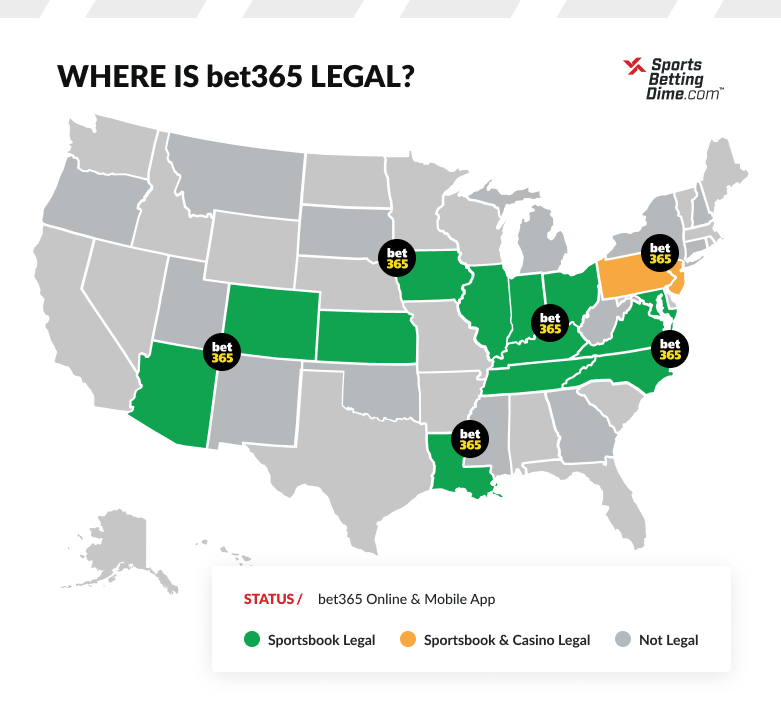
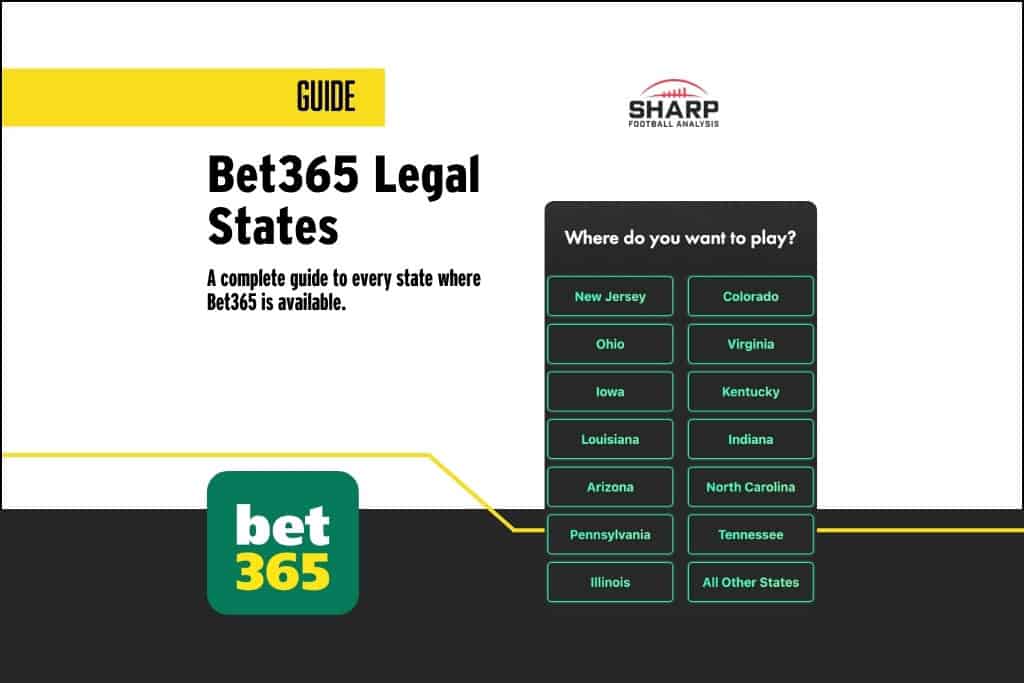
The presence and legality of specific online betting platforms like Bet365 in Florida hinge on the state’s regulatory framework for sports betting. As of the current understanding, Bet365 does not hold a license to operate within Florida for sports betting or any other form of online gambling. This absence is due to the specific legal hurdles that online gambling operators must clear to offer their services legally in the state.
Sports Betting Legislation and Developments
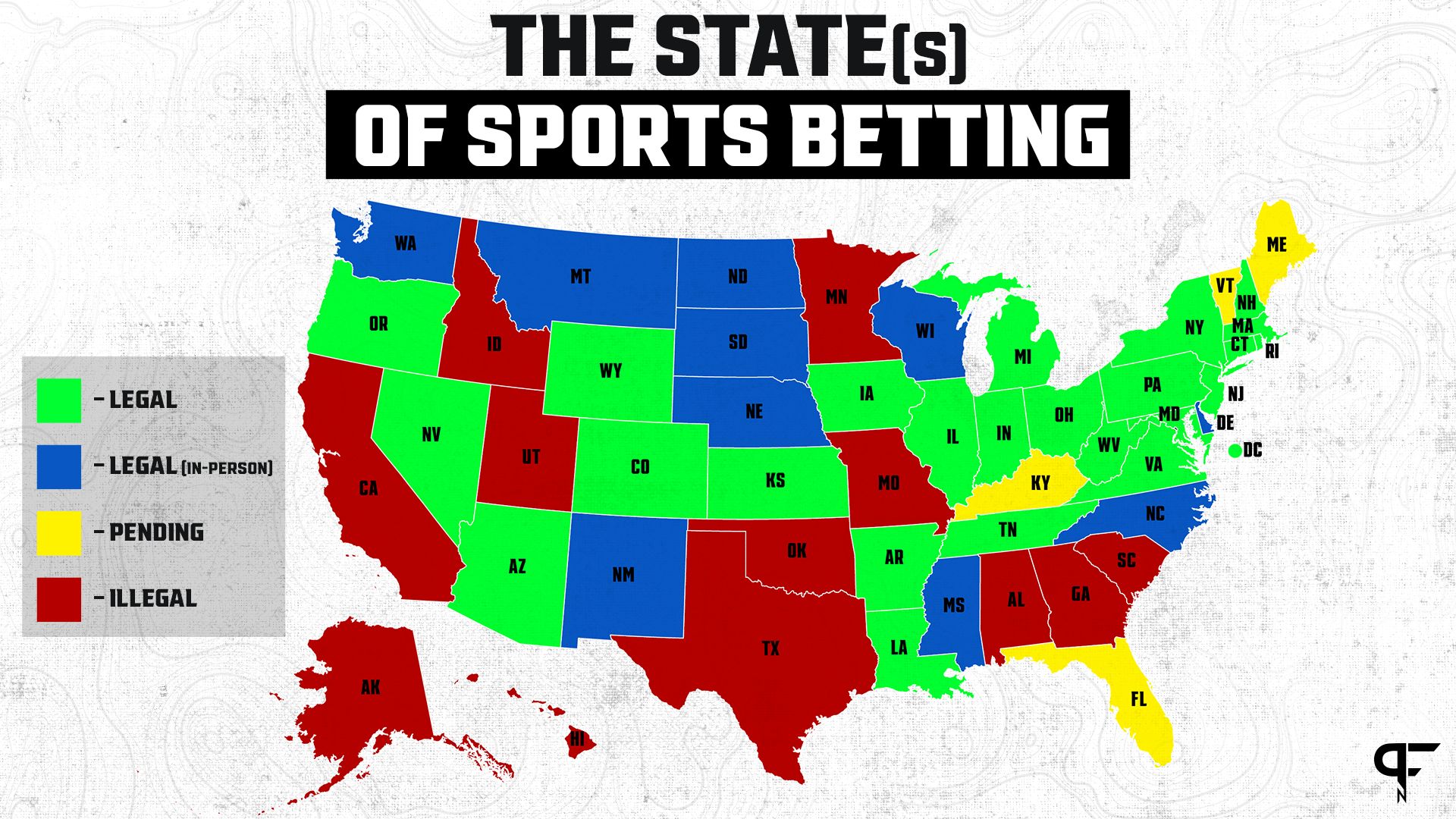
Following the Supreme Court‘s decision to overturn PASPA, Florida has seen a push to legalize sports betting. However, the path has been fraught with legal challenges and political complexities. A significant development occurred in 2021 when Governor Ron DeSantis signed a new gaming compact with the Seminole Tribe of Florida. This compact was intended to allow the tribe to offer sports betting across the state through their existing facilities and potentially through a mobile app.
Under this compact, the Seminole Tribe launched its “Hard Rock Bet” mobile app, which offered sports betting services. However, this launch was met with immediate legal opposition. Lawsuits were filed by various parties, including parimutuel operators and West Flagler Associates, challenging the legality of the compact and the subsequent mobile sports betting.
Legal Challenges and Their Impact
The core of these legal challenges often revolved around whether the online sports betting offered by the Seminole Tribe, routed through servers located on tribal lands, constituted “Indian gaming” under federal law and thus fell outside the purview of traditional state gambling regulations. These challenges led to a back-and-forth in the courts, with initial rulings in favor of the Seminole Tribe being overturned, and then subsequently reinstated.
The ongoing legal battles have created a state of uncertainty regarding the official and undisputed legality of online sports betting in Florida. While the Seminole Tribe has, at times, been permitted to offer its mobile betting services, the legal challenges mean that a comprehensive, universally recognized framework for all online sportsbooks, including international giants like Bet365, has not been firmly established.
For platforms like Bet365, operating legally in a U.S. state requires obtaining a specific license from that state’s regulatory body. Without such a license, and in the absence of clear state-wide authorization for all online sports betting operators, Bet365 cannot legally offer its services to residents of Florida. This situation is common in states where online gambling is either entirely prohibited or where regulation is still in its nascent stages and undergoing legal scrutiny.
What This Means for Visitors and Residents of Florida
The current legal ambiguity surrounding online gambling, particularly sports betting, in Florida has direct implications for individuals looking to place bets. While the state has a rich tourism sector offering diverse attractions from the beaches of Miami to the theme parks of Orlando and the cultural heritage of St. Augustine, gambling enthusiasts need to be aware of the legal boundaries.
Navigating Responsible Gambling
For residents of Florida, the most responsible approach is to adhere to the existing laws. This means refraining from using unlicensed online gambling platforms, as doing so could potentially expose individuals to legal risks or, at the very least, leave them without recourse in case of disputes with the operator. The focus of the state’s gambling regulations is often on ensuring consumer protection, fair play, and preventing illegal activities.
For tourists visiting Florida, it is essential to remember that gambling laws are often state-specific. If you are visiting from a state where online gambling is legal, you cannot assume that the same applies in Florida. It’s advisable to check the specific regulations of Florida regarding online betting before attempting to place any wagers.
Potential Future Changes and Considerations
The landscape of online gambling is dynamic, and Florida is likely to see further developments. The ongoing legal battles surrounding the Seminole Tribe‘s sports betting operations will ultimately shape the future of sports wagering in the state. If these operations are definitively deemed legal and expanded, it could pave the way for other operators, including international ones like Bet365, to seek licensing and enter the market.
Conversely, if the legal challenges result in significant restrictions or a rollback of current provisions, it could prolong the state’s cautious approach to online gambling. Lawmakers may also consider future legislation that could either open up the market to a wider range of operators or further solidify tribal exclusivity.
For those interested in the broader lifestyle offerings of Florida, from luxury resorts in Palm Beach to family-friendly accommodations near Clearwater Beach, understanding the legal framework around entertainment options provides a more complete picture of the state’s regulatory environment. As Florida continues to evolve as a tourist and entertainment destination, its approach to online gambling will undoubtedly remain a topic of interest and discussion.
In conclusion, as of the current legal interpretations and ongoing court cases, Bet365 is not legally operating in Florida. The state’s journey towards regulating online sports betting is complex and subject to further legal and legislative developments. Individuals seeking to engage in online gambling in Florida should stay informed about official announcements and legal updates to ensure they are gambling responsibly and within the bounds of the law.
LifeOutOfTheBox is a participant in the Amazon Services LLC Associates Program, an affiliate advertising program designed to provide a means for sites to earn advertising fees by advertising and linking to Amazon.com. Amazon, the Amazon logo, AmazonSupply, and the AmazonSupply logo are trademarks of Amazon.com, Inc. or its affiliates. As an Amazon Associate we earn affiliate commissions from qualifying purchases.