
For travelers planning an unforgettable journey to the American Southwest, understanding the local time zone is often a minor detail, yet in Arizona, it becomes a fascinating and crucial aspect of trip planning. Known for its breathtaking landscapes, vibrant cities, and rich cultural heritage, the Grand Canyon State offers an unparalleled array of destinations and experiences, from the towering red rock formations of Sedona to the bustling urban centers of Phoenix and Tucson. However, unlike most states in the United States, Arizona marches to the beat of its own drum when it comes to time, creating a unique situation that every visitor should be aware of.
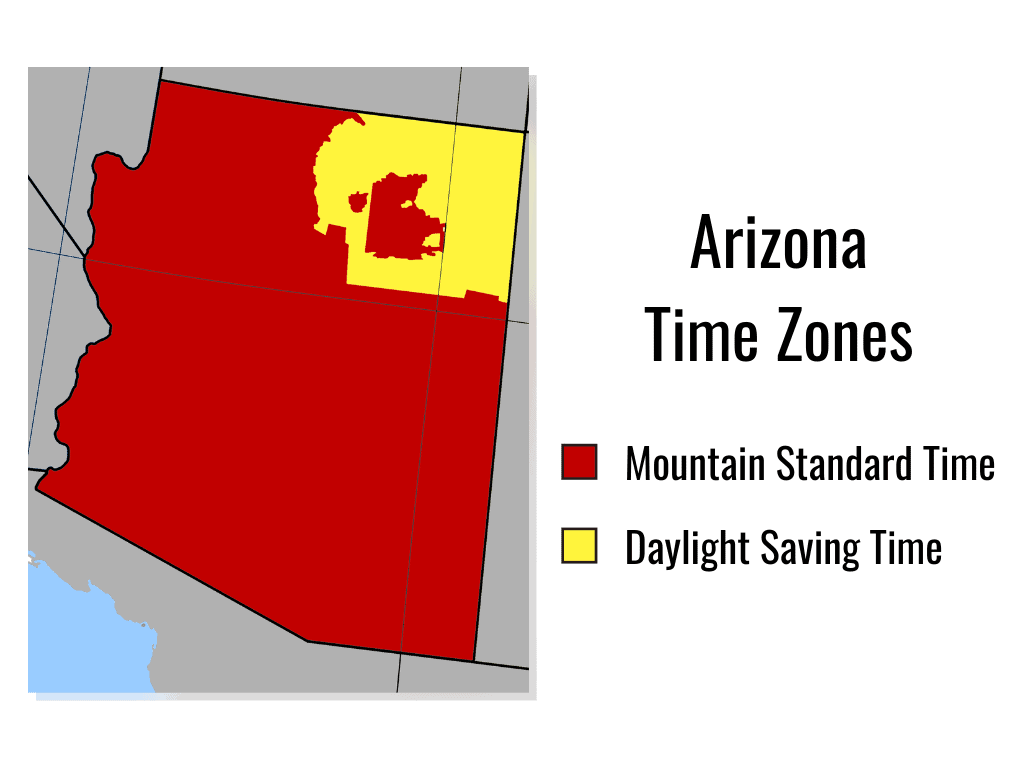
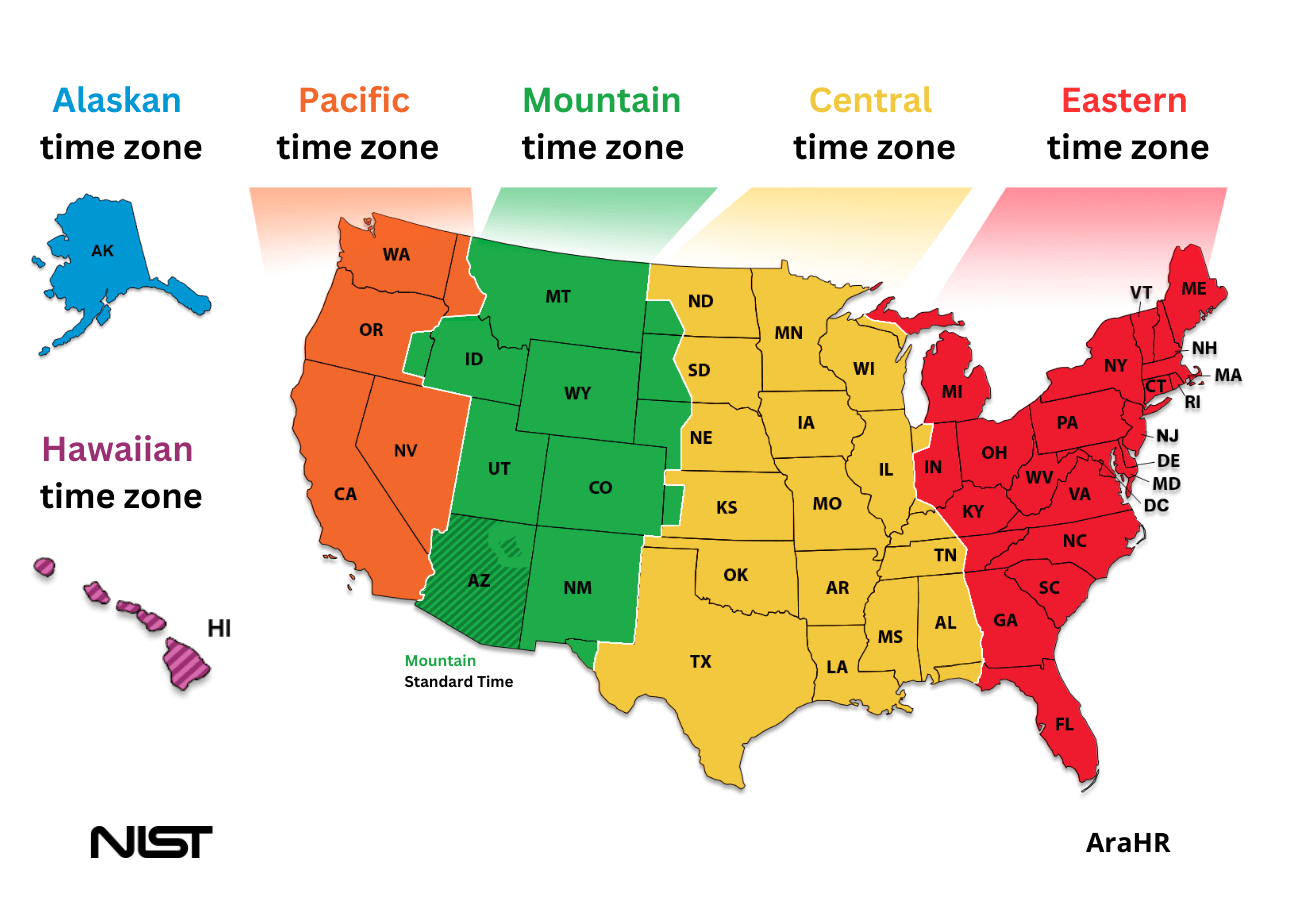
The straightforward answer is that most of Arizona observes Mountain Standard Time (MST) year-round. This means that while many parts of the country spring forward and fall back with Daylight Saving Time (DST), Arizona largely does not. This seemingly simple fact has interesting implications for everything from catching a flight at Phoenix Sky Harbor International Airport to booking a suite at a luxury resort in Scottsdale, or even timing a visit to the iconic Grand Canyon National Park for a spectacular sunset. Furthermore, there’s a significant exception to this rule: the Navajo Nation, a large tribal land spanning parts of Arizona, New Mexico, and Utah, does observe Daylight Saving Time. This “time anomaly” creates a fascinating patchwork across the state, adding a layer of intrigue and requiring a bit of forethought for those venturing into its diverse regions.
Understanding Arizona’s Unique Time Zone Status
Arizona’s approach to time is rooted in its geography and a history of practical decisions. For a state renowned for its intense summer heat, avoiding Daylight Saving Time makes perfect sense, allowing for more comfortable morning activities before the scorching afternoon sun takes hold.
Mountain Standard Time (MST) Year-Round
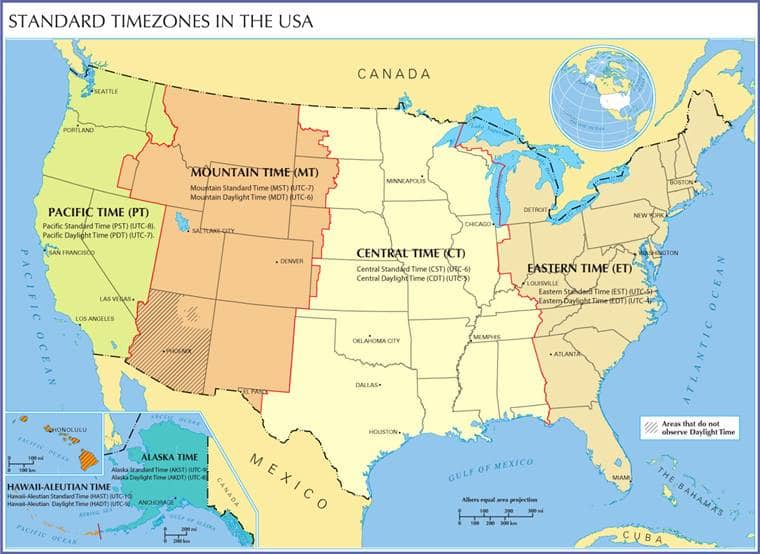
Mountain Standard Time (MST) corresponds to UTC-7. Throughout the autumn and winter months, from roughly early November to mid-March, this alignment is consistent with other states in the Mountain Time Zone like Colorado, Utah, and New Mexico. However, when those states, along with most of the United States, switch to Daylight Saving Time (Mountain Daylight Time, or MDT), they move to UTC-6. Arizona remains at UTC-7.
This means that during the spring and summer months, Arizona effectively operates on the same time as Pacific Daylight Time (PDT), which is observed in neighboring states like California and Nevada. For instance, if you’re traveling from Las Vegas to Arizona during summer, you won’t need to adjust your watch upon crossing the border. But if you’re coming from Denver or Salt Lake City, you’ll gain an hour. This non-observance of Daylight Saving Time has been the standard in Arizona for decades, largely due to the intense summer heat. Shifting the clock forward would mean the sun sets even later in the evening, extending the hottest part of the day into what would typically be cooler, later hours, and increasing energy consumption for air conditioning.
The Daylight Saving Time Exception: Navajo Nation
Adding a fascinating twist to Arizona’s time zone narrative is the Navajo Nation. This vast sovereign territory, the largest in the United States, spans parts of northeastern Arizona, northwestern New Mexico, and southeastern Utah. Crucially, the Navajo Nation does observe Daylight Saving Time, primarily to maintain consistent time with the surrounding states that also observe it.
This creates an intriguing temporal boundary within Arizona. During the DST period (roughly March to November), if you travel from, say, Flagstaff (MST) eastward into the Navajo Nation, you will need to advance your watch by one hour. This is particularly relevant for visiting iconic landmarks such as Monument Valley or Canyon de Chelly National Monument, which are located within tribal lands.
Further complicating matters is the Hopi Nation, a smaller tribal land entirely enclaved within the Navajo Nation. The Hopi Nation, like the rest of Arizona, does not observe Daylight Saving Time. This creates a unique “time doughnut” effect where you might cross into Navajo Nation time, then back to Hopi Nation time, and then again into Navajo Nation time, all within a relatively short drive. While a truly fascinating cultural and temporal phenomenon, it underscores the importance of being aware of your exact location when planning activities in these areas.
Practical Implications for Travelers to the Grand Canyon State
For those embarking on a journey filled with travel, tourism, and exploring the diverse landmarks of Arizona, understanding the time zone nuances is more than just a fun fact; it’s a practical necessity for a seamless and enjoyable experience.
Planning Your Arizona Itinerary and Activities
The time zone difference can significantly impact your itinerary, especially if you’re arriving by air or driving from a neighboring state. If you’re flying into Phoenix Sky Harbor International Airport during DST, remember that Arizona time will be one hour earlier than Mountain Daylight Time states and three hours earlier than Eastern Daylight Time states. This means your 9 AM flight arrival might feel like 12 PM to your internal clock, which could be beneficial for adjusting to the local rhythm and starting your day earlier.
For road trippers, the border crossings are critical. Driving from Las Vegas (PDT in summer) to the Grand Canyon (MST) during the summer months means no time change, which simplifies planning. However, if you’re coming from Utah or New Mexico (MDT in summer), you’ll effectively “gain” an hour when you enter most of Arizona, and then potentially lose it again if you enter the Navajo Nation. This can affect arrival times for scheduled tours, hiking permits for Saguaro National Park, or even sunset viewing opportunities at the Grand Canyon. The absence of DST also means summer sunsets in Arizona occur later than in neighboring states, offering extended daylight hours for enjoying outdoor activities and the region’s natural beauty.
Navigating Accommodation and Booking Times
When it comes to accommodation – be it a luxurious hotel, a charming apartment, or a sprawling resort – precise timing is always essential. All check-in and check-out times, amenity schedules, and booking confirmations for your stays across Arizona will operate on the local Arizona time. This is usually Mountain Standard Time (MST), but if your booking is within the Navajo Nation, it will observe Mountain Daylight Time (MDT) during the summer.
Always double-check your booking confirmations and flight itineraries, ensuring you account for the time zone in which the activity or booking originates. A reservation made for 7 PM Arizona time might translate to 8 PM on your internal clock if you’ve recently arrived from an MDT zone during DST, potentially causing you to miss a dinner reservation at a high-end restaurant in Paradise Valley or a pre-booked spa treatment. When researching hotels and resorts, especially for long-term stays or family trips, factor in the local time for communication with staff and scheduling any desired amenities.
Dining, Tours, and Local Experiences
From enjoying local food to participating in activities and guided tours, Arizona’s time zone influences everything. Restaurant opening and closing hours, museum schedules, and the departure times for tours will strictly adhere to local time. For example, if you’ve booked a guided Jeep tour through the red rocks of Sedona, the stated departure time will be on MST.
However, when venturing into the Navajo Nation for experiences like a guided tour of Monument Valley or a visit to the Four Corners Monument, remember that these operations will follow Mountain Daylight Time during the summer. This is particularly important for cultural experiences and engaging with local culture, where punctuality and respect for local customs are paramount. Always confirm the time zone with your tour operator or attraction directly, especially for experiences close to or within tribal lands.
Time Zone Considerations by Region
The diverse geography of Arizona means that while the general rule of MST applies, the practical implications vary depending on your chosen destination.
Phoenix, Tucson, and Central/Southern Arizona
The vast majority of Arizona’s population resides in its central and southern regions, encompassing major metropolitan areas like Phoenix, Tucson, Mesa, Tempe, and Scottsdale. These areas consistently adhere to Mountain Standard Time (MST) throughout the year. For travelers focused on urban exploration, resort experiences, or exploring the desert landscapes of Saguaro National Park, the time zone is straightforward.
For business stays or those enjoying a luxury travel experience in one of Phoenix’s many high-end resorts, the consistent time zone simplifies communication with colleagues or family outside the state. During the summer, calls to the Pacific Coast will be at the same time, while calls to the Mountain Time Zone will be an hour earlier in Arizona, and two hours earlier than Central Daylight Time.
The Grand Canyon and Northern Arizona
Iconic northern Arizona attractions like the Grand Canyon National Park, the charming town of Flagstaff, and the spiritual vortexes of Sedona all observe Mountain Standard Time (MST) year-round. This consistency means planning sunrise or sunset viewings at the Grand Canyon or scheduling a hot air balloon ride over Sedona will always be based on MST.
However, the proximity of these areas to the Navajo Nation means that visitors embarking on eastward excursions, perhaps towards Page, Antelope Canyon, or the Four Corners Monument, should remain vigilant about potential time changes. A quick day trip from Flagstaff into the Navajo Nation during summer will involve changing your clock, making it crucial to adjust for tour times or planned activities.
Exploring the Four Corners and Tribal Lands
This is arguably the most complex time zone frontier in Arizona. The Four Corners Monument itself is located within the Navajo Nation and therefore observes Daylight Saving Time. This means that during the DST period, the monument will be one hour ahead of the non-DST parts of Arizona.
Attractions such as Monument Valley, Canyon de Chelly National Monument, and other destinations deep within the Navajo Nation will follow Mountain Daylight Time in the summer. For travelers on multi-day itineraries exploring these unique cultural landscapes, constantly confirming the local time with tour guides, hotel staff, and activity providers is the best tip. Remember the Hopi Nation “time doughnut” — if you pass through Hopi lands enclaved within Navajo Nation, you’ll temporarily revert to Arizona’s non-DST time, only to change again upon re-entering Navajo territory. While potentially confusing, it’s also a testament to the distinct sovereignty and unique lifestyle of these tribal lands.
Tips for a Seamless Arizona Travel Experience
Navigating Arizona’s distinctive time zones doesn’t have to be a source of stress. With a few simple guides and proactive measures, you can ensure your trip is as smooth and enjoyable as the vast desert landscape.
Staying Connected Across Time Zones
The easiest way to manage the time shifts is to rely on modern technology. Most smartphones and GPS devices will automatically update to the correct local time zone as you travel, provided you have cellular service or Wi-Fi. Ensure your device’s automatic time zone setting is enabled. For those who prefer analog watches, consider wearing two or manually adjusting your watch when crossing into the Navajo Nation or returning to non-DST Arizona.
When communicating with family, friends, or business associates outside Arizona, be mindful of the difference, especially during the DST period. A 9 AM call from New York (EDT) would be 6 AM in Arizona (MST) during summer, potentially too early for a leisure traveler. Likewise, a 5 PM call to Los Angeles (PDT) during summer would be 5 PM in Arizona (MST).
Embracing the Local Rhythm
Ultimately, Arizona’s time zone quirk is part of what makes the state unique. Embrace it as another aspect of your adventure! The extended daylight hours in summer due to the absence of Daylight Saving Time mean you can enjoy outdoor activities and sightseeing well into the evening, making for longer, more fulfilling days. This is a particular boon for budget travel where maximizing daylight for free activities is key.
When making reservations for hotels, tours, or dining, a simple clarification of “local Arizona time” or “Navajo Nation time” can prevent any misunderstandings. Locals are accustomed to explaining the time zone differences to visitors and will appreciate your awareness.
In conclusion, the time zone of Arizona is predominantly Mountain Standard Time (MST) year-round. The primary exception is the Navajo Nation, which observes Daylight Saving Time. While this distinctive arrangement adds a layer of planning, it also contributes to the unique character and appeal of traveling through this incredible state. By understanding and accounting for these nuances, you’re well-equipped to enjoy every moment of your Arizona adventure, from its stunning landmarks and vibrant culture to its world-class accommodation and unforgettable experiences. So pack your bags, set your watch (or let your phone do it!), and prepare to discover the wonders of Arizona at its own delightful pace.
LifeOutOfTheBox is a participant in the Amazon Services LLC Associates Program, an affiliate advertising program designed to provide a means for sites to earn advertising fees by advertising and linking to Amazon.com. Amazon, the Amazon logo, AmazonSupply, and the AmazonSupply logo are trademarks of Amazon.com, Inc. or its affiliates. As an Amazon Associate we earn affiliate commissions from qualifying purchases.