
The distant rumble of thunder on the horizon, or perhaps the anxious conversations overheard at a bustling Miami cafe, can quickly bring a pressing question to mind for anyone planning a trip to the Sunshine State: Is Hurricane Nadine going to hit Florida? This concern is more than just a fleeting worry; for millions, it’s a critical factor in travel plans, business operations, and the very fabric of daily life in a state renowned for its stunning beaches, world-class theme parks, and vibrant cultural attractions.
As a peninsula jutting out into the warm Atlantic waters, Florida is intrinsically linked to the weather patterns of the tropics. The hurricane season, which officially runs from June 1st to November 30th, is a period of heightened awareness, and the naming of a storm like Nadine immediately sparks a cascade of information-seeking. This isn’t just about abstract meteorological phenomena; it’s about understanding the potential impact on cherished destinations like Orlando, the bustling business hub of Tampa, the historic charm of St. Augustine, and the pristine natural beauty of the Florida Keys.
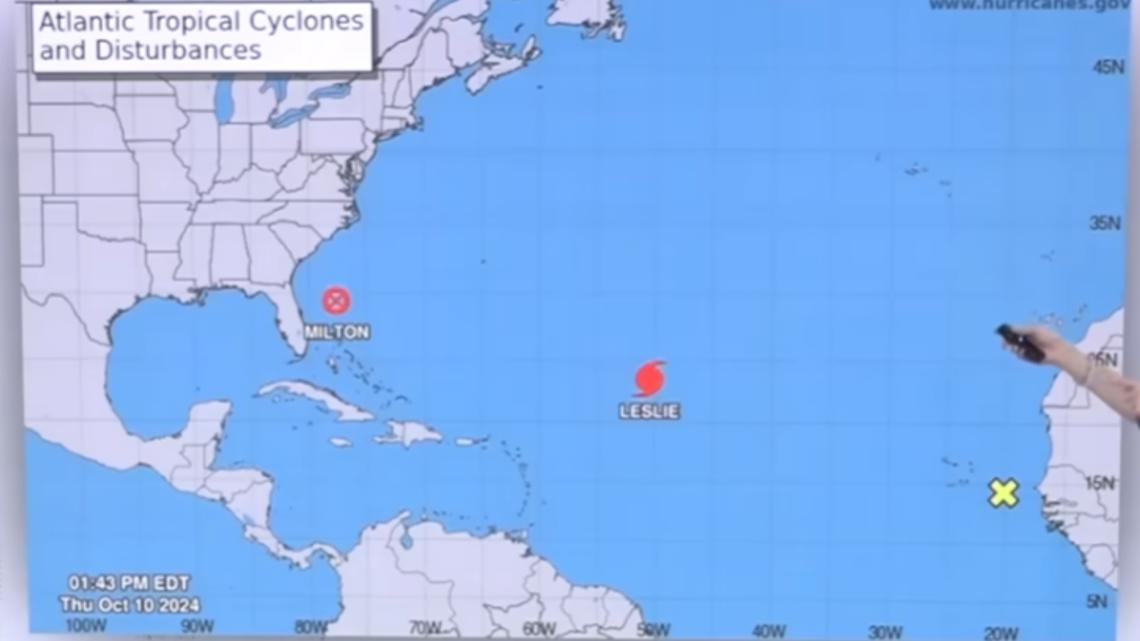
Understanding the potential path and intensity of a hurricane like Nadine involves more than just glancing at a weather map. It requires delving into the science behind storm formation, the geographical factors that influence their trajectory, and the invaluable resources available to stay informed. For travelers, this means making informed decisions about booking flights, securing accommodations, and perhaps even altering travel dates. For residents, it translates to preparedness, safety measures, and community resilience. This article aims to demystify the process, offering insights into how to approach the question of a hurricane’s impact on Florida and providing guidance on how to stay safe and make the most of your travels, regardless of the weather’s intentions.
Understanding Hurricane Formation and Tracking
The genesis of a tropical cyclone, which can evolve into a hurricane, begins over warm ocean waters, typically above 80 degrees Fahrenheit (27 degrees Celsius). The Atlantic Ocean provides an ideal breeding ground for these powerful storms. Evaporation from the ocean surface fuels the process, creating towering cumulonimbus clouds and initiating a cycle of rising moist air. As this air rises, it cools and condenses, releasing latent heat that further intensifies the storm. The rotation of the Earth then imparts a spin, leading to the organized circulation that characterizes tropical depressions, tropical storms, and ultimately, hurricanes.
Once a storm is named, such as Nadine, it becomes a focal point for meteorological agencies and the public alike. The National Hurricane Center (NHC) in Miami, Florida, plays a pivotal role in monitoring these systems. Utilizing a sophisticated network of satellites, reconnaissance aircraft (often referred to as “hurricane hunters”), and weather buoys, the NHC provides critical data for forecasting. These aircraft fly directly into the eye of the storm, gathering precise measurements of wind speed, pressure, and other vital parameters. This direct observation is crucial for understanding the storm’s current state and its potential for development.
The Role of Steering Currents
The path of a hurricane is not erratic; it is largely dictated by prevailing atmospheric wind patterns, known as steering currents. These currents act like invisible rivers in the sky, guiding the storm’s movement. Factors such as the presence of high-pressure systems (which can act as obstacles) and low-pressure troughs (which can pull storms in) significantly influence a hurricane’s trajectory. Meteorologists analyze these large-scale weather patterns to predict where a storm might go days in advance.
For a storm like Nadine, its proximity to Florida hinges on the complex interplay of these steering currents. A persistent ridge of high pressure over the Southeastern United States might push a storm westward towards the coast. Conversely, a strong trough approaching from the west could draw the storm northward or even northeastward out into the open Atlantic Ocean. The unpredictability arises because these steering currents can change rapidly, making long-range forecasting a dynamic and challenging endeavor.
Tracking Tools and Forecast Models
The NHC issues regular advisories and forecasts for tropical cyclones. These include the storm’s current location, intensity (categorized by wind speed on the Saffir-Simpson Hurricane Wind Scale), and a projected track. Crucially, these projections are not a single line but a cone of uncertainty, representing the area where the center of the storm is most likely to track over the next few days. This cone acknowledges the inherent variability in hurricane forecasting.
Numerous computer models are employed by meteorologists to simulate the potential behavior of hurricanes. These models, run on supercomputers, ingest vast amounts of atmospheric data to generate different scenarios. While no single model is perfect, meteorologists analyze the consensus and divergence among these models to refine their forecasts. This scientific approach allows for early warnings and evacuation orders when necessary, providing crucial lead time for communities to prepare. For those in Florida, familiarizing oneself with the NHC’s advisories and understanding the meaning of the forecast cone is paramount.
Assessing the Potential Impact on Florida Destinations
The question of whether Hurricane Nadine will hit Florida is not just about landfall; it’s about the potential for significant impacts, even if the storm’s center stays offshore. The sheer size of these systems means that their influence can extend hundreds of miles, bringing with them not only strong winds but also heavy rainfall, storm surge, and even tornadic activity. Different regions of Florida have varying vulnerabilities, and the specific characteristics of Nadine will determine the precise nature of any threat.
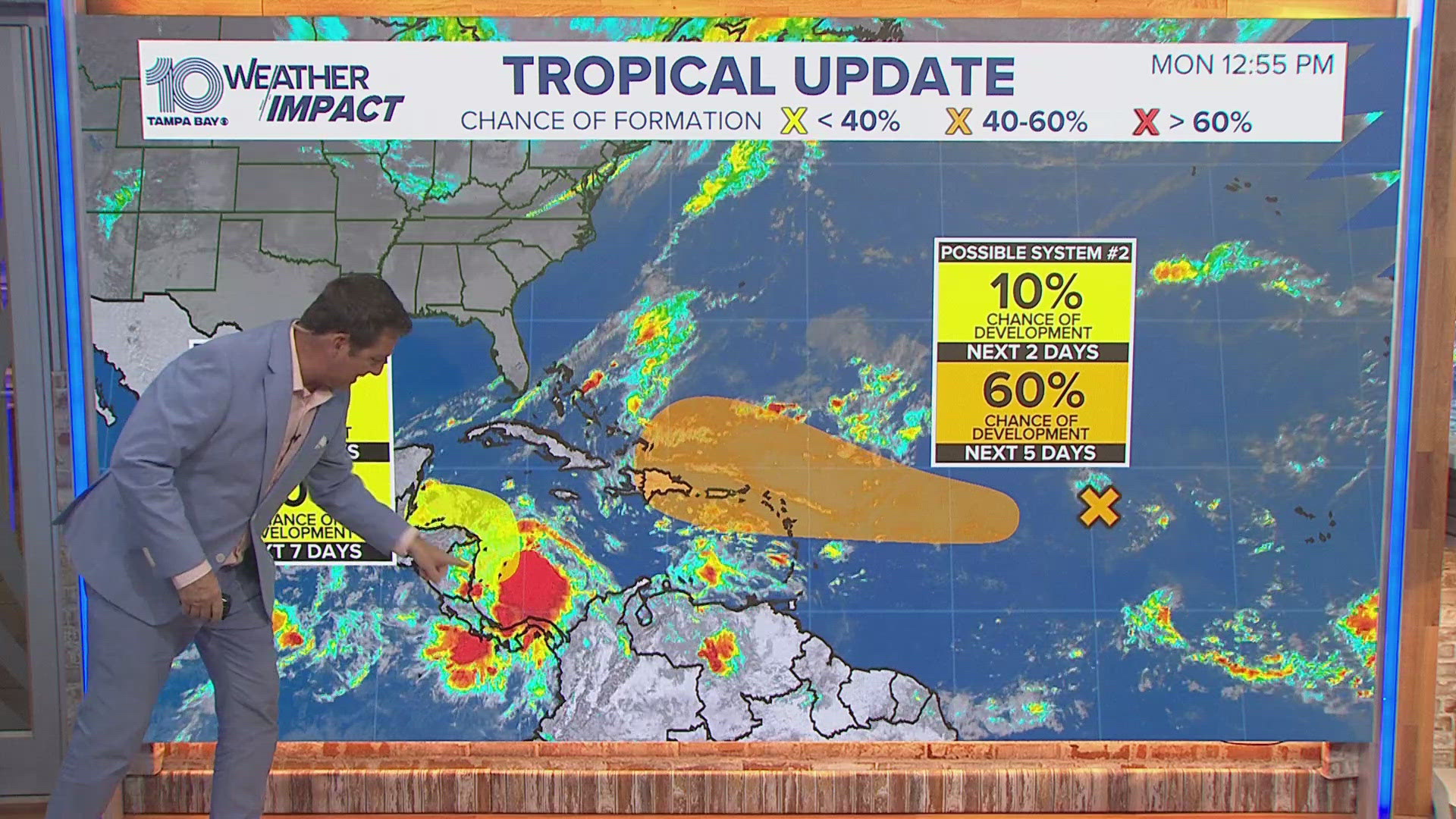
For travelers, understanding these potential impacts is crucial for making informed decisions about their trips. A vacation planned for the theme parks of Orlando might face different challenges than a beach getaway in the Florida Panhandle or a tranquil retreat in the Everglades. The timing of the storm relative to your travel dates is also a critical factor. Early season storms might catch the state less prepared, while late-season systems could disrupt holiday travel.
Coastal vs. Inland Vulnerabilities
Coastal communities along Florida‘s extensive coastline are particularly susceptible to the most devastating impacts of hurricanes, primarily storm surge. This is the abnormal rise of water generated by a storm, over and above the predicted astronomical tides. Storm surge can inundate low-lying areas, causing widespread flooding and destruction. Areas along the Gulf Coast, such as Naples and Sarasota, and the Atlantic coast, including Jacksonville and Fort Lauderdale, are all at risk, depending on the storm’s track and intensity. The elevation of resorts, the preparedness of hotels, and the availability of evacuation routes are all critical considerations for coastal accommodations and travel.
Inland areas, while generally safer from direct storm surge, are not immune to hurricane impacts. Heavy rainfall associated with Nadine can lead to widespread inland flooding, potentially affecting roads, transportation networks, and even cause damage to inland attractions and infrastructure. The Florida Turnpike and other major roadways could become impassable, disrupting travel plans and emergency services. Even without direct landfall, the outer bands of a hurricane can bring significant wind gusts and torrential downpours to central and northern Florida.
Economic and Tourism Considerations
The economic implications of a hurricane threat are substantial, particularly for Florida, a state heavily reliant on tourism. The mere possibility of a storm can lead to widespread flight cancellations and hotel booking modifications, even before any direct impact is felt. Major airports like Orlando International Airport and Miami International Airport can experience significant disruptions.
For businesses, especially those in the hospitality sector such as the Walt Disney World Resort or the numerous luxury resorts along the Gulf Coast, a hurricane can mean significant financial losses. Closures, damage, and a subsequent decline in visitor numbers can take a considerable toll. However, the tourism industry in Florida is also remarkably resilient, with robust disaster preparedness plans in place for many establishments. When planning a trip, checking the cancellation policies of your chosen hotel or resort, and considering travel insurance, can provide a crucial layer of financial protection. Understanding the impact on local culture and activities is also important; many attractions might close temporarily for safety or to assist in recovery efforts.
Preparing for and Responding to Hurricane Threats
When a storm like Nadine is on the radar, preparation is key. For residents and visitors alike, having a plan can make the difference between disruption and disaster. This involves staying informed, understanding evacuation zones, and having essential supplies readily available. The proactive measures taken by individuals and communities are a testament to Florida‘s experience with hurricane season.
For travelers, the decision to proceed with, postpone, or cancel a trip to Florida often comes down to a risk assessment based on the latest forecasts. It’s a balance between the desire to experience the state’s attractions and the need for safety and peace of mind.
Staying Informed and Making Decisions
The primary source of reliable information regarding hurricanes is the National Hurricane Center. Their website, along with local news outlets and emergency management agencies in Florida, provide the most up-to-date advisories, watches, and warnings. Understanding the difference between a hurricane watch (when hurricane conditions are possible) and a hurricane warning (when hurricane conditions are expected) is critical for making timely decisions.
If you are planning a trip, monitoring these advisories closely in the days and weeks leading up to your departure is essential. If a hurricane watch or warning is issued for your intended destination, it’s wise to contact your airline and hotel to discuss rebooking or cancellation options. Many travel providers offer flexible policies during hurricane threats to assist travelers. The decision to travel should prioritize safety above all else. If you are already in Florida and a warning is issued for your area, adhere strictly to the guidance of local authorities, which may include evacuation orders.

Safety Measures and Resources
For those in Florida during a hurricane threat, preparedness involves having an emergency kit stocked with essentials like water, non-perishable food, a flashlight, batteries, a first-aid kit, and any necessary medications. Securing your property by boarding up windows and bringing in outdoor items that could become projectiles is also crucial. Familiarizing yourself with local evacuation routes and designated shelters is a vital part of any hurricane preparedness plan.
The resilience of Florida‘s communities is often highlighted in the aftermath of storms. Residents and visitors can contribute to this by following official guidance, supporting local recovery efforts, and exercising patience and understanding. While the prospect of a hurricane like Nadine can be daunting, a combination of scientific forecasting, informed decision-making, and proactive preparedness allows Florida and its visitors to navigate the challenges of hurricane season with as much safety and confidence as possible. The allure of Florida’s diverse attractions, from the theme parks of Orlando to the pristine beaches of Clearwater, remains, even as the skies overhead may brew with uncertainty.
LifeOutOfTheBox is a participant in the Amazon Services LLC Associates Program, an affiliate advertising program designed to provide a means for sites to earn advertising fees by advertising and linking to Amazon.com. Amazon, the Amazon logo, AmazonSupply, and the AmazonSupply logo are trademarks of Amazon.com, Inc. or its affiliates. As an Amazon Associate we earn affiliate commissions from qualifying purchases.